Farewell, Diane. Your Spirit and Determination Live On
Diane discussing pre-race strategy with trainer Tom Calumet – PC: Jim Raftery – Keenland Library Collection courtesy of Mark Shrager
Diane Crump was not an intentional trailblazer. She pursued her passion. That happened to be in the world of the male-dominated 1960s horse racing industry. Who had ever heard of a woman jockey? Today, we all know the name – Diane Crump. She broke barriers not only for horse racing but for women, in general. “Because of women like Diane . . . women became lawyers, physicians, and astronauts. Diane’s efforts unlocked the doors, then we jumped in,” wrote a friend on her social media page. Read our blog about Diane and Mark Shrager’s book,Diane Crump: A Horse-Racing Pioneer’s Life in the Saddle.
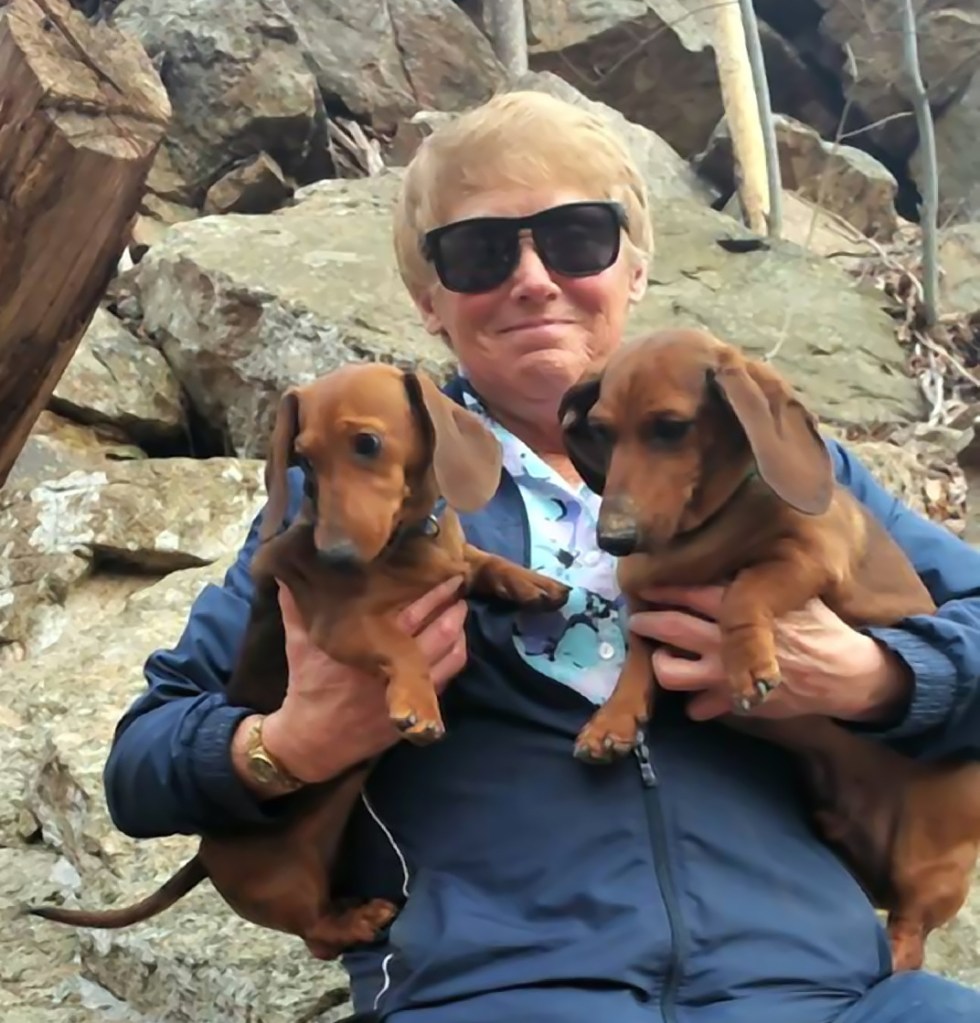
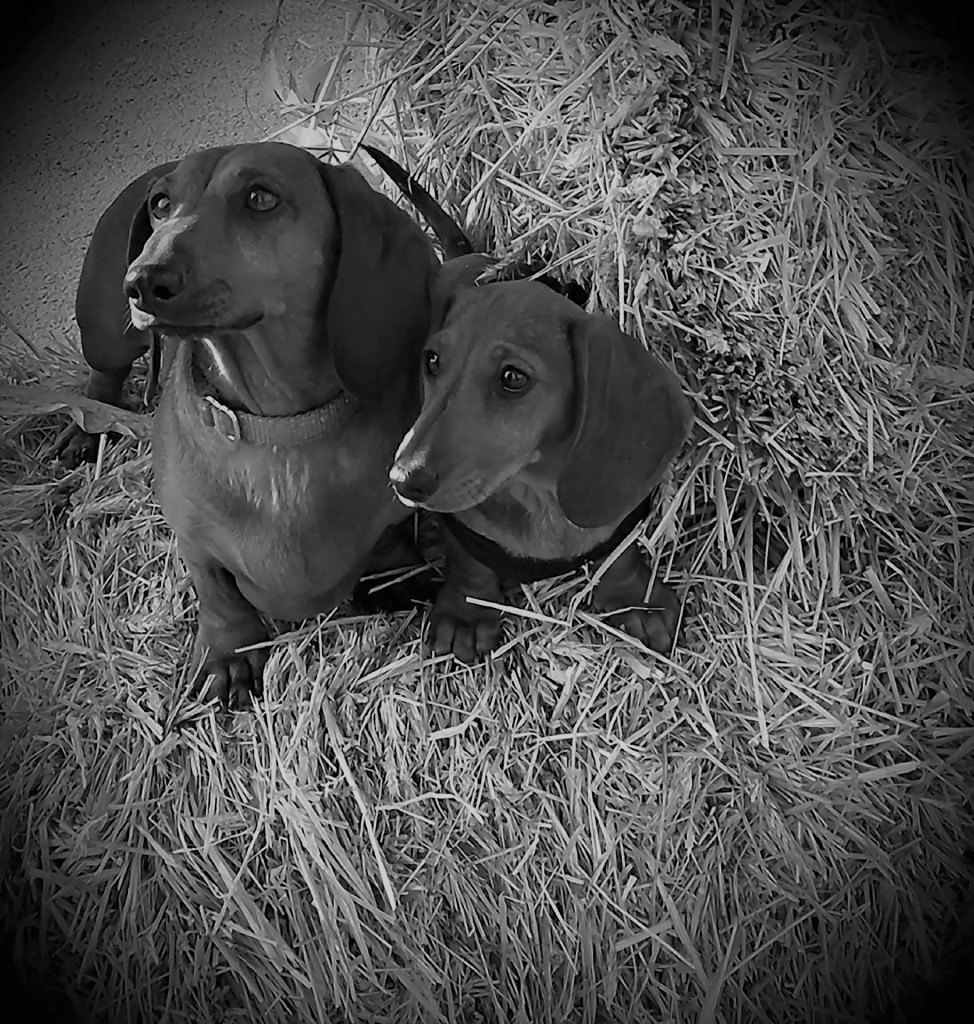
In 1970, Diane was the first female jockey to race in the Kentucky Derby. She won 228 races over her nearly 30-year career. She devoted her life to family and healing hearts and spirits in her subsequent 27 years where she created a ministry of hope and comfort with her three dachshunds – Animal Assisted Therapy program. She touched people’s lives wherever she went.
As a horse-crazy girl, Diane was my hero. Her tenacity and forward momentum helped propel women’s goals and professions. She inspired me to believe in my competence throughout my life. She made incredible contributions to our world. We lost the person but her beacon shines on. Rest in peace, Diane.
Memorial services will be held on January 24th from 10 AM to 12 PM at Fishnet Church in Front Royal, Va.
On February 5, 2026, the National Sporting Library & Museum will host a special evening with veteran turf writer Mark Shrager, author of Diane Crump: A Horse-Racing Pioneer’s Life in the Saddle.
It is Friday, July 26, 2024, the XXXIII Olympiad, Paris 2024, is beginning with pageantry. The events have been anticipated and Paris has worked tirelessly to put on a safe and successful Olympiad. Yet, disappointment hangs over the equestrian games. The news and video show Charlotte Dujardin’s suspension. This suspension resulted from abusive training tactics.
Approximately 10,500 athletes have worked, practiced, and competed their way to the pinnacle of their individual sports. Dujardin will not be joining them. Watching the video is devastating. I felt embarrassed to be a student of dressage. My disbelief turned to rage. Then it turned to disappointment, to sadness, and now to pragmatism.
The issue is much greater than an “error of judgement,” as stated by Dujardin. Should she be eliminated from Olympic competition? I believe so, based on what I have seen in that video. Should she be the martyr for equestrian sports? NO. Bad decisions plague equestrian sports. These decisions affect not only Dressage, but also horse racing. They impact jumpers, fox hunting, and Western disciplines. Pony Clubs are not exempt. Eventing and show hunters experience similar issues. Endurance competitions are troubled too. Even trail riding faces challenges. The victims are typically the horses but riders also suffer abuse. The idea of causing a horse to buck with a rider on its back is mind-bending. I wonder if Carl Hester knew the techniques employed to get a horse to move his feet?
The overarching issue is poor horsemanship and lack of compassion. I do not buy the sweet words uttered to the horse while a spur is buried in its side. Realize that equestrian disciplines are military / cavalry based. Horses won and lost wars. They were trained to carry worriers, supplies, and pull wagons and ammunition. Horses were utilitarian, they had to perform on command. We do not live in horse-driven days. Horses are supposed to be respected athletes. They should be team members with their riders. Who wants to be on a team with an abusive member? I have been involved in horse racing, jumpers, hunters, eventing, Pony Club, dressage (of sorts), fox hunting, and trail riding. I have witnessed hair-raising abuse of both horses and riders. I have seen gross absence of horsemanship. I have seen tiny 9-year-old girls have to carry 40 pound buckets of water and push 50 pound wheelbarrows across large expanses of areas for Pony Club activities.. How about having jumper rallies in 104 degree weather? I saw horses sliding backwards down a muddy embankment into a creek on a cold December. The hunt master chose the route. He did this without regard for the safety of his followers or their horses. I have seen, in warm-up arenas, adult men intentionally cause their horse to misbehave near timid riders and/or horses. I have heard trainers yell at their students to “stick that spur in his side.” I observed fox hunters return to the trailers, leaving their horses who have carried them for hours tied to the trailers while they go off to party. I have been called a “stick-in-the-mud” for not joining their festivities because I insisted on cooling off my horse, giving her water and hay and removing studs from her shoes first. Can we talk about racing “two-year-old” babies who are not yet two?
My thought is that rather than martyr Dujardin, she should perform public service. She can teach horsemanship. She can become a role model for good horsemanship. She can help make commonsense horsemanship important. It would be a shame to simply heap ridicule and shame without benefitting our equestrian partners. I hope that the rider and horse who endured Dujardin’s error of judgement did not do so in vain.
Long ago I determined that there are horse-people and horse users. I am a horsewoman. My horses’ welfare is always my priority. I have shown vets, farriers, and trainers the gates of my farm who did not respect my values and/or my equine family. I have stood up to hunt masters and clinicians for the welfare of my horses. I refuse to sacrifice my horses or compromise my horsemanship for an award or ribbon. Finally, after decades of thinking that I am unskilled and untalented, I have realized that my priorities have consistently favored my horses. I choose to ride without spurs, draw reins, side reins, flash nosebands, and punishing bits. I choose to take small steps and develop my horses into willing, obedient team members even if a judge never writes, “nice team,” on a score sheet. Riding performance notwithstanding, if horsemanship is lacking, there is nothing but sad horses.
The Team GB boat just passed under a bridge of the Seine with a very notable absence. Heartbreaking on so many levels. Hoping that horsemanship ethics result from the recent events.
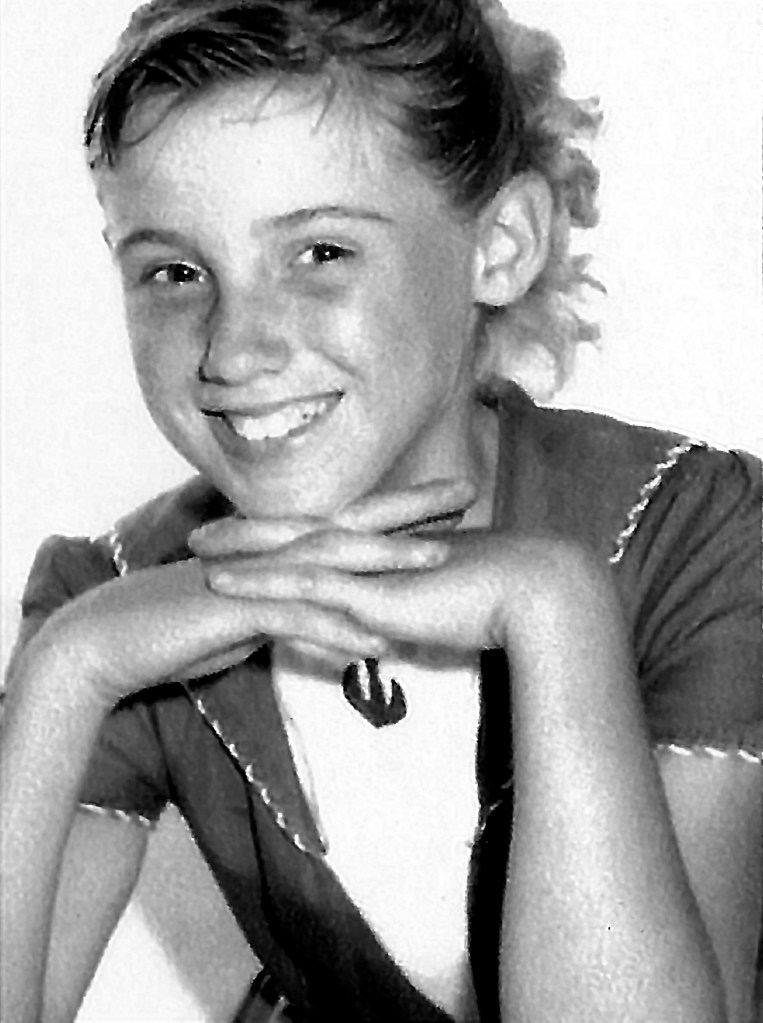
A horse loving girl, Diane Crump. Image courtesy of Mark Shrager and Diane Crump
“’Hey, Bert, there’s a woman jockey riding in the Kentucky Derby this year, first time that’s ever happened. Can you believe it? And her name is Crump. Coincidence, huh?’” Said a squad member to Bert Crump, persuading him to join the others in listening to the Armed Forces Radio broadcast of the Kentucky Derby. Bert was tired from a tough day in the field in Vietnam. “There was only one possible explanation for a woman named Crump riding in the Kentucky Derby and coincidence had nothing to do with it,” says Bert in his recollection of that day. He asked if her first name was Diane. “Yea, that’s her name – Diane Crump, do you know her?” said the man. “It’s my sister!” replied Bert. That was on May 2, 1970. Jockey, Diane Crump made racing history that day. “It was a surreal feeling being in Vietnam . . .while my sister rode in the Kentucky Derby with my buddies cheering her on,” recounts Bert in Mark Shrager’s book, Diane Crump A Horse-Racing Pioneer’s Life in the Saddle.
Cover – Diane Kissing Fathom, her Derby Horse – Image courtesy of Publisher, Lyons Press
An image of the book cover caught my eye while I perused Facebook posts. I quickly returned to the image and learned of the newly published book. Being an insatiable horse girl myself, I had to know more. I remembered the furor of a female jockey in the Kentucky Derby. “What’s the big deal?” I had thought, “As long as they are good to the horse, stay on, and stay out of the way of the other horses, what difference is it if a man or a woman is riding?.”
I had to feature the new book about this remarkable athlete who happened to share my passions for horses, riding, and speed. After some introductory emails, making “friends” with Mark Shrager and Diane Crump on Facebook, and a unique relationship formed. I read the book, underlining important aspects and dog-earing corners of pages. I wrote a first draft.
Dogeared pages
Notes and more notes
I reread the book. This time, I put little sticky arrows on the pages I wanted to cite. “Passion.” “Love of the horse.” “Had to ride.” “Exhilaration of speed.” “She wanted to inhale the atmosphere, to ride, to care for horses, to learn everything about them,” “… yearned for …having dramatic horseback adventures… being with close friends, in a school-free environment, and riding, riding, riding, ”writes Mark. He talks about “Diane’s unstoppable work ethic.”
It is important to understand that certain people are born with an “extra gene” – the gene that makes horses irresistible – their fragrance (some might call it an odor; a stench), their sweat, their breath, their silken hair, their eyelashes, their snorts (and yes, their gas and gut sounds are thrilling), their personalities, and their many “buttons.” This book is about such a woman.
What makes the story in the book special is that Diane’s mother encouraged her to “Follow your dreams.” Jean Crump was her daughter’s biggest advocate. She became Diane’s horse-riding friends’ favorite mother. Many of her friends wished for a mother just like her. What they did not know in their childhood was that Jean was special not only for her nurturing and encouraging her daughter’s horse passion, but for her unwavering trust in her faith and her remarkable dreams that she wrote down and often illustrated in paintings.
On my third reading of the book, it became clear that while this is a story about horse-racing, riding, and a tenacious woman, it is also about a mother’s journey with God, who, trusting through her faith, opened her hand and let her little bird fly. It took tremendous faith to agree to let the 16-year-old Diane travel with a racehorse trainer and live in unfamiliar housing with people she had never met so that she could to continue her horse training and riding journey. Her faith quelled her concerns.
Mark Shrager Image courtesy of Mark Shrager
“How did you happen to select Diane’s story for your book,” I asked Mark. He replied that he had finished his prior book, The Great Sweepstakes of 1877, and was looking to write the next book. He had made many friends on Facebook through his first book .Diane was one of those friends. He told me, “When I realized there had been no books written about her I called and asked whether I might write her biography. I was excited to tell the story of an amazing person who was so much more than just a jockey.”
Diane was ready to tell her story. Diane settled in Virginia. While no longer racing, she is a horse broker. She said, “I wanted to find someone to stick to the principal of what I wanted told. Mark did exactly that.”
Author, Mark Shrager, lives in California. He has been handicapping horse races since his high school days. He is not a rider. His father was adamantly opposed to gambling and horse racing. “I got into handicapping mostly to annoy my father, but I won enough money with which to buy my first car, ” he said. Two people, living on opposite coasts; with different parental experiences; a Christian woman and a Jewish man; happened to share the exact birthdate – 3000 miles apart – Mark in Los Angeles and Diane in Connecticut as their birth state. A writer / handicapper and a jockey, came together to tell a remarkable story.
In speaking with both Mark and Diane, I asked whether the book result was what they had expected. Mark told me, “The happiest part of this process was Diane reading it and telling me, ‘This is exactly what I wanted! Thank you!’” Diane added, “It leaves nothing out without saying too much!”
Diane (second from right) on Bridle ‘n Bit PC: Jim Raftety – Keenland Library Collection Courtesy of Mark Shrager
When you read the book, you will discover that it is packed with thrills, adventures, and against-all-odds finishes. You will learn about a tousle in a match race with an encroaching jockey holding her saddle cloth to slow her horse, and about the incomparable feeling of crossing the finish line first. Mark’s elegant storytelling made my heart beat faster as I imagined the wind in my ears and the sound of thundering hooves upon the track.
It is not often that horse racing and Christian faith turn up in the same sentence, much less in the same book. Like an onion with many layers, the book wraps a child’s heart for a pony; with a will to ride and a love for speed; with a faithful mother (and supportive father and family); with grit, focus, and determination; covered by love and grace.
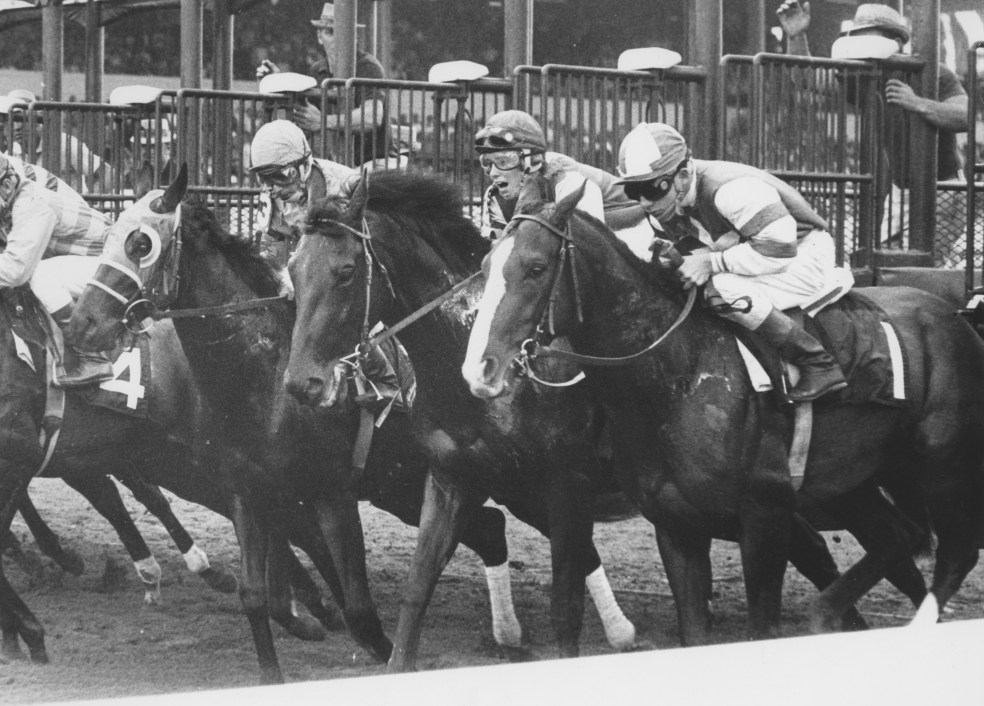
The little girl who loved horses shattered the bias and presumption that “Racing is too tough for women.” In this book, you will read about how Diane’s love of horses and riding and her focus in spite of protests and objections, sustained her throughout her career. She rode a thousand morning workouts, on a thousand difficult, opinionated thoroughbreds that no one else would ride. “I rode every bad tempered horse …, if they reared up, ran off, if they were stupid, that’s what I got. I had to prove myself over and over again.” She raced in an “Under the microscope atmosphere that no other jockey in history had ever experienced,” writes Mark. She lived her dream and rode in the Kentucky Derby. Diane’s message is about the faith and grace that took her to the heights of her profession and that continue sustain her.
Diane surrounded by guards, nears the Hialeah saddling enclosure before her first race – amid protests of being a female in a man’s sport, “an uppity wannabe.” PC: Jim Raftery – Kennland Library Collection courtesy of Mark ShargerDiane discussing pre-race strategy with trainer Tom Calumet – PC: Jim Raftery – Keenland Library Collection courtesy of Mark Shrager
Mark dedicates the book to “Every female athlete everywhere.” He told me, “What awakened my interest in women athletes was Diane. Learning all she’d gone through to be a jockey led me to recognize that women athletes in many sports were probably encountering the same sorts of prejudice and negativity Diane confronted. Dedicating the book to female athletes was my way of encouraging them to live their dreams and overcome the naysayers, like Diane did.”
Ever the animal lover, Diane hugs her assistants Image courtesy of Diane Crump
Diane’s dachshunds, Potter and Pippi, help reach people in need image courtesy of Diane Crump
This book is about horse racing. It is about women’s equity. It about a young girl’s determination to learn about horse and to ride them. It is about faith. The message is universal. The book is available in hardback and on Kindle . It is a must read for every parent with a passionate child, every horse-crazed person, for people of faith and for those in search of theirs, and for everyone who loves to root for the underdog.






 Good News. Reviews. Events.