She looked worn, thin, and sad yet resolute as she addressed a video camera. That video captured her address to the world. The world: some of whom had manufactured malicious rumors, some who had wished her well, and some who were benignly disinterested.
Since her publicly recognized association with the future king on the U.K. she has been pursued, hounded, written about, photographed, and generally had her entire life and family invaded. Love is blind. She happened to fall in love with the gentleman who also loved her. She has reaped benefits that nobility and wealth can only bestow. The price that she has paid is exceedingly high.
Beyond the beautiful gowns, jewels, horse drawn carriages, gala events, associations with the world’s leaders, and power, there is a young woman who loves her children and who needs some time to herself.
She has had to conform to the royal protocol and went all in to learn, assimilate, and be the best possible representative of the “family”Firm.” Not a hair is out of place, not a wrinkle shows on her dresses, and not a scuff appears on her shoes. She held countless bouquets with a smile, even when she did not feel like smiling. She wore four-inch heels when nine moths pregnant. She walked miles in stilettos to represent the best to the world. She was pictured smiling at galas, meetings, and patronages while she was experiencing the terrible effects of hyperemesis gravidarum .
She has been betrayed by “members” of the royal family with bad manners and misrepresentations. She endured a most uncomfortable funeral for the Queen, whom she loved. Her jaw was clenched for hours under the delicate black veil of her fashionable hat. She could not express emotion and refused to communicate with her husband’s brother and his wife, whose mission was to destroy her family.
Last year she was criticized for being too fashionable and taking attention from the King and his heir. She accommodated by changing her image. She “dressed down” by letting her hair grow longer and looked more working-motherisih. The style and fashion repression she endures is unthinkable.
Whatever was asked, she has made Herculean efforts to accommodate. At what price? Her health. Anxiety can often impact one’s gastrointestinal system – think nausea and vomiting when stressed – imagine living that was daily. Her hyperemesis gravidarum could very possibly been produced by her unceasing public review. Her sister, Pippa, did not experience this condition.
Behind the perfect smile and under the gorgeous garments is a heart beating with the stress of the required perfection. Despite incredible efforts for a perfect image, the body’s chemistry copes by secreting hormones. Could the recently detected malignancy be a result of nearly two decades of unrelenting microscopic inspection of every hair follicle and hand gesture with no privacy?
Why is the royal family of the UK fodder for invasive journalism? Who stripped them of their privacy? Other royal families have relative privacy. Yes, the royals must be seen. Must they be “seen” incessantly? How do these humans recharge their energy? They are pursued with long lenses like safari animals. Their intimate moments are invaded. Yet, her pursuers have private moments and times. The public need not know how often they sneeze, “relax,” play with their children; argue. They are human. Perfection is impossible.
The voracious journalists must become creative in their reporting and find other fodder. They hounded the Princes’ mother to her death. This time, given her husband’s extraordinary efforts to protect her, it might be slower. The Princess is not obligated to disclose every biological situation that affects her. For those who questioned it, she appears to be very much present. Leave her alone to deal with her situation privately so that she can regain her health. Her road is very difficult. She must be afforded the respect and curtesy of privacy. She must have time to set aside the tiaras and gowns and focus on her recovery – spiritually, emotionally, and physically, as she so poignantly asked.
The relentless pursuit of images and stories is destroying this lovely woman from the inside. “Back off” must be the message to the press.
Sadly, her lonely image on the wooden bench resembled a dog that had been hit by a car and left. She deserves better than this. This woman is not a Disney princess who is always accessible. She is a flesh and blood woman who bleeds if she is pricked, who gasps if being suffocated, who will die if poisoned, and who will hide in the light of relentless pursuit.
The resounding silence from her pursuers is deafening. May it remain this way.
We wish the Princess a full and permanent recovery
Conducting Tchaikovsky’s Fourth Symphony. The power is palpable. Photo Credit: Toby Marquez
From the moment Conductor, Nancia D’Alimonte, walks toward the podium, there is a spark that ignites the atmosphere. There is energy and joyfulness. Her sincerity to the audience and empathy for the musicians is unquestionable. A master storyteller, she involves the audience by revealing some hidden secrets and giving intriguing history about each piece.
What separates Nancia from many other conductors? Unity. There is a rare connection between conductor and orchestra. She brings the best out of the orchestra at the precise moment of every note of every score. They create each other- it is a sense where each makes the other. It seems as if she “sends” the music to the musicians and they return it to the audience. “When I step on the podium, something unique happens,” she said. The music comes through her.
A unique connection with the musicians – Photo Credit: Toby Marquez
Nancia D’Ailmonte is conductor of the Loudoun Symphony Orchestra (LSO). She is also founder (2006) and conductor of the NIH Philharmonia. At Christmastime, Nancia conducts the beloved Kennedy Center Messiah Sing-Along. She is a busy person of great depth, with exceptional talents, a delightful sense of humor, and a variety of interests.
Nancia Leadsthe Messiah Sing-Along at Kennedy Center – photo courtesy of Nancia D’Alimonte
Conductor positions are tightly held and highly coveted. With approximately 1250 symphony orchestras in the United States, with anywhere from 60 – 115 musicians; there are approximately 90,000 musicians. There are only about 1300 conductors. A 2014 survey discovered that of the top 150 orchestras, there were only five conductors who are women.
Meticulous details – Photo Credit: Toby Marquez
In the November 10, 2019, conversation about the arts and law at the Kennedy Center, the late Supreme Court Justice, Ruth Bader Ginsburg, shared, “In my growing up years, I never saw a woman in a symphony orchestra.” She recounted the advent of the “dropped curtain” after a New York Times critic was certain that he could tell the difference between a male and female pianist only to get “it all mixed up” after he was blindfolded.
French conductor and composer, Nadia Boulanger (1987 – 1979), was asked in 1947, about being a woman and a conductor. She said, “I’ve been a woman for a little over 50 years and have gotten over my initial astonishment. As for conducting an orchestra, that’s a job where I don’t think sex plays much part.”
Conductors have their own styles. Some are flamboyant making the performance all about themselves; some are timekeepers, and some are dreamers. Then, there is the rare conductor who brings music to life. Nancia is that conductor. Having been principal horn for 12 years, she says of conductors’ styles, “I know, I was a player.” Hence, her empathy and consideration for the musicians.
Knowing the scarcity and competitiveness of conducting positions, Nancia chose to follow this path. She tells her incredible story, “When I had been principal horn for 12 years with the Oshawa Symphony Orchestra (outside of Toronto, Canada), our beloved conductor was stepping down. I was on the search committee. We viewed endless video tapes of less than stellar conducting examples – all by men. After every video, I would think to myself, “I could do much better than that!” Then came the final guest conducting experiences… one conductor led more with his non-baton hand (left), being quite flamboyant, and kept shouting to the orchestra, ‘play with me, you’re behind, you’re behind!’ ‘
‘During that time, I was teaching high school music and art. A friend told me about a conducting workshop with John Paynter, guest clinician. I hadn’t a clue who he was, but I went anyway. During his talk, I was captivated by his demeanor, his gentleness, his every word, and his examples of conducting! I elbowed my friend and kept saying, ‘I do that… I do that… I do that too!’ At the break, I could barely contain myself… I had to introduce myself to Mr. Paynter. He was just as genuine in person. He gave me his full attention; I was honored.’
‘I began taking private conducting lessons with John Paynter. I would fly to Chicago about every six weeks for private lessons with him. John was Director of Bands at Northwestern University; only the second director in 100 years.’
‘A friend once posed a hypothetical scenario to me… ‘Supposed the Boston Symphony calls you and says their principal horn player is out sick, and they need you as a sub. The repertoire is an all-John Williams concert. You have 24 hours to let them know. Then, another person of the Boston Symphony organization calls you, and says their conductor is out sick, and they need you as a guest conductor. The repertoire is an all-John Williams concert. You have 24 hours to let them know. Which do you choose?” This hypothetical scenario made me look at my musical career. I was at the top of my game with horn playing but continuing that for the next 30+ years wasn’t too enticing. After watching the uninspiring conducting videos and then meeting John Paynter who saw something in me to give me a few precious moments of his time, I made the decision to conduct.’
‘One final thing about this story – once I entered the Eastman School of Music to work on my Doctorate in Orchestral Conducting, I had the absolute pleasure to meet John Williams when he guest conducted the Eastman Philharmonia in an all-John Williams concert. I was able to share my story of how I decided to go into conducting with him… talk about full circle!”
With Mendi Rodan, Nancia’s Teacher at Eastman School of Music – Image Courtesy of Nancia D’AlimonteAn Alumnus of ESM – Nancia D’Alimonte, D.M.A. – Image courtesy of Nancia D’Alimonte
About her goals for LSO, Nancia explained, “I want to grow the orchestra and I want to make them irresistible.” She loves the Orchestra because she says, “The beauty of the Loudoun Symphony Orchestra is that they have good bones, they are super players, and have a positive attitude.” What about classical music not being terribly popular? “If you build it good . . . they will come,” is Nancia’s solution. She is on a mission to make a great orchestra exceptional.
Nancia described her relationship with members of the orchestra as, “Always one of mutual respect. I do not follow the tradition of the dictator on the podium. Because I come from within the orchestra, the musicians know that I know their position, thus there is an appreciation from them.”
Among the roles of the conductor is designing the program. Nancia’s thoughtfulness and depth of musical knowledge give her the scope with which to make wise choices. Her goal is to please the audience and encourage and grow the musicians. Her musical selections and programming take into consideration the players’ strengths and the total number of players. She explained, “Some compositions work for 60-65 members while others like Mahler need over 100.” She explained that undertaking a composition designed for a very large orchestra and imposing it on a smaller one will not produce success of the composition or the musicians. She selects music to showcase the strengths of the performers which will ultimately please the audience and encourage the individual players.
Impeccable Style – Images courtesy of Nancia D’Alimmonte
Nancia has mastered her conducting image. She explained, “My conducting ‘costume’ is my own creation. After some experimenting, I decided on the tea-length skirt with satin stripes on the sides and a feminine slit, tails, and a beautiful brocade vest and matching bow tie. I want to be impeccable. Appearance is very important in this male-dominated environment.”
“The connection to my “instrument” (the orchestra) are my batons,” says Nancia. She has six custom-made batons by Tate Newland. Nancia says, “He is the best, in my opinion. I have been working with him for almost 30 years – I have known him for longer than I know my husband.” Nancia explained that the white shaft is made of maple wood. The handle must be large enough to fit in her hand and hers are of interesting and exotic woods including cocobolo, 100-year-old cherry, curly maple, rosewood, and even a champagne cork (for fun). The baton must be perfectly balanced at the joint where the shaft meets the handle. She always brings two batons with her.
Attention For Every Musician – Image courtesy of Nancia D’Alimonte
Asked whether she prefers to conduct with a score or from memory,” Nancia explained, “Conducting without a score… this phenomenon came about from Arturo Toscanini, famed Italian conductor (early-mid 20th C.) who conducted at La Scala in Milan, the NY Philharmonic, and later led the NBC radio orchestra. He had an impeccable ear and began as a cellist. One thing lacking for him was good eyesight… he was farsighted. In order for Toscanini to see a score, he had to be bent over, with his face about 6 inches from the score… that is no way to run a rehearsal! He could memorize really well, out of necessity, he studied and memorized all his scores. It’s an impressive feat, to be sure, and made for intimidating rehearsals (he knew every part and would stare down musicians when asking them to play a passage – nerve-racking). While some conductors memorize today, it’s not because they have bad vision, it’s a parlor trick… it is not a requirement.’
‘I use a score as I’m not sure I would have enough time to properly memorize my scores. I like to be able to immediately help a musician in the event they miss something.’
‘The next time you see a conductor not using a score, watch his/her face and see where their eyes are directed. Usually, there is no connection to the orchestra… and being disconnected is not a good thing… the musicians will actually lead the conductor through the performance.”
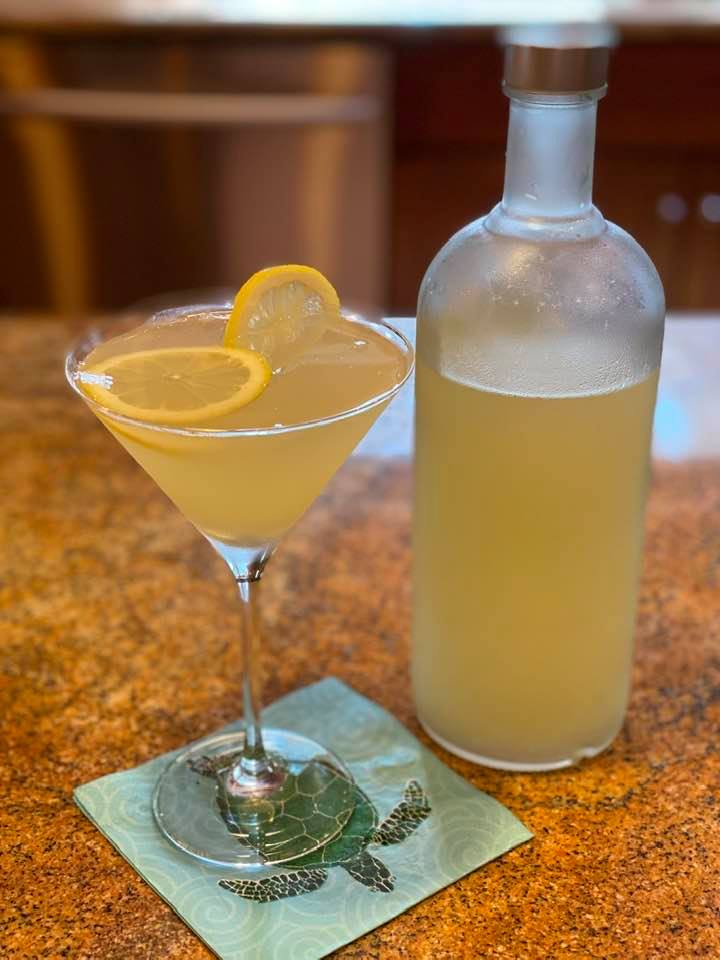
Aside from conducting, Nancia’s friends know her for her sublime “refreshments.” “My martinis are legendary. My Negroni is renowned, you should try one sometime” she said.
Taste, Presentation, and Artistry: Lemon Drop Martini; a proper Manhattan; just a simple spread; Making Limoncello – Images courtesy of Nancia D’Alimonte
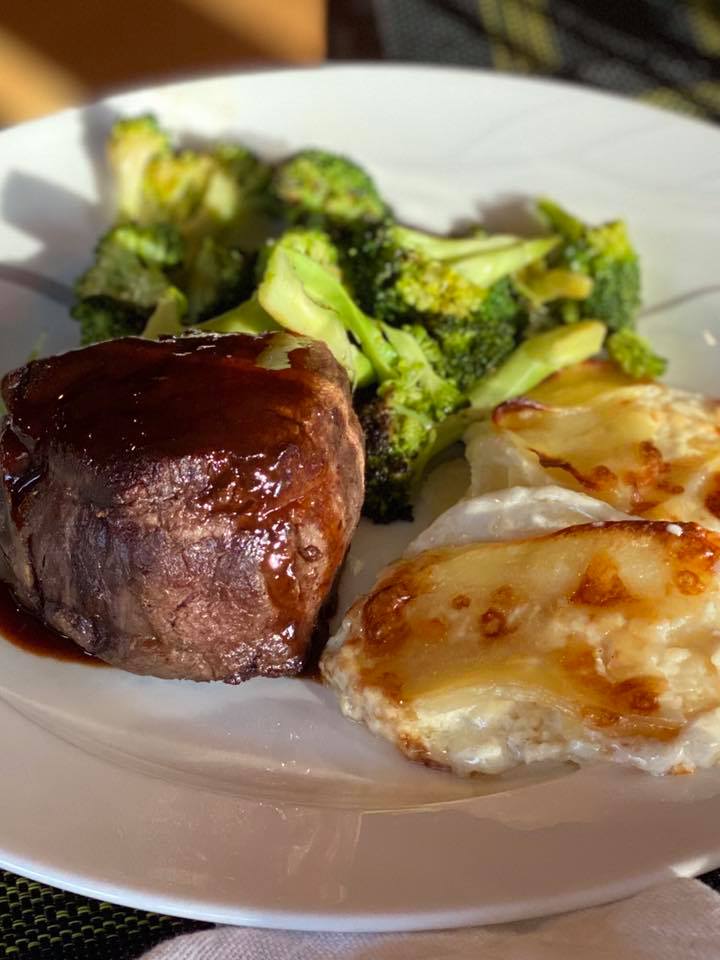
A self-professed “foodie,” Nancia likes to keep her knives sharp even cooking at home. She once made butter from scratch for a special dinner. As in her orchestral conducting, she is precise. Her planning and presentation are meticulous.
Mouthwatering Creations by Nancia – Images courtesy of Nancia D’Alimonte
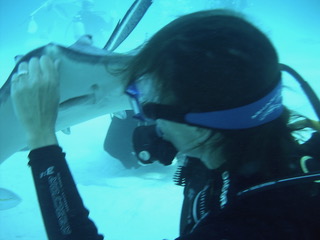
A woman of great passions, Nancia’s world is extensive. From her legendary Negroni martini, to her superb shrimp (and her knives are precisely sharp), to her underwater scuba adventures (where she says is her second favorite place on earth), to her world travels, and of course, to her music, Nancia is infinitely curious and devoted to impeccable excellence. She shares her life and passions with her husband, Giancarlo.
Travel Experiences and Adventures – Images courtesy of Nancia D’Alimonte
Nancia’s “second favorite place on earth” – Images courtesy of Nancia D’Alimonte
Nancia with her husband, Giancarlo D’Alimonte – images courtesy of Nancia D’Alimonte
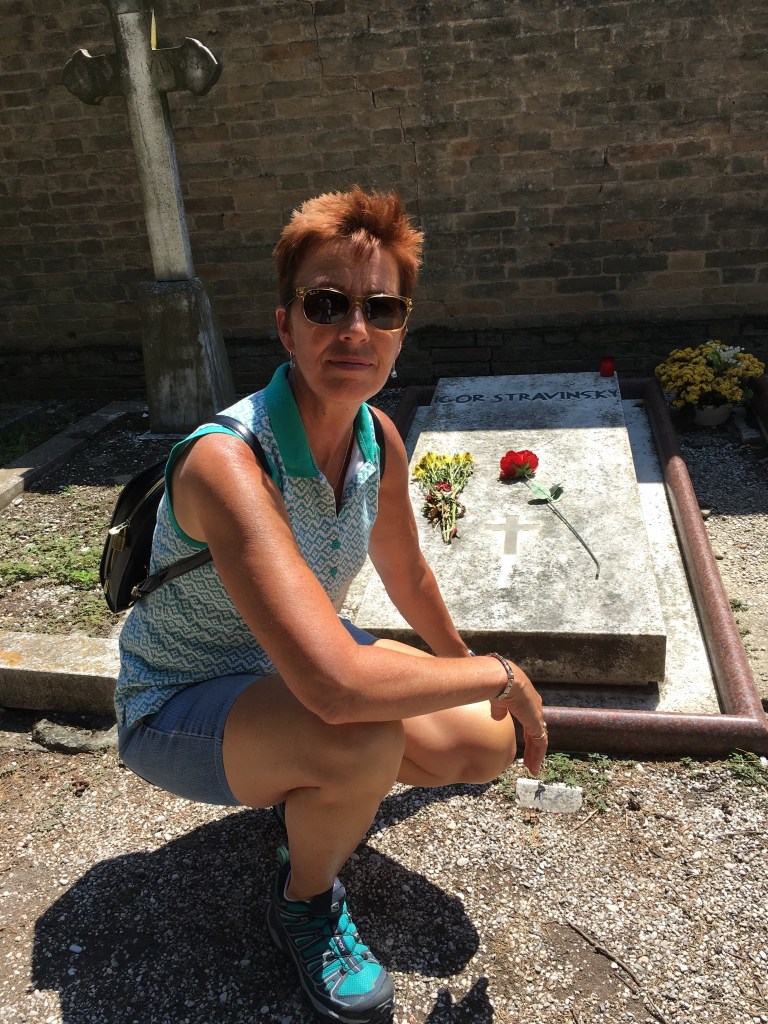
What kind of music does a conductor listen to when not working? “I love a wide variety of music. I love jazz, New Age, World Music, and of course the classics.” She enjoys Brahms, Bartok, and Mozart. The Rite of Spring by Igor Stravinsky and Mahler’s Symphony No. 1 are among her favorites.
Nancia – Authentic; Unstoppable.
“Humbled to be at the foot of Igor Stravinsky’s grave – Venice – Image courtesy of Nancia D’Alimonte
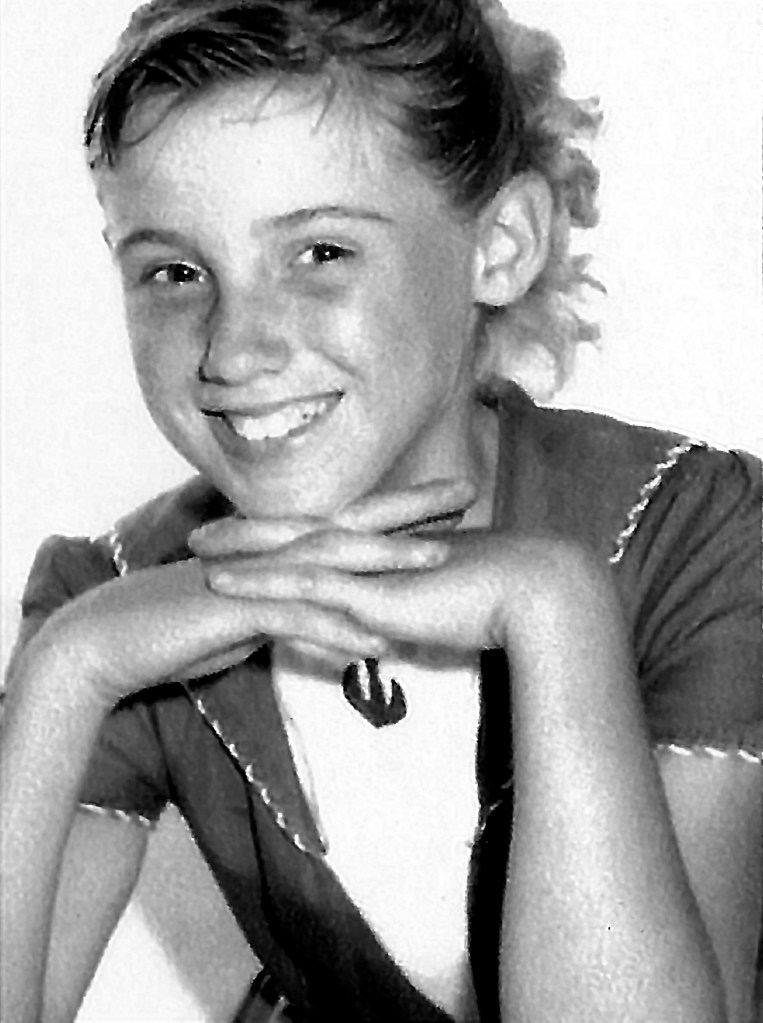
A horse loving girl, Diane Crump. Image courtesy of Mark Shrager and Diane Crump
“’Hey, Bert, there’s a woman jockey riding in the Kentucky Derby this year, first time that’s ever happened. Can you believe it? And her name is Crump. Coincidence, huh?’” Said a squad member to Bert Crump, persuading him to join the others in listening to the Armed Forces Radio broadcast of the Kentucky Derby. Bert was tired from a tough day in the field in Vietnam. “There was only one possible explanation for a woman named Crump riding in the Kentucky Derby and coincidence had nothing to do with it,” says Bert in his recollection of that day. He asked if her first name was Diane. “Yea, that’s her name – Diane Crump, do you know her?” said the man. “It’s my sister!” replied Bert. That was on May 2, 1970. Jockey, Diane Crump made racing history that day. “It was a surreal feeling being in Vietnam . . .while my sister rode in the Kentucky Derby with my buddies cheering her on,” recounts Bert in Mark Shrager’s book, Diane Crump A Horse-Racing Pioneer’s Life in the Saddle.
Cover – Diane Kissing Fathom, her Derby Horse – Image courtesy of Publisher, Lyons Press
An image of the book cover caught my eye while I perused Facebook posts. I quickly returned to the image and learned of the newly published book. Being an insatiable horse girl myself, I had to know more. I remembered the furor of a female jockey in the Kentucky Derby. “What’s the big deal?” I had thought, “As long as they are good to the horse, stay on, and stay out of the way of the other horses, what difference is it if a man or a woman is riding?.”
I had to feature the new book about this remarkable athlete who happened to share my passions for horses, riding, and speed. After some introductory emails, making “friends” with Mark Shrager and Diane Crump on Facebook, and a unique relationship formed. I read the book, underlining important aspects and dog-earing corners of pages. I wrote a first draft.
Dogeared pages
Notes and more notes
I reread the book. This time, I put little sticky arrows on the pages I wanted to cite. “Passion.” “Love of the horse.” “Had to ride.” “Exhilaration of speed.” “She wanted to inhale the atmosphere, to ride, to care for horses, to learn everything about them,” “… yearned for …having dramatic horseback adventures… being with close friends, in a school-free environment, and riding, riding, riding, ”writes Mark. He talks about “Diane’s unstoppable work ethic.”
It is important to understand that certain people are born with an “extra gene” – the gene that makes horses irresistible – their fragrance (some might call it an odor; a stench), their sweat, their breath, their silken hair, their eyelashes, their snorts (and yes, their gas and gut sounds are thrilling), their personalities, and their many “buttons.” This book is about such a woman.
What makes the story in the book special is that Diane’s mother encouraged her to “Follow your dreams.” Jean Crump was her daughter’s biggest advocate. She became Diane’s horse-riding friends’ favorite mother. Many of her friends wished for a mother just like her. What they did not know in their childhood was that Jean was special not only for her nurturing and encouraging her daughter’s horse passion, but for her unwavering trust in her faith and her remarkable dreams that she wrote down and often illustrated in paintings.
On my third reading of the book, it became clear that while this is a story about horse-racing, riding, and a tenacious woman, it is also about a mother’s journey with God, who, trusting through her faith, opened her hand and let her little bird fly. It took tremendous faith to agree to let the 16-year-old Diane travel with a racehorse trainer and live in unfamiliar housing with people she had never met so that she could to continue her horse training and riding journey. Her faith quelled her concerns.
Mark Shrager Image courtesy of Mark Shrager
“How did you happen to select Diane’s story for your book,” I asked Mark. He replied that he had finished his prior book, The Great Sweepstakes of 1877, and was looking to write the next book. He had made many friends on Facebook through his first book .Diane was one of those friends. He told me, “When I realized there had been no books written about her I called and asked whether I might write her biography. I was excited to tell the story of an amazing person who was so much more than just a jockey.”
Diane was ready to tell her story. Diane settled in Virginia. While no longer racing, she is a horse broker. She said, “I wanted to find someone to stick to the principal of what I wanted told. Mark did exactly that.”
Author, Mark Shrager, lives in California. He has been handicapping horse races since his high school days. He is not a rider. His father was adamantly opposed to gambling and horse racing. “I got into handicapping mostly to annoy my father, but I won enough money with which to buy my first car, ” he said. Two people, living on opposite coasts; with different parental experiences; a Christian woman and a Jewish man; happened to share the exact birthdate – 3000 miles apart – Mark in Los Angeles and Diane in Connecticut as their birth state. A writer / handicapper and a jockey, came together to tell a remarkable story.
In speaking with both Mark and Diane, I asked whether the book result was what they had expected. Mark told me, “The happiest part of this process was Diane reading it and telling me, ‘This is exactly what I wanted! Thank you!’” Diane added, “It leaves nothing out without saying too much!”
Diane (second from right) on Bridle ‘n Bit PC: Jim Raftety – Keenland Library Collection Courtesy of Mark Shrager
When you read the book, you will discover that it is packed with thrills, adventures, and against-all-odds finishes. You will learn about a tousle in a match race with an encroaching jockey holding her saddle cloth to slow her horse, and about the incomparable feeling of crossing the finish line first. Mark’s elegant storytelling made my heart beat faster as I imagined the wind in my ears and the sound of thundering hooves upon the track.
It is not often that horse racing and Christian faith turn up in the same sentence, much less in the same book. Like an onion with many layers, the book wraps a child’s heart for a pony; with a will to ride and a love for speed; with a faithful mother (and supportive father and family); with grit, focus, and determination; covered by love and grace.
The little girl who loved horses shattered the bias and presumption that “Racing is too tough for women.” In this book, you will read about how Diane’s love of horses and riding and her focus in spite of protests and objections, sustained her throughout her career. She rode a thousand morning workouts, on a thousand difficult, opinionated thoroughbreds that no one else would ride. “I rode every bad tempered horse …, if they reared up, ran off, if they were stupid, that’s what I got. I had to prove myself over and over again.” She raced in an “Under the microscope atmosphere that no other jockey in history had ever experienced,” writes Mark. She lived her dream and rode in the Kentucky Derby. Diane’s message is about the faith and grace that took her to the heights of her profession and that continue sustain her.
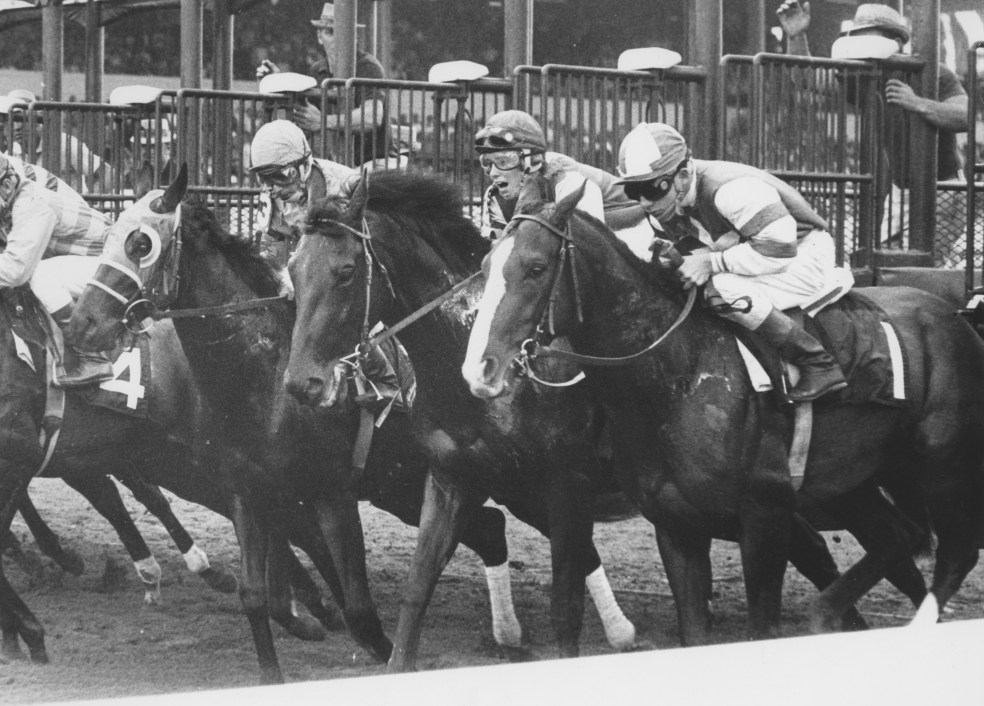
Diane surrounded by guards, nears the Hialeah saddling enclosure before her first race – amid protests of being a female in a man’s sport, “an uppity wannabe.” PC: Jim Raftery – Kennland Library Collection courtesy of Mark ShargerDiane discussing pre-race strategy with trainer Tom Calumet – PC: Jim Raftery – Keenland Library Collection courtesy of Mark Shrager
Mark dedicates the book to “Every female athlete everywhere.” He told me, “What awakened my interest in women athletes was Diane. Learning all she’d gone through to be a jockey led me to recognize that women athletes in many sports were probably encountering the same sorts of prejudice and negativity Diane confronted. Dedicating the book to female athletes was my way of encouraging them to live their dreams and overcome the naysayers, like Diane did.”
Ever the animal lover, Diane hugs her assistants Image courtesy of Diane Crump
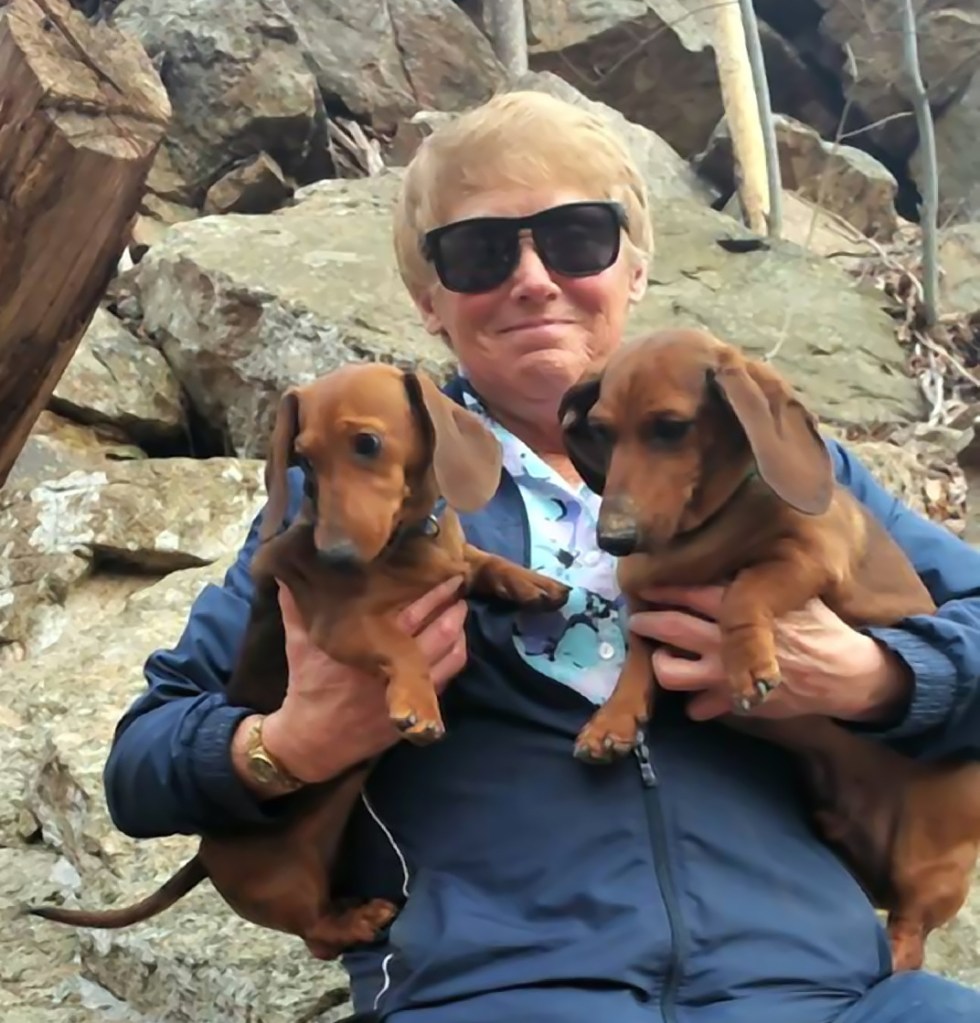
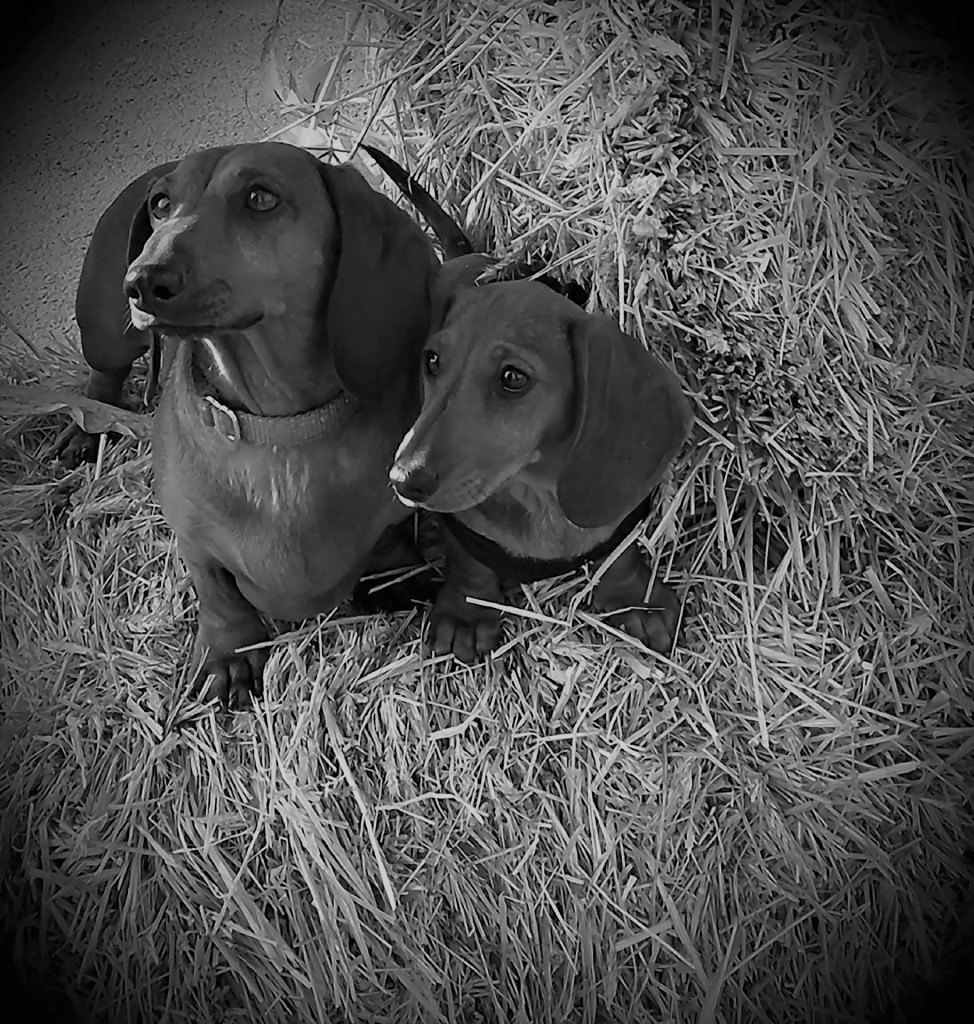
Diane’s dachshunds, Potter and Pippi, help reach people in need image courtesy of Diane Crump
This book is about horse racing. It is about women’s equity. It about a young girl’s determination to learn about horse and to ride them. It is about faith. The message is universal. The book is available in hardback and on Kindle . It is a must read for every parent with a passionate child, every horse-crazed person, for people of faith and for those in search of theirs, and for everyone who loves to root for the underdog.





















 Good News. Reviews. Events.