Bidding is Open -Amazing Adventures and Items Await
The Virginia National Ballet’s online silent auction is now open, offering supporters a wonderful opportunity to help sustain the artistry and discipline that their professional ballet brings to our community.
The auction features a thoughtfully curated collection of items, from fine art and distinctive gifts to memorable experiences, all generously donated by friends and supporters of the company. Each bid contributes directly to the continued work of Virginia National Ballet and the dancers whose performances inspire audiences throughout Northern Virginia.
Silent auctions carry a particular appeal. You can browse, consider, and return again to see where the bidding stands. Sometimes the most delightful discoveries appear just when you least expect them.
If you enjoy the beauty of ballet, the dedication of its artists, and the cultural vitality it brings to our region, please take a moment to explore the offerings and place a bid.
Your participation helps ensure that Virginia National Ballet continues to flourish – both on the stage and within the community that supports it.
You will surely find something that speaks to you. Please join the bidding. Click here to begin your adventure.
I invited a dear friend to join me for another Shakespeare adventure at the movies. Last year it was Macbeth with David Tennant. This year it was Othello with David Harewood and Toby Jones.
When I first read and studied Othello, I found it fascinating and relevant in any society. Iago was a very recognizable character from real life.
Years ago, I shared professional space with someone whose behavior followed that same pattern of whispering, scheming, and quiet manipulation. It was subtle and persistent. It was the kind of influence that works in corners rather than in daylight. Eventually I recognized the pattern for what it was. I plainly told him that he should never apply for any position I might advertise following my next promotion. That experience left me with a clear understanding of the kind of personality Shakespeare presented in Iago. He was not promoted.
Per my usual habit before attending a Shakespeare performance, I refreshed my memory of the play. I confirmed the characters and revisited several key lines. I prepared for full immersion.
I picked up my friend and we drove to the Angelika Film Center. After enduring the usual advertisements and trailers, some of which looked fascinating, the film began.
This production is a stage-to-film presentation from London’s West End. I understand and expect such productions to rely on minimal sets, modernized costuming, and strong performances to carry the play. The first two expectations were met. The third is where this production faltered.
I have since read many responses praising this performance as brilliant, beautiful, and extraordinary. I regret to say that I do not share that opinion.
Because I stream a great deal of classical music, I have noticed that many streaming services flatten the sound to create a continuous listening experience. The dynamics disappear. Quiet passages and crescendos lose their contrast.
My sense of this Othello was much the same.
Throughout the performance I waited for the drama to ignite. Shakespeare’s language was spoken clearly. Recitation alone does not create atmosphere, set a scene, or draw the audience into the tragedy.
Toby Jones delivered Iago’s thousand lines with precision and confidence. His performance felt curiously without emotional force. I saw his lips move. I wanted to see Iago scheme. I wanted to see him whisper. I wanted to watch the quiet manipulation that slowly poisons Othello’s mind. The lines were delivered clearly. They were delivered without the emotional architecture that gave the character his terrifying power. I wanted to dislike Iago and root for Desdemona. I found that I cared about neither.
David Harewood presented a plausible Othello. He was physically convincing as a general and commanding as an authoritarian figure. Desdemona, played by Caitlin FitzGerald, was visually striking and entirely believable as the beautiful object of Othello’s infatuation. The character lacked the humility and innocence that traditionally anchor Desdemona’s role. There was, instead, a noticeable note of modern attitude that felt out of place within Shakespeare’s tragic world.
Venetia Robinson’s Emilia was strong and believable. I sensed that she was trying to carry the magnitude of the play on her shoulders. The remaining roles were competently handled.
When watching theater, I allow myself to be enveloped by the performance. I want to enter the world of the play and remain there until the curtain call.
That did not happen. The experience felt more like looking into minimally decorated Christmas windows where scenes are suggested and not lived. The sense of immersion never arrived.
Without emotional contrast, the play felt flattened.
I admire the discipline required to perform a role as demanding as Iago. Memorizing and delivering that volume of text is no small achievement. Toby Jones deserves recognition for that accomplishment, as does David Harewood for his portrayal of Othello and Venetia Robinson for her compelling Emilia.
Good Shakespeare is not meant to be flattened. His plays breathe through contrast—whispers and outbursts, suspicion and innocence, tenderness and violence.
Those dynamics never appeared. The tragedy remained intact on the page. It did not live on the stage, and certainly not in our theater.
Farewell, Diane. Your Spirit and Determination Live On
Diane discussing pre-race strategy with trainer Tom Calumet – PC: Jim Raftery – Keenland Library Collection courtesy of Mark Shrager
Diane Crump was not an intentional trailblazer. She pursued her passion. That happened to be in the world of the male-dominated 1960s horse racing industry. Who had ever heard of a woman jockey? Today, we all know the name – Diane Crump. She broke barriers not only for horse racing but for women, in general. “Because of women like Diane . . . women became lawyers, physicians, and astronauts. Diane’s efforts unlocked the doors, then we jumped in,” wrote a friend on her social media page. Read our blog about Diane and Mark Shrager’s book,Diane Crump: A Horse-Racing Pioneer’s Life in the Saddle.
In 1970, Diane was the first female jockey to race in the Kentucky Derby. She won 228 races over her nearly 30-year career. She devoted her life to family and healing hearts and spirits in her subsequent 27 years where she created a ministry of hope and comfort with her three dachshunds – Animal Assisted Therapy program. She touched people’s lives wherever she went.
As a horse-crazy girl, Diane was my hero. Her tenacity and forward momentum helped propel women’s goals and professions. She inspired me to believe in my competence throughout my life. She made incredible contributions to our world. We lost the person but her beacon shines on. Rest in peace, Diane.
Memorial services will be held on January 24th from 10 AM to 12 PM at Fishnet Church in Front Royal, Va.
On February 5, 2026, the National Sporting Library & Museum will host a special evening with veteran turf writer Mark Shrager, author of Diane Crump: A Horse-Racing Pioneer’s Life in the Saddle.
The gallery light reflected from a bright white line of the architectural painting on the right side of the gallery wall. I caught that light in the corner of my eye while walking past several closed galleries in the Torpedo Factory in Alexandria, Virginia. As if leading me into the studio, the light guided me to the real work of art where I was fortunate to meet the artist – Tim Davis.
Tim’s studio illuminated art. From fresh beginnings to fully completed pieces available for sale. The piece that brought me in was an architectural image with lines and perspective that guided the viewer down hallways and into rooms. Something about the piece spoke to me and encouraged my curiosity.
Versatility in medium combined with the curiosity of ‘why not,’ presents thoughtful innovation
Tim Davis welcomed me to his gallery and studio. More than even the paintings themselves, he exhibited a kindness, gentleness, and genuine hospitality that captured my spirit. We started a conversation that meandered throughout the studio. He showed me his creative works as well as some works in progress. I observed his brushes, paints, supplies, and a preparatory canvas. I felt as though I was viewing something sacred – the tools of creativity and a man’s spirit.
The more we spoke, the more I wanted to know. I took some photos which, in reflection, capture the ease with which the work and the man flowed. He shared how he repurposed drawers into works of art. He explained that his work is diverse and that he enjoys capturing and disclosing ideas.
The prevailing theme of his work is space and statement. Or is that statement with space? His interiors paintings guide and lead. His paintings of people beckon friendship and collectiveness. While the humans are ‘faceless,’ their energy is palpable. I easily imagined hearing the trumpets, clarinet, and saxophone of the jazz players. They were in mid-measure and immersed in their music.
“In the pocket.” Musicians playing perfectly in time with a strong, locked-in groove.
Asked why he painted his subjects without faces, Tim explained that he wants to bring the soul and spirit of the subject to the viewer to discover the context of narrative. He allows the viewer to project and infer. He told me that, “Blue is hopeful, gold is royal, clear space brings openness and thoughtfulness.”
The artist and the man are one and the same. Tim’s persona is expression through art. He taught art for 38 years. The last school where he taught was Thomas Jefferson School in Alexandria, Virginia. He spent years teaching, inspiring, and giving back to future generations. He shared that his high school art teacher saw something in him and took him “in hand to develop.” Tim is the youngest in his family and the only one to go to college in his family. His instructor saw promise. Tim told me that, “He pushed me to say what I needed to say,”
Golden Faces
Born in Chicago, Tim observed and endured division, separation, and segregation. He explained that Chicago was designed by Mayor Daley into communities – Italian, Polish, Black, Hispanic, and so forth. While very young, Tim instinctively knew, “This is wrong.” This shaped his beliefs and attitude about separation. His art ‘gives voice to the voiceless.’ His figures do not need faces to breathe – they allow their viewers to see with their hearts and experience unity of spirit. His ambition for his art is to bring awareness to the Black community – to become a beacon of art in a large scope – to demonstrate that connectivity is a key to understanding. He brings collectors together because art is important in place and space.
Tim Davis’ credentials are deep both academically and professionally. To capture the full breadth of his credentials, a visit to his website will be worth your time. His exhibitions and accomplishments are extensive. His art resides in collectors’ offices and homes and has been exhibited in prestigious galleries.
Tim Davis standing before his paintings of Oxen Hill Park for his commission for Cedar Hill Regional Medical Center, 2025 – Photo by: Roy Lewis
Davis began his art journey as a sculptor with intentions of working with bronze. He loved working with form and found it more important than realism. Sculpture’s demand for large spaces caused him to evolve to alternative media.
As an instructor, Tim regularly worked in varieties of media from clay to collage, from pastels to oils, from sketching to charcoals, and from 3-D to canvas. He loved the versatility of teaching alternate media to his students. Through this diversity, he has captured and inspired students in art to pursue their media passions.
With his main studio in the Torpedo Factory, he and his work are on constant exhibit to visitors. Asked how he feels about the steady stream of eyes and potential questions, Tim loves the engagement. He explained that some people walk by, others look in the window, and others step inside. He loves visitors to spend some time – whether they just look or engage with him. He told me, “As artists, we hope they just spend a little time here.” As a teacher, he relishes the opportunity to ‘teach and answer questions.”
“The process” described by Tim Davis
Tim generously shared his artistic process with me. He told me that he can look at a blank canvas for days and weeks. He likes to work from photographs that he often captures while sitting in a park or walking along the Potomac River. He looks at colors and shapes. He sketches, then at a moment – he steps into his craft – and becomes enveloped into the flow of his work. He views his research to be key for his process. Trees, water, even people play important roles in his work.
Architectural geometry flows to ideas and expression
The Torpedo Factory is in Old Town Alexandria. The area is rich in American history, and offers endless water, river, and city views. Tim loves to walk along the banks of the Potomac and enjoys many of the area’s good restaurants. He values his time in the environment as rich sources for ideas and inspiration.
Tim Davis is the featured artist at a new exhibition, ‘Conversations,’ at the Fred Schnider Gallery of Art in Arlington Virginia. The opening reception will be on January 10, 2026, from 5:00-8:00 PM. The exhibition runs through February 28.
There is a moment every December when Christmas arrives for me. This year, it was during the 53rd Annual Kennedy Center Messiah Sing-Along, drawn from Handel’s oratorio and brought to life under the baton of Dr. Nancia D’Alimonte, Music Director.
Music Director, Nancia D’Alimonte, delights in performer excellence and audience participation
Nancia’s conducting felt both deeply personal and profoundly communal. She engaged each musician with intention, while simultaneously holding the entire hall in shared purpose. Four choirs, including members of the New Dominion Chorale, Northern Virginia Community Chorus, Thomas Circle Singers, and Vocal Arts of Fairfax joined forces with the Kennedy Center Opera House Orchestra, and a hall of approximately 2,500 singing audience participants.
Nancia wrote on her social media, “Last evening, I conducted the Messiah Sing-Along at the Kennedy Center to a very enthusiastic audience who sang their hearts out! It was an opportunity to bring joy to so many who really needed it . . . and that is what happened – a joyful event! “
This year, I managed to keep my place in the score and sing my alto line. I was certainly not perfect, but I managed to stay faithfully focused. Some passages live in memory. Others still required careful reading and courage. There are always fewer altos than sopranos at a sing-along. There were moments when the alto came in alone. I hoped to hear another alto nearby but trusted the line. The sopranos around us were extraordinary. Their voices soared, bright and fearless. I wondered what it might feel like to have that vocal ability.
Music notation at first felt like a foreign language: dots, lines, measures, rests (I do appreciate consecutive rests). Eventually, I stepped into the music.
My husband sang tenor, as did the gentleman behind us, who began beautifully and gradually shifted into something closer to projection than tone. Afterward, my husband and I shared a laugh about our own voices. My second alto is lower than his tenor. Humor is a necessary part of communal singing. Everyone offers what they have, and somehow it makes a joyful sound.
Soprano, Pamela Simonson ParkerBaritone, Carl DuPontTenor, Allan Palacios Chan and Mezzo soprano, Frances Mitchem-Diago
The soloists were exceptional partners in Nancia’s musical conversation. Each soloist demonstrated artistry anchored in trust. They met Nancia with intelligence, precision, and warmth. Their collaboration lifted us all.
Nancia’s personal journey is remarkable. She holds a Doctor of Musical Arts in Orchestral Conducting from the Eastman School of Music, where she studied with Mendi Rodan. She also holds a Master of Music in horn performance from Ithaca College and studied horn at the Royal Flemish Music Conservatory in Brussels, Belgium. She was a professional horn player with the Oshawa Symphony in Canada.
Nancia recently joined the Board of Directors of the John S. Mulholland Family Foundation, supporting food assistance for the working poor of Washington, D.C. She and her husband, Giancarlo, live in Falls Church. They are avid scuba divers, travelers, cooks, and devoted companions to their delightful moyen poodle, Lupo.
Credentials are not what made the evening extraordinary.
What was most moving was the text. It was the Biblical narrative of promise, struggle, prophecy, and hope that was sung not as performance, but as recognition. Thousands of voices carried it forward: steady, reverent, and joyful.
This is when Christmas arrived for me. It arrived not through decorations or ritual, but through music, meaning, and shared breath.
We left the hall grateful, lifted, and were reminded that Handel still takes us to great heights then gently brings us home in celebration of the meaning of the season.
Virginia National Ballet brought heart, warmth, and brilliant dance to Capital One Hall. PC: Krasi Henkel
Mastery, Restraint, and Courage Silenced the Full House
Having attended countless productions of The Nutcracker, I could live happily without another one. Yet Virginia National Ballet made me reconsider my conviction. I attended this performance because I love these dancers and this company. I arrived not seeking novelty or nostalgia, but prepared to watch for creativity, interpretation, and intention.
What unfolded was a joyful celebration of the art of ballet. Correct, energizing, and clean.
Character interpretation and presentation were classical yet carried subtle twists. I caught myself thinking, “How understated, and how clever . . .” This Nutcracker was offered with nuance and a luxurious license to entertain, without tipping into excess or spectacle for its own sake. Lightness was mastery. From the houseguests to the naughty boys, from the magical uncle to the presented toys, the opening scene was effervescent.
Snow, the etherealscene – photo by Dave Pearson
The sets were creative, economical, and effective. There was just enough and nothing fussy.
Clara’s princess tutu was debuted for this production. From my seat, it evoked spun sugar. Combined with her elegant technique and storytelling, she set the standard for excellence throughout the production.
Princess Clara’s new tutu demonstrates attention to every detail. Photo by Krasi Henkel
From sparkles to snowflakes, the performance delivered masterful artistry, complete storytelling, and thoughtful structure. Nothing lingered too long. Nothing asked for attention it had not earned. What distinguished this production most clearly was courage in choice.
Arabian Scene photo by Dave Pearson
The Arabian scene was performed barefoot – no pointe shoes. That was a new twist in my experience and yet it felt authentic. A singular square of fabric defined the space, evoking a desert tent. Color and costume fused movement with intrigue. The barefooted ballerinas changed the atmosphere of the room. Their freedom from constraint allowed grounded power and presence to take center stage. This was intentional vulnerability.
Spanish Scene Photo by Dave Pearson
That same intelligence appeared throughout the production. A single dancer, Alexa Glomp, performed the Spanish variation on the very large stage. Although petite, she filled the stage with power, artistry, and enthusiasm. Her presence carried the moment.
Trepak scene – Photo by Dave Pearson
The Eastern European influence in costume and of course, music set the Trepak scene. The soloist’s choreography was delightfully modern from gravity-defying leaps to spins, and even a nod to break dancing. It brought freshness to a stereotyped musical score.
Chinese Scene – photo by Dave Pearson
In the spirit of visual economy, the Chinese scene resonated brilliantly with a single brilliant dancer and lovable dragon. The interplay between the two lent humor and whimsy.
Mother Ginger with the gingerbread dancers – Photo by Dave Pearson
No Nutcracker is complete without Mother Ginger. Dressed in shades of ginger, she concealed an army of gingerbread dancers both large and small. The tiny dancers tugged on heartstrings while the larger dancers carried the scene.
Young Clara embraces her “princess” self. Photo by Dave Pearson
I loved that the Sugar Plum Fairy was Clara, as her dream. Her arc transformed her into a princess then returned her to the child who loved her Nutcracker. The pas de deux was effortless and weightless, as it unfolded in a dream. Display for its own sake was absent, allowing the story to remain clear, confident, and complete.
The choreography dignified the company dancers. It matched real bodies and their spectacular abilities. Costumes, movement, sets, and music were integrated with confidence and restraint.
Professional dancers and ballet students harmonized organically. Technique and storytelling were equally respected. Children as mice and soldiers enhanced holiday unity. This is the mark of leadership that serves talent and allows it to flourish.
Snow magically appeared. Photo by Dave Pearson
There were moments when I felt carried away. Suddenly the people behind me stopped rustling paper and kicking my seat. There was a stillness throughout the auditorium. I knew then that this performance was an absolute success.
Stillness means the audience is no longer evaluating, no longer fidgeting; no longer anticipating. It means they were fully inside the experience. On this evening, approximately 1,200 people shared that stillness.
That leadership style was visible at curtain call. When co-founders Rafik Hegab, artistic director and choreographer, and Elysabeth Muscat, Managing Director, came on stage, they first applauded the dancers. Rafik stood to the far side, took a brief bow, and remained focused on the dancers. Ego was absent. Excellence was present. The joy was shared.
I left edified. Nothing had asked me to tolerate it. As spectator, I was invited to participate, intelligently, quietly, and fully.
Following the performance, future ballerinas were warmly greeted by Sierra Stipetich and Alexa Glomp
This Nutcracker was light without being thin, precise without stiffness, joyful without excess. It was designed to carry us through the story and safely return us when the curtain closed.
Princess Clara and her prince. Photo by Dave Pearson
Would I see The Nutcracker again? Theirs? Yes. Always.
The next performance for Virginia National Ballet will be the timeless Swan Lake – March 20, 2026 at Hylton Performing Arts Center and March 28, 2026 at Capital One Hall. An online silent auction will be launched in late January. You will be able to bid on trips, art, tickets, and much more. The auction items will be available at both performance venues. Click here for more information on the auction or for tickets.
Hayley Podschun in Guys and Dolls at Shakespeare Theatre Company. Photo by Teresa Castracane Photography.
Guys and Dolls – the quintessential feel-good play – hopeful, energetic; dynamic. The performance inspired patrons to dance with big smiles on their faces.
From a technical and performance perspective, the play lived up to its Broadway roots. In many ways it surpassed them. On my drive home, I turned on the Broadway cast soundtrack. Accounting for recording and broadcast quality, its energy and enthusiasm did not compete with STC. Well done!
Top left – bottom: The cast of Guys and Dolls at Shakespeare Theatre Company. Photo by Teresa Castracane Photography. Lawrence Redmond, John Syger, Julie Benko, Jimena Flores Sanchez, and Katherine Riddle in Guys and Dolls at Shakespeare Theatre Company. Photo by Teresa Castracane Photography. Calvin McCullough and Kyle Taylor Parker in Guys and Dolls at Shakespeare Theatre Company. Photo by Teresa Castracane Photography. The cast of Guys and Dolls at Shakespeare Theatre Company. Photo by Teresa Castracane Photography.
After months of attending powerful productions at the Shakespeare Theatre Company, I found myself at a Preview that offered something refreshingly different. The company was opening Guys and Dolls at Harman Hall. The beloved American musical is presented here with remarkable vibrancy. I was fortunate to see it before the official opening, catching the energy of a nearly sold-out house. It opened to such acclaim and demand that four additional performances were added.
This is not critique. This is anticipation. This is the excitement building toward what promises to be a joyful and spirited theatrical experience, perfect for the season of hope and joy. The live music set outside the picture windows of the Salvation Army, with the perfectly attired band leader, created the ideal atmosphere for the memorable performance.
The artistic team behind this production is impressive. Director Francesca Zambello, Artistic Director of Washington National Opera, brings operatic sensibilities to Damon Runyon’s stylized world. Choreographer Joshua Bergasse, whose Broadway credits include On the Town, delivers legitimate musical theater dancing that feels both classic and fresh. STC continues to expand its presentation range while maintaining its exacting artistic standards, thanks in great part to the vision of Artistic Director, Simon Godwin.
Top Left to Bottom: Julie Benko in Guys and Dolls at Shakespeare Theatre Company. Photo by Teresa Castracane Photography. Hayley Podschun in Guys and Dolls at Shakespeare Theatre Company. Photo by Teresa Castracane Photography. Nick Alvino, Tommy Gedrich, and the cast of Guys and Dolls at Shakespeare Theatre Company. Photo by Teresa Castracane Photography. The cast of Guys and Dolls
What makes Guys and Dolls endlessly enjoyable is its ‘plausible relatability’ in the world it creates – the gamblers, the nightclubs, the dance scenes, the romance, and the comedic timing that lands perfectly again and again. There are no ‘bad guys.’ Some just had a few ‘bad habits.’ Damon Runyon’s language and characters form a theatrical universe that is playful, distinct, and instantly recognizable. Frank Loesser understood this when he composed the score in 1950. He did not try to naturalize Runyon’s style; he amplified it. He gave it music, and that music carries the story with humor, color, and emotional lift.
Top Left to Bottom Right: Hayley Podschun and Julie Benko in Guys and Dolls at Shakespeare Theatre Company. Photo by Teresa Castracane Photography. Jacob Dickey and Julie Benko in Guys and Dolls at Shakespeare Theatre Company. Photo by Teresa Castracane Photography. Hayley Podschun and Rob Colletti in Guys and Dolls at Shakespeare Theatre Company. Photo by Teresa Castracane Photography. Jacob Dickey and Julie Benko in Guys and Dolls at Shakespeare Theatre Company. Photo by Teresa Castracane Photography.
At Harman Hall, I experienced this world take shape. Sarah Brown was uncompromising, Sky Masterson made impossible bets, Nathan Detroit ran the oldest established permanent floating crap game in New York, and Miss Adelaide developed psychosomatic colds from fourteen years of broken marriage promises. It was all there: the charm, the humor, the rhythm, the dancing, the romance, and the fun. The performance quality of acting, singing, and dancing was exceptional. See for yourself – buy your tickets and make it a holiday event for your family. You too can walk out with a big smile.
Luck be a Lady Tonight – Roll the Dice!
Left: Graciela Rey, Aria Christina Evans, Hayley Podschun, Jessie Peltier, and Jimena Flores Sanchez in Guys and Dolls at Shakespeare Theatre Company. Photo by Teresa Castracane Photography.Right: The cast of Guys and Dolls at Shakespeare Theatre Company. Photo by Teresa Castracane Photography.
So many theater lovers and English majors banter the name Macbeth. Murderer. Usurper. Tyrant. The ambitious thane manipulated by his evil wife into regicide and madness. We think we know the story. Do we?
Let’s unpack this myth and discover the deception.
Jame I of England / James VI of Scotland
Shakespeare was not writing history when he penned Macbeth around 1606. He was writing for his job security. The playwright understood his audience with surgical precision, and his most important audience member had just ascended the English throne three years prior. James VI of Scotland had become James I of England in 1603. Shakespeare needed the new royal patronage. The new Scottish king needed legitimacy on English soil.
The Match Made in Theatrical Heaven
DUNCAN I MACBETH
The Historical Macbeth
Mac Bethad mac Findlaích ruled Scotland from 1040 to 1057. That was seventeen years of stable rule in medieval Scotland. This was unheard of in the Scotland of the 1000’s where kings were routinely murdered, deposed, or challenged. Tyrants did not last seventeen years.
The historical Duncan I bears no resemblance to Shakespeare’s wise, elderly, benevolent king. The real Duncan I was young, weak, and foolishly aggressive. He invaded Macbeth’s territory of Moray in 1040. Macbeth slew him in the of Battle of Pitgaveny near Elgin. Warrior to warrior – an honorable death between combatants rather than the stabbing of an elderly sleeping guest in his bedchamber.
Macbeth possessed legitimate claim to the Scottish throne through his wife, Gruoch, granddaughter of King Kenneth III. Under the tanistry system of Scottish succession, Macbeth’s claim stood as valid as Duncan’s. Arguably stronger.
During his reign, Macbeth made a pilgrimage to Rome in 1050 to meet with the Pope – a pilgrimage possible only by a secure monarch. Chroniclers of the period recorded that he “scattered money like seed to the poor.” A guilt-ridden, paranoid murderer does not leave his kingdom for months to distribute charity abroad. Only a secure, prosperous, pious king would do so at the time.
The real Macbeth wore regal clothes. Shakespeare stripped them off and dressed him in villain’s rags.
Why the Lies?
Follow the money. Follow the power. This is how we uncover truth in any century.
James I needed several things when he took the English throne. He needed legitimacy, as a Scottish king ruling England was hardly popular with English subjects. He needed cultural acceptance. He craved flattery of his royal lineage. And he demanded entertainment that reinforced his divine right to rule.
Shakespeare delivered all of it with the precision of a master.
By making Duncan righteous and murdered, James’s ancestor became the martyred good king whose death must be avenged. By making Macbeth the evil usurper, anyone who would challenge rightful succession became damned by association. By making Banquo noble and prophesied to father a line of kings, Shakespeare flattered James’s other claimed ancestor as the hero whose bloodline fulfilled destiny. By adding witches and supernatural elements, the playwright appealed directly to James’s obsession with witchcraft. The king had written Daemonologie and fancied himself an expert on the subject. And by showing divine punishment for regicide, Shakespeare reinforced James’s claim to rule by divine right.
This was not art. This was propaganda dressed in iambic pentameter. Magnificent propaganda, certainly. Effective beyond measure. Propaganda, nonetheless.
The Matilda Connection
The bloodlines become truly fascinating when we examine how Scottish royal heritage eventually claimed the English throne.
After Macbeth’s death in 1057, Malcolm III assumed the Scottish crown. This is the “Malcolm” who defeats Macbeth in Shakespeare’s play, the son who avenges his father Duncan’s death. Malcolm married Margaret of Wessex, an Anglo-Saxon princess who fled to Scotland after the Norman Conquest of England.
Their daughter, Edith of Scotland, was born around 1080. When Edith married King Henry I of England in 1100, she changed her name to Matilda. The name sounded more Norman, more acceptable, less conspicuously Scottish to English ears.
This Matilda, born Edith, became the crucial bridge between kingdoms. Through her, Duncan’s blood flowed into the English monarchy via Malcolm III. Through her mother Margaret, descended from Alfred the Great, Anglo-Saxon royal blood joined the mixture. Matilda became the convergence point of Scottish and English royal heritage.
Matilda’s daughter, Empress Matilda, fought for England’s throne during the civil war known as the Anarchy. Her descendants became the Plantagenet kings who ruled England for centuries. The bloodline continued its steady march through history.
When Elizabeth I died childless in 1603, James VI of Scotland possessed the strongest claim to the English throne precisely because of these bloodlines. They traced back through the centuries, through Matilda the name-changer, through Margaret of Wessex the refugee princess, through Malcolm III the avenger, through Duncan the historical king Shakespeare would later slander.
James was not merely some Scottish king seizing an English throne. He represented the convergence of Scottish, Anglo-Saxon, and Norman royal blood meeting in one person. His legitimacy ran deep, and he knew it. He needed others to know it as well.
Shakespeare ensured they did.
A Small Digression
The Shakespeare 2020 Project founded by author, Ian Doescher, had a complete syllabus and timeframe for reading. I read and listened fast and thoroughly, then dug deep into historical relevance. I often listened to the plays while walking my dogs along the magnificent trails of parks and paths in my area. When I arrived at my ‘magiclands’ to find them closed due to the dread virus, I ushered the dogs back into their seats in my car and drove non-stop to a closer park. Furious, I decided that NOW was the time to hear Macbeth! Hear it, I did! We walked for the entire reading. When I returned to my book – I read it in its entirety with the readings still ringing in my ears. Yet, the play was enough. It did not send me on a single rabbit trail. I was too mesmerized by the psychological depth to worry about historical veracity. Until now, that it. Why? Nothing terribly intellectual – a short YouTube video addressing the very topic. I was hooked and the rabbit trail led me to rooms and rooms of pre-1000’s Scottish, English, and Norman history to the assertion of the throne by Macbeth.
What happened to King Macbeth? He was killed at the Battle of Lumphananby Malcolm Canmore (later Malcolm III), son of Duncan I.
Why has Macbeth been an ill-fated play – sets fell, and actors died then theatrically referred to as simply “that Scottish Play?” Marginalizing and demonizing a past king? Lincoln quoted lines from Macbeth, “Out, out brief candle…” following the fall of Richmond on April 9, 1865. On April 15, 1865, SIX days later, he was assassinated by John Wilkes Booth who had played the title role in Boston two years earlier. Exactly who assassinated Lincoln? Booth or Macbeth? Where is Macbeth’s reach?
Perhaps we should view all historical narratives with a skeptical eye. Whether from 1606 or from 2025, those who write the story control what becomes truth. Those who flatter power shape how the past is remembered.
The Lesson
I love Shakespeare for his poetry, his psychological insight, his timeless exploration of ambition, guilt, and the human condition. He was a genius wordsmith. In reality – he was a businessman, a survivor, a man who understood power and how to serve it while appearing to entertain.
Macbeth is splendid theater. The poetry soars across centuries. Lady Macbeth’s guilt, the dagger speech, “tomorrow and tomorrow and tomorrow” are extraordinary achievements in dramatic writing. The play deserves its place in the canon.
History? Not close.
The real Macbeth deserves better than four centuries of slander. He ruled well. He ruled long. He had legitimate claim to his throne. He was pious enough to pilgrimage to Rome and generous enough to scatter money to the poor. History should remember him as he was, not as Shakespeare portrayed him.
Politicians make promises. Playwrights craft myths. The winner writes history. The powerful control narratives.
Whether the emperor wears clothes or stands naked before us depends entirely on who holds the pen.
The Loudoun Fairfax Hunt “opening meet” on November 2 marked the official start of the fox hunting season. A “stirrup cup” to toast to the season welcomed riders and all guests. The meet was held at Overbrook Farm, the club’s hunt property, in Hamilton, Virginia.
Steffanie Burgevin Serves A stirrup cup Jon Henkel serving with Paul’s tray Bervely Dickerson serves apple cider
Fox hunting on horseback is a heart-racing, sport where good riding skills and instincts are key. The goals of the hunt club are camaraderie, sport, and the preservation of open land. The goal is not to kill the fox but to view it. A good view feeds week-long conversations, stories, and delight.
L: A whipper in ready at the position, Center:Kate Dendinger and Rita Caseman, R: Lawrence T. Dale, MFH and Mrs. Carroll Galvin (Nadine)
The pageantry is poetic, but the autumnal landscape takes one’s breath away. There Is nothing more delightful and invigorating than riding along a ridge engulfed in autumn color and feeling the brisk fall air across the cheeks.
Turnout is an important part in the pageantry of Opening meet – MFH Carroll Galvin’s Horse is study in refined braiding and turnout
The horses were cleaned, bathed, clipped, and braided to be at their absolute show best. They understand and feel the excitement. They too, have friends in the hunt field. It is not uncommon to hear stablemates call for each other when they separate.
Stirrup cups of sherry, whiskey, port, and apple cider were served on elegant wood trays crafted by Master Paul Ritsema. Beyond tradition, the stirrup cup gives just the right warmth and ‘confidence’ with which to commence the ride.
Lining up five horses with ears forward is a challenge – the rider-horse connection works miracles
The hunt protocol is simple – good manners, proper dress, well behaved horses. The members of the hunt and their guests dressed in “formal attire” – gentlemen who are members with “colors” wore scarlet coats and the ladies with colors wear black or navy blue. Color members reflect their club affiliation by the ‘colors: on the collars of their coats. The Loudoun Fairfax colors are yellow/gold. Coats display the club’s buttons. With LH monogramed.
Master of the Hunt: top L: Paul Ritsema. top C: Michael Harper. R: Mary Sell. Bottom: Dr. Carroll Galvin
Members who do not have colors wear black. Breeches are buff, beige, or canary. Of course, proper safety helmets are a must. The tall black dress boots are polished to a gleam. Showing wear on boots denotes avid hunting but polished and clean.
The attire and horse turn out are not only for show, but to honor and respect the landowners who permit the sport on their farms. Having 20-40 horses gallop on one’s farm is a big deal for which the hunt is grateful and very respectful.
Larry Campbell Brooke Rogers Hannah Rogers
Fox hunting is a centuries old English sport that is steeped in tradition and protocol. Proper manners, proper ‘turnout” for both horse and human are expected. Tradition dictates clean and simple, in every aspect. Besides attire, horse tack and equipment consists of plain flat brown bridles, martingales, simple saddles, well fitted saddle pads, laced leather reins (although progress in technology has loosened this). The simplicity of design also helps in the cleaning of mud-caked tack after a rigorous hunt.
A great hunt horse will be relaxed, calm, and attentive as demonstrated by Paul Ritsema’s relaxed mount, Twins – Heather and Lisa’s horses who accommodated hugs and photos; Carrol Galvin’s horse who took the cast off in stride.
To be deemed a hunt horse, a horse has been trained to professional standards for obedience (HALT is the foremost order), agility, respecting the hounds and giving them priority – never kicking. In addition, the hunt horse must have strength and stamina to comfortably go for up to four hours. Some days the hunting is slow, others days, the fox give good sport that everyone rips through the countryside. Even on the fast days, there is order and decorum. Once they are credible hunters, the training continues with reinforcement. We ride animals of prey, creatures with a flight instinct. Our calm leadership builds their trust which keeps us safe, most of the time.
Having hunted the beautiful Loudoun territory for nearly 20 years, I write from experience albeit a bit wistfully. To be able to fully enjoy the sport of fox hunting, a steady, responsive horse is necessary. I had the privilege of having the golden horse who learned hunting quickly and was remarkably adept and obedient. At a downhill gallop, there is no time to negotiate with a horse. When she passed away, try as I might to find another suitable mount I repeatedly wound up with and collected dressage horses. After the third one, I determined that it was a message to stop hunting.
The Hilltoppers follow Master David Moyes in front of the Overbrook Club House
Master (MFH) David Moyes welcomed the riders and asked Huntsman, Jeff Woodall, to ready the hounds. Dr. Carroll Galvin, MFH, expressed gratitude to the landowners for their generosity.
Members relax after the morning’s ride, sharing stories and laughter over the Hunt Breakfast at Overbrook Farm.Top R: Dr. Kathy Stern and Lawrence T. Dale, MFH; Middle L: Twins Heather and Lisa; Paul Ritsema, MFH and Grill Master; Rita Caseman and Steffanie Burevin; L; Master Lawrernce T. Dale; Bottom Row: David Moyes, MFH (profile); Old hunting buddies – Krasi Henkel and Joseph Keusch
The warm temperature made scenting difficult for the hounds and the riders returned after a few hours of sport to enjoy an opulent hunt breakfast and camaraderie. The horses were watered and comfortably eating hay in their trailers while the riders happily retold their riding and fox-viewing adventures.
Russell Shifflet and Andrew Camp receive their Colors from the Master of Loudoun Fairfax Hunt in recognition of service to the Loudoun Fairfax Hunt.
At the Hunt Breakfast, two industrious and generous members were awarded their Colors. Russell Shifflet and Andrew Camp were recognized for their tireless work on helping clear trails and jumps, helping with social events, and working on the Hunter Pace, the Point-to-Point races and at the Hound Show. Getting one’s colors is a significant milestone in one’s fox hunting career. As Color Members, the gentlemen will sport scarlet coats with the club colors on their collars as well as the buttons of their coats will be engraved with the club’s initials. It is indeed a high honor and well deserved. As in all social clubs, it takes everyone’s contribution to reach success.
The beauty of the hunt club is that whether one rides or not, the social gatherings and friendships do not disappear. The 2025/26 season opened on a brilliant November morning. There will be a subsequent hunt for the Blessing of the Hounds, and a Hunt Ball will be held at the Birkby House before Christmas.
Rows of trailers
Have you dreamed of riding with the hunt? There are many ways you can accomplish that if you already ride well. A call to the Masters for permission to ride might be all that is needed. If you are a beginner, there are outstanding training facilities for you and your horse. My advice: do not risk being hurt if you are not a secure rider, and your horse is not up to the job.
Though my hunting days are behind me, my heart still leaps at the sound of the horn and the sight of the field setting off into the morning mist.
The stars of the hunt: the hardworking, obedient, and lovable hounds of the Loudoun Fairfax Hunt
Hounds go out on Fridays and Sundays. We encourage juniors and guests to join us and experience the thrill of our sport. We are always happy to see new faces in the hunt field! Information on capping can be found here.
Alpine Lodge, Thoughtfully Wrapped – A Christmas Shopping Experience
There are few things more satisfying than finishing your holiday shopping early—especially when the experience itself feels like a gift.
On October 29, I attended the press preview of A New View’s 2025 Christmas Shop in Ashburn. While parking, I caught sight of owner and creative genius, Kim Harris, putting the finishing touches on the ‘chairlift.‘ Today, I returned for the official opening. I left with my holiday shopping and wrapping complete.
Magical treasures capture the imagination – from whimsical hedgehogs to elegant tableware
Kim has once again transformed her furniture and gift boutique into winter’s magicland. This year the magic unfolds at an “Alpine Lodge.” Skis and snowshoes lean casually near a bay window where snow swirls outside. A tall tree glimmers nearby, dressed in emblems and patches from local ski areas—a nod to the season’s adventures and the spirit of home. The theme is subtle and sophisticated, never overwhelming; it speaks to anyone who appreciates creative craftsmanship, beauty, and warmth, whether they have ever set foot on a ski slope.
The Reading Room – where children’s storytime will be held in the coming weeks.
The ‘reading room’ complete with cozy leather chairs throws, and shelves was brimming with one-of-a-kind items imagines, designed and made by Kim. To leave the room was a challenge. I returned several more times.
Sparkle, lights, and brilliant ideas shine bright on every surface and in every corner
Inside, the experience was calm as freshly fallen snow—joyous, thoughtful, and unhurried. Soft music, gentle fragrance, and smiling staff invite you to browse with intention. I carried my list of friends and family, creating “packages” one by one. As each was completed, a member of the sales staff labeled it with the recipient’s name for Kim’s signature TLC wrapping. Fourteen packages in all—each personal, handmade, and completely unique.
L: Kim touches up the ‘chairlift.’ Center: Laine extends warm welcomes R. Wall art is ‘crystalized’ for just the right effect.
Watching Kim in action is to witness a creative force of nature. She is Santa and all the elves in one, with a touch of Snow White’s dwarfs for good measure—industrious, joyful, tireless, and always humming with purpose. Every garland, every candle, every perfectly placed ornament carries her unmistakable energy.
Walking to my car, grateful and thrilled with my early accomplishment, I suddenly realized that I had missed a friend. Good that I checked the list twice. I returned to the shop. Within minutes, we had assembled the perfect package to brighten senses and bring cheer. A New View: resourceful, gracious, and always ready to make your day a little more beautiful.
An old green door has been repurposed as a Christmas tree
Among the treasures that caught my eye was a caned French armchair. It was graceful, timeless, and impossible to forget. My mind was reeling with ways to make it work in my home. Alas, caning and cats are a mismatch. Instead, I wished it to someone who will cherish it as much as I admired it. That, too, is the spirit of the season—finding joy in beauty, even when it is meant for someone else.
The custom ‘chairlift’ garden bench.
My holiday shopping drama is over before it begins. Beautiful and unique items. Incredible displays. Fabulous people. I hated to leave. Leave I did, before more items beguiled me.
Kim will start planning, collecting, and designing Christmas 2026 on New Year’s Day!. Sleep? Not for the creative minds. I can sleep now that my shopping is done.
A New View Home Décor 20800 Ashburn Road • Ashburn, VA 20147 703-852-0204 • newviewashburn@gmail.com Follow @anewviewashburn for a glimpse of the 2025 Alpine magic.
Ibsen’s Rarest Masterpiece Flies Through Moral Fog
Robert Stanton as Håkon Werle and Mahira Kakkar as Mrs Sørby in The Wild Duck. Photo by Hollis King
Looking for the garage exit elevator into Klein Theatre last Thursday evening, I met Angela Lee Gieras, Executive Director of Shakespeare Theatre Company, She accompanied me in the correct elevator to the main lobby where she introduced me to Artistic Director Simon Godwin. Shaking my hand, he offered quiet advice that stirred my curiosity, “This might be the only and last time you will see this play in our lifetime.”
That alone should compel you to see Henrik Ibsen’s The Wild Duck before it closes November 16.
Unique and Complex
Henrik Ibsen (1828-1906), often called “the father of modern drama” and three-time Nobel Prize nominee, built his reputation on explosive social critiques—A Doll’s House, Ghosts, An Enemy of the People—plays that attacked the hypocrisies of 19th-century society. In The Wild Duck, considered by many to be his finest work, he turns his sharp eye inward. Here, he draws from his privileged Norwegian family. Ibsen created Gregers Werle, the idealistic crusader determined to expose truth at any cost. This was inspired by members of his own patrician class. He named his young duck-loving heroine, Hedvig, the same name as his grandmother.
The play is complex. Understanding the author’s circumstances, background, and character, helps hold the ‘color’ of the play. In The Wild Duck, Ibsen was not attacking society’s lies. He was attacking the idealism of his family and overeager reformers. The question is not whether we should seek truth, but whether forcing truth on others is salvation or destruction. That moral ambiguity is perhaps, why this masterpiece has been performed so rarely.
L. Alexander Hurt as Gregers Werle, Robert Stanton as Håkon Werle in The Wild Duck. Photo by Hollis King. R. Alexander Hurt as Gregers Werle, Nick Westrate as Hjalmar Ekdal in The Wild Duck. Photo by Gerry Goodstein.
Nothing Is As It Seems
Simon Godwin’s production, adapted by David Eldridge, opens with Victorian elegance—men in tails, ladies in ornate gowns, an elaborate dinner party. The set is bathed in shades of green. A small, grey-bearded man vanishes through a green door then reappears. He resembled a quintessential leprechaun though the play is set in Norway. He is the disgraced nature-loving Lieutenant who raises then hunts and shoots rabbits in his son’s loft. His son has embarked on a mission to restore his father’s honor.
The production is punctuated by haunting musical interludes—Alexander Sovronsky performs arrangements of 19th-century Norwegian folk and classical music on viola, Hardanger fiddle, and langeleik. Like the narrators in Shakespeare’s plays, the music shifts between melodic reflection and foreboding darkness, guiding us through the play’s emotional terrain.
As Godwin notes in the program, Ibsen is asking something far more dangerous than honor: “In the battle for moral certainty, who is the casualty? What is the price of truth?”
L. Melanie Field as Gina Ekdal Center: Maaike Laanstra-Corn as Hedvig R. Maaike Laanstra-Corn as Hedvig, Melanie Field as Gina Ekdal in The Wild Duck. Photos by Gerry Goodstein.
The Typhoid Mary of Idealism
The wealthy idealist, Gregers Werle, ‘knows’ what is best for everyone. He spreads his convictions like contagion—what I describe as ‘Typhoid Mary’ in Victorian tails – delusional in his certainty that he is saving everyone by forcing them to face “truth.”
Ibsen was intimately familiar with this character. Ibsen belonged to Norway’s patrician elite, and The Wild Duck draws from his own family’s dynamics as they navigated the evolution of society. Gregers embodies the dangers of Ibsen’s own class—reformers who wield truth as a weapon.
What happens when someone appoints themselves the arbiter of others’ honesty? When does truth-telling become destruction? The answers are not simple. This is perhaps, why this play has been performed so rarely.
L: Alexander Hurt as Gregers Werle Photo by Hollis King Center: Alexander Hurt as Gregers Werle, Nick Westrate as Hjalmar Ekdal Photo by Gerry Goodstein R: Maaike Laanstra-Corn as Hedvig, Melanie Field as Gina Ekdal, Alexander Hurt as Gregers Werle Photo by Hollis King
Mental Gymnastics Required
The Wild Duck demands the audience’s full attention for which they are rewarded. Nick Westrate (recently in STC’s Frankenstein) and Melanie Field (the heartbreaking Sonya in STC’s Uncle Vanya) lead a flawless ensemble. Maaike Laanstra-Corn’s Hedvig, the young duck-loving girl, caught in the adults’ web of lies, delivers a performance that lingers long after the stage goes dark. The 26-year-old Washington, DC native and Brown University graduate is an artist to watch.
I felt like a voyeur and a gossip throughout the play. I was the voyeur at that dinner party, wondering what came next. Then a gossip, observing the Ekdal household. It felt like I was overhearing through a parlor wall. It felt intimate, forbidden, yet addictive. I was inside their home, yet uninvited. My real estate mind went into calculation mode of the Ekdal house – how many rooms, how many square feet, how much were they asking for the rent of their spare room?
The audience was silent. No one even cleared their throat. When the lights dimmed, and the play ended, the audience stood up in unison, applauding politely. The applause was respectful, reverent, and slightly haunted. We were processing.
L: Nick Westrate as Hjalmar Ekdal, Maaike Laanstra-Corn as Hedvig – Photo by Hollis King. L: Melanie Field as Gina Ekdal, Nick Westrate as Hjalmar Ekdal – Photo by Gerry Goodstein
Why You Should Go
The Wild Duck is not a feel-good play. It is a feel-smart play. If you want to wrestle with questions about truth and delusion that feel urgently relevant in 2025, when crusaders of all stripes claim absolute certainty about what is best for everyone—this is your play.
What makes this play essential is Ibsen’s unprecedented psychological depth and intricacy of character. He peels back layers of late 19th-century culture and morals with surgical precision, revealing not just what people said, but what they believed, feared, and concealed. Anton Chekhov, who considered Ibsen his favorite writer, adopted this pioneering focus on psychological realism—the exploration of ordinary lives with extraordinary depth. Chekhov developed his own distinctive style with greater emphasis on subtext and naturalistic dialogue, but the foundation was Ibsen’s radical insistence that theatre could reveal the human psyche with the intuition of a psychological case study.
If you were moved by Melanie Field’s Sonya in Uncle Vanya earlier this season, then you will appreciate the direct inspiration from Ibsen to Chekhov being honored by the Shakespeare Theater Company. Both playwrights understood that the most profound dramas unfold not in grand gestures, but in the quiet devastation of people confronting uncomfortable truths about themselves and the society that shaped them.
Ibsen meticulously controlled how his work was interpreted; writing detailed instructions to directors for The Wild Duck productions. This most personal of his plays deserves to be seen with the care Godwin has brought to it, even if just once. After exploring Ibsen’s background for this blog, I find myself compelled to return—to see with new eyes what I missed the first time, armed now with understanding of what the playwright was truly after.
L: Maaike Laanstra-Corn as Hedvig -Photo by Hollis King R: Maaike Laanstra-Corn as Hedvig, David Patrick Kelly as Old Ekdal, Nick Westrate as Hjalmar Ekdal, Melanie Field as Gina Ekdal, Alexander Hurt as Gregers Werle – Photo by Gerry Goodstein
Excerpt from Image No. 6. Romeo and Juliet. Act 5. Scene 3. Painted by Mr. Northcote, R.A.
Before the play, Julius X, started I spent the early evening viewing the latest Folger Shakespeare Library exhibition, Imagining Shakespeare: Mythmaking and Storytelling in the Regency Era. I realized that different artists perceive the same Shakespeare scenes in wildly different facets. At the entrance to the exhibit, I was greeted by Henry Fuseli’s witches from 1793, complete with dramatic robes and theatrical setting, juxtaposed with Artist Fellow Elise Ansel’s 2024 abstract interpretation of that same scene, where the witches dissolve into swirling brushstrokes of orange, white, and red against deep black.
Same story. Different worlds.
The Boydell Collection: Shakespeare as Blockbuster
Walking past modernism, I was greeted with Regency Era historical heavyweights. The fourteen canvases now hanging at the Folger come from the Boydell Shakespeare Gallery—the 18th century’s attempt at a Shakespeare cinematic universe. John Boydell and his nephew Josiah opened this fashionable London gallery in 1789, amassing 173 paintings (almost half of them life-size) by 35 different artists. Think of it as the Metropolitan Museum meets a Shakespeare theme park.
Only about one third of these paintings survive today. The Folger has the largest remaining collection. When seen together for the first time since 1805, one realizes that these were not simply illustrations. They were storytelling on a grand scale.
The artists read like a who’s who of British painting: Robert Smirke (32 paintings), William Hamilton, Richard Westall, Francis Wheatley, George Romney, James Northcote, and Julius Ibbetson. Each brought their own style to Shakespeare’s words, sharing a common vision: make the drama leap off the page and into visual space.
When Witches Get a Modern Makeover
Artist Fellows “…tease out the threads connecting the early modern world to our lives today.” Above, Henry Fuseli’s Macbeth Consulting the Vision of the Armed Head (1793) has been reinterpreted by Artist Fellow, Elise Ansel with color, light, and shape.
Fast-forward to today where Folger Artist Fellow Elise Ansel takes on the same Macbeth witches that Fuseli painted in 1793. Instead of recognizable figures in a dark landscape, she renders visual energy—what she calls “graceful, wavelike brushstrokes, echoed in watts of gold.”
In her piece The Nature of Witches, abstract shapes suggest bodies without defining them. In Untying the Winds, the witches become more elemental—muted swirls that might “untie” the winds from Macbeth. The gray brushstrokes feel darker, more aggressive, as if the painting itself embodies the storm building in the play.
Where Fuseli’s witches are frightening and haggish (as Shakespeare wrote them), Ansel transforms them into something more ambiguous. They are powerful, fluid, almost beautiful in their danger.
What Makes Old Master Paintings “Old Master?”
I noticed, as noted, when standing in front of the Boydell paintings that they were created by men for men. That is not a value judgment. This was the art world of the early 19th C. The subjects, the perspectives, the portrayal of women reflected a specific and limited viewpoint.
In her contemporary pieces, Ansel deliberately disrupts the male thesis. By using color and abstraction in what she calls “open-ended visual languages,” she creates “new ways of looking and engaging for modern viewers.” She is not replacing the original stories. She is showing us different angles, different emotional temperatures.
Like hearing a jazz musician interpret a classical piece, the original composition remains; suddenly revealing notes and rhythms never before noticed. One such piece: Beethoven’s Für Elise as updated and performed by jazz pianist, Chick Corea in 1993.
Looking at the Paintings
The Folger stays true to the original Boydell Shakespeare Gallery tradition by providing visitors free booklets listing each painting denoted with a number. Further in the booklet, the paintings are described by play title, act and scene, a description of the scene’s events, the artist’s name, and excerpts from the play’s text.
In the gallery, I was on my own to view, search and interpret. Without immediate instructional labels, the exhibition affords space for interpretation while the booklet affords greater depth, if desired. Standing before the massive canvas of the awakening woman in white, I felt the folly of the deception and ignorance of the friar. When you look, you can recognize your feelings and reactions to the play. Having deep-seated conflict about that play, I first saw deception then agony. What you see will depend on your attitude.
Digging further into the context of the paintings, I opened the booklet to learn about the artist, the play, and the scene. Who painted this? When? What was happening in their world? How did knowing that painting No.10 was from King Lear affect my view? I did not need the booklet to tell me. I also did not need the booklet for painting No. 8. However, painting No.1 could have been any one of Shakespeare’s female characters dressed in men’s clothing. Painting No. 14 is not a play scene; it is a semi-deification of the Bard himself.
From British Imperialism to You
There is truth embedded in these beautiful paintings. By the time the Boydell Gallery closed in 1805, Shakespeare had become “The Bard.” He was no longer a brilliant playwright, but “a larger-than-life symbol of British imperialism and economic power.” These paintings were not simply representational art. They were essentially cultural propaganda.
Two hundred twenty years later, we appreciate the artistry while acknowledging the intent. Shakespeare’s words have always been interpreted through the lens of whoever is doing the looking—whether that is a Royal Academy painter in 1790 or a contemporary Artist Fellow in 2025.
The Contemporary Conversation Continues
The Folger’s Artist Fellowship program ensures that this conversation does not stop with historical canvases. Current Fellows like Elise Ansel join Missy Dunaway, Dominick Porras, Mandy Cano Villalobos, and Alexander D’Agostino create art works “…grounded in research on the stories, art, and objects in our collection,” per the introductory statement.
These artists are not merely making art about Shakespeare. They are using the collection as a springboard to explore how art and literature shape each other; how visual language can expand or challenge written words, how what we see influences what we think we know.
Come See for Yourself
These are not paintings you can experience on a screen. You should stand before them and feel their scale, see the brushwork up close, and notice details that disappear in photographs: how light plays across Ansel’s textured surfaces, the depth of detail and scope of the Boydell canvases, designed to overwhelm and impress.
The 14 Boydell paintings are now permanent residents at the Folger. The contemporary art rotates with each fellowship. Both are free to visit. Both will make you think about Shakespeare in ways you have not before.
Next time you are near Capitol Hill, visit the collection. Spend some time with witches old and new. See what happens when you allow visual artists to have their say about those famous words.
Shakespeare wrote for theater—a visual, physical space where words created the story. These artists are continuing that tradition, reminding us that these plays are as much visual as they are heard.
The Contemporary Art at the Folger exhibition featuring Elise Ansel runs October 3–November 9, 2025. The Boydell Shakespeare Gallery paintings are on permanent display. The Folger Shakespeare Library is located on Capitol Hill in Washington, DC, and admission is free.
Julius X was born from rejection. When Al Letson was not cast as Mark Antony in a Julius Caesar production because of race, he decided, “Screw it, I’m going to write my own.” This was not bravado. It was love. He had fallen for Mark Antony’s speech in 10th grade and read Malcolm X’s autobiography in 7th. Both stayed with him. Years later, he realized Julius Caesar’s arc fit almost perfectly with Malcolm X’s life. This is how a dyslexic kid who learned to read through comics, a flight attendant who competed in poetry slams across America, an award-winning journalist and Shakespearean, spent over two years creating what is now playing at the Folger Theatre through October 26. I discovered Al Letson through Julius X.
Julius Caesar by William Shakespeare is a popular high school literature topic. How it is studied and how Shakespeare is presented often affects students for a lifetime. In Letson’s case, Caesar spoke to him. To others, it was just something to get through to close a chapter on high school English. I too studied Julius Caesar in high school. After my beloved Shakespeare teacher’s drowning the prior summer, I was uninspired to seriously pursue the play, and my new teacher was marking time. All was not lost for me. I read Shakespeare’s entire canon in five months in honor of my inspirational teacher’s 50th anniversary of his drowning and published a blog about him and Shakespeare. That blog remains the most read of all of my blogs. Julius Caesar was, of course, reread. This time with real interest.
In preparing to see Julius X, I opened my books once again. Marjorie Garber’s essay in her book, Shakespeare After All, and Paul Cantor’s Shakespeare and Politics lectures on YouTube helped me prepare. I then researched the life of Malcolm X. As a child, I remember hearing my parents discussing his assassination on the day it happened. The parallels between the two men are remarkable. Yes, they were different, however, their passion, their vision, and their boldness are indisputable.
Al Letson so aptly married the two tragic heroes by meeting their arcs, their mission, their loyalty, and their fire. Having prepared, I was happy to feel like a participant rather than a spectator. I felt the rhythm of the verses, the drive of the characters, the commitment to community of the friends, and the loving fear of the wives. Sitting close to the stage, I saw facial expressions shift with each revelation – what performers call rubber faces, the ability to communicate entire thoughts through the smallest movement. The wives were remarkable: Julius’s wife in her impeccable teal suit with braid detailing, Portia animated and desperate, both showing love and intuition that their husbands would not, could not, hear. Julius X is fast paced. There is no time to wallow or worry. Things happen quickly, and while the interpretation is impressive and surprising, being prepared was key to my Julius X journey. I was enthralled rather than bewildered.
Harlem of the 1960s was not Rome. Rome was regal, authoritative, imperial. But Harlem was home—brownstones and street corners, community and belonging. Its residents cannot live in Harlem without loving it. Harlem was Malcolm X’s ‘Rome.’ It was intimate, not monumental. It was his world. He had a burning passion. He wanted more for himself, his family, and his people. A militant who reconsidered his path but never abandoned his passion posed a threat to his supporters. The key? Ambition.
Caesar is a pivotal character. He has been compared to Alexander the Great by Plutarch in his biographies, Parallel Lives, in approximately 110 AD, to being featured by Shakespeare in the Tragedy of Julius Caesar in 1599, to being analyzed by Paul Cantor in the 21st century, juxtaposing him between Coriolanus and Antony and Cleopatra, and now, to being reimagined as Julius X by Letson in the 2020s. Almost 2000 years have passed. There is nothing new under the sun. Ambition is considered threatening by those with opposing vision or small thinking.
Julius X is entertaining, thought provoking, classic, and unapologetically bold. Playing through October 26 at the Folger Theatre, it rewards preparation and challenges assumptions. Good that Letson was not pigeonholed as Mark Antony. You can buy tickets now.
All photo credits: Erika Nizborski and Brittany Diliberto.
For my birthday, my daughter gave me a ticket to see Lady Gaga’s Mayhem Ball Concert at Madison Square Garden. I immediately began mentally making excuses not to go—too much work, too far to travel, too complicated. Then I bit the bullet and went to New York for the show.
What would I have missed had I stayed home working? A transformative cultural experience. That would have been my loss, despite whatever tasks I might have accomplished at my desk.
I have been attending concerts since the Who opened for Herman’s Hermits (yes, I was young once). After countless shows in theaters, stadiums, and arenas, I grew jaded. I thought having seen some of the best, I was done.
Not so fast.
These concerts are not merely performers singing their songs loudly while audiences cheer. This is an experience like none other: music, costumes, dance, theater, sociology, spectacular lighting, elaborate sets, powerful themes, and above all—generosity of spirit.
The Artist Who Delivers
We have all read about difficult performers who show up angry, battling group dynamics and technical problems. The performance I witnessed had none of those issues and all of the magic. Gaga delayed the concert start by several hours to accept the 2025 MTV Video Music Awards, including Artist of the Year. Then she arrived and gave us her heart. She had already put in a whole day’s work, then performed an electrifying two-and-a-half-hour concert. And yes, she incorporated her award statues into one of the acts.
The later start gave us time to enjoy a leisurely dinner and a relaxed entry into Madison Square Garden. The music and performance were exceptional—but you don’t need me to review an exceptional artist’s performance. Of course it was off-the-charts wonderful. What captivated me was the audience and the atmosphere they created with the performer.
London!
The Magic of the Crowd
So many people came dressed as Mayhem characters. There was me in a nice colorful cocktail dress, all the way to the full Lady Mayhem complete with lace mask, crown, and red costume. In my party, the costumes were breathtaking. I felt a bit underdressed, but the show went on.
The audience was gracious and kind. It was delightful to meet so many enthusiastic fans who came to enjoy both the performance and the camaraderie. People stopped to admire costumes and introduce themselves. The atmosphere was electric.
I spotted Gaga’s parents in the audience. They must have been over the moon—awards and adulation: proof that those voice and piano lessons paid off.
Breaking My Own Rules
I loved the NYC concert so much that I made a rash decision: I would see it again in London. I broke my promise not to travel in 2025 and booked a flight. While the NYC concert was out of this world, somehow the London performance exceeded my expectations. The audience’s appreciation and Gaga’s acknowledgment and gratitude were palpable.
The London performance was at O2 Arena, where 20,000 people entered, reached their seats, experienced the magic of the performance, and then miraculously filed out onto the Tube without pushing, shoving, or even loud words. They were gentle and patient—even in the very crowded, shoulder-to-shoulder train cars. Twenty thousand people, some dressed in their finest Mayhem costumes, made their way home peacefully. We were a bit less conspicuous on the return trip than we had been heading to the venue.
Before the concert, I worried about wearing our regalia on the Tube and causing other riders consternation. But Londoners are tactful and uninvolved with the strangers with whom they share the evening commute. A few Gaga fans even cheered us on.
Having just seen the NYC show, I was prepared for excellence. But I wasn’t prepared for excellence multiplied. How can perfection improve? The London audience’s energy was supercharged. They cheered, sang, and hugged their neighbors. The costumes weren’t as over-the-top as in NYC, but some were incredible. This time, I made better plans and packed a crown, cape, and dress in my suitcase. I WAS Lady Mayhem! Although, looking at the pictures – maybe more like Little Red Riding Hood?
The Real Gift
After the performance ended and we returned to my friend’s house in London, I pondered what I’d just experienced. This was more than entertainment—it was an entire sensory event that spoke not only to my musical and dramatic interests but to my soul. To my sense of joy and gratitude.
To those of us who have seen many concerts: go to the new ones. To those who haven’t experienced such events: this is a cultural phenomenon worthy of the cost—even if you don’t dress up and look silly on the Tube or Metro.
I thank Lady Gaga for her generosity in sharing her talents with us and creating an impeccable experience worthy of causing me to break my travel moratorium. I thank my lovely and incredible daughter for inviting me and for such a memorable birthday gift.
Jacob Ming-Trent in Merry Wives at Shakespeare Theatre Company. Photo by Teresa Castracane Photography.
Last Friday, I witnessed something magical happen in a theater. An entire audience jumped to their feet in spontaneous, thunderous applause. Not the polite, obligatory standing ovation that often closes shows, but the real thing: pure, uncontainable joy erupting from people who had just experienced something extraordinary.
That something was Shakespeare Theatre Company’s brilliant production of Merry Wives.
Jocelyn Bioh’s adaptation of Shakespeare’s The Merry Wives of Windsor sets this domestic comedy in modern day Harlem, centered around the neighborhood laundromat. Suddenly, Shakespeare’s 400-year-old tale of clever wives, bumbling suitors, and one roguish Falstaff feels fresh and immediate.
Jacob Ming-Trent, Felicia Curry, and Oneika Phillips The cast of Merry Wives.
Photos by Teresa Castracane Photography
The laundromat becomes the beating heart of community life where everyone knows everyone else’s business, schemes are hatched over folding clothes, and the famous laundry basket scenes take on brilliant new meaning. This is the kind of creative adaptation that makes us think, “Of course! Most every Shakespeare play has a duel – this play is no exception. However, the weapons are a golf club and a baseball bat! What a great place for drama to ‘unfold’!”
This production soars in how perfectly Shakespeare’s celebration of community wisdom translates to Harlem. The Merry Wives – played by Oneika Phillips as Madam Page and Felicia Curry as Madam Ford – are not simple individual characters pulling pranks. They are part of a vibrant neighborhood that looks out for each other, celebrates together, and collectively deals with troublemakers like Falstaff. They provide the wisdom and cunning for the others.
From L- R : (all PC: Teresa Castracane Photography: Felicia Curry, Jordan Barbour, Nick Rashad Burroughs, Sekou Laidlow, and JaBen Early; Felicia Curry, Jacob Ming-Trent, and Oneika Phillips; Jacob Ming-Trent and Kelli Blackwell
Ah, Falstaff! He is a pivotal character in four of Shakespeare’s plays – Henry IV Parts 1 and 2, Henry V, and The Merry Wives of Windsor. The role is a theatrical tightrope walk – he must be funny enough to carry comedy, charming enough to appreciate his schemes, and ridiculous enough to root for the wives to outwit him. When Falstaff works, everything works, and in this production, he works. In the Harlem laundromat setting, he becomes the beloved neighborhood character that everyone knows and tolerates despite his nonsense – probably holding court, spinning tales, completely convinced that he is irresistible to these smart women who are already three steps ahead of him. The knowing eye-rolls and exasperated gestures reveal their collective tolerance. They see through his schemes while enjoying the entertainment that he provides.
The physical comedy works brilliantly in the setting. When the audience delights in Falstaff’s schemes throughout the evening, his final downfall creates the perfect comic climax sending everyone to their feet cheering. The result is comedy that feels both timeless and completely of-the-moment. Shakespeare’s brilliant character dynamics unfold, as a love letter to community strength, female friendship, and the kind of neighborhood solidarity that makes cities feel like home. One audience member shared that she found the natural energy, wisdom, and strength of the “wives” enveloping.
Oneika Phillips and Felicia Curry (All Photos by Teresa Castracane Photography) The cast of Merry Wives
Streaming services or movies cannot produce the electric moments when an entire audience realizes they are experiencing something special together. When Oneika Phillips delivers a particularly brilliant line, when the ensemble moves in perfect comic synchronization, when the costumes and music and performances align to create theatrical dexterity. This is a joint experience of the audience. The costume design tells its own story – the rich colors and fabrics suggest social hierarchy within this Harlem community, while those amazing shoes worn by both Madams Page and Quickly signal their status and confidence. Every visual choice reinforces character relationships.
The shared experience, the collective intake of breath, and bursts of laughter, make live theater irreplaceable. Last Friday’s standing ovation went beyond appreciation for a good performance. It was a roomful of people celebrating the joy of being surprised, delighted, and moved together in one space at one moment in time.
This production does what great theaters do – taking the familiar and showing aspects never before noticed. Shakespeare’s genius for human psychology emerges through how naturally his insights translate across centuries and cultures. Communities have always been strengthened by clever women who refuse to let pretentious men get away with nonsense. The affected speech patterns – characters moving between Shakespeare’s elevated language and natural vernacular – create layers of authenticity that honor both the original text and the Harlem setting.
The laughter is infectious – not polite chuckles of recognizing a clever line, but the deep, surprising laughter that comes when brilliant performers make centuries-old words feel like they were written yesterday for people you could meet on any neighborhood corner – the genius of Shakespeare.
The romantic subplots raise intriguing questions about love versus social maneuvering. Are these genuine affections or strategic alliances? The production suggests that in tight-knit communities, the line between the two often blurs.
Shakespeare Theatre Company has created a production that honors the original text while making it accessible and relevant to the 21st Century audiences. The performance sparkles, the design choices are inspired, and the production feels like a celebration.
Go see this show. Go for the love of Shakespeare or for the fear of Shakespeare. Go because of the curiosity of Harlem’s cultural richness or simply for the desire to discover it. The experience is worth the effort. Some experiences only happen when we are all in the same room, witnessing brilliance together. Go enjoy the creative sets and gorgeous costumes – and of course, the acting.
The Details
Merry Wives is currently running at Shakespeare Theatre Company. Check their website for tickets and showtimes. Do not wait too long. This production closes on October 5. Tickets sell out quickly.
Wesley J. Barnes (Jester)and the cast of Play On! at-Signature Theatre.Photo by Daniel Rader.
“If music be the food of love, play on,” says Duke Orsino in Act 1, Scene 1 of Shakespeare’s Twelfth Night. Play on, indeed, as Duke Ellington pines for his love interest, Lady Liv, in this lively, energetic production of Cheryl L. West’s jazz adaptation.
Signature Theatre was transformed into 1930s Harlem’s Cotton Club. From my stage-front table, I observed the fast-paced “Play On,” where disguises, mistaken identities, unrequited love, roadblocks, and burning passions energize both performance and progression.
Duke Ellington’s music—including “Take the A Train,” “Mood Indigo,” “It Don’t Mean a Thing If It Ain’t Got That Swing,” “Rocks in My Bed,” and twenty more numbers—tells the story of Duke’s unrequited love for Lady Liv, serious Miss Mary demanding faithfulness from her love interest Sweets, Vy’s secret passion for Duke, and poor Rev’s infatuation with Lady Liv.
Shakespeare’s play adapts beautifully to Prohibition-era America. West streamlines the original by eliminating the shipwreck and twin brother subplot, replacing them with wide-eyed Vy arriving in Harlem to write songs, only to be told by her uncle Jester that women aren’t songwriters in Duke Ellington’s world—or anyone else’s.
Awa Sal Secka (Lady Liv) in Play On! Photo by Christopher Mueller
Jalisa Williams (Vy) and the cast of Pay On! Photo by Christopher Mueller
I observed exceptional depth across every aspect of this production. The set design captured the Cotton Club’s authentic 1930s atmosphere, complete with the “Southern” elements that appealed to the patrons of its time. The costuming was both period-accurate and creative. Lady Liv’s garments were eye-catching and exceptionally flattering, each telling its own story as Awa Sal Secka brilliantly embodied the character. Vy’s yellow “Sunday” hat spoke volumes of her innocence.
My proximity allowed me to observe the actors’ skillful presentations. They were not acting—they were the characters. Their connections were palpable through eye contact, flirtations, and emotional range. I was truly “there, at the Club.”
Top L. Wesley J. Barnes (Jester) Photo by Daniel Rader, Top R. Derrick D. Turby, Jr. (Sweets) and Kanysha Williams (Miss Mary) photo by Christopher Mueller, middle R. Jalisa Williams (Vy- man) and Greg Watkins (Duke) photo by Christopher Mueller, bottom R. Jalisa Williams (Vy) and Awa Sal Secka (Lady Liv) photo by Christopher Mueller, Bottom – Greg Watkins (Duke) and Jalisa Williams (Vy-Man) and the cast of Play On! photo by Daniel Rader.
Like Shakespeare, West addresses social issues without belaboring them. Beyond the obvious romantic entanglements, segregation and dismissal of women’s potential remain present yet were overcome. Women can’t write music? How about a woman in a well-fitted man’s suit and fedora? The solutions were abundant, clever, and thoroughly entertaining.
Greg Watkins (Duke) Photo by: Awa Sal Secka (Lady Liv) Photo by: Jalisa Williams (Vy-Man) Photo by: Daniel Rader Christopher Muller Daniel Rader
Duke Ellington’s beloved music warmed the atmosphere and predisposed us to be entertained. Entertained we were—both myself and the full house. A friend who saw the play later in the week remarked at how much she enjoyed the “Rocks In My Bed” number with Sweets and Jester. My companion told me how she was fascinated by the dance execution going from raucous tap to pin-drop silent dance on the same shoes.
Wesley J. Barnes (Jester) and Derrick D. Turby (Sweets) PC: Christopher Mueller Greg Watkins (Duke),Jalisa Williams (Vy) and Cast PC: Daniel Rader
Play On! runs at Signature Theatre in Arlington, Virginia until October 5. This production is perfect for jazz, musical, dance, and feel-good fans. Of course, Shakespeare fans will find it cleverly entertaining. If you want a happy, energetic production to clear away the day’s concerns—this is it. Buy tickets soon – it sells out.
“It’s not about what it is, it’s about what it can become.” Dr. Seuss, The Lorax
Kimberly Harris, designer, creator, and founder of A New View is an unparalleled force. That she operates in Ashburn, Virginia is a big benefit to all of us in the Washington, Metro area. Let me share their story and how I discovered this treasure.
While sipping coffee and planning how to accomplish my very lengthy to-do list, I came across a touching social media post about a lovely design and gift shop , A New View. The photo captured me. I wanted to know more, meet the creative woman, and support and promote her business.
Kim is totally hands-on and crafts every piece of furniture, ornament, and decorations herself. Power tools – not a problem.
I had several meetings across town. It was rainy and cool. After my last meeting, I thought about the shop and how I could promote them to benefit the community even more. I put their address in my GPS and discovered they were on the straight line of my route. I drove straight to the shop.
I fell in love the moment I walked in. Kim’s words, “We want everyone who comes here to feel at home, to feel comfortable, to take off their shoes and relax here.” The first thing I noticed was a gorgeous eucalyptus wreath hanging in the “living room” but it is not just a wreath; it is part of a large wall hanging that is fabric stretched inside a frame with a wreath attached. The impact and the levels of interest were intriguing. Who thinks of that? Someone who sees beauty and potential everywhere and has a 3D+ imagination.
I felt a kindred spirit with Kim. Giving back and supporting each other; that shared vision of lifting up our community made everything click.
Wall art and pillows: handmade
Meet the Magic Makers
Kim Harris and her marketing manager, Lanie Sano, run A New View. These two women are creating something extraordinary in our community. Kim is the artist, artisan, and visionary who can look at a beat-up old table and see a work of art. Lanie handles the marketing, helps spread the word about Kim’s creations, and beautiful hand-sewn pillows.
Their partnership began with perfect timing and a touch of fate. About six years ago, Lanie stopped into the store on the first day of her son’s pre-K year. It was the first time she was free with some available time since both of her children were in school. She stepped in, met Kim, and the rest is history.
What makes Kim’s creative vision remarkable is that while she has Lanie’s invaluable marketing support, the physical transformation of A New View is a one-woman operation. “One woman built it,” she says with satisfaction, and it shows. While other stores might have armies of people setting up displays, Kim does the hands-on creative work herself. She does it fresh every single day, especially during the Christmas season when she works through the night to create new arrangements that will surprise and delight visitors. A New View is Loudoun County’s third largest furniture stores — run and stocked by an ambitious visionary.
Discarded furniture sourced from thrift and donation shops are repainted, rejuvenated, and reimagined
Kim learned her skills from her father. She can wield power tools and an electric stapler. She refinishes furniture pieces that most people would haul to the dump. She takes discarded items and turns them into fresh beautiful things that cause people to pause and ponder the possibilities.
An unwanted and unloved chair returned to life and to its owner with Kim’s vision and love
The Art of Seeing Potential
Amid the beautiful inventory, the amazing refurbishments, and the outside the box art which all coordinate seamlessly and effortlessly, what impressed me the most is Kim’s heart. Kim shared a story about a gentleman who inherited a chair from his mother. His wife wanted it gone. Kim took it in, worked her magic, and transformed it into a beautiful, relevant, and interesting chair. When she showed him the finished piece, she could see how happy it made him. She gave it back to him. When he tried to pay her, she said no. Making him happy was enough. Yes, and the wife loved the chair.
This philosophy extends to everything Kim touches. Her signature “Vulture Boards” tell the perfect story. When an old chicken coop in Ashburn was scheduled for demolition, Kim asked them not to destroy it. Instead, she salvaged those weathered boards to “give people a little bit of Ashburn history back.” Each board gets meticulously sanded, cleaned multiple times, and finished with multiple layers of polyurethane. At around $45 depending on size, these pieces of local history become perfect serving trays for tailgates or charcuteries with subtle handles making carrying them a breeze.
Reclaimed wood from a local barn has a new use and life thanks to Kim’s skill and creativity
A New View is not just about business for Kim. This is about community and connection and making people’s lives more beautiful while preserving the small bits of heritage of Old Ashburn.
A reclaimed dining table is the background for this expansive wall art perfect for a room with tall ceilings and big windows
More Than Furniture
Kim makes simmering spice blends by hand. She slices and dries her own oranges and fruits. These little bags have everything needed to make a lovely simmering pot. The carefully blended fruits, salts, and plants present understated fragrances that waft throughout the home without harsh chemicals. Just add water and bring to a boil. Then enjoy the comforting fragrance.
Candles enhance an environment by adding warmth, movement, and fragrance. The pure soy wax candles are poured (in Lancaster, Pennsylvania) into vessels that Kim sources from thrift and resale stores. Many of them are drinking glasses. Some, she transforms into beautiful candle holders. Once the candle burns down, they are easy to clean, then the vessels can become drinking glasses, vases, or whatever is in the imagination. Nothing goes to waste. Everything gets a new life. “Instead of throwing the used candle vessels away, we offer them at Christmas, as decorated holiday candle holders,” Kim explains, emphasizing her philosophy that everything deserves a new view.
Holiday Magic That Moves Hearts
Every November, A New View transforms into Winter Wonderland. Last year’s theme was the Polar Express. Kim created a train that looked like it was crashing through the wall by using a dining table, a pair of coffee tables, a clock and a bit of creative magic. A secret is that Kim hand makes the ornaments, the garlands, and all of the other decorations.
What makes Kim’s Christmas displays extraordinary is that she restocks and rearranges everything daily throughout the season. She works through the night to ensure that every visit offers something new, something fresh, and something delightful. The emotional impact is profound. Customers occasionally tear up when they walk in, some ask if they can get married there, and Kim once arranged a surprise Santa visit where a grandfather surprised all his grandchildren. They did host an elopement once.
During the first few days of the holiday display, people line up around the building waiting to enter. That speaks volumes.
All products of Kim’s imagination! One-of-a-kind handmade ornaments, repurposed furniture and a clock create the train, and each garland is hand assembled. Sleeping is optional.
Building Community, One Event at a Time
Throughout the year, Kim and Lanie host Sip and Shop nights, Bingo games, and other events that support local nonprofits. However, their commitment to community goes deeper. Kim provides space for local women-owned businesses who do not have storefronts of their own, to place some of their inventory in her store. She partners with businesses including Trilogy Bay House for cookie decorating workshops.
“We’re here to help keep the Old Ashburn heritage alive,” Kim says, explaining their mission to maintain the heart of Old Ashburn while growing with the community. When you shop there, you get beautiful things for your home and help good causes in our community.
The kitchen in the shop serves as “heart” for social gatherings and community events, all appointed by Kim
What Makes It Special
Kim calls her style “modern farmhouse,” but it is more than that. She mixes everything from French details to clean modern lines, and it all works together beautifully. That is a talent. Assembling unrelated items from different period with different uses and making them a cohesive decorative statement takes skill, artistry, and a keen eye for design. Her signature brushed gold touches make painted old cabinets look fresh and current.
“Why buy cheap furniture that falls apart when these old pieces are made of real wood with proper joinery?” Kim asks. “All they need is some paint and new hardware.” The results speak for themselves.
The big wall art throughout the shop? Those are Kim’s creations. That stunning piece with the gold lines started as somebody’s old tabletop. The Vulture Boards that grace the walls carry stories of Ashburn’s agricultural past. Imagine that history in your home, even if Ashburn is not your home.
Kim envisions and creates settings that are warm, cozy, yet effortlessly elegant.
Making House Calls
Projecting an item or grouping in a home that is miles away is difficult for most people. Kim makes house calls all over Loudoun County. She shows up with a car full of beautiful things and helps you create the room of your dreams. She will even hang your artwork. Aside from house calls, Kim will create designs in the store for customers to visualize. No vision of your own? Kim has plenty to share.
If you can’t make up your mind or need help creating a setting for your home, Kim makes house calls
See for Yourself
In a world where everything is mass-produced and disposable, places like A New View matter. Kim and Lanie believe that everything deserves a new chance, that our homes should make us feel peaceful and happy, and that supporting each other makes the community stronger.
Every piece in their shop has a story. The Vulture Boards carry the history of Ashburn’s agricultural heritage. The candle vessels get a second life as drinkware. The pillows are hand-sewn by Lanie. The candles and scents are Kim’s own recipes, made from ingredients that she slices and dries herself.
This is not just shopping. This is experiencing what happens when creativity, community spirit, and historical preservation come together in the heart of Old Ashburn
The color scheme allows mixing, matching, and inventing for years to come – everything blends yet nothing matches.
Come for a Visit
A New View is located on Ashburn Road, and it is worth the trip. Whether you need something specific or just want to experience the magic of love-based transformation, Kim and Lanie will welcome you into their world where discarded treasures become conversation pieces and every visit reveals something new.
Sometimes we need a reminder that beautiful things can come from unexpected places; that with a little vision and a lot of heart, anything can be transformed into a treasure. Kim proves this every single day, working through the night to ensure that each customer discovers their own piece of reimagined history for modern life.
The 2025 Magic begins on the second weekend of November. Mark your calendar.
Stop by A New View. See what Kim and Lanie have created. You will leave smiling, and you might just leave with a piece of local history that’s been given its own new view.
A New View Home Decor 20800 Ashburn Road Ashburn, Virginia 20147 703.852.0204 newviewashburn@gmail.com
For information about the unique pieces, Vulture Boards, house calls, and upcoming Winter Wonderland, give Kim a call or drop by. Follow the journey of giving everything — and everyone — a new view.
The Virginia National Ballet delivered a spectacular trio of performances at their recent “Bohemian Rhapsody” show, showcasing their remarkable versatility and technical prowess through three distinct repertoire pieces.
The evening began with “Tango Nights,” set to the passionate music of Astor Piazzolla. The atmospheric stage design evoked an Argentine nightclub where dancers explored the complex emotional landscape of pursuit, betrayal, and romance. The choreography captured tango’s sultry essence while maintaining the company’s signature balletic precision; a captivating introduction that immediately drew the audience into the performance’s emotional world.
“Moonlight Sonata,” a new world premier by Rafik Hegab, and choreographed to Beethoven’s timeless composition cooled the atmosphere with three phases of the moon.. This piece displayed ballet in its most powerful form, with over fifteen dancers executing intricate patterns across the intimate stage. What struck me most was the remarkable juxtaposition of strength and gracefulness – forceful movements executed with extraordinary finesse. The dancers’ stamina and control were evident as they embodied the music’s emotional journey, with visual elements representing lunar phases complementing the crescendos of both music and movement. Sierra Stipetich delivered a particularly breathtaking performance with her fearless pas de trois featuring gravity-defying lifts and seamless transitions between her male counterparts.
The culminating piece, “Bohemian Rhapsody,” was nothing short of transformative. Choreographer Rafik Hegab, brilliantly fused classical ballet techniques with the electric energy of Queen’s iconic music, creating a synthesis that honored both traditions while creating something entirely new. Six Queen compositions flowed together in a performance that had me repeatedly smiling with sheer delight. The dancers embodied Freddie Mercury’s theatrical spirit while maintaining their classical foundation; a combination that felt organic rather than forced.
Throughout the evening, the company demonstrated remarkable emotional range, transitioning from the moody intensity of tango to the structural elegance of Beethoven, and finally to the bold theatricality of Queen. This versatility speaks to the vision of company founder and managing director, Elysabeth Muscat, and the choreographic genius of Rafik Hegab, who have clearly created an environment where technical excellence and artistic expression flourish equally.
For those who missed this extraordinary performance, there’s one more opportunity to experience it on May 17, 2025, at the Ailey Citigroup Theater in Manhattan. This is a production that deserves to be seen – repeatedly, if possible. It showcases ballet’s timeless ability to evolve while honoring its classical foundations.
The Virginia National Ballet has proven once again that they are a company worth watching, not just for their technical precision, but for their willingness to push the boundaries of what ballet can express.
Photo Credits:Photos by David Pearson, Compliments of Elysabeth Muscat, Managing Director, Virginia National Ballet
Last Friday, I had the privilege of attending the Visual Arts Student Show 2025 at the Duke Ellington School of the Arts (DESA) in Washington, D.C. As I walked through the exhibition with my goddaughter, Nicoletta, a freshman in the Visual Arts Department, I witnessed firsthand how this extraordinary institution transforms artistic potential into polished expression.
“The Vienna Flood ’24” by Lucia Gonzalo Sebastian – 2D Concepts – New Yorker – Nikki explains, “This is difficult medium because of the many details involved in its creation – selection of just the right shades of color papers, assembling meticulously to smoothly apply each piece while keeping the surface clean of glue and staining. But it is so much fun to see the result.”
A Dream Realized
For Nicoletta, DESA represents the fulfillment of a lifelong passion. Even as a toddler, while other children played with dolls, she gravitated toward pencils, paints, and clay. Her journey to DESA wasn’t easy—the school’s rigorous admission process admits only 25 visual arts students annually from hundreds of applicants, requiring portfolio presentations and in-person drawing auditions. As her Godmother, her parents invited me to attend the “Family Meeting.”
“To have professional instruction, to be moving art forward, and be in the moment where ideas, vision, and expression move smoothly, is my ideal,” Nicoletta explained as she guided me through the exhibition. The school’s unique structure, dedicating three hours daily to arts education, has transformed her academic experience as well, leading to recognition for her outstanding GPA.
Nikki with 2D Concept collageTiffany with Nikki at her collage
” I loved creating this collage where I incorporated photographs, textures, and graphics. I think I can say that I am happy that it was selected for the show.” Nikki Zapryanov
Team Building Creativity
“Sculpture Left Standing Work” Nikki – Arm, Eliana – Leg, Khepra – Torso, Luana – Head; Luana – Leg
The centerpiece of the exhibition featured four nearly life-size ballerina sculptures created by freshman student teams. Each sculpture represented a beautiful example of collaborative artistry—individual students crafted specific body parts that were later assembled into cohesive wholes under the guidance of their sculpture teacher, Mr. Wesley.
“I carried that leg around with me for months and worked on it at home and at school. I have grown accustomed to having its company,” shared Eliana, pointing to her beautifully extended ballet leg with its perfectly pointed foot.
Leg with Pointed FootSculpture “Left” ArmsSculpture “Left” HeadSculpture Left – Completed
What made these sculptures even more impressive was their construction material: cardboard. When asked about creating such fluid forms from such a rigid medium, one student explained, “We softened it by hand by repeatedly bending and smoothing until it yielded to our shapes.”
Sculpting at HomeWorking on the Arm
A Nurturing Environment
Beyond the impressive artwork, what is striking is the atmosphere of the school itself. The architecture, with its vast, inspiring spaces, creates an environment where creativity flourishes. But it’s the community that truly distinguishes DESA.
Incredible lightGallery WallThis unique ceramic bust by Carol Offutt “came out of the kiln broken. Artist, Carol Offutt, was unfazed; made repairs and it was accepted in the show.Kaleidoscopic Fish SculptureSculpture “alebrije” by Luana Vaca Periz
“I have made wonderful friends. We are a close community where everyone is supportive and lends help when needed. Criticism is constructive, kind, and very valuable,” Nicoletta shared as she introduced us to many of her classmates.
The faculty’s approach reflects this supportive philosophy. When asked about their teaching methods at a previous event, one visual arts teacher explained, “We teach the fundamentals and basics of art—technique, tools, media, and vision. We feel that this is the best way to help prepare our students for the rigors of their future education and ultimately, life.”
Self Portraits of Young and Now – Carolyn OffutSelf Portrait by Lucia Gonzalo SebastianFreshman, Alison, standing in front of her Self-Portrait“This full body drawing III was being finished as it was being hung.” This is by Audrey Hurtt
Growing Artistic Vision
As we explored intricate skull drawings that would inspire next year’s projects, Nicoletta reflected on her artistic development: “This year, my eye has become more developed. I calculate and observe better. I can see differences and note details, symbolism, and emotions.”
Drawings from Students in Drawing II
The exhibition culminated with award presentations, including a historic first—a sculpture titled “Right Standing Work” winning Best in Show. Department Chair Ms. Elana Casey recognized the excellence of the faculty while emphasizing, “We are so honored to be supporting our students’ vision.”
Computer Graphics & Digital ArtWhat do you see?Adobe GraphicsWho’s There?
In a world that often undervalues artistic development, DESA remind us that nurturing creative talent isn’t just about producing art—it’s about developing young people who see the world with greater depth, collaborate with genuine respect, and approach challenges with both technical skill and imaginative vision.
BEST IN SHOW – The first time that a sculpture has been awarded in this category – “Sculpture Sitting Right ““The Self” Drawing III by Ronan Kolodziejcyk – “Ronan has worked on this piece since October, I am so happy that this work earned an award.”
Like many instructions in today’s economic environment, funding has been cut in many ways. The Visual Arts Department field trip to New York’s Metropolitan Museum of Art had to be cancelled due to cessation of funding. Instead of complaining, Department Chair, Ms. Casey, said, “This is a wonderful opportunity for you guys toDONATE and support our mission.”
Ms. Elana Casey, Chair of the Visual Arts DepartmentMs. Casey recognizing Mr. Ibata, Mr. Wesley, and Mr. Blake Johnson
Walking back to our car through the rain, I hardly noticed the weather. My mind was still discovering details in the exceptional student creations I had just witnessed- it was an highly engaging immersive experience—each piece a testament to the transformative power of dedicated arts education.
The familiar notes of Queen’s iconic “Bohemian Rhapsody” echo through the studio as dancers leap, lunge, and spin with unexpected intensity. I’m standing at the front of the rehearsal room of Virginia National Ballet’s rehearsal space, watching a rock masterpiece transform into classical movement before my eyes. This is no ordinary ballet rehearsal, and what’s coming to the stage is certainly no ordinary performance.
A Triple Bill of Transformation
Virginia National Ballet’s upcoming production dissolves boundaries with an ambitious triple bill showcasing their versatility and technical prowess. Back by popular demand, “Bohemian Rhapsody” returns after its 2017 debut, joined by the revival of “Tango Nights,” a sophisticated ballet set to Astor Piazzolla’s music, and “Moonlight Sonata,” a beautiful world premiere by Artistic Director Rafik Hegab.
“We wanted to create something that honors both Queen’s revolutionary spirit and ballet’s timeless grace,” explains Elysabeth Muscat, Founder of Virginia National Ballet. “But this program goes further—it demonstrates our dancers’ ability to completely reinvent themselves across different musical worlds in a single evening,” she adds.
When Rock Meets Ballet: “Bohemian Rhapsody”
Returning after its acclaimed 2017 debut, “Bohemian Rhapsody” stands as the Virginia National Ballet’s most audacious offering. This enhanced production captures Mercury’s vocal journey with stunning fidelity—dancers physically transform as the music shifts from tender ballad to operatic crescendo to hard rock intensity. The masterful blend of classical ballet storytelling with rock-inspired movement creates a visual symphony that reveals entirely new dimensions in Queen’s familiar anthem.
“Just as the song shifts from ballad to operatic drama to hard rock, our dancers embody these transitions physically. It’s not just about dancing to music; it’s about becoming the music’s physical manifestation,” explained Muscat.
I’ve heard “Bohemian Rhapsody” hundreds of times, but never like this. The music crashes through the studio as the dancers respond, and in these fleeting moments, I witness the perfect marriage of rock and ballet—two art forms that shouldn’t work together, yet somehow create something entirely new in their collision.
PC: Curtesy of VNBPC: Curtesy of VNBPC: Curtesy of VNB
Passion and Precision: “Tango Nights”
Without pausing, the rehearsal flows into “Tango Nights,” and the studio’s atmosphere immediately shifts. Bodies that moments ago were interpreting rock now embody the sophisticated language of tango. Set to Astor Piazzolla’s evocative compositions, this ballet explores sensuality and passion through movement that feels both precisely calibrated and dangerously spontaneous.
The dancers’ expressions change, their postures transform, and suddenly we’re transported to the intimate milieu of Argentine dance halls. Rather than echoing vocal complexities as in “Bohemian Rhapsody,” the dancers’ bodies now capture the distinctive tensions and releases in Piazzolla’s bandoneon, creating visual manifestations of the instrument’s breathing quality.
Ethereal Contemplation: “Moonlight Sonata”
The rehearsal included Artistic Director Rafik Hegab’s latest creation, “Moonlight Sonata.” If “Bohemian Rhapsody” represents bold artistic fusion and “Tango Nights” embodies passionate sophistication, then “Moonlight Sonata” offers yet another transformation—into ethereal contemplation.
Beethoven’s haunting composition guides dancers through movements that seem to capture moonlight itself—from the First Quarter, to the Full, to the Waning Moon—sometimes clear and defined, other times elusive and mysterious. With remarkable sensitivity, Hegab has created choreography that responds to the music’s tonal qualities, allowing dancers to become physical embodiments of Beethoven’s emotional landscape. A highlight of this program is a striking pas de trois featuring two men and one woman, showcasing lifts, shapes, and “tosses” so innovative I have rarely observed them, much less in a single variation.
What makes this program so remarkable isn’t just the juxtaposition of these diverse pieces, but the seamless resonance the company achieves between sound and movement across wildly different musical worlds.
The Art of Shapeshifting
The dancers of Virginia National Ballet demonstrate remarkable versatility as they navigate through this ambitious triple-bill program. Moving from Queen to Piazzolla to Beethoven in a single performance showcases not just their technical mastery but their extraordinary artistic adaptability. This constant metamorphosis is evident in every aspect of the rehearsal. Dancers transform from classical technicians to rock interpreters to tango masters with seamless fluidity—a shapeshifting quality that demands an entirely new approach to both training and performance.
Sweat glistens on foreheads (mostly the men) as dancers move with precision through the complex choreography. This is a working rehearsal – as the intensity gears up, the dancers shed layers, from full leggings and sweater wraps to bare legs and spaghetti straps. Yet even in these practical moments, their commitment to artistic transformation never wavers.
Sitting in on Virginia National Ballet’s rehearsal, I’m witnessing familiar anthems and classical masterpieces reimagined through the language of dance in ways I never imagined possible. Three distinct musical voices. Three unique movement vocabularies. One company bold enough to transform itself completely, multiple times in a single evening.
Virginia National Ballet’s upcoming performance promises to be a masterclass in artistic shapeshifting—a journey through sound and motion that audiences won’t soon forget. Based in Manassas, Virginia, this company is quietly creating and producing incredible, high-quality productions. But make no mistake—their “Bohemian Rhapsody” will be anything but quiet! I can’t wait to experience this production.
Virginia National Ballet’s triple bill featuring “Bohemian Rhapsody,” “Tango Nights,” and the world premiere of “Moonlight Sonata” will be performed at Hylton Performing Arts Center, Manassas, Virginia on Sunday, April 27 at 3 PM. Purchase Tickets. I purchased 10 tickets ! Everyone I have mentioned this performance is fascinated. Get your tickets soon.
You can see it in New Yor City on May 17 at the Ailey Citygroup Theater – buy tickets here.
The Remarkable Story of 16-Year-Old Artist, Eva McKinley
Virginia Bluebells at Goose Creek ~ Oil painting by Artist, Eva McKinley
In the rolling hills of Middleburg, Virginia, a remarkable young artist is painting her way into the hearts of her community. At just 16 years old, Eva McKinley is not a typical teenager. She’s a passionate artist, a savvy businesswoman, an eager traveler, and a testament to the power of following one’s creative dreams. Eva labels her work as, “Meaningful artwork inspired by nature” and herself, as “The Old Fashioned Girl.”
From Vienna to Watercolors
Eva’s artistic journey began early. While living in Vienna, Virginia, she discovered her love for art through outside-of-school art lessons. Watercolors quickly became her medium of choice, a passion that has only grown stronger with time. Although, her prowess with oil paints is every impressive. “I was always creative,” she recalls, her eyes lighting up as she describes her early experiences with art.
The Education That Nurtures Creativity
Eva’s path to artistic excellence has been shaped by thoughtful educational choices. “My middle school experience preserved my childhood,” she shares. “I built friendships and saw how different students learn, all in an outdoor homeschool co-op.” Her foundation of learning in nature proved instrumental in her development.
When her family recognized how deeply the outdoors inspired her creativity, they made pivotal decisions. “I chose to homeschool in my high school years so I can spend more time learning and doing the things I love,” she explains. Her parents moved to Philomot, Virginia for a higher quality of life and to afford her tranquility and natural spaces, her father adjusted his work to be remote, and the entire family embraced homeschooling, in part to support Eva’s artistic and entrepreneurial growth. Eva has a teenage sister (who helps her with packaging her prints and stationary) and toddler sister and brother (who is also interested in art).
Eva’s work is sold in Second Nature Coffee Co., Leesburg, VA PC: Curtesy Eva McKinley A basket of prints and stationary for Green Hill Winery PC: Curtesy Eva McKinley Gallery DisplayPC: Curtesy Eva McKinley
A Businesswoman Beyond Her Years
What sets Eva apart is her extraordinary approach to her craft. She’s not just an artist – she’s a strategic entrepreneur. After a year of learning and analyzing her market, Eva developed a sophisticated business plan that would impress seasoned professionals.
Her strategy is refreshingly direct. She visits businesses with a basket of prints and cards, carefully curating her approach. The result? Her artwork is now displayed in 11 different storefronts between Middleburg and Purcellville. In 2024 alone, she painted 30 paintings – a remarkable achievement for someone so young.
A box of colors – transforms magically into magnificent paintings
“Brushes are the most expensive tools,” says Eva – displaying her favorites
The Moment Everything Changed
Eva vividly remembers the turning point in her artistic journey. “In 2024, I submitted two pieces of artwork to the Artists in Middleburg Gallery. I had no expectations whatsoever that they would sell, considering I was only a teenager and there were seventy other talented adult artists in that exhibit,” she recounts. “But to my great astonishment, I sold my first two paintings that month.”
That unexpected success transformed her confidence. “There are hardly any words to describe the feeling when a stranger sees a glimpse of the same beauty I saw, and decides to buy the original painting,” she says. Since that breakthrough moment, Eva has sold almost twenty original paintings and hundreds of art prints, and stationary packages.
Finding Her Unique Voice
While many local artists focus on horses and equestrian scenes, Eva has created her own niche. Her true passion lies in capturing wineries – spaces filled with memories and untold stories. “Wineries hold so many memories for so many people,” she explains. “Being able to provide them with an image of their special places is very meaningful to me.”
A recent oil painting that lead to more commissions and special projects. PC: Curtesy Eva McKinleyWater color – Green Hill Winery PC: Curtesy Eva McKinleyEva’s eyes light up while sharing her painting and selling adventures of this oil paintingThe captivating image! Virginia Bluebells at Goose Creek. PC: Curtesy of Eva McKinley
Her creative process is both methodical and intuitive. She travels to her chosen locations, takes photographs, and then begins the delicate work of sketching and painting. A single watercolor can take between 5 to 10 hours, while her oil paintings might require 15 to 20 hours of dedicated work.
A World of Inspiration
Eva’s artistic vision has been broadened by extensive travel experiences. Her family has explored nearly half of the US National Parks and more than two dozen countries, exposing her to diverse landscapes and cultural perspectives that influence her work.
The crystal clear waters of Lake Ohrid by Eva McKinley, artistThe sailboats that Eva loves to sail during her summers on Lake Ohrid By Artist Eva McKinleyNorth Macedonia – Saint John at Kaneo believed to have been built in the 13th C. By Artist, Eva McKinley
Her North Macedonian heritage provides another wellspring of inspiration. One of her favorite summer activities is spending weeks in their small apartment overlooking Lake Ohrid. “Her paintings of the crystal-clear water, the boats that she sails, and the breathtaking church, Saint John at Kaneo, inspire her creative freedom,” notes a family friend. This summer, she looks forward to rowing on the beautiful Macedonian lake and capturing interesting scenery as only she can.
“Since our move to the beautiful Middleburg countryside where there is no lack of inspiration for an artist,” Eva shares. Beyond painting, she finds joy in “tending to my gardens, reading classic books, and spending time painting, in my studio and outdoors.”
A Family That Supports Dreams
Eva credits her success to her incredibly supportive family. Her mother, a business professional, has been instrumental in her education. Eva has learned financial analysis, market metrics, and business calculations as part of her curriculum – skills that have proven invaluable in her art business.
“While our family hasn’t done organized sports during the school year, we spend our summers outdoors sailing, swimming and hiking,” Eva explains, highlighting the balance her family has struck between education, art, and active outdoor living.
Community and Giving Back
Eva isn’t just selling art; she’s sharing her passion. She teaches watercolor classes at the National Sporting Library and Museum in Middleburg, inspiring others to explore their creativity. She is participating in this year’s Foxes on the Fence fundraiser for the Middleburg Art Council by completing a fox shaped painting to be auctioned for the event.
“It brings me so much happiness to recall all the people I have met who have seen my art and purchased it for their home or gifted it to their loved ones,” she reflects.
Her goals are ambitious – she dreams of painting all 50 Virginia vineyards and continues to participate in local art festivals like Art in the Burg and Art of the Piedmont. She also hopes to visit all of the National Parks and create paintings from those adventures.
20 Watercolor pallets ready to teach a Sunday Sketch Class A Fox for Foxes on the Fence Fundraiser PC: Curtesy of Eva McKinley
Looking to the Future
With visits to universities like the University of Virginia already underway, Eva is exploring her next chapter. “I would love to continue to grow my art business and have many goals and dreams. I think that I would like to study artas well as business,” she shares, perfectly reflecting her dual artistic and entrepreneurial mindset.
But perhaps most remarkable is her long-term vision. “Ultimately, I would like to save enough funds to buy my own piece of heaven in Loudoun County, where I’d like to start a school from pre-K through high school,” Eva reveals. “My dream is to create a learning experience that is focused on classical studies but with lots of time spent outdoors. And I’ll probably teach a lot of art lessons too,” she adds with a smile.
“I hope that my art makes people pause and be drawn to it,” Eva says. “From local Virginia scenery to the awe-inspiring National Parks, my hope is that my artwork brings peace, beauty and joy into their homes.”
And pause we do – captivated by the talent, passion, and entrepreneurial spirit of this extraordinary young artist.
Eva gains her inspiration from meadows and mountains.PC: Curtesy of Eva McKinleyA commission. Artist: Eva McKinley A commission. Artis: Eva McKiinley
In a world that often separates art from business, Eva McKinley is proving that creativity and strategy can beautifully coexist, while nurturing a vision that extends far beyond her canvases.
Lauren Gunderson’s brilliant re-imagining of Shakespeare’s “Hamlet” shifts the spotlight from the brooding prince to the women who orbit his world. In A Room in the Castle, Gunderson accomplishes in 85 minutes what Shakespeare took four hours to convey, creating an intimate portrait focused on Ophelia, her handmaid, Anna, and Queen Gertrude. Kaja Dunn’s elegant directing delivers a thought-provoking production. Gunderson was commissioned to write the play by the Cincinnati Shakespeare Company where it opened before it’s World Premiere on March 9, 2025 at the Folger Theater.
A Room in the Castle Dress Rehearsal 85:Sabrina Lynne Sawyer, Oneika Phillips, and Burgess Byrd in Folger Theatre’s world premiereof A Room in the Castle, written by Lauren M. Gunderson, directed by Kaja Dunn, co-produced with Cincinnati Shakespeare Company, on stage at the Folger Shakespeare Library, March4-April 6, 2025. Photo by Erika Nizborski
With only illusions to the narcissistic, gaslighting Hamlet of the original text, he is never seen. Not even the skull. Instead, we witness the story through the female perspective, exploring Ophelia as a motherless young woman navigating complex relationships and expectations. The production examines her circumstances: torn between her perceived love for Hamlet, her father and brother’s disapproval of him, Anna’s protective caution, and Queen Gertrude’s insistence on their marriage. Perhaps, it is “ . . .not to be.”
The all-female cast of three, delivers superb performances. Ophelia ( Sabrina Lynne Sawyer) emerges as a fully realized character – sometimes ambivalent, occasionally petulant, but ultimately autonomous. She is transformed from Shakespeare’s tragic figure into someone relatable in the 21st Century. Gertrude (Oneika Philips) commands the stage with regal confidence and impeccable dresses. Anna (Burgess Byrd) brings love and devotion to her role, having lost her own son and finding in Ophelia someone to mother and protect. Costume designer, Nicole Jescinth Smith’s costumes were visually stunning and spoke volumes about status and intent.
A Room in the Castle Dress Rehearsal 68: Oneika Phillips, Sabrina Lynne Sawyer, and Burgess Byrd in Folger Theatre’s world premiere of A Room in the Castle, written by Lauren M. Gunderson, directed by Kaja Dunn, co-produced with Cincinnati Shakespeare Company, on stage at the Folger Shakespeare Library, March4-April 6, 2025. Photo by Erika Nizborski
As we entered the Theater, I asked my guest and daughter, Tiffany, about her expectations of the play and to tell me her take on the original characters. Her immediate reply was that, “Hamlet was a madman, gaslighting Ophelia to her demise.” I shared that I found, “Both whiny and that she was needy and ‘a few cards short of a full deck.” Tiffany expected see a play about strength and perseverance over narcissistic dysfunction. I hoped that she was right and that after 425 years of waiting, Ophelia would find her voice.
The audience was greeted by the newly appointed director of the Folger Shakespeare Library, Dr. Farah Karim-Cooper, “I spent the last Twenty years of my life at Shakespeare’s Globe Theater in London. Over there, I was the resident scholar and director of education and research and it’s also where visceral performance informed all of my work, so I know something about theater. This is why I can say that I’m so inspired by the compelling and inclusive vision that’s emerging from the culture of this theater and our artistic leader Karen Ann Daniels.”
The intimate theater space enhances the experience, with its warm wood paneling, carved columns, and half-timbered walls – reminiscent of an Elizabethan setting. The set strikes an interesting juxtaposition between the now and then. When does this play take place? That really doesn’t matter.
A Room in the Castle Dress Rehearsal 93: Sabrina Lynne Sawyer, Oneika Phillips, and Burgess Byrd in Folger Theatre’s world premiere of A Room in the Castle, written by Lauren M. Gunderson, directed by Kaja Dunn, co-produced with Cincinnati Shakespeare Company, on stage at the Folger Shakespeare Library, March4-April 6, 2025. Photo by Erika Nizborsk
What makes this production special is that it honors Shakespeare’s world while boldly asking, “why not?” As Gunderson herself stated, “The play dances and duels with Shakespeare’s Hamlet, foregrounding the women in the play and re-imagining them with agency, vitality, and radical hearts eager for a new ending,… ripping a hole in the fabric of their suffocating story… because this play is anything but hopeless and tragic.”
There were frequent laughs and knowing sighs of recognition from the audience. While I won’t reveal the ending, I can say that it offers a satisfying conclusion to Ophelia’s journey. “A Room in the Castle” proves that sometimes the most interesting stories are found not with the titular character, but in the castle’s side chambers where the women speak their truths. “Obey, Agree, Assist?” How about “Rebel, Reject, Resist.”
A Room in the Castle Dress Rehearsal 91:Sabrina Lynne Sawyer, Burgess Byrd, and Oneika Phillips in Folger Theatre’s world premiere of A Room in the Castle, written by Lauren M. Gunderson, directed by Kaja Dunn, co-produced with Cincinnati Shakespeare Company, on stage at the Folger Shakespeare Library, March4-April 6, 2025. Photo by Erika Nizborski
A Room in the Castle Dress Rehearsal 87:Sabrina Lynne Sawyer, Burgess Byrd, and Oneika Phillips in Folger Theatre’s world premiere of A Room in the Castle, written by Lauren M. Gunderson, directed by Kaja Dunn, co-produced with Cincinnati Shakespeare Company, on stage at the Folger Shakespeare Library, March4-April 6, 2025. Photo by Erika Nizborski
Perhaps the most enduring power of Shakespeare lies not in the answers his works provide but in how each generation finds its own questions within them. Through my daughter’s unflinching modern lens, I watched not another classic Hamlet, but a study in how Ophelia finally gets the chance to exist beyond being defined by the men around her.
A Room in the Castle Dress Rehearsal 93: Sabrina Lynne Sawyer, Oneika Phillips, and Burgess Byrd in Folger Theatre’s world premiere of A Room in the Castle, written by Lauren M. Gunderson, directed by Kaja Dunn, co-produced with Cincinnati Shakespeare Company, on stage at the Folger Shakespeare Library, March4-April 6, 2025. Photo by Erika Nizborski
The cast, production team, and Folger staff greeted guests in the Great Hall for an elegant and enjoyable reception. Keeping with the woman theme, DJ, Miss H.E.R., provided invigorating music at the perfect volume for conversation. The reception gave us an opportunity to express our gratitude for the many levels of remarkable talent and work and to share snippets of insight and surprises. Meeting Dr. Karim-Cooper and Lauren Gunderson was an unexpected pleasure. Their generosity of spirit and depth of intellect and dedication to the Folger was inspiring.
The depth of intellect, knowledge, and commitment to both the production and the Folger Library Theater could have been overwhelming had not everyone been incredibly hospitable, responsive, and gracious.
Playwright Lauren Gunderson shares her creative process PC: Henkel
Meeting the cast, Sabrina Lynne Sawyer – Ophelia, and Oneika Philips – Gertrude gave additional focus to the characters. Sabrina is entirely invested in Ophelia. She wanted Ophelia to be liked and appreciated. When I shared my original opinion and how her representation changed my mind, she gave me a genuine hug and thanked me for being flexible and seeing the other side. Oneika, dressed in another stunning gown, this time in scarlet, carried herself as the regal queen that she portrayed. She was born to be the Queen. She complimented costumer, Nicole Jescinth Smith’s vision and impeccable attention to detail. Burgess Byrd and I managed to always be on opposite sides of the Hall – my compliments to her for bringing palpable warmth and love through her talent.
Top: Kaja Dunn, Lauren Gunderson, Nicole Jescinth Smith, Oneika Philips, Burgess Byrd Right: Lauren and Nicole Bottom Left: DJ MissH.E.R. Bottom Center: the Great Halls Bottom Right: Sabrina Lynn Sawyer and Tiffany Henkel PC: Henkel
I want to thank The Folger Press Secretary, Colleen Kennedy, for her generosity for allowing me to participate in this momentous event. I hope that this Blog will pique your interest to see this play. You will be glad that you did.
This delightful production plays until April 6 at the beautiful Folger Theater in Washington, DC. Tickets are limited. Don’t miss this chance to watch this modern production and see Ophelia in a new light. Click here for tickets
Colleen Kennedy, Right, with Krasi Henkel PC: Henkel
A Night with Macbeth at the Crossroads of Traditional and Modern
There’s something deliciously ironic about preparing to watch “The Scottish Play” through a screen. Armed with Marjorie Garber’s scholarly insights and Paul Cantor’s lectures queued on YouTube, I found myself straddling centuries – one foot in traditional academic preparation, the other in digital-age convenience. But nothing could have prepared me for the way that the filmed live Max Webster-directed production at London’s Donmar Warehouse; starring David Tennant and Cush Jumbo; would dissolve that careful distance between viewer and viewed.
The Seduction of Simplicity
In an era where productions often compete to outdo each other with elaborate sets and costumes, this Macbeth takes a boldly minimalist approach. The stark staging serves not as a constraint but as a canvas, allowing the raw power of Shakespeare’s language and the actors’ craft to paint vivid pictures in our minds. It’s a reminder that sometimes, less is more – especially with performers of exceptional caliber commanding the space.
The Intimacy of Technology
Things get interesting with the production’s use of binaural sound technology and the theater’s 5.1 surround sound transformed what could have been a mere filming of a stage play into something more visceral. Every whispered plotting, every sharp intake of breath, every moment of hesitation becomes startlingly intimate. This is psychological cinema at its finest. Using modern technology to achieve what Shakespeare himself must have dreamed of – the ability to place the audience not just in front of the action, but inside of it. Macbeth’s eye contact with the viewer is both thrilling and chilling.
Gender, Power, and the Space Between Desire and Action
At the heart of the play is an exploration of gender dynamics that feels startlingly relevant to contemporary discussions. Lady Macbeth emerges not simply as an ambitious woman, but as a complex figure trapped in a society that offers her “no chance of independent action and heroic achievement.” Her transformation of nouns into verbs – turning the Weird Sisters’ prophecies into calls for action – speaks to a deeper truth about power and agency.
The production masterfully highlights how Lady Macbeth’s infamous “unsex me here” speech resonates with modern conversations about gender constraints. Her willingness to “dash out the brains” of her nursing infant becomes not just an act of horror, but a violent rejection of prescribed feminine roles. In Jumbo’s portrayal, we see a woman who has internalized the brutal logic of a masculine world, turning it back on itself with devastating effect.
The Question of Responsibility
Perhaps the most unsettling aspect of this production is how it implicates its audience. Through the immersive sound design and intimate camera work, we become less spectators and more accomplices. Each choice, each action, each consequence feels personal in a way that traditional staging rarely achieves. The production asks us, in our era of influence and manipulation, whether we are ever truly responsible for our actions – a question that echoes far beyond the theater walls.
A New Kind of Shakespeare Experience
What makes this production remarkable is not just its technical achievements or stellar performances, but how it manages to honor both theatrical tradition and contemporary sensibilities. It’ is Shakespeare for our time: psychologically acute, technologically sophisticated, yet deeply rooted in the timeless power of language and performance.
For those planning to view the film: Yes, do your homework. Garber will guide you through the text and Cantor illuminates the themes. But, be prepared to have all that careful preparation wonderfully undermined by a production that refuses to let you remain a distant spectator. In bridging the gap between stage and screen, between past and present, this Macbeth creates something entirely new – and utterly compelling.
For optimal viewing, resist the urge to maintain analytical distance. This is one production where surrender yields the richest rewards. To whet your appetite take a little tour.
Love was in the air on Valentine’s Day when the curtain rose on the Virginia National Ballet’s “Snow White.” Their timing was perfect – what better way to celebrate the season of romance than with one of the most beloved fairytales of all time?
Snow White (Nicole Ramirez) and The Prince (Livan Gonzalez) surrounded by the Woodland Creatures performed by VNB Students
The audience came to engage and enjoy with much sparkle and finery. My party consisted of my friend and her young ballerina daughter. We arrived after battling Friday evening rush hour in full sparkle and pink regalia. I caught myself smiling throughout the performance.
Under the direction of award-winning choreographer, Rafik Hegab, the production transformed the classic Disney fairytale into an endearing ballet for audiences of all ages. The choreography presented seamless imagery while highlighting the talents of the dancers. The dancers brought to life themes of love’s victory over darkness, bonds between friends, and a pure heart’s ultimate success.
The sophisticated staging and beautiful costuming served as the perfect canvas for the company’s masterful artistry. They truly transported the viewer into an enchanted realm. The lush backdrops created a mysterious forest, a cold castle with a “live” mirror, and the dwarves‘ adorable cottage. The lyrical musical score of Bogdan Pavlovsky sounded familiar yet refined while featuring tunes from the movie. The multiple layers of nostalgic charm, eye-opening scenery, and excellent storytelling through professional ballet made this production sparkle. The inclusion of ballet school students as the woodland creatures gave the audience and the dancers a taste of preparation and performance. The stage of the Hylton Performing Arts Center in Manassas, Virginia made a perfect setting for the ballet.
The joyful Dwarves, each with unique choreography brought peels of laughter from the audience
The company’s international ensemble of twenty dancers brought elegant depth to this performance. The diverse cast represents talent from eight countries including the USA, Brazil, Cuba, Japan, Colombia, Uzbekistan, Nicaragua, and Canada. Each dancer imbued the production with a rich tapestry of artistic excellence. Their technical accuracy and emotional expressiveness brought each character beautifully to life – from Snow White’s impressive graceful innocence to the exquisitely menacing Evil Queen and her “Shadows,” to the mysterious Huntsman and the beguiling Prince, and of course, the Dwarves . . . pure joy! My favorite? The Queen.
The Evil Queen (Sierra Stipetich) and the Huntsman (Leonardo de Almeida)
The company’s decision to present “Snow White” during the Valentine’s season reflects their culture of bold programming. They have been voted the Best of Prince William County in Inside Nova’s Best Of for three years 2022-2024. The Virginia National Ballet pushes artistic boundaries while honoring classical traditions. Under the leadership of Managing Director Elysabeth Muscat and Artistic Director Rafik Hegab, the Company has earned their place among Virginia’s premier ballet institutions. The company performs a broad variety of ballet from “Led Zepllelin” last April to the holiday favorite, Nutcracker, at Christmastime. This is a company with a “two edged” sword. It is not surprising that almost every seat was taken.
For those seeking an affordable quality ballet experience, this one will put a smile on everyone’s face. There is one more chance to enjoy this production on March 1 at Capital One Hall. Visit the website for tickets. Here is a brief video from an earlier season https://www.youtube.com/watch?v=mF2mSJ_irlc.
As a first-time viewer and a bit of a ballet sceptic, I was delighted by the authenticity, technical accuracy, and charming emotional storytelling by the company. This production has made me eagerly anticipating the company’s April 27thBohemian Rhapsody , at the Hylton Performing Arts Center.
I wish Virginia National Ballet the best as they prepare for their exciting NYC debut of Bohemian Rhapsody in May at the Ailey Citigroup Theater in New York City.
*Photo Credit: Photos by Dave Pearson – courtesy of Virginia National Ballet Company
In the heart of Sofia, Bulgaria, a remarkable musical talent is blooming. At just 17 years old, Philip Iliev stands out as a classical pianist whose journey began with a simple moment of childhood curiosity – catching a glimpse of a piano on children’s television at age five. He has won over 30 national and international prizes for his virtuosity.
A Natural Calling
Unlike many prodigies pushed into music from infancy, Philip’s path to piano excellence was organic. His mother, Elena Kostova, waited to see genuine motivation before arranging his first lesson. That patience led to a serendipitous encounter with a top piano pedagogue, Angela Tosheva, in an unexpected setting – a garage studio workshop. By 2016, what started as childhood curiosity had crystallized into an unwavering calling.
Aviation Meets Artistry
Perhaps the most intriguing aspect of Philip’s background is his unique family heritage. Born to parents working in air traffic control, he inherited their exceptional attention to detail and capacity for total focus – crucial attributes for a classical pianist. While his father’s passion lies in aviation and the air, Philip found his calling in the grounded precision of piano keys. Though neither parent is a professional musician, their home resonated with the sounds of Italian opera and Mozart, creating a rich musical environment that nurtured his developing talent.
Technical Mastery
One cannot discuss Philip’s abilities without mentioning his remarkable physical gift – hands that can span 12 tones, reminiscent of Rachmaninov himself. While he’s quick to acknowledge that smaller hands can achieve excellence, these natural attributes give him additional versatility at the keyboard. His approach to practice is uncompromising and holistic – when tackling Chopin’s etudes, he aims to master all 24 (the entirety of the original 2 Opuses), elevating each composition to its highest potential. Of the Chopin etudes, his favorites are opus 25 no. 10 in B minor and opus 25 no. 12 in C minor. Philip stresses that “Music is a tapestry of tones, emotions, intentions, and mathematics. To create a pleasing, technically correct, and moving performance, every aspect of a composition must be assessed, studied, then played slowly at first, gaining momentum as confidence and understanding grow.”
Musical Philosophy
What sets Philip apart is not just his technical prowess but his mature approach to interpretation. He raises the spirit and soul of the music. He holds a particular fascination with Rachmaninov, noting how the composer’s relatively recent place in musical history allows for a more immediate connection to his intentions. “We can hear him,” Philip explains, suggesting a direct line of artistic interpretation that bridges the temporal gap. He also mentions that his hands have been compared to the composer.
His repertoire choices reflect a sophisticated understanding of classical music’s breadth. Rather than claiming a favorite composer, he allows his mood to guide him through the works of Brahms, Chopin, Liszt, and Bach. This emotional intelligence in his musical choices speaks to a maturity beyond his years.
He Studies at a High Level
Philip is a student at an immersive musical arts school in Sofia where academics blend with his art. “Truth be told, I prefer the music,” he shared. His school, National Music School, Lyubomir Pipkov , believes that “Music Comes First.” He currently stuies with Professor Alexander Vassilenko. In addition to academics and his school Philip takes masterclasses at almost every opportunity. In addition to his school, his motivation and curiosity has taken him on three occasions to Salzburg, Austria, where he attended the Mozarteum University, ClavoCologne Master Class, then returned to follow up classes with a particular professor that he found most inspiring.
The Competition Circuit
Since his first professional competition at age ten, Philip has been making waves in the classical music world. His competition preparations are methodical and thorough.He often performs in venues including the concert halls of the National School of Music and National Academy of Music in Sofia, and the Plovdiv School of Music’s concert hall. His recent recognition for interpreting the works of Lyubomir Pipkov, a leading Bulgarian composer, demonstrates his ability to master both traditional repertoire and more contemporary pieces. Listen to his latest competition performance of Liszt-Paganini Etude No 6
Looking Forward
As Philip continues to develop his artistry, his goals remain ambitious yet focused. He has immersed himself in the complete works of the great composers, having listened to thousands of hours of Chopin, alone. His systematic approach to mastering entire collections – from ballads and scherzos to sonatas and concertos – suggests a promising future in the international classical music scene. His goal for the 2025 season is to prepare for the Bulgarian competition circuit in the fall with future goals for international opportunities.
In an era where classical music sometimes struggles to find its place among younger generations, Philip Iliev represents a bright hope for the future. His combination of technical excellence, emotional maturity, and unwavering dedication marks him as a rising star in the classical piano world, one whose journey has only just begun.





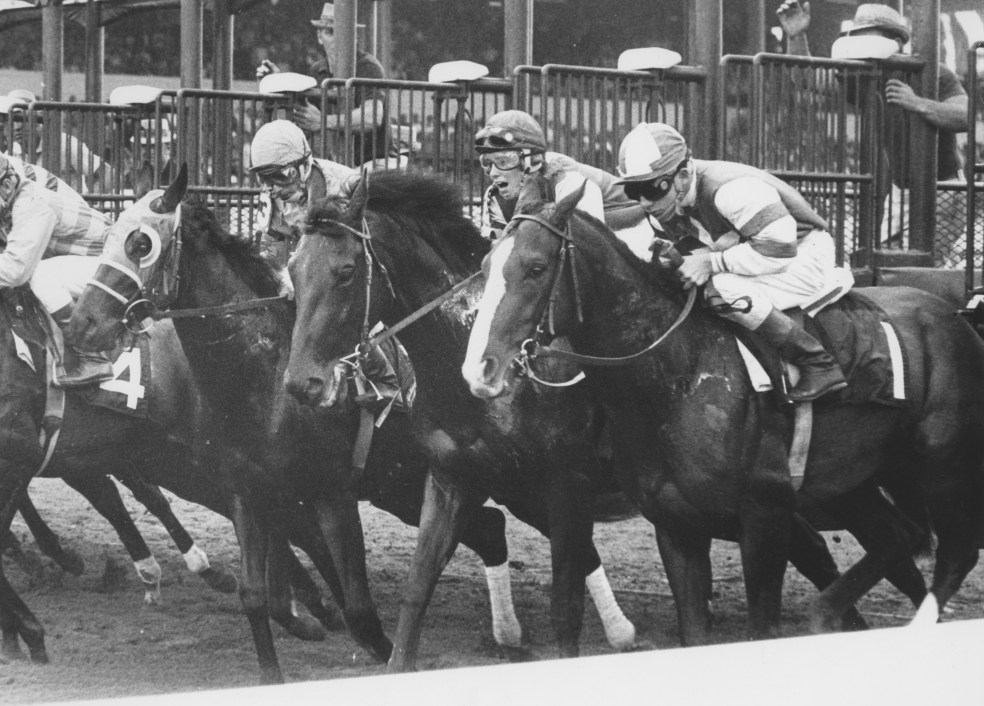

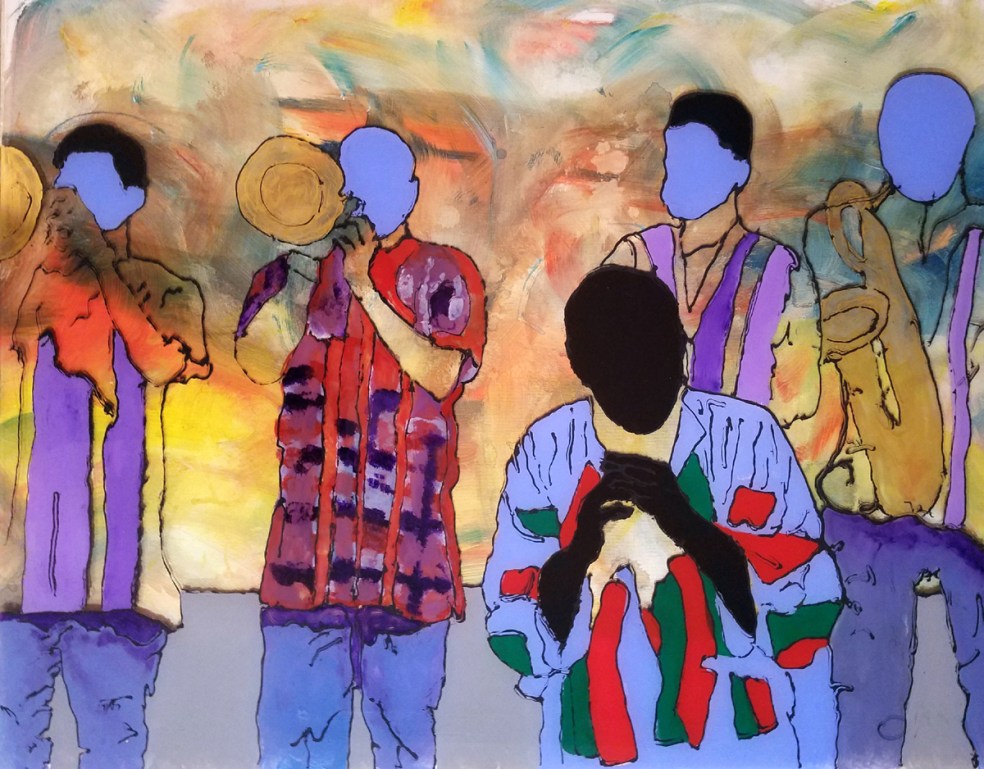





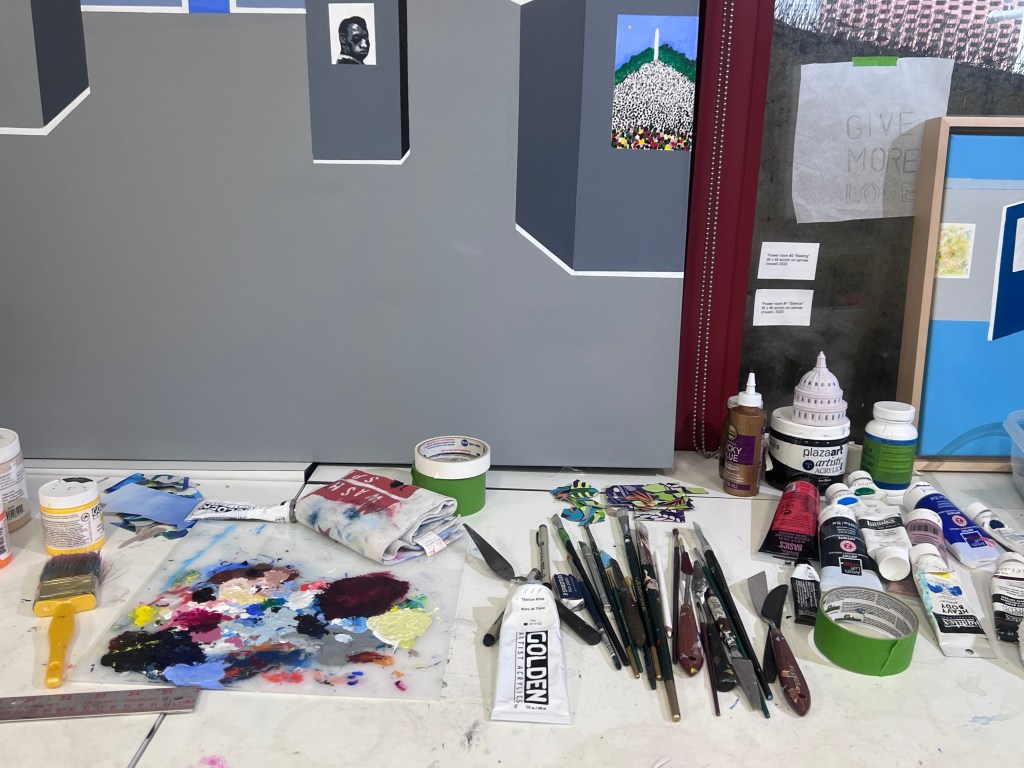





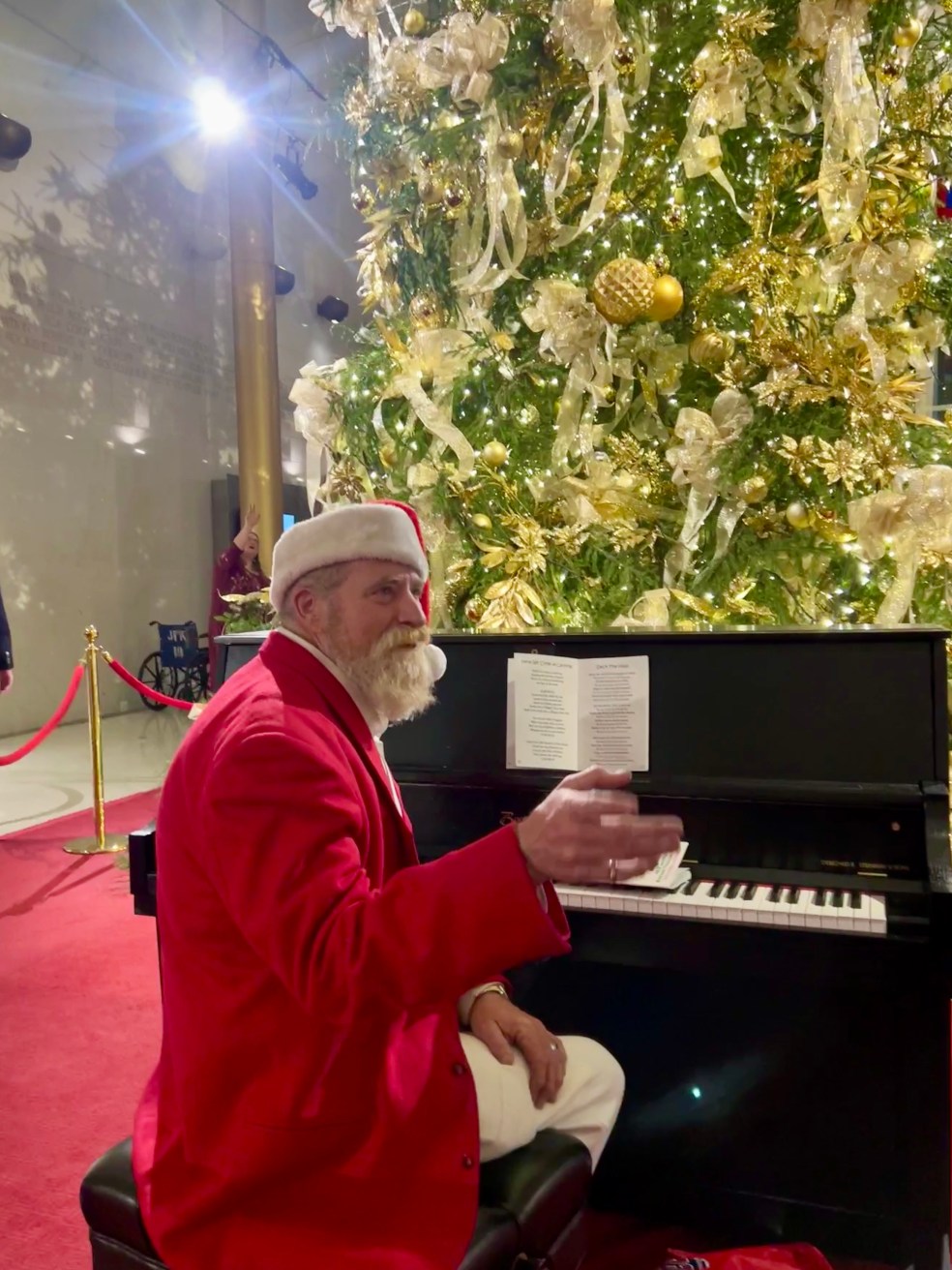
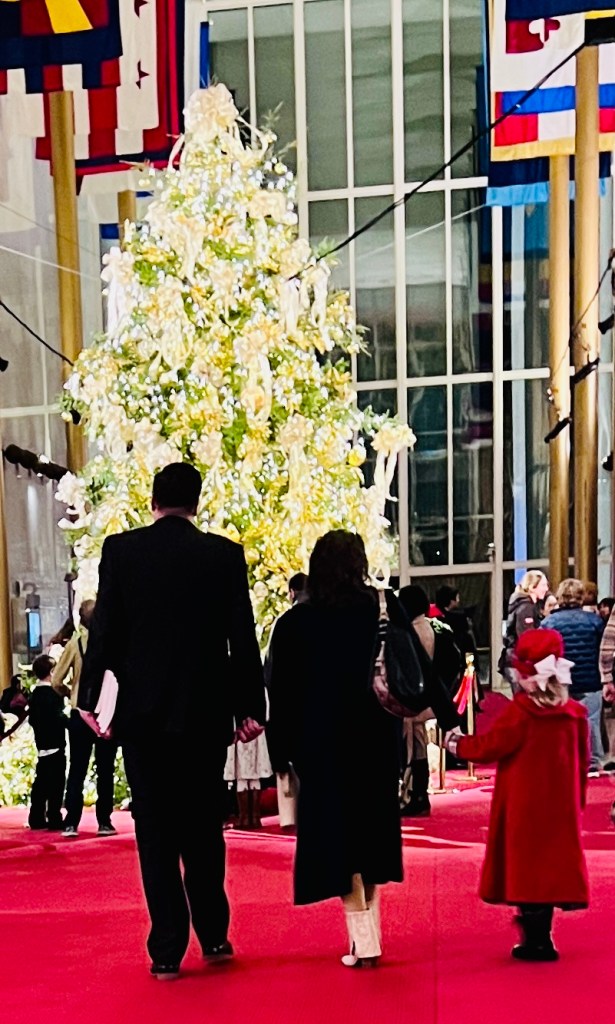
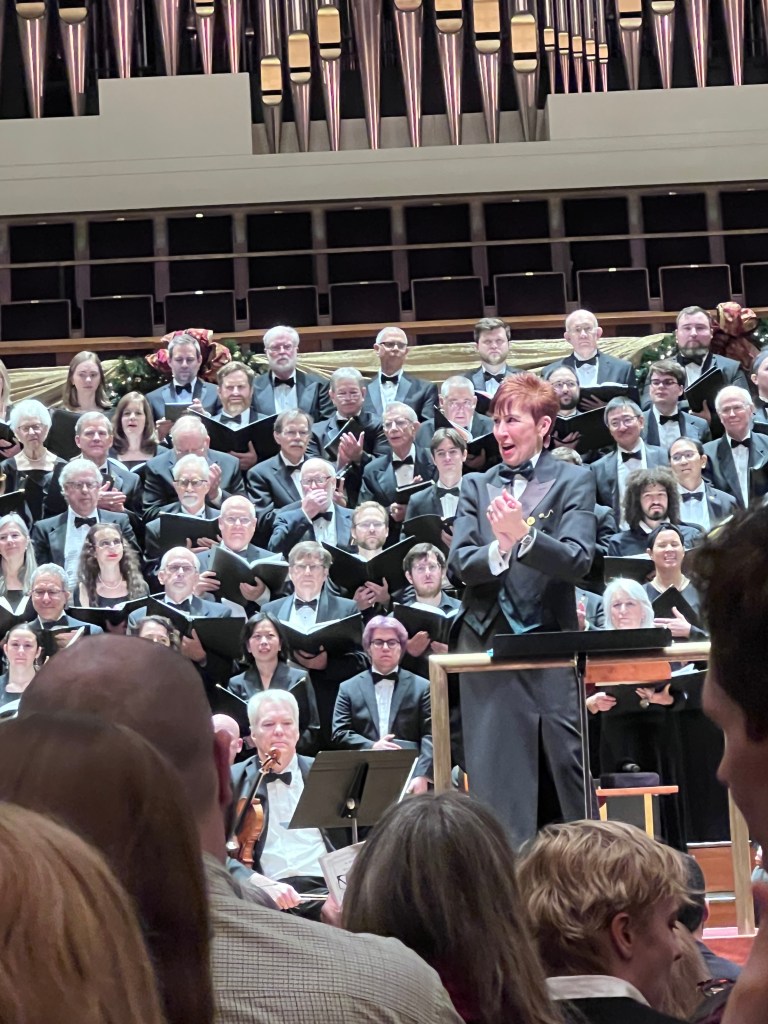
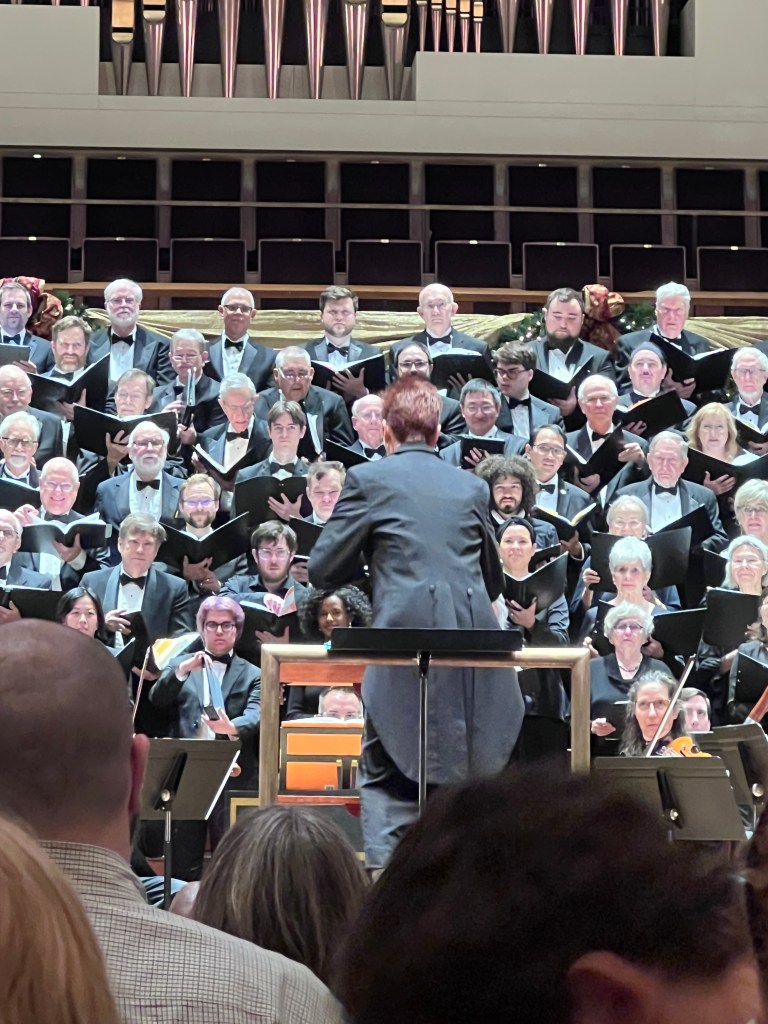
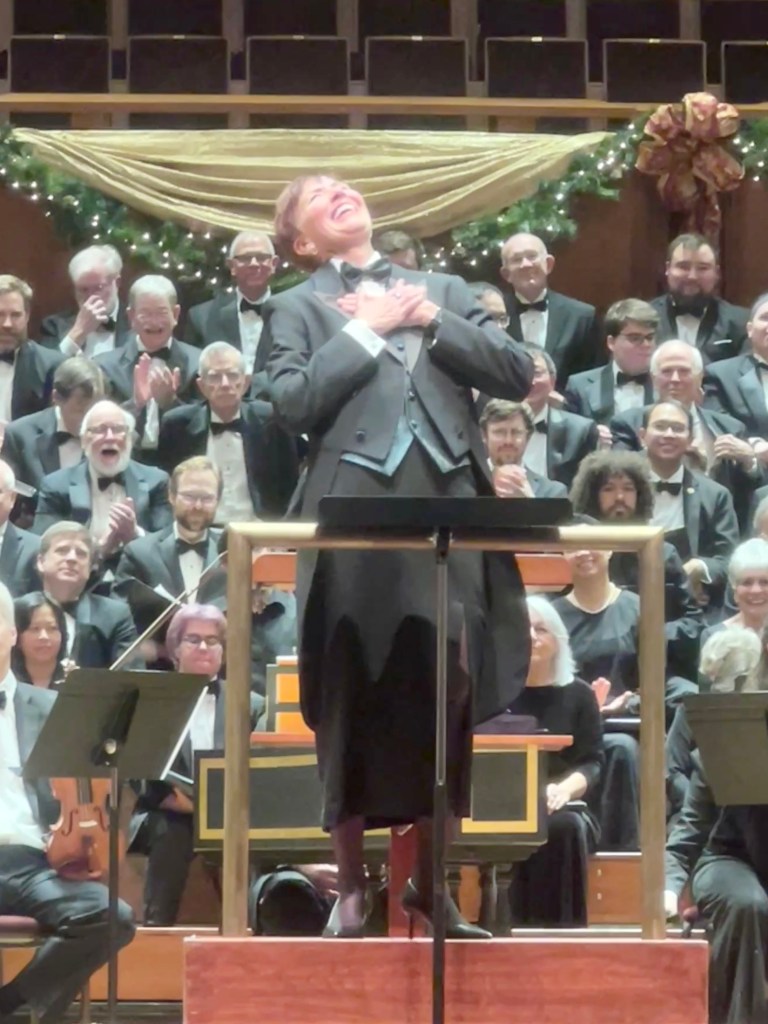


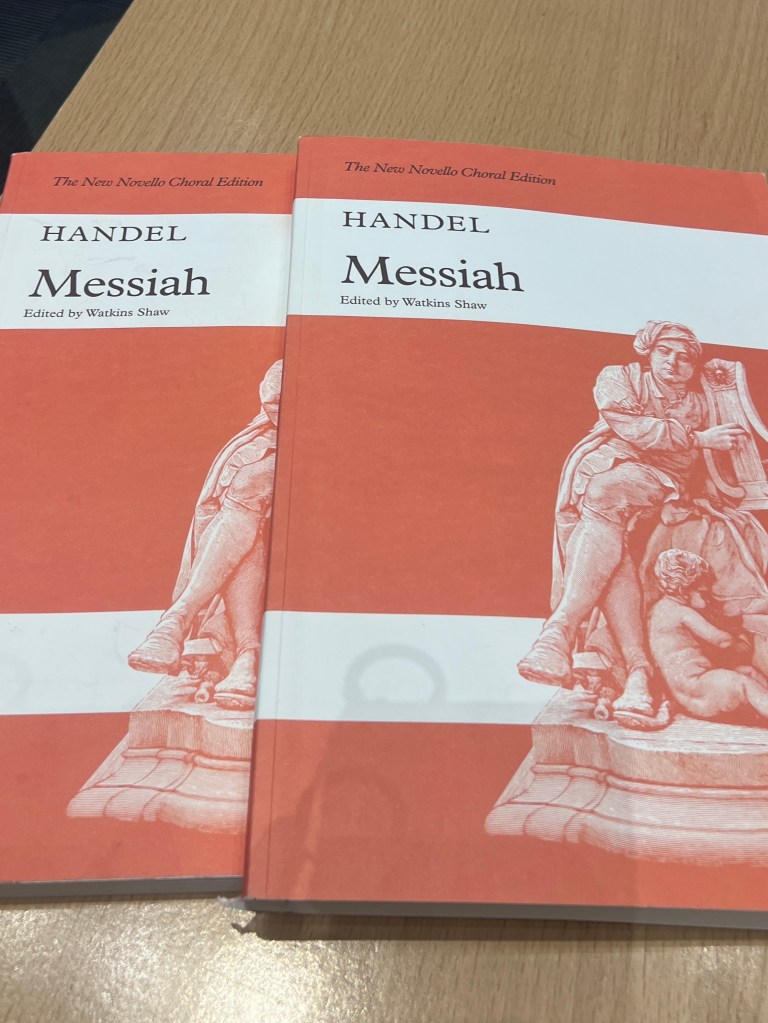
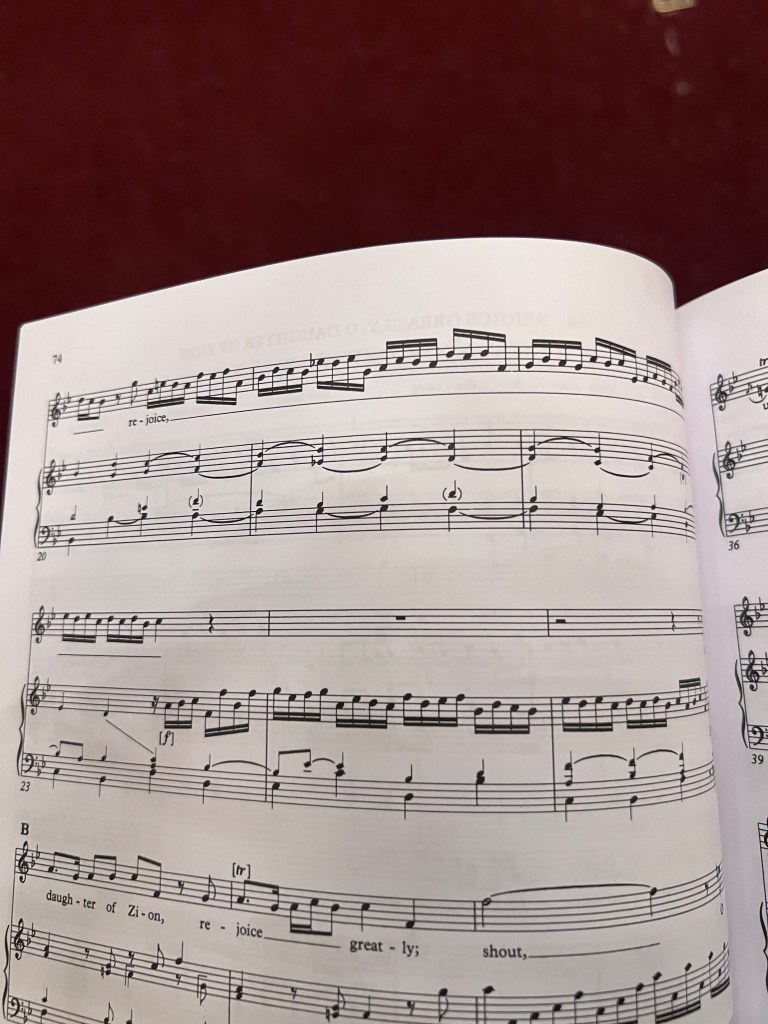


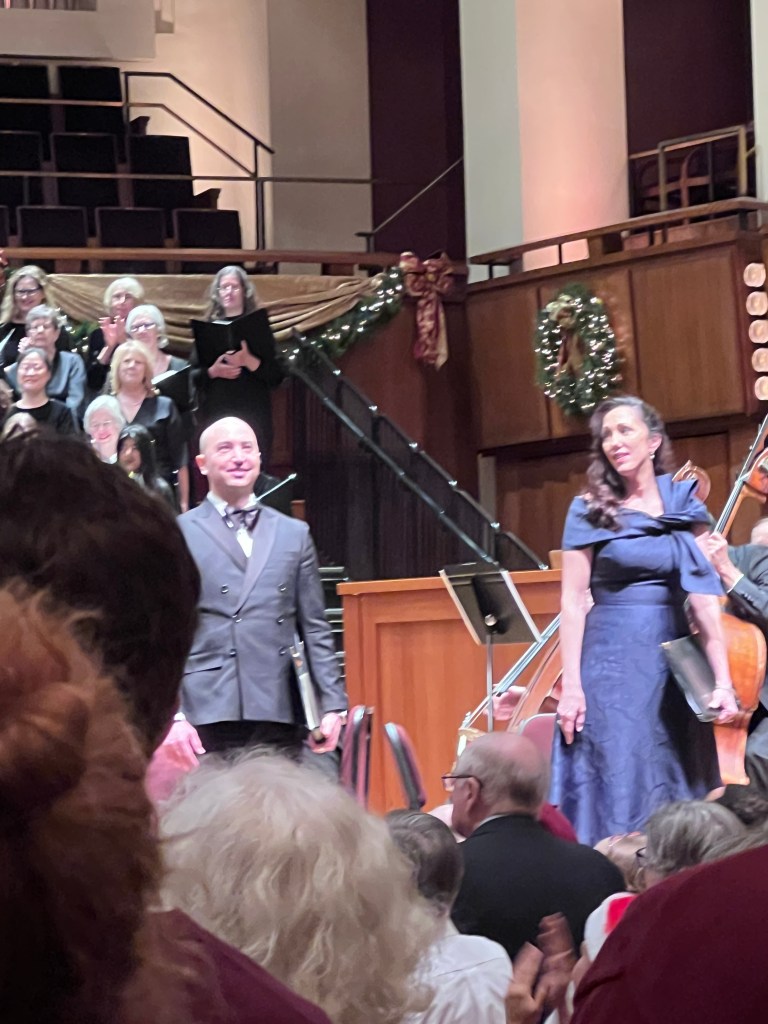
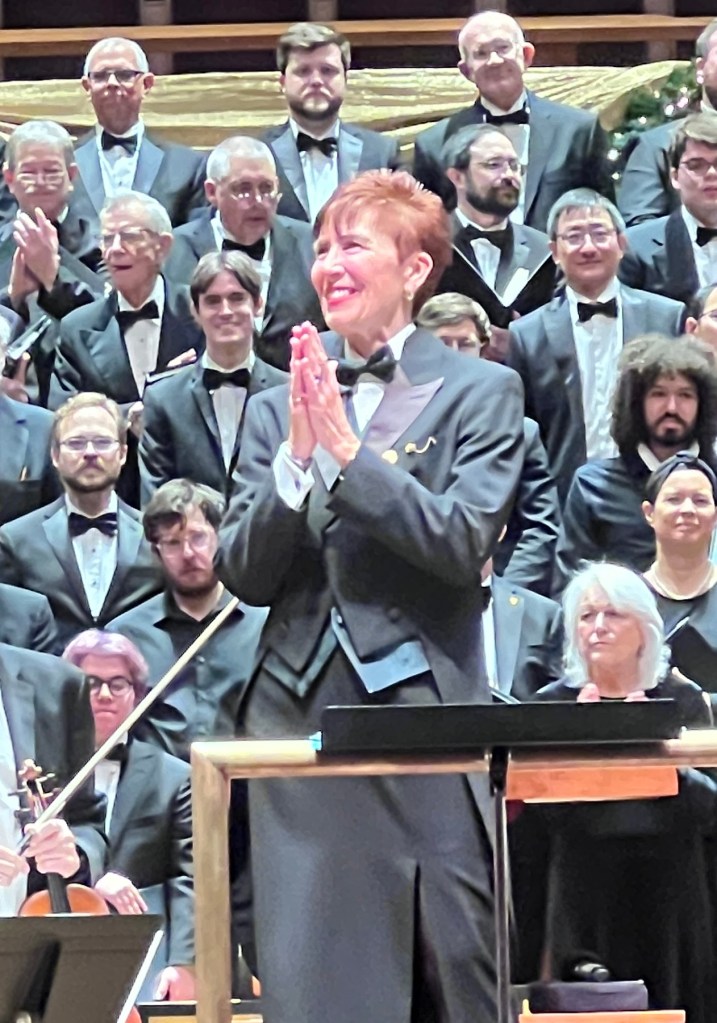
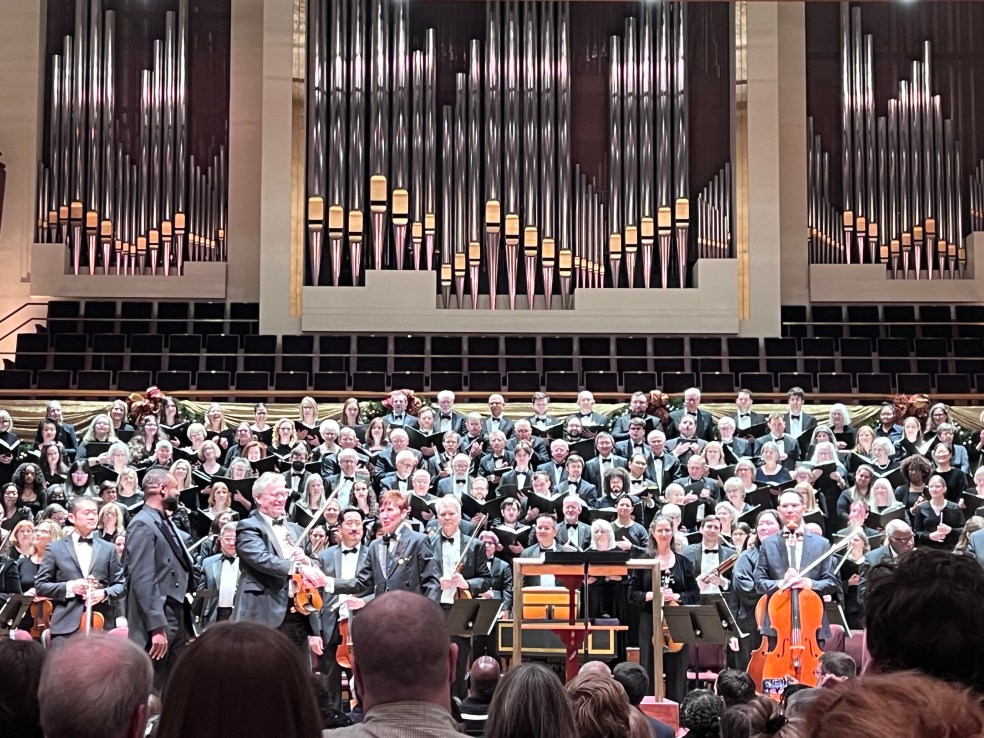
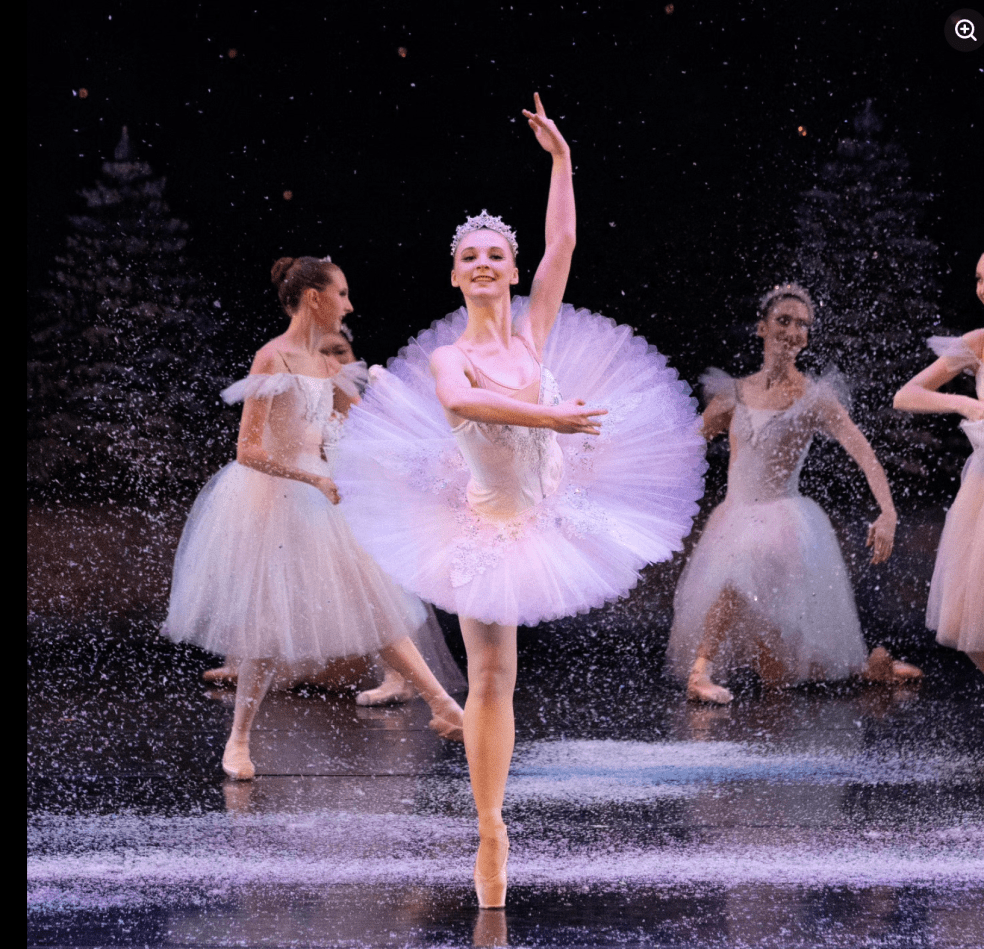
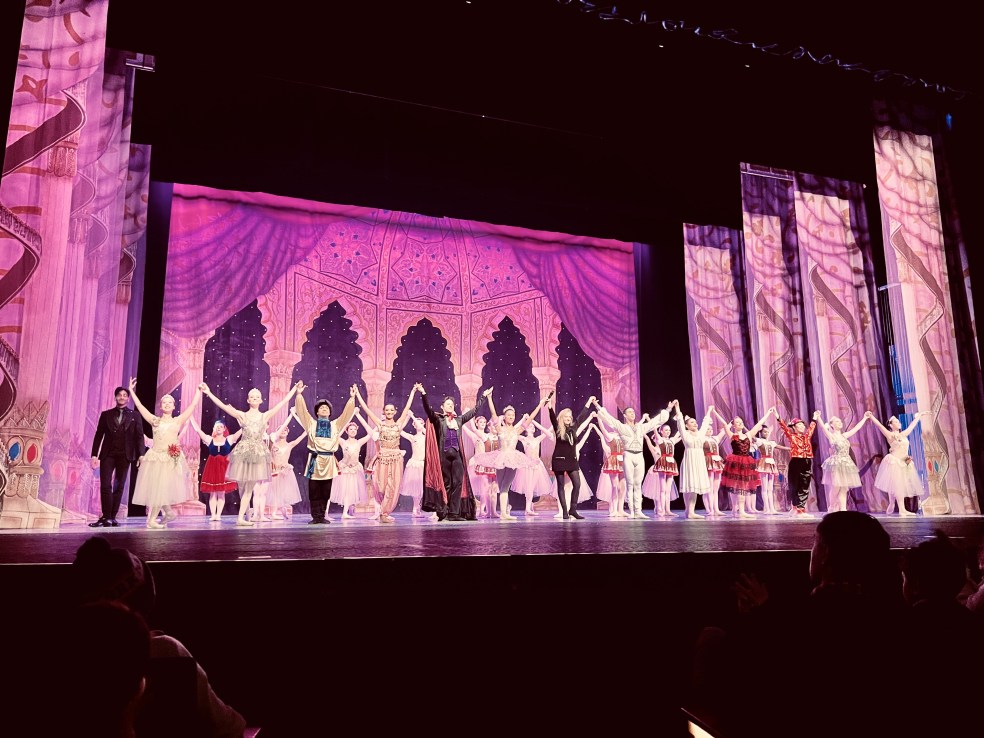
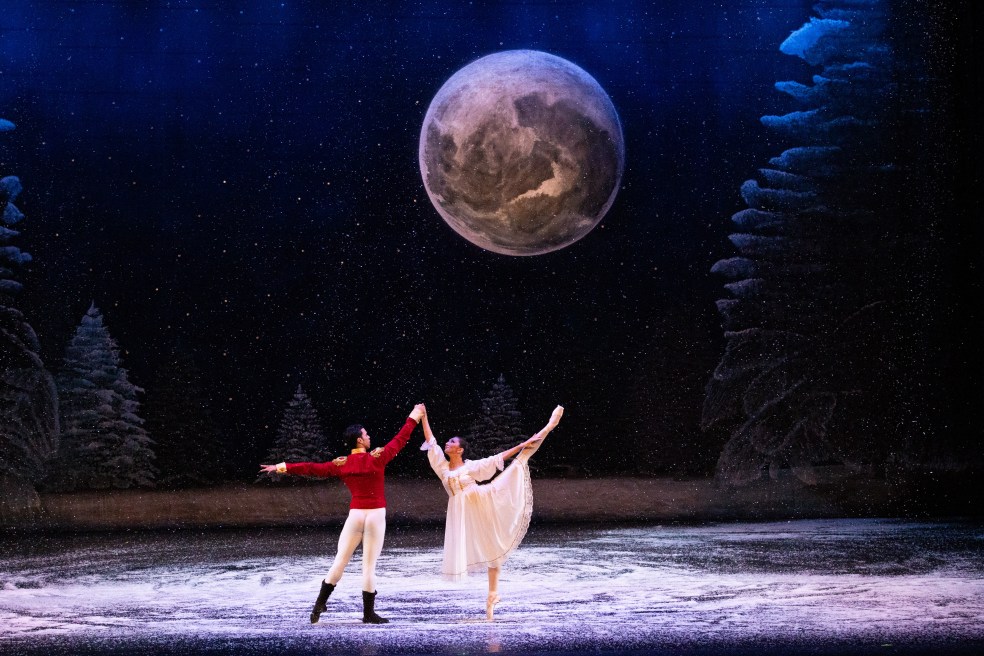

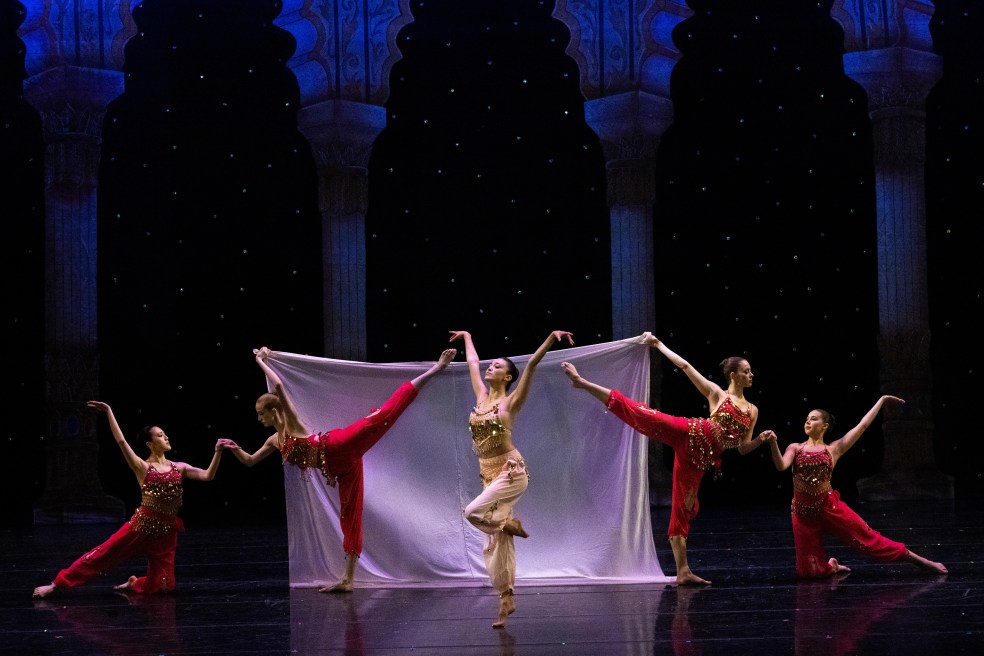
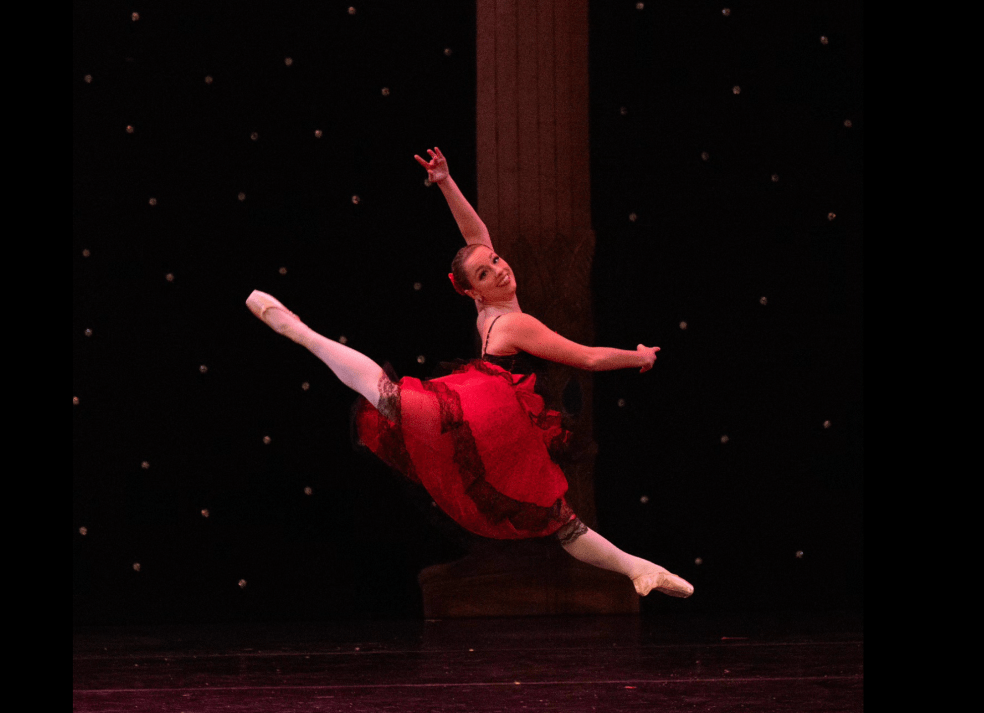
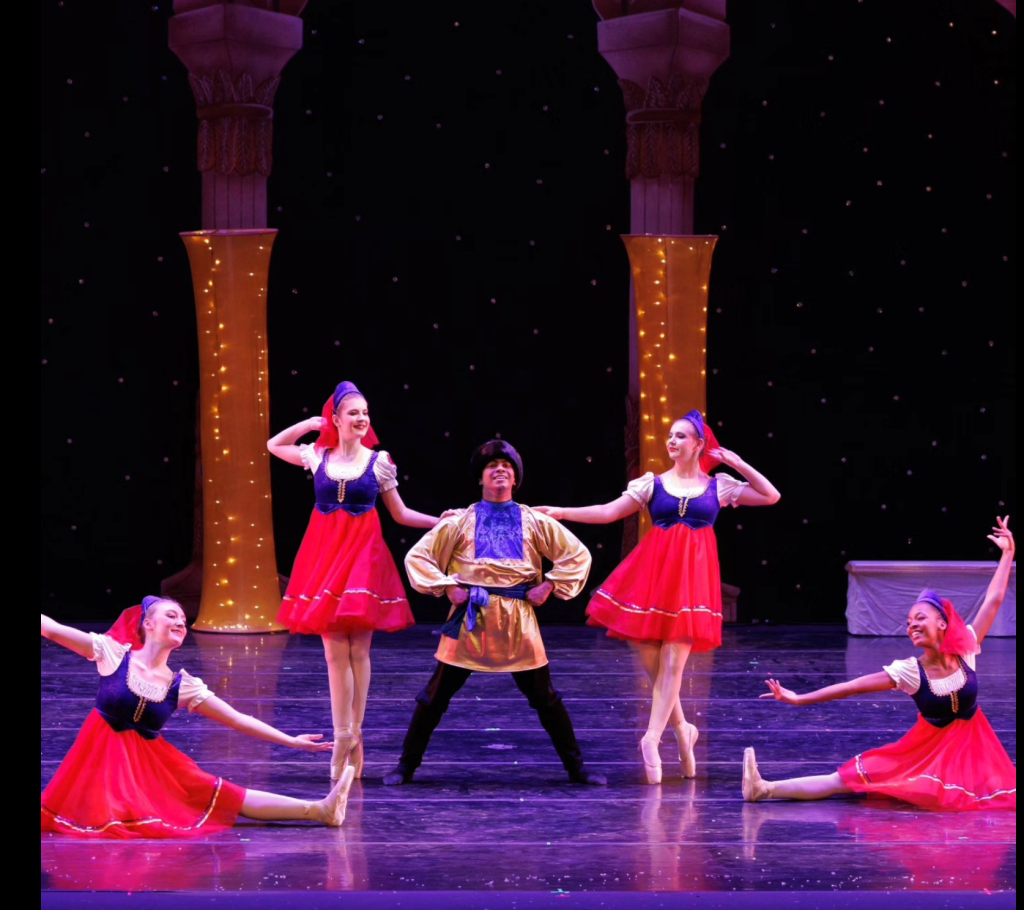
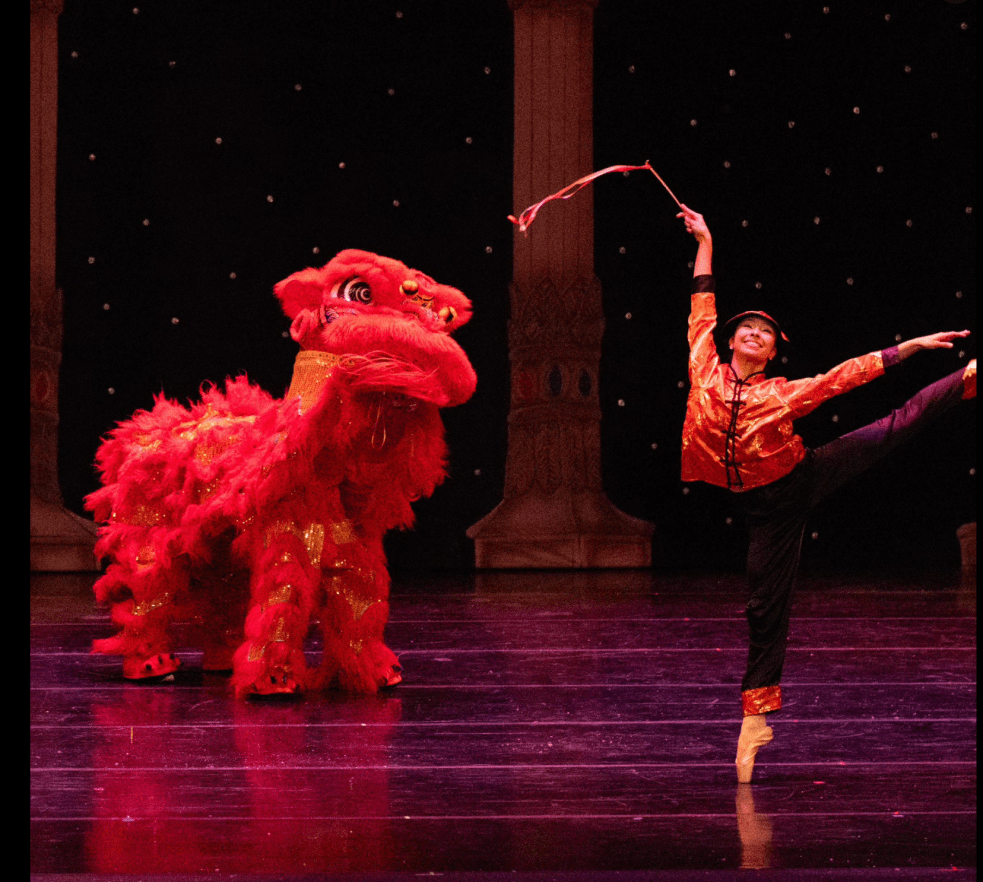

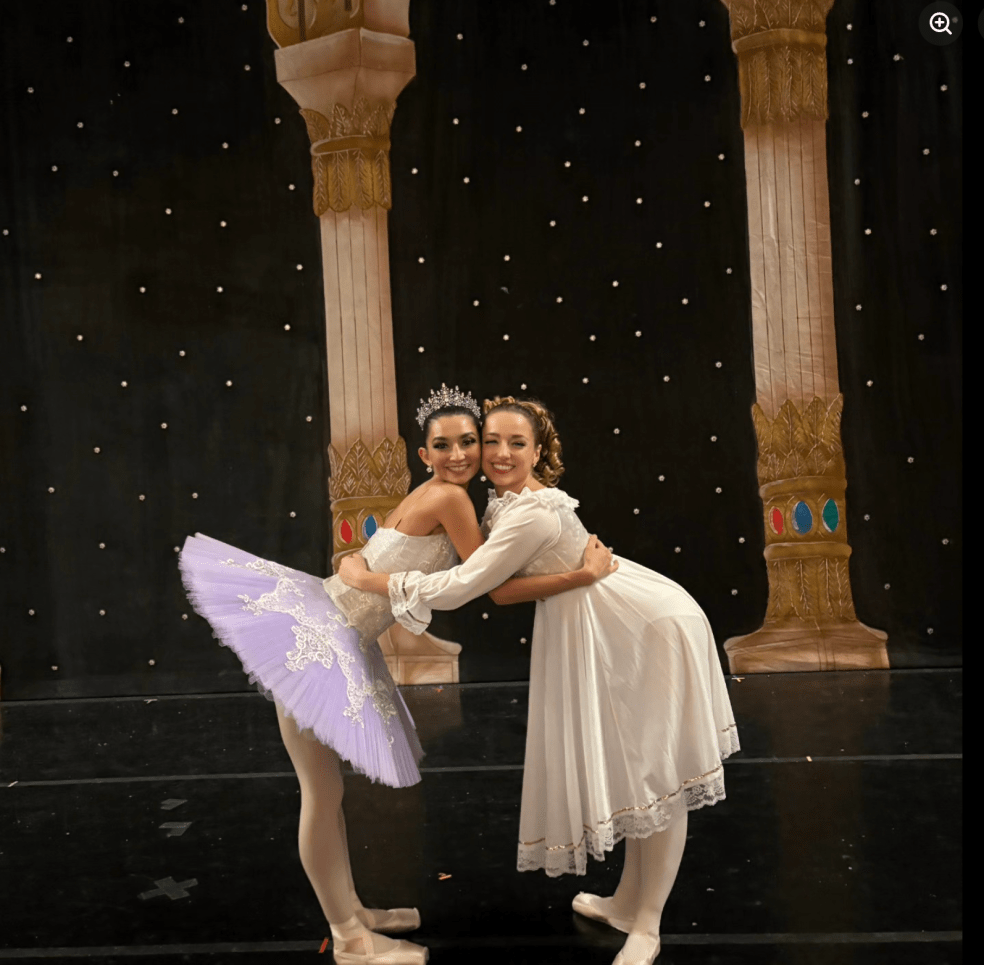
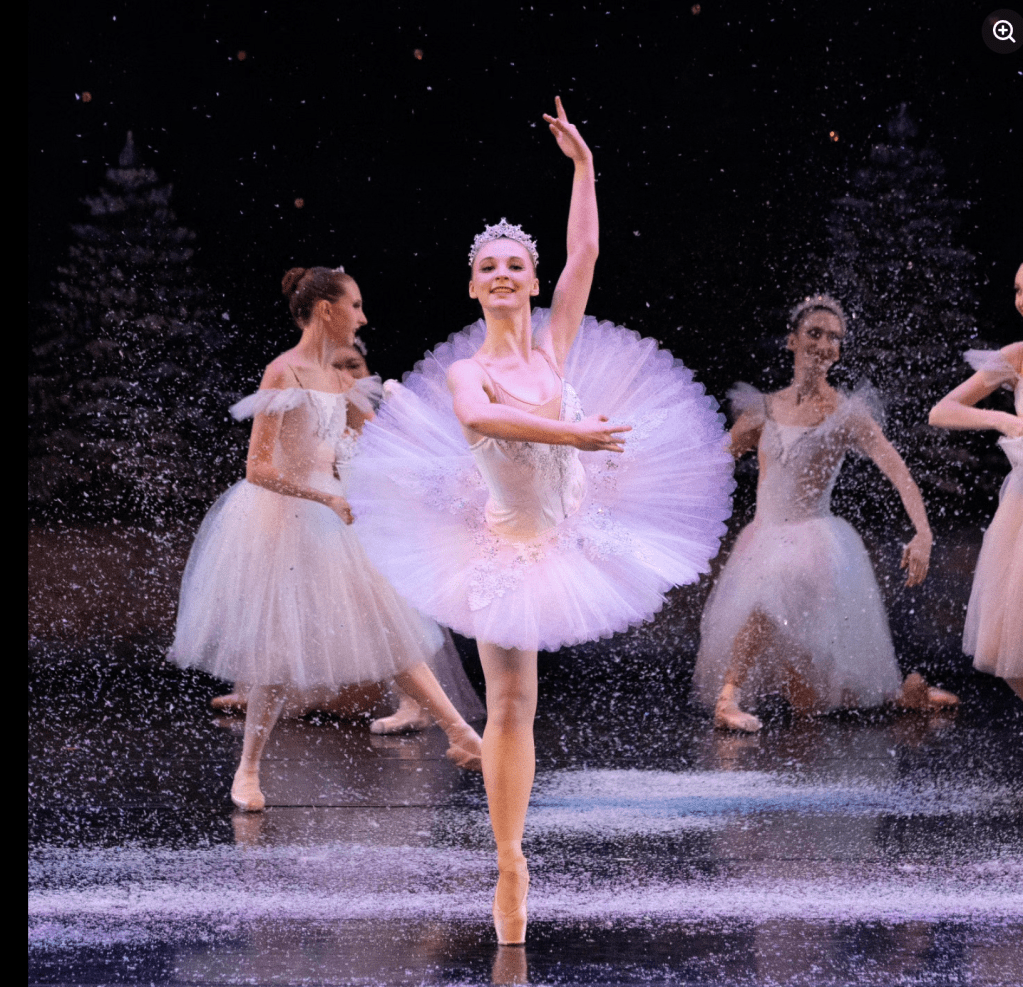
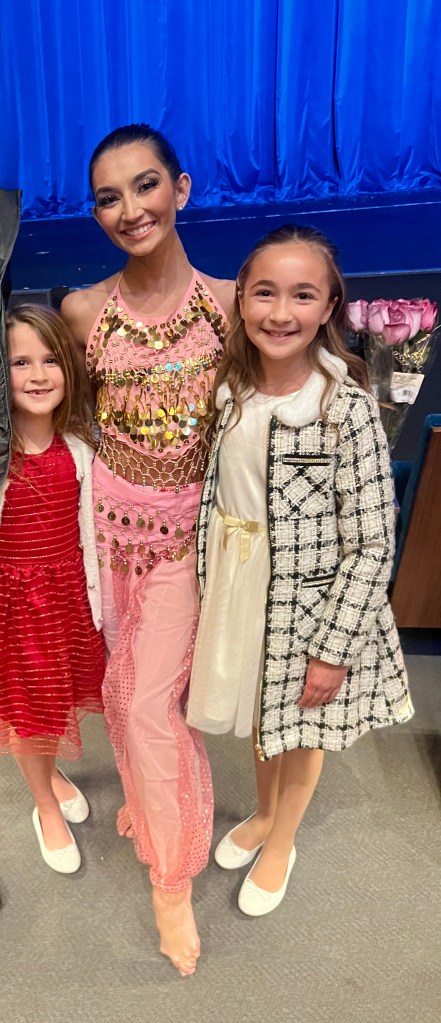

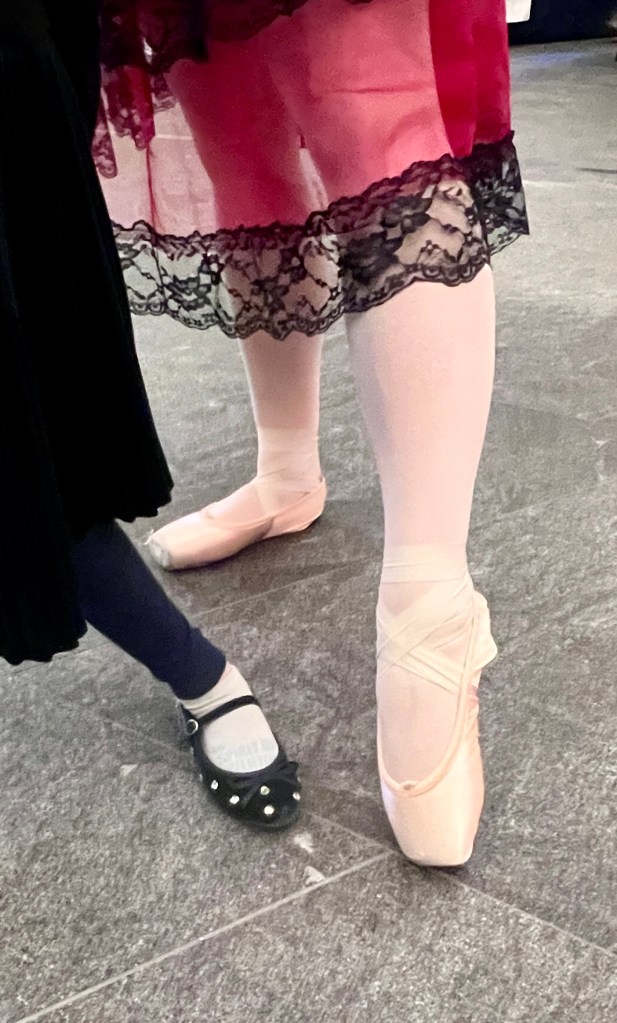
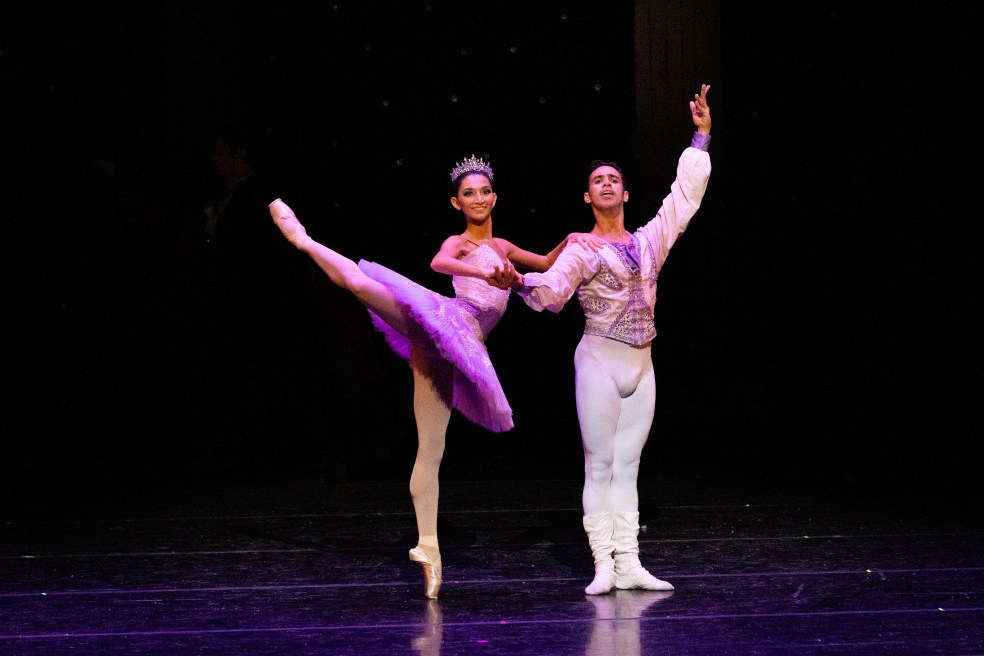


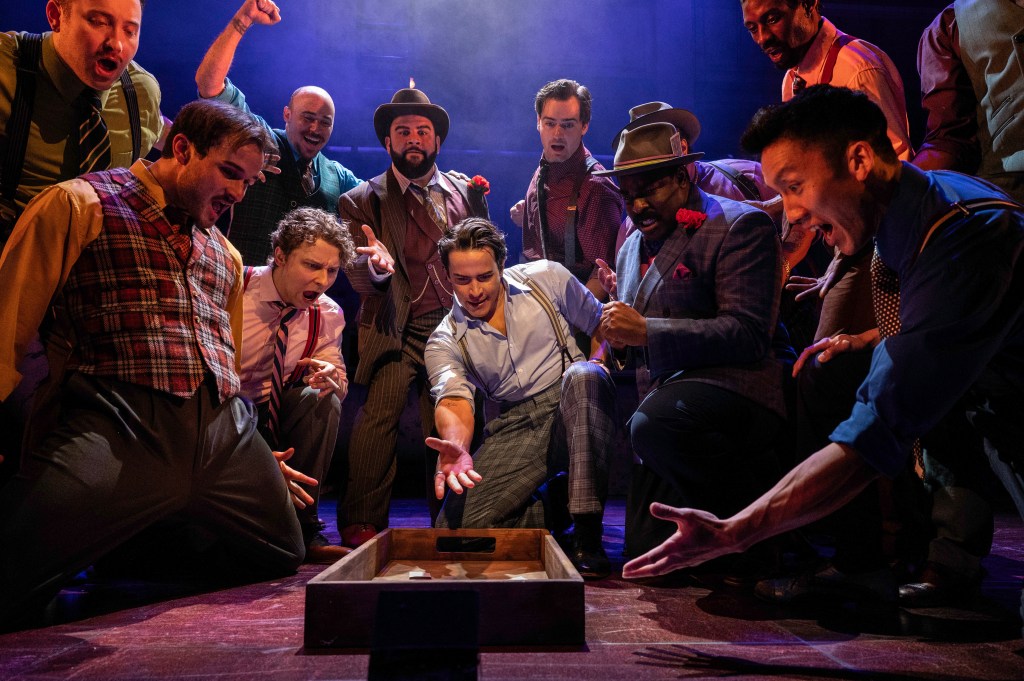


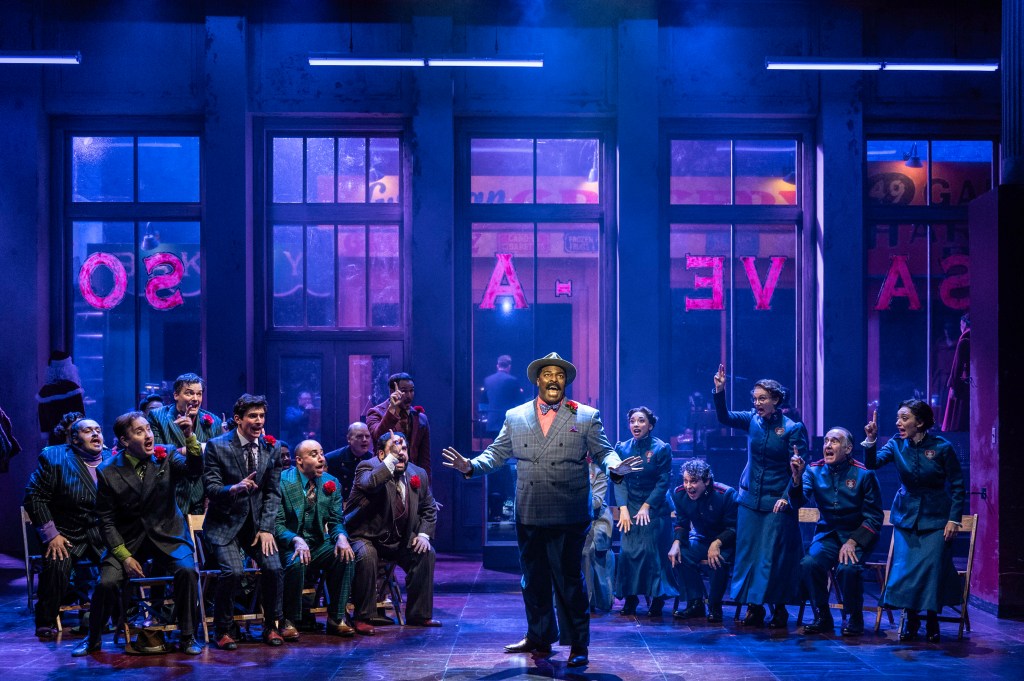





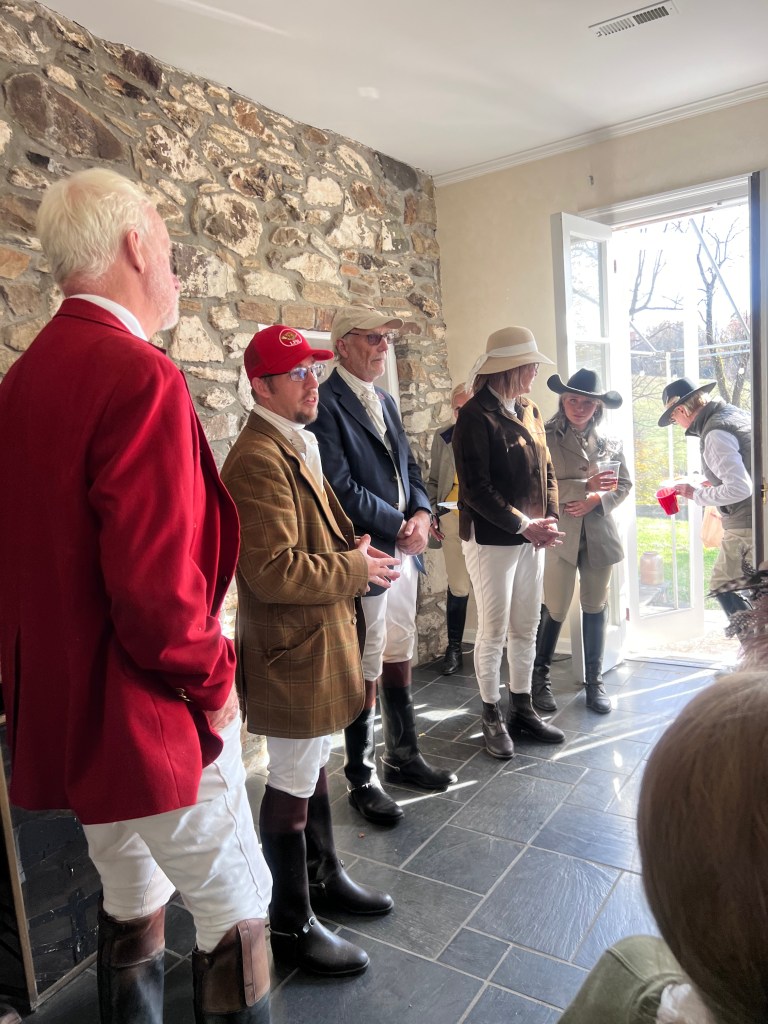







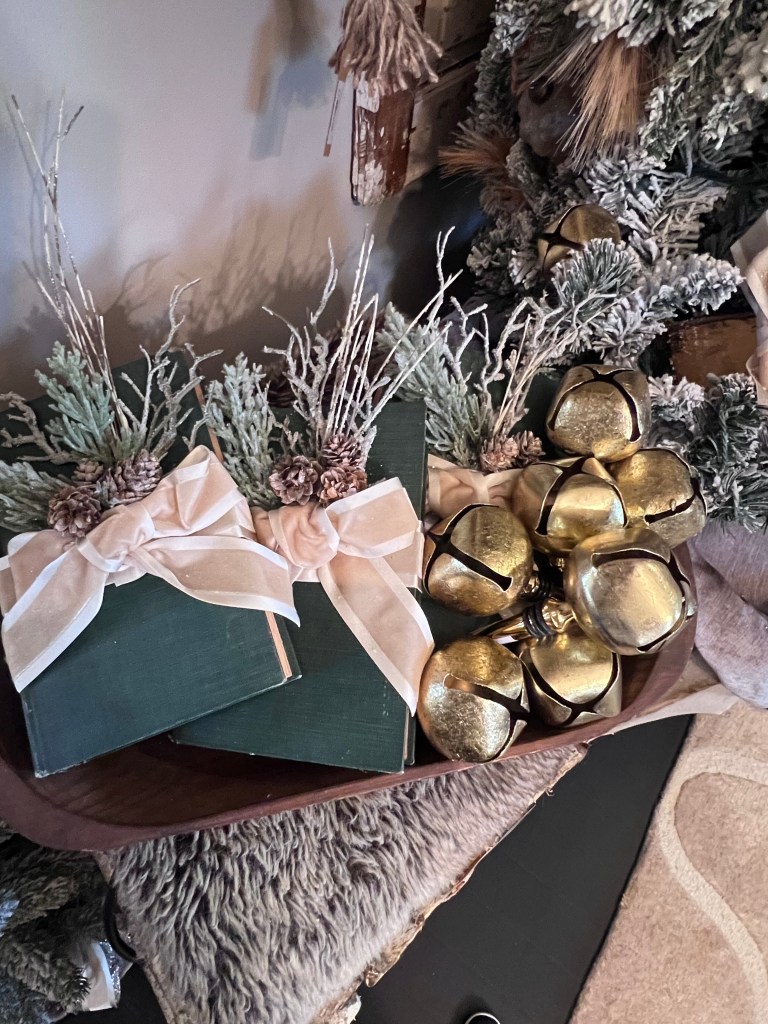




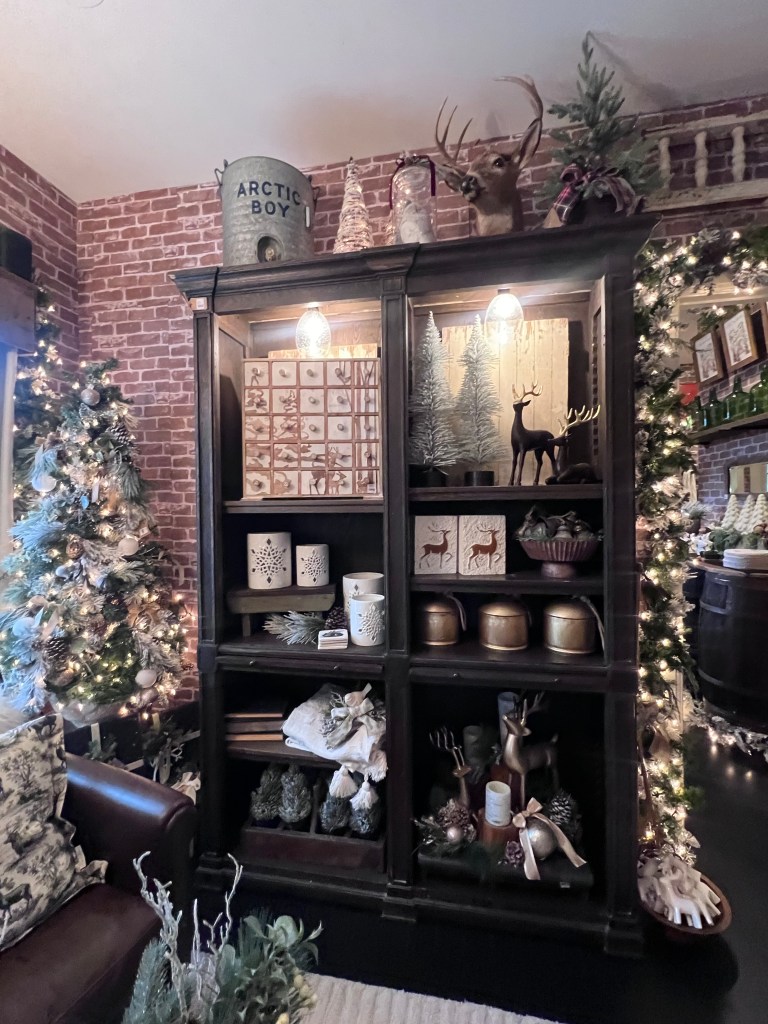
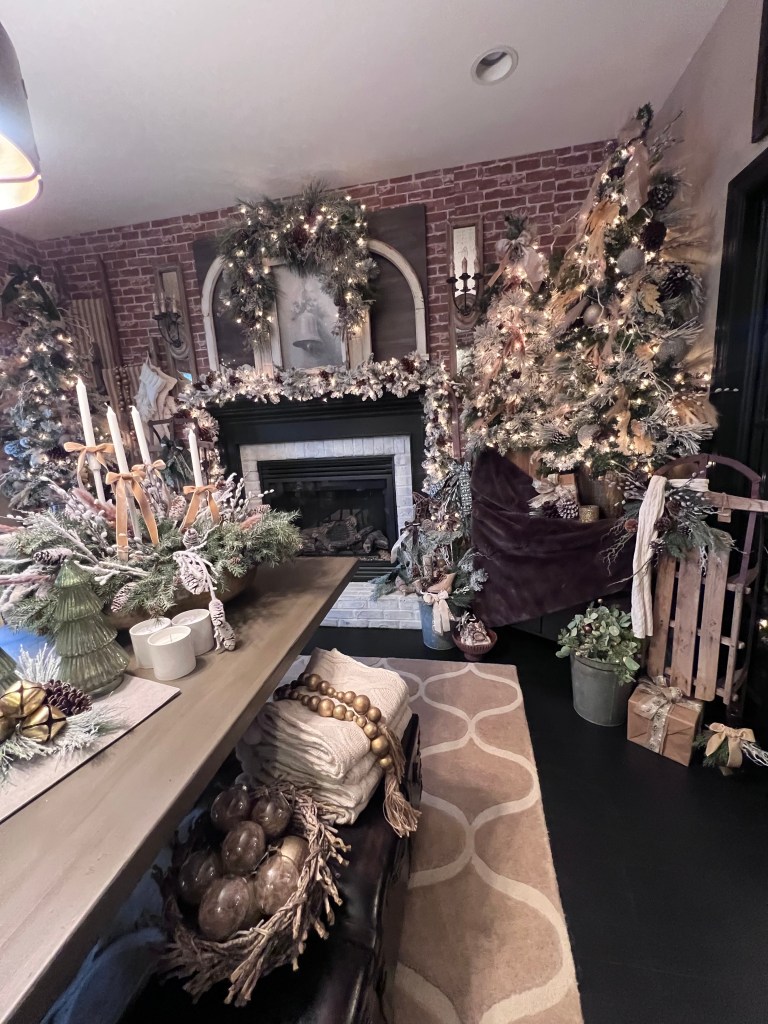


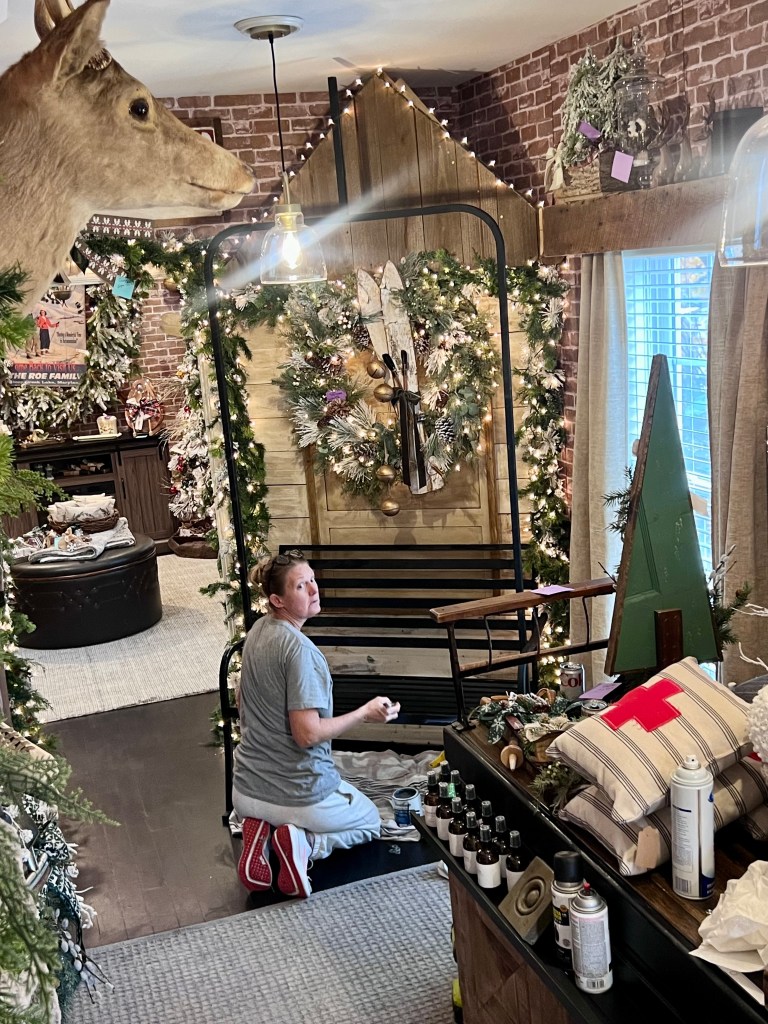









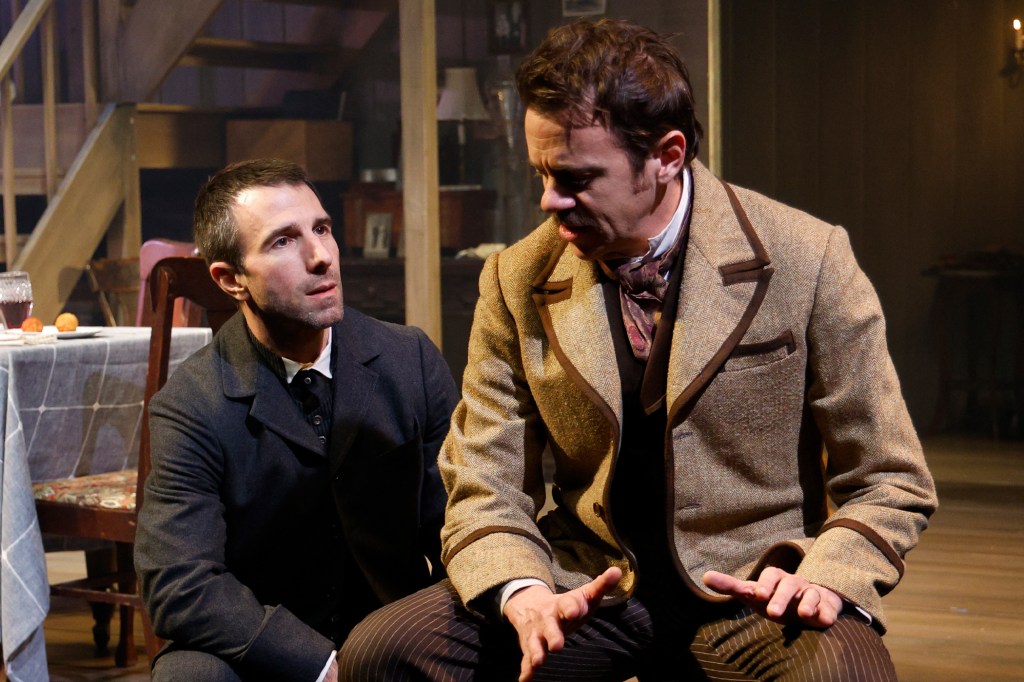


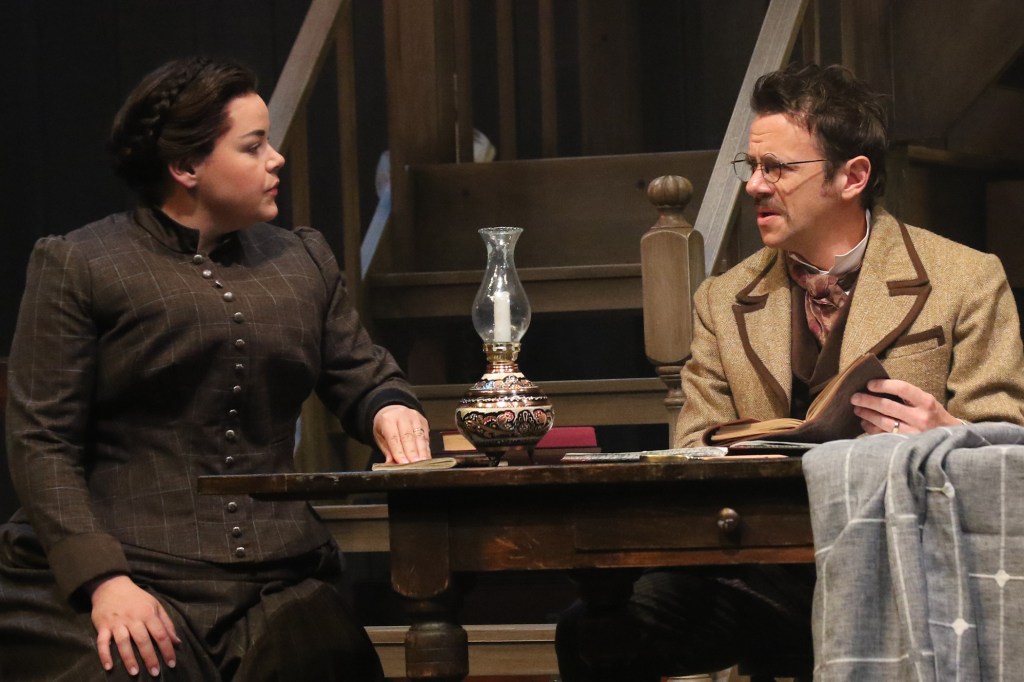

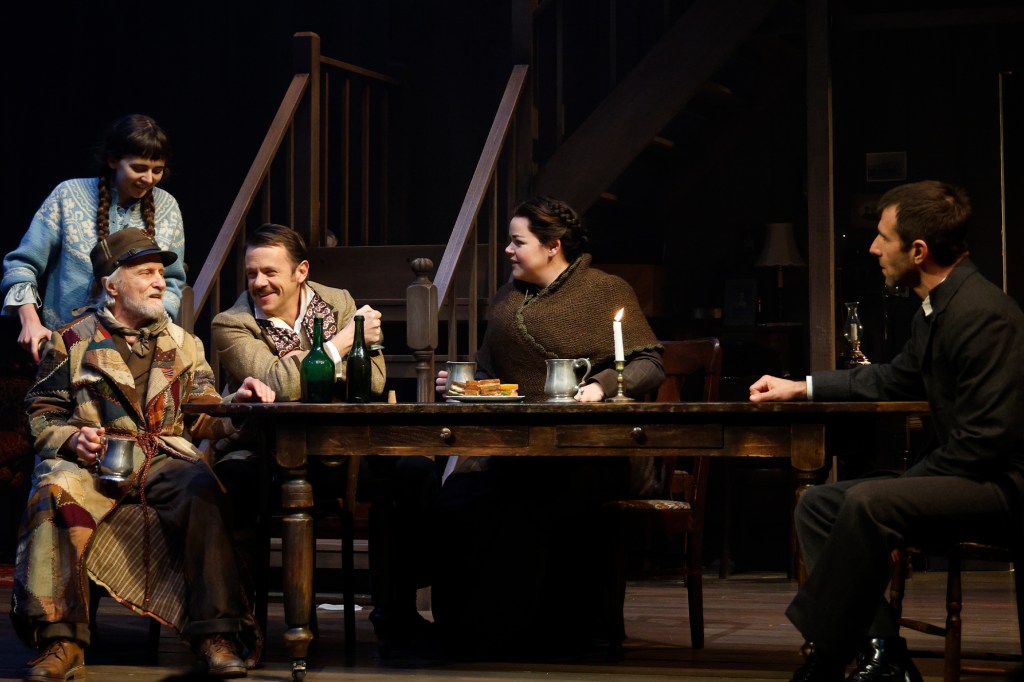





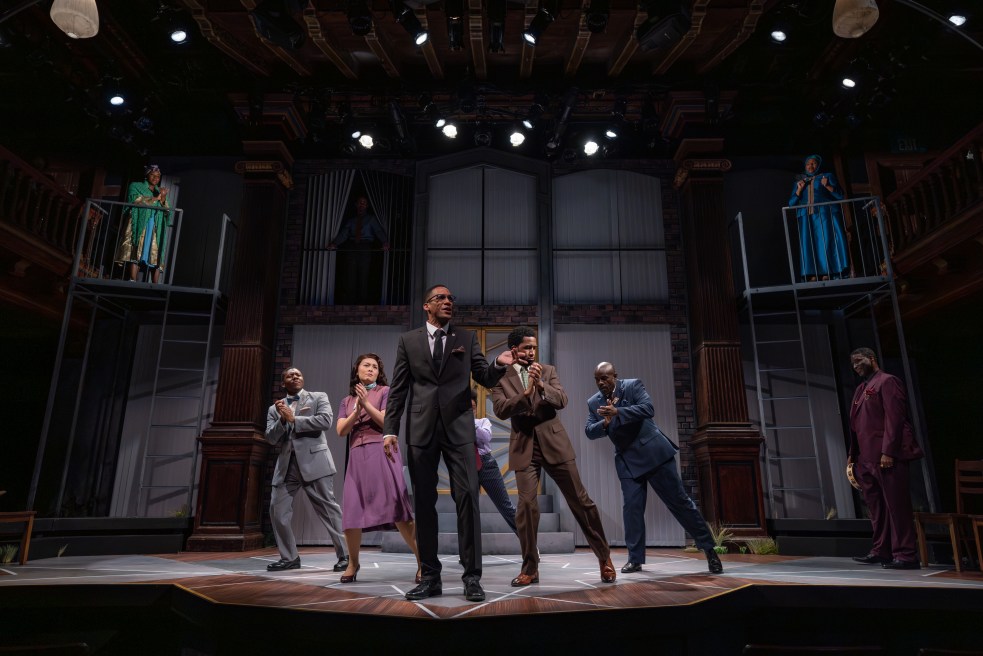


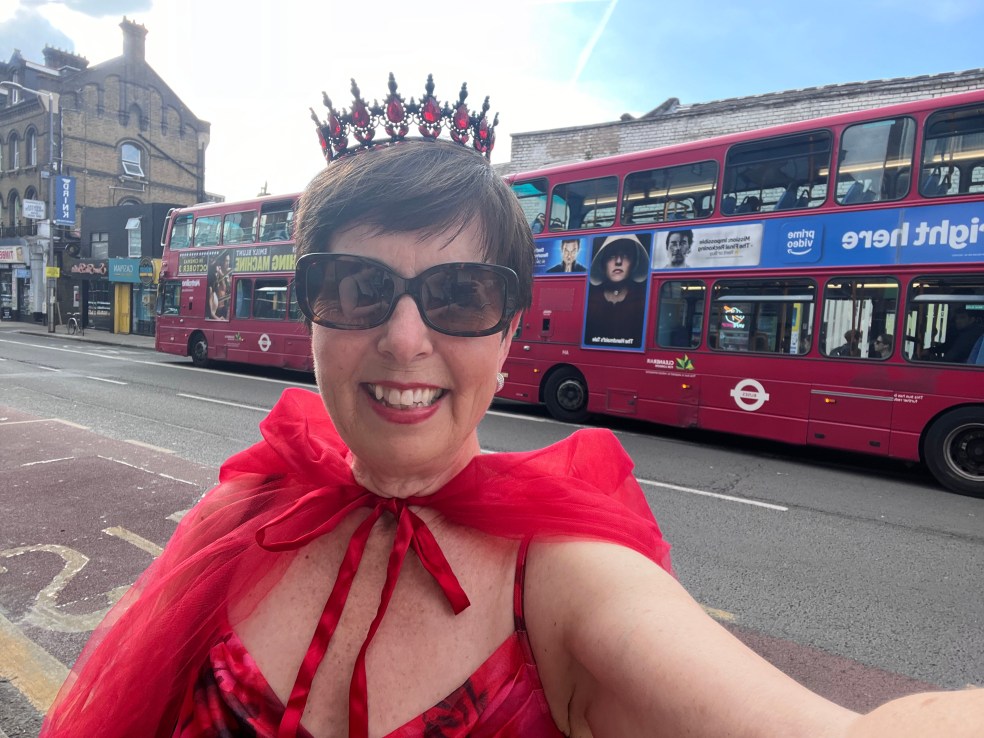
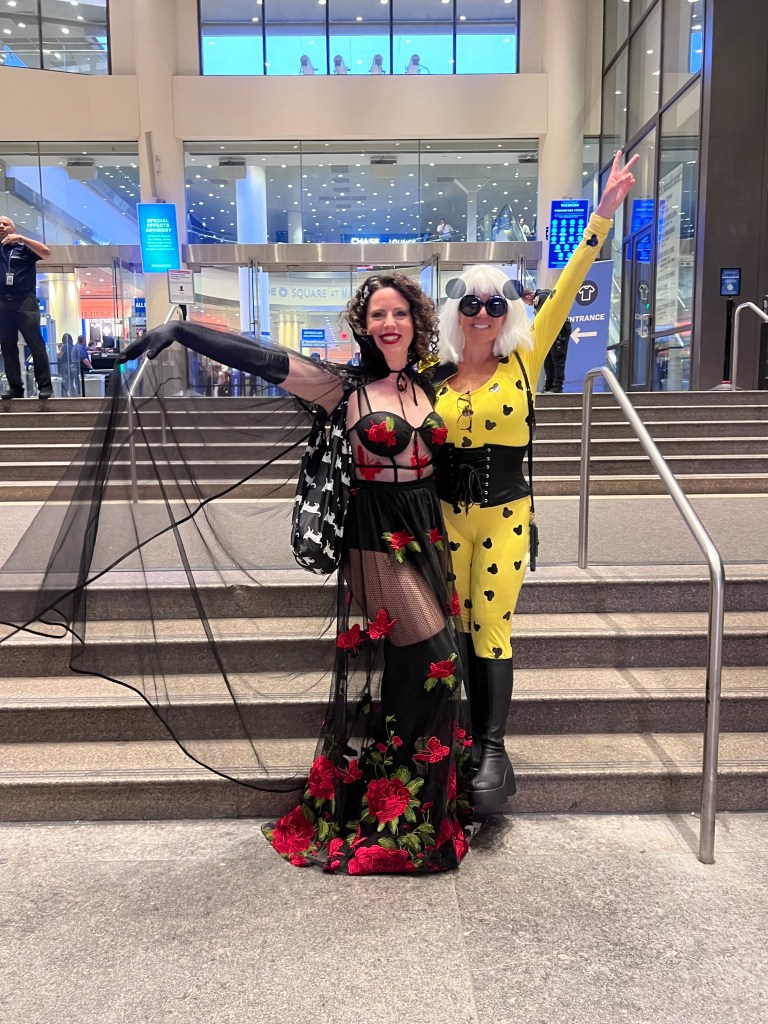

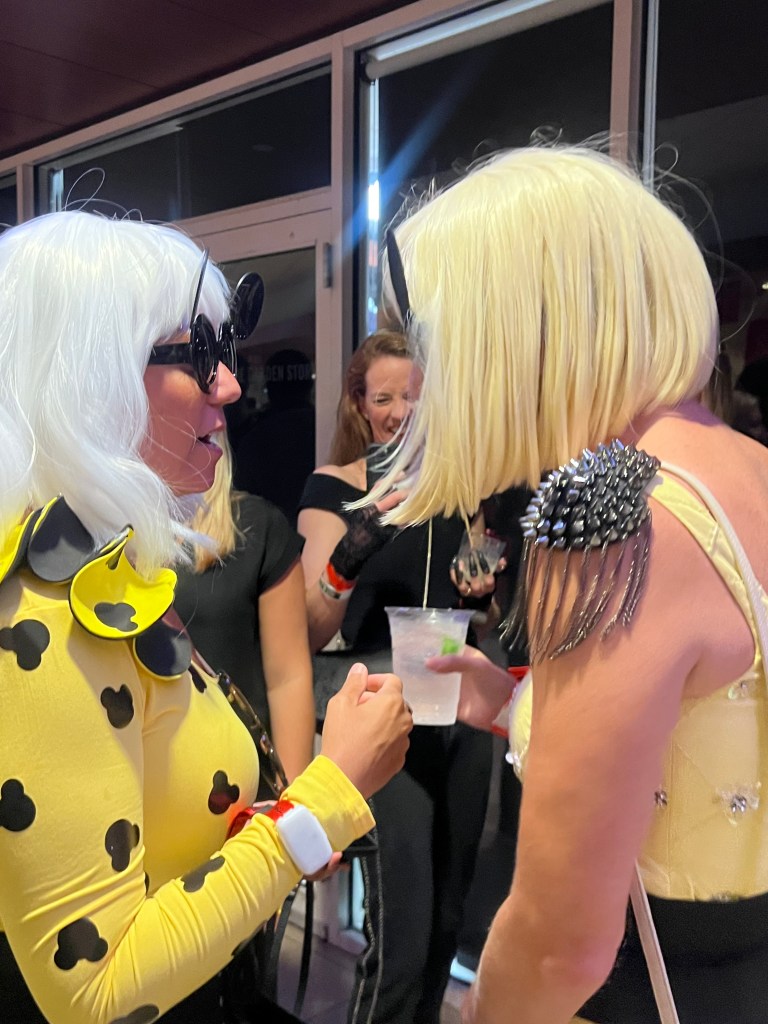










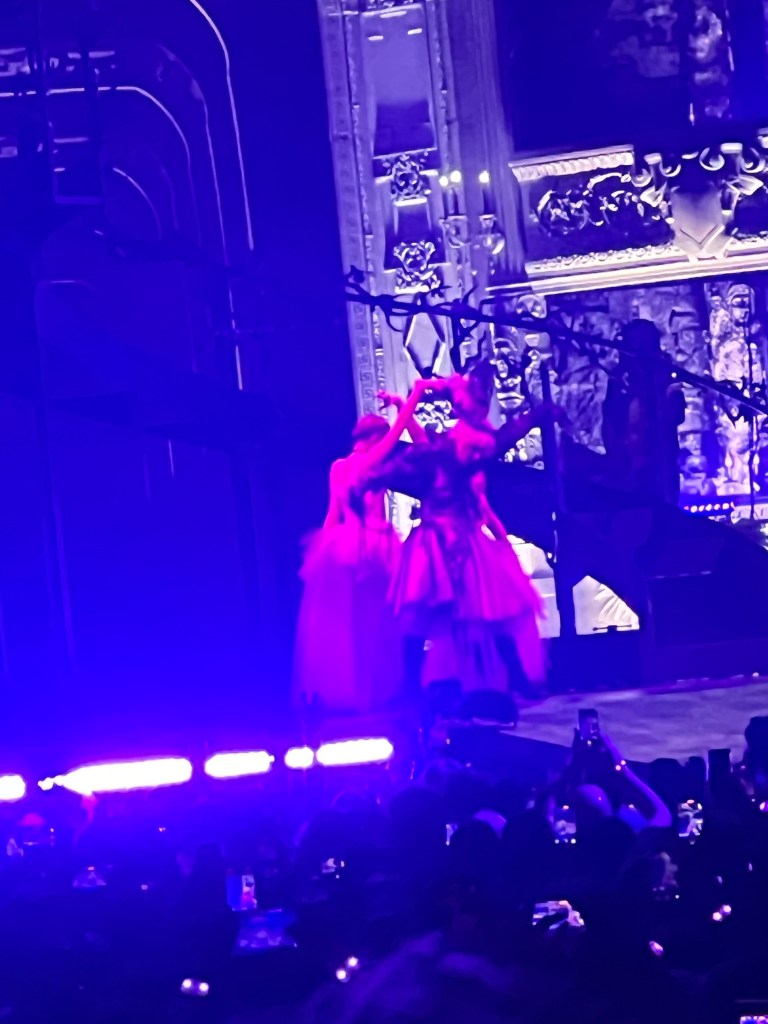


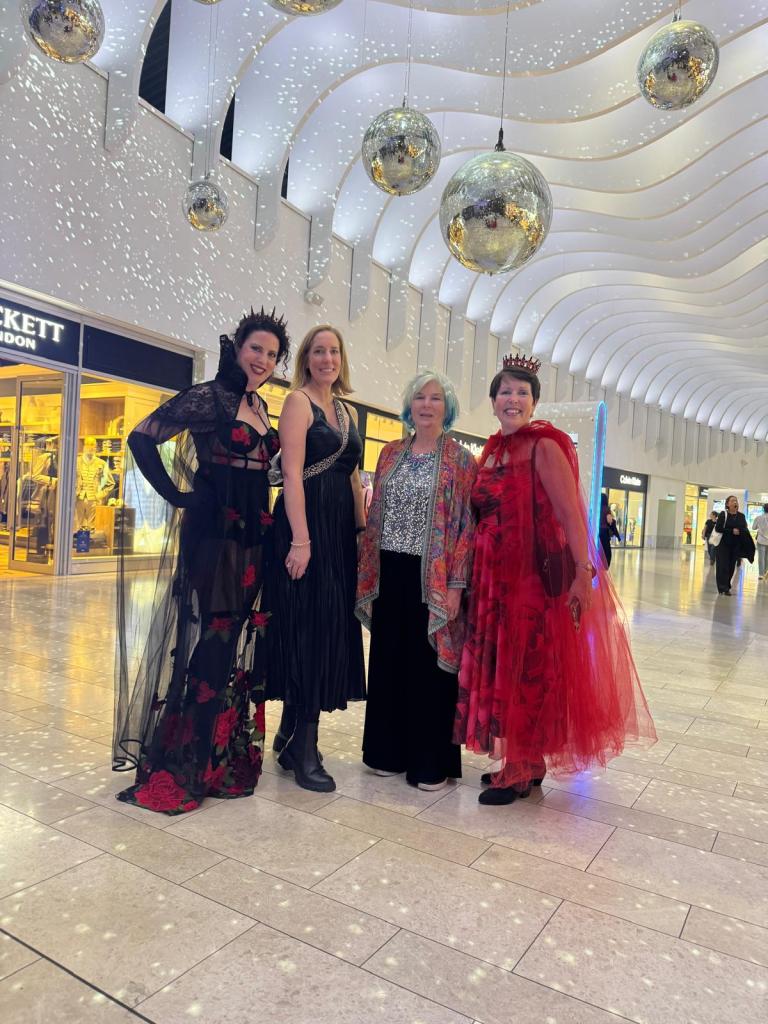


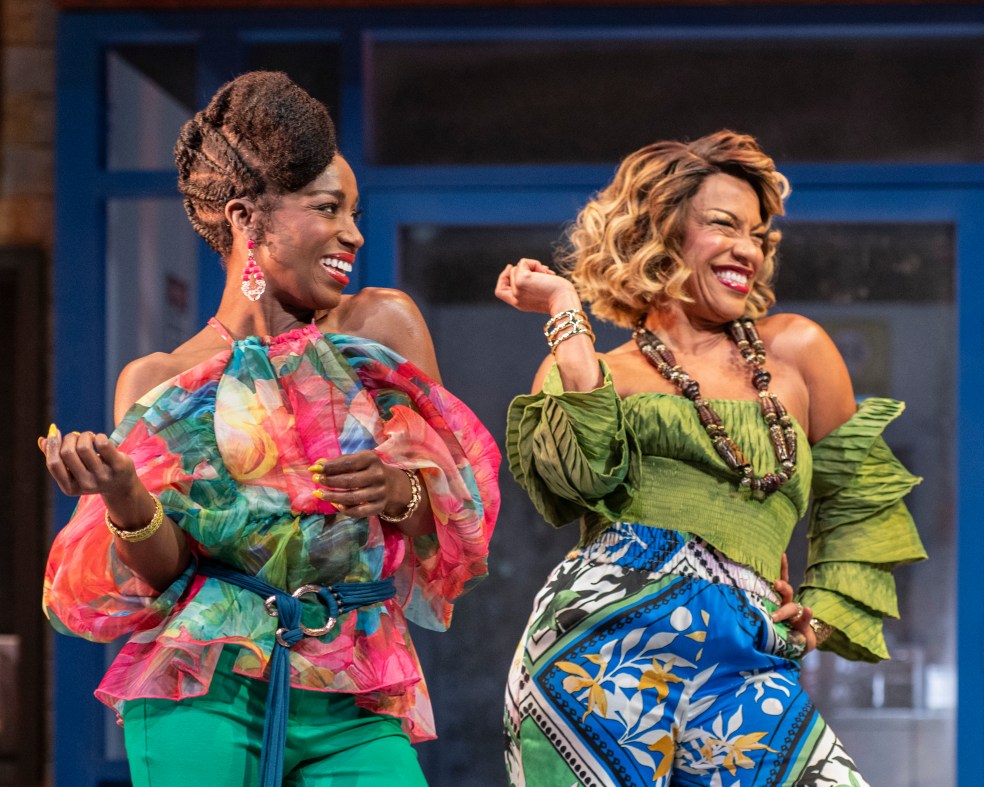
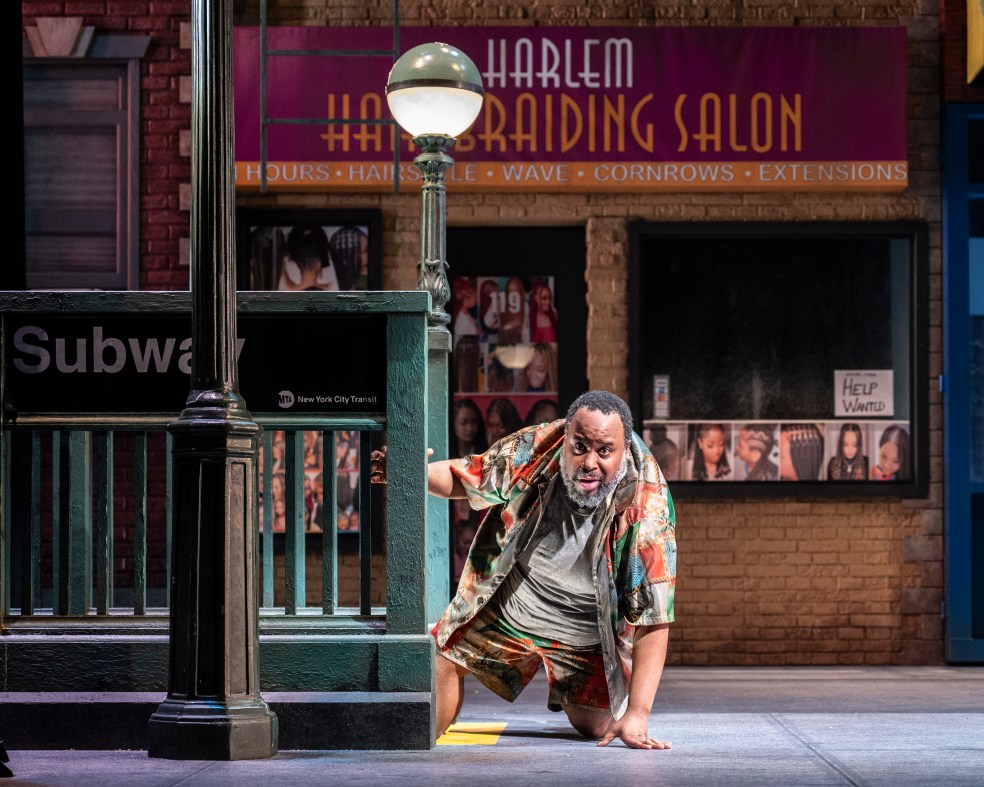

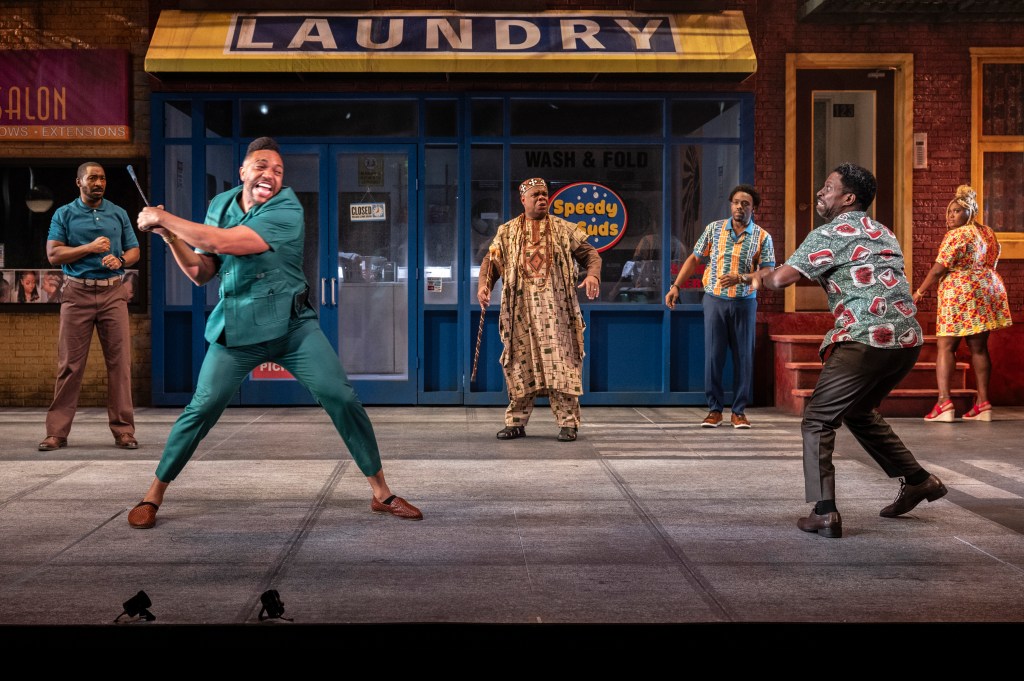






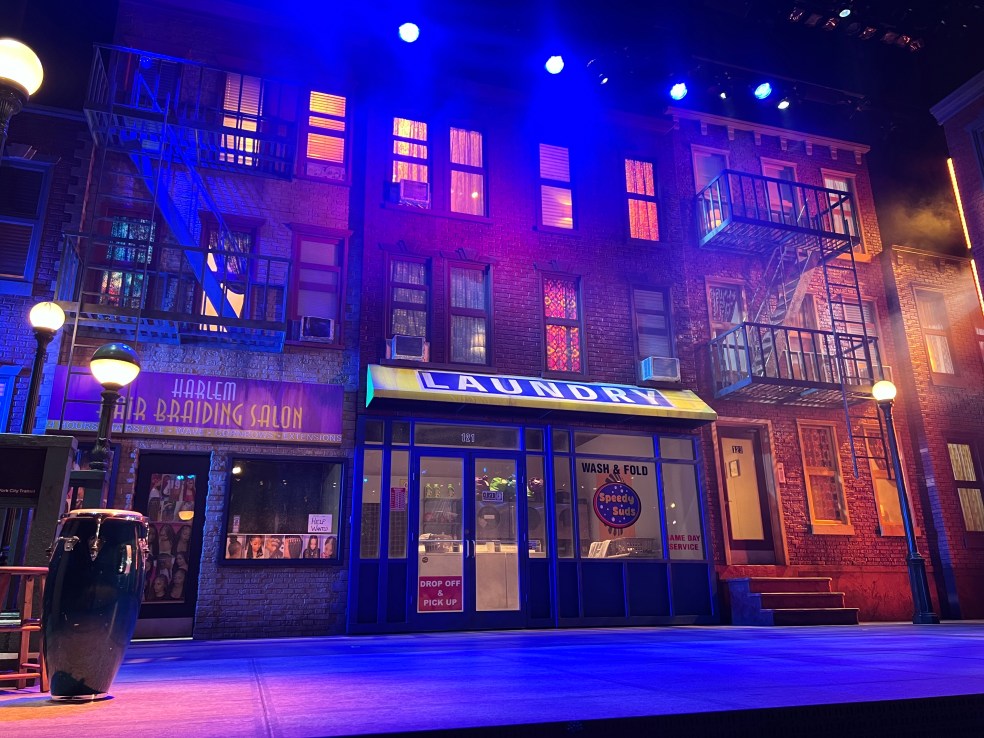


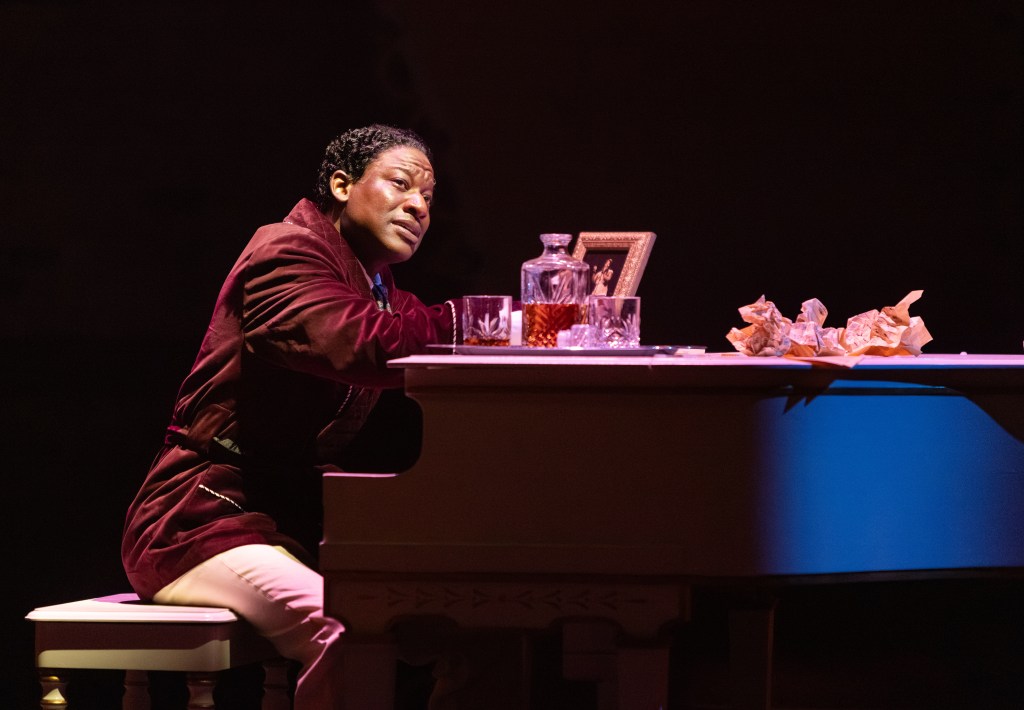

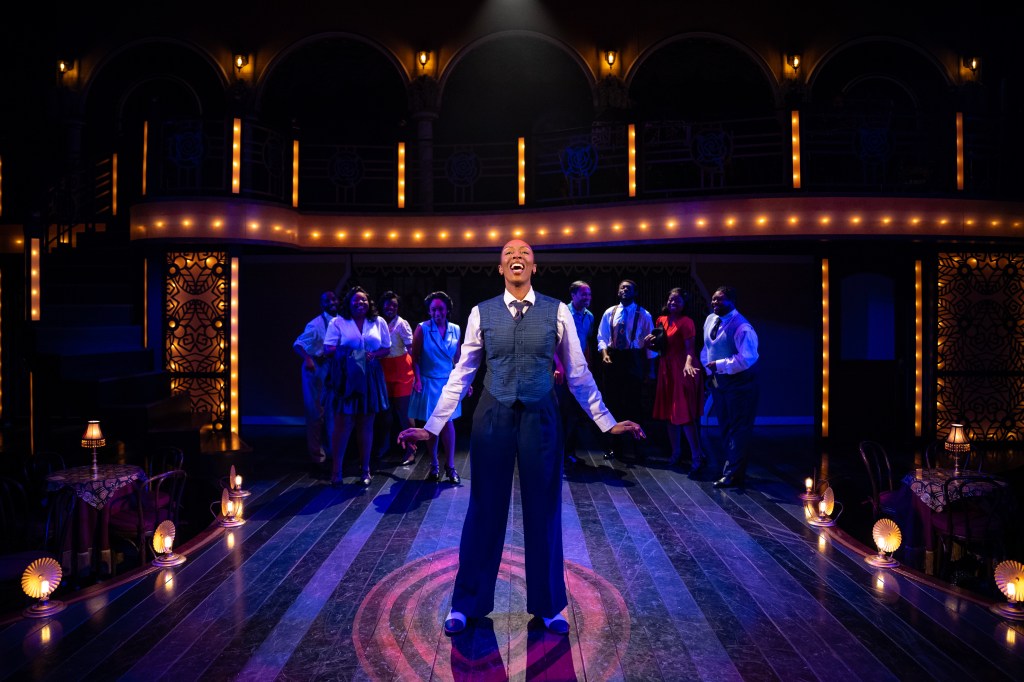


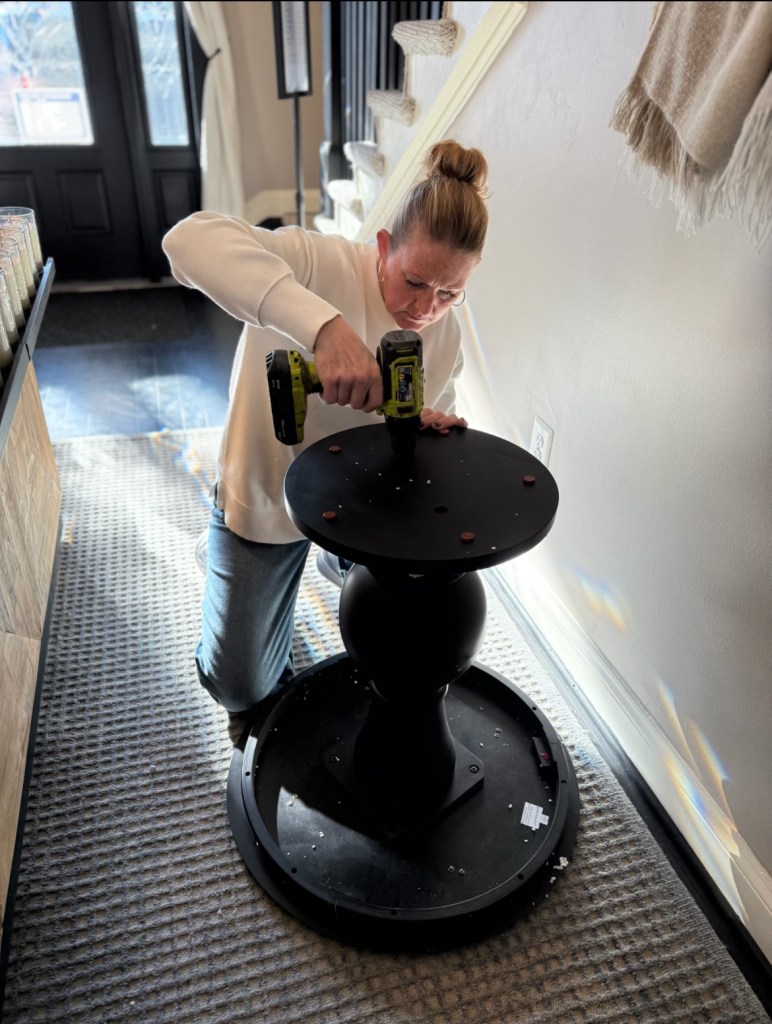
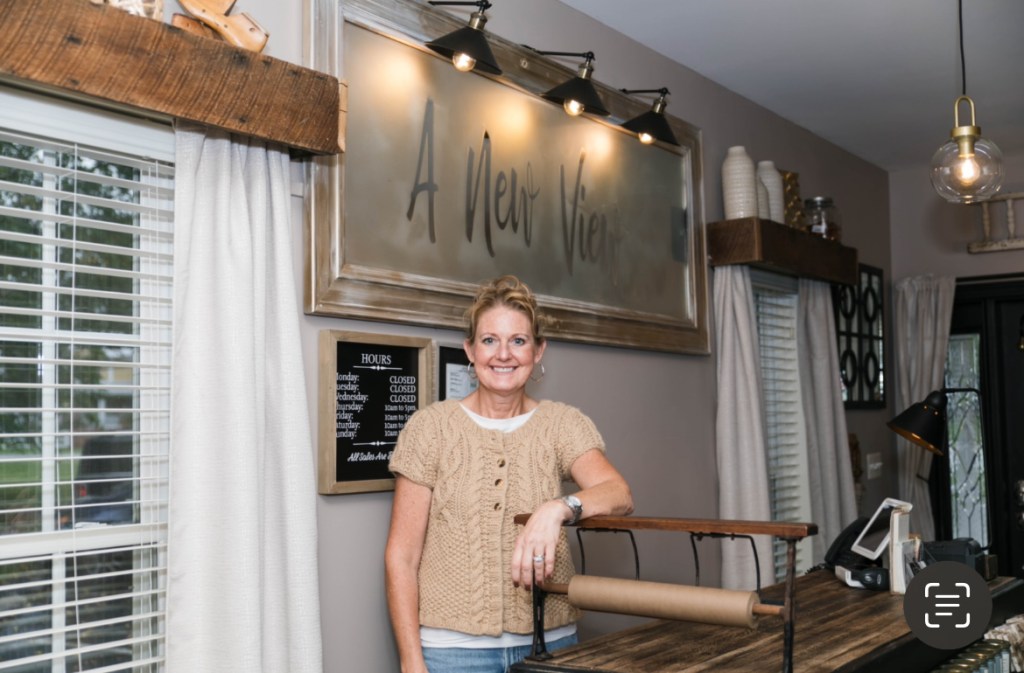

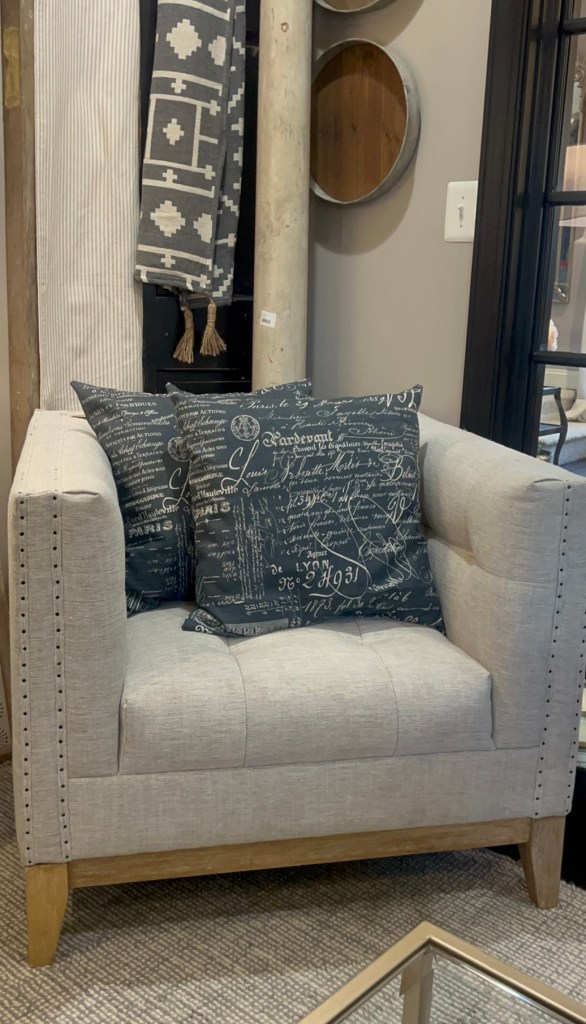


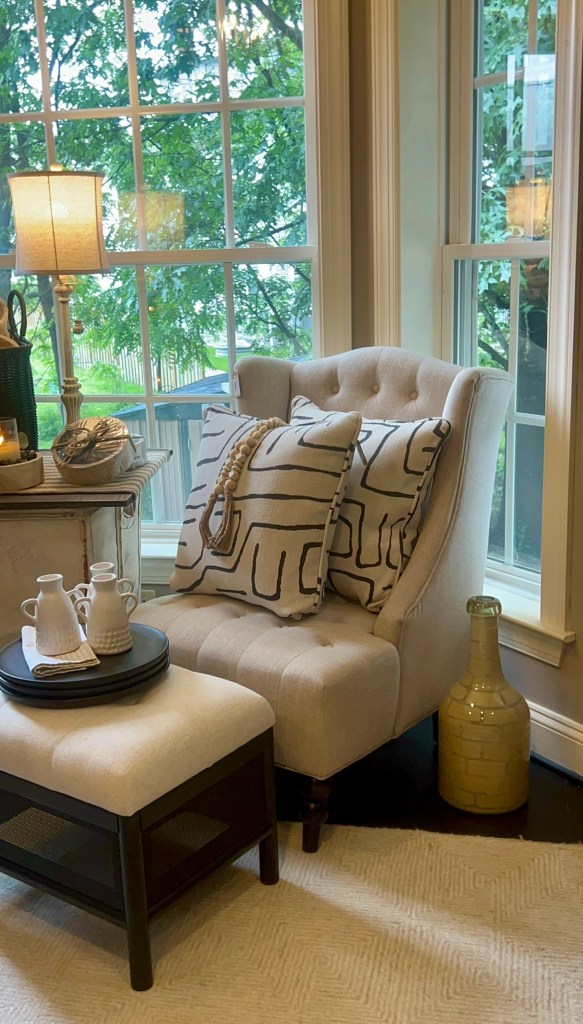
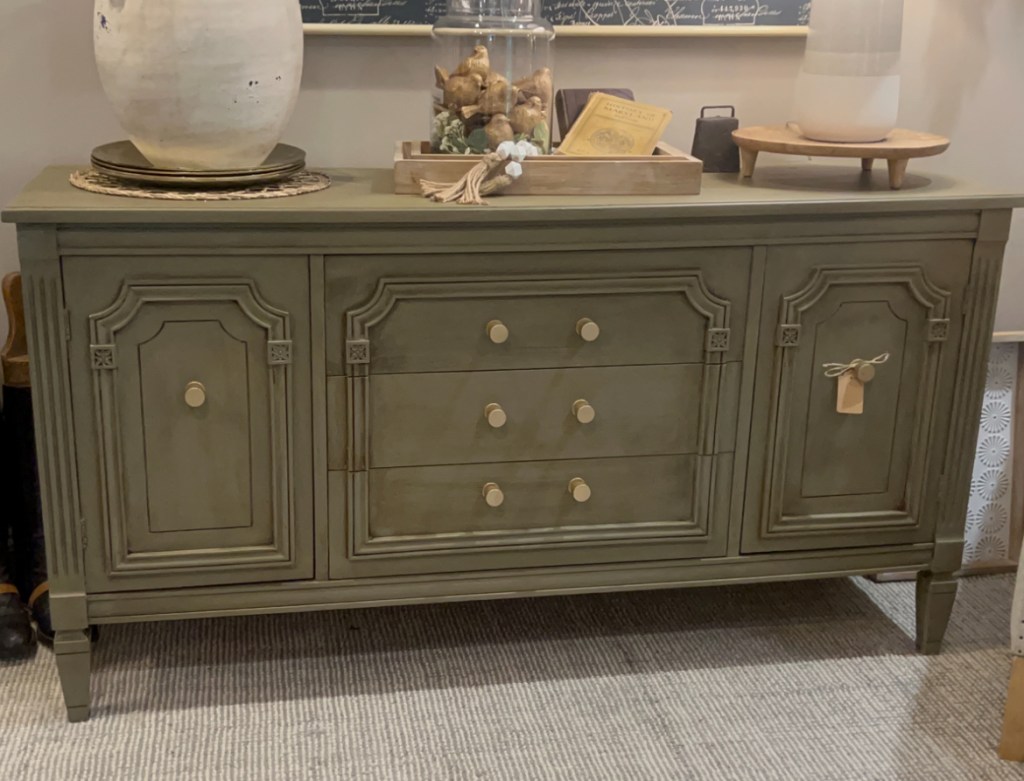
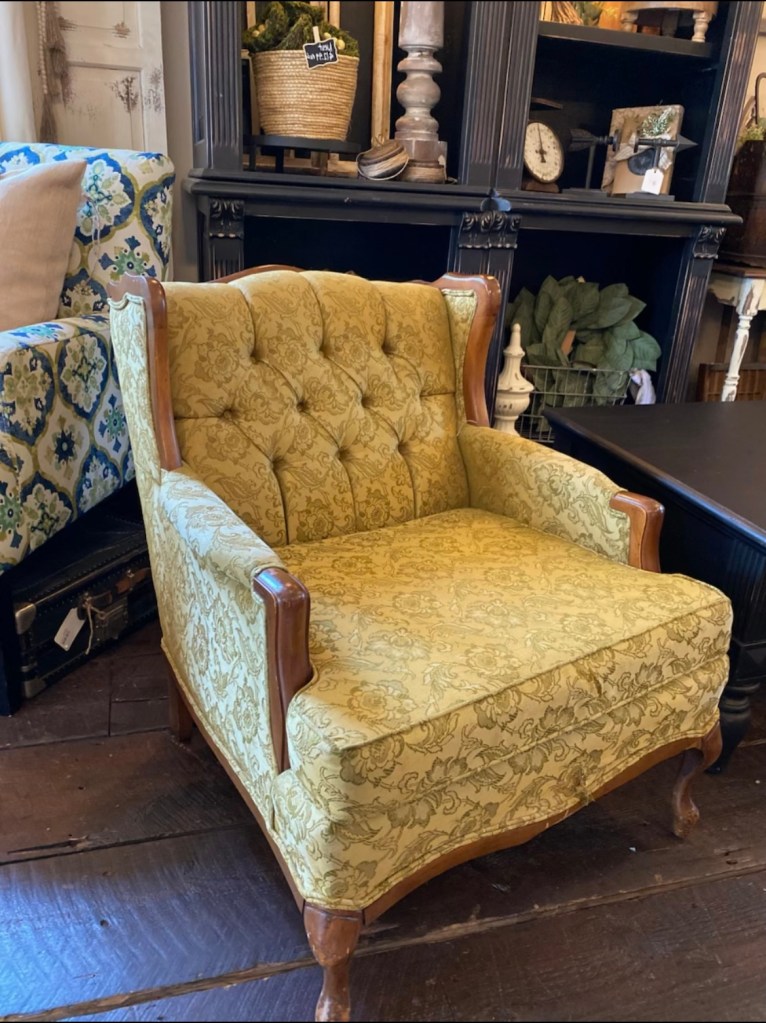

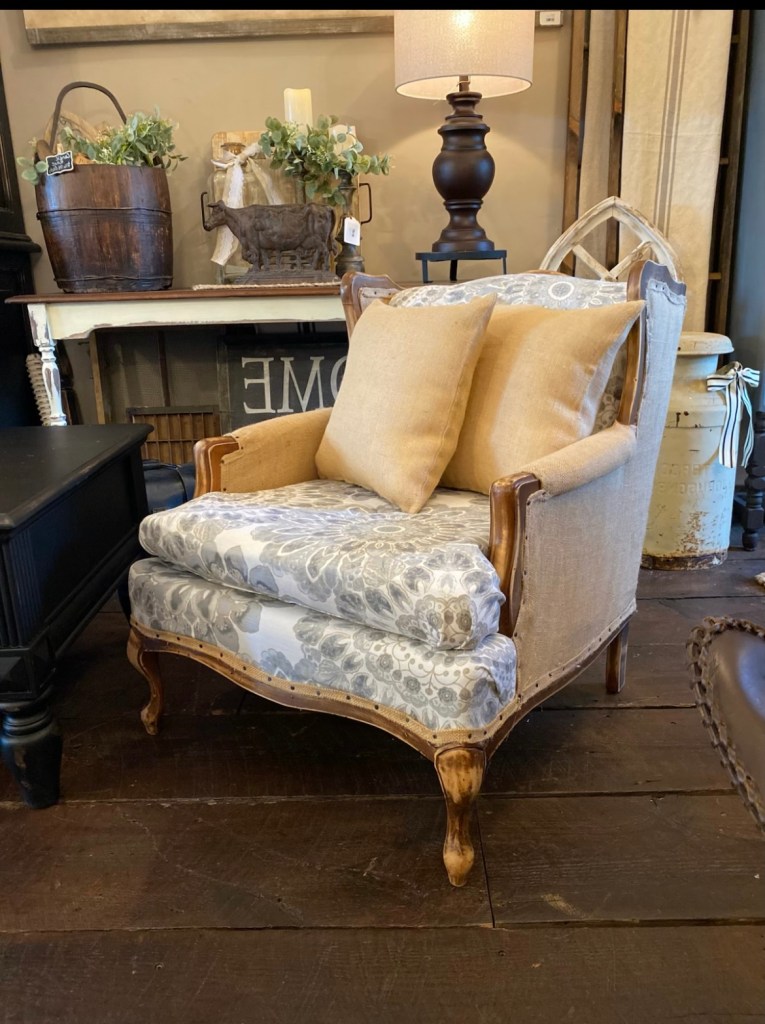
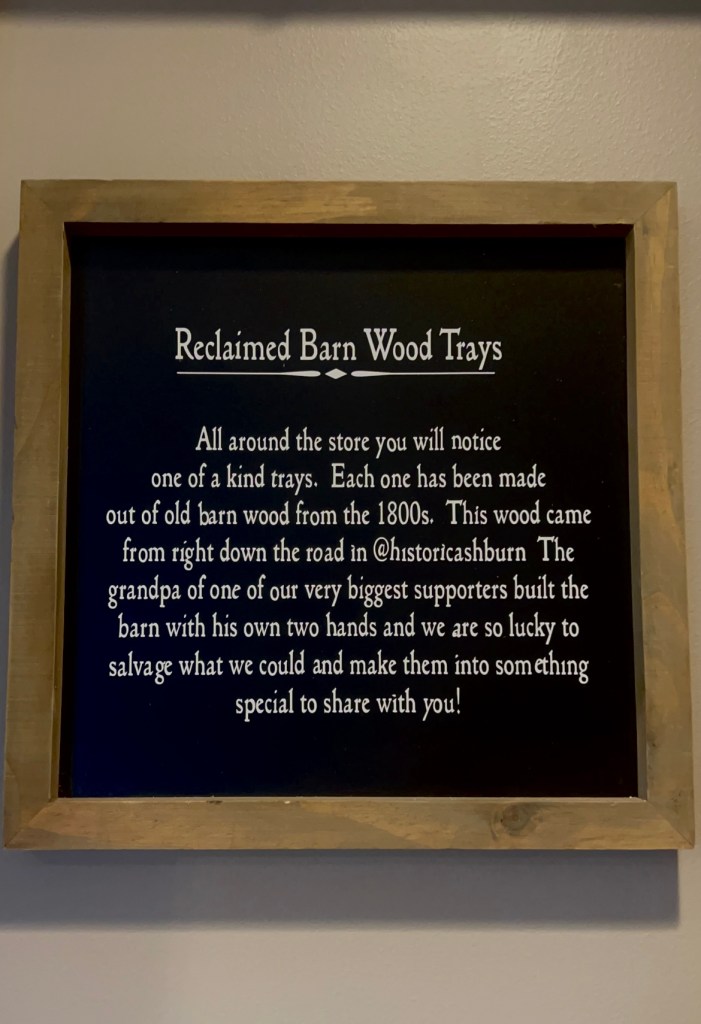
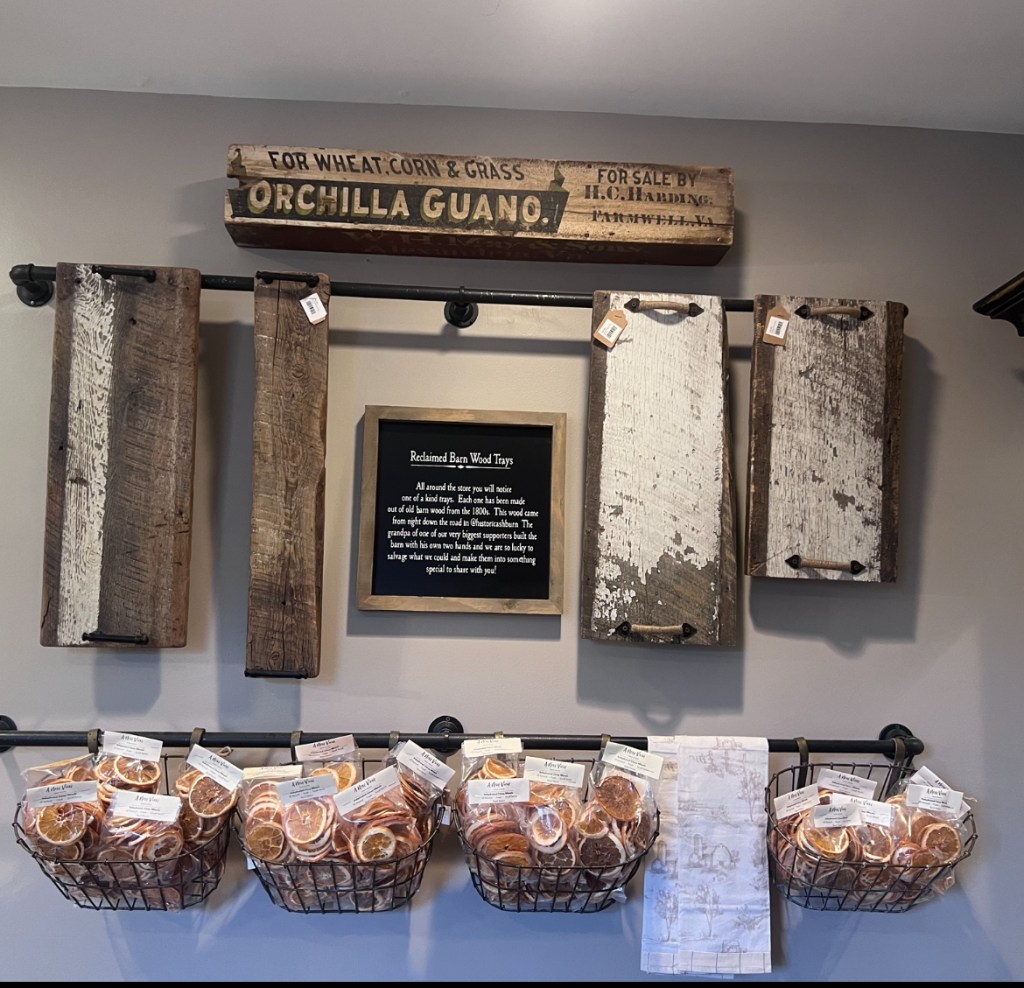

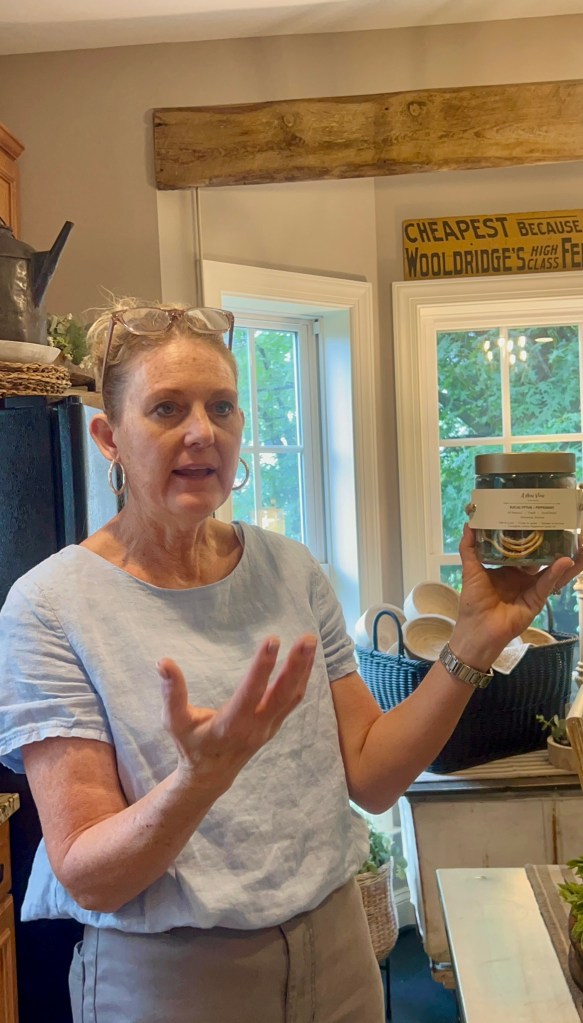






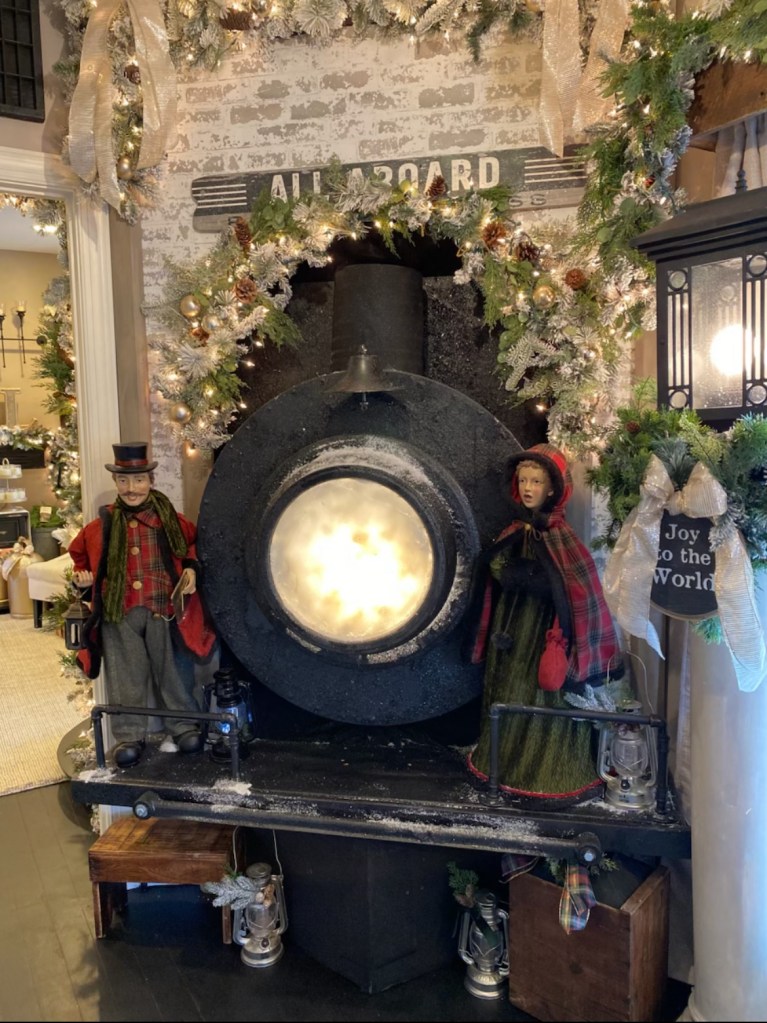











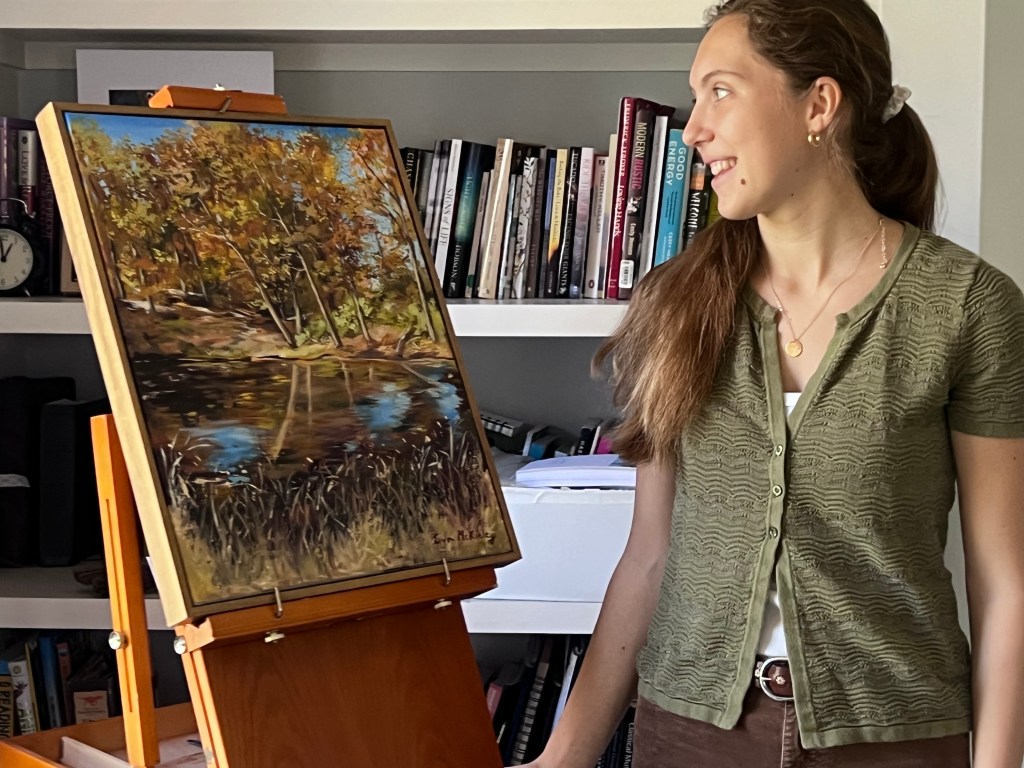


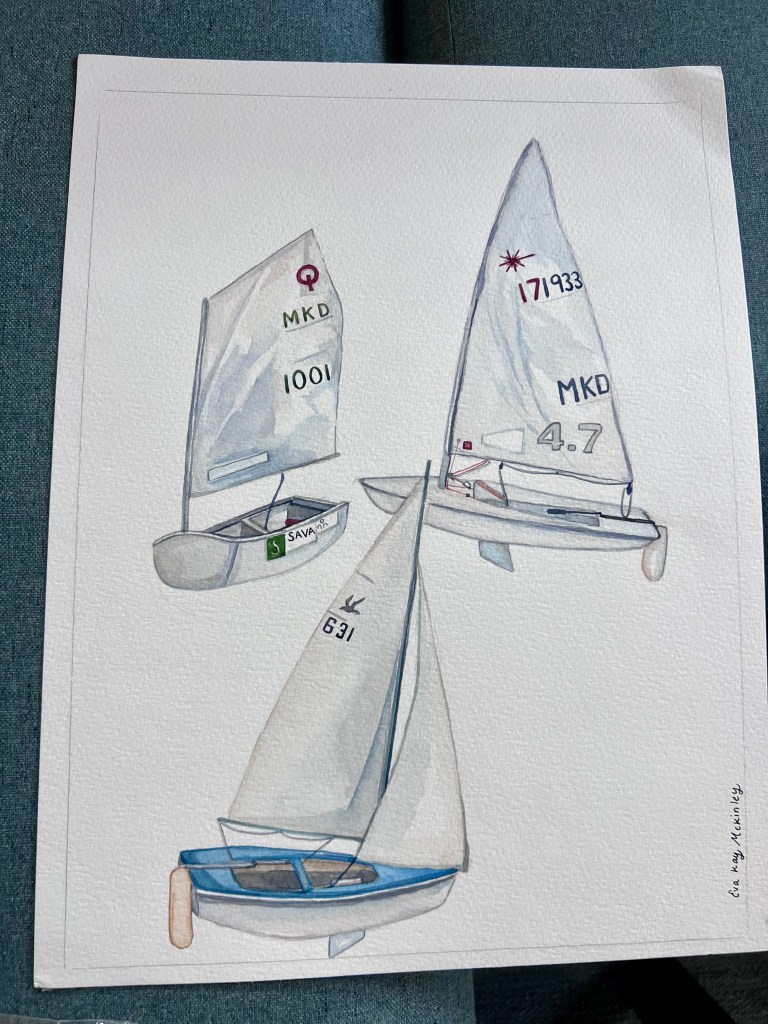
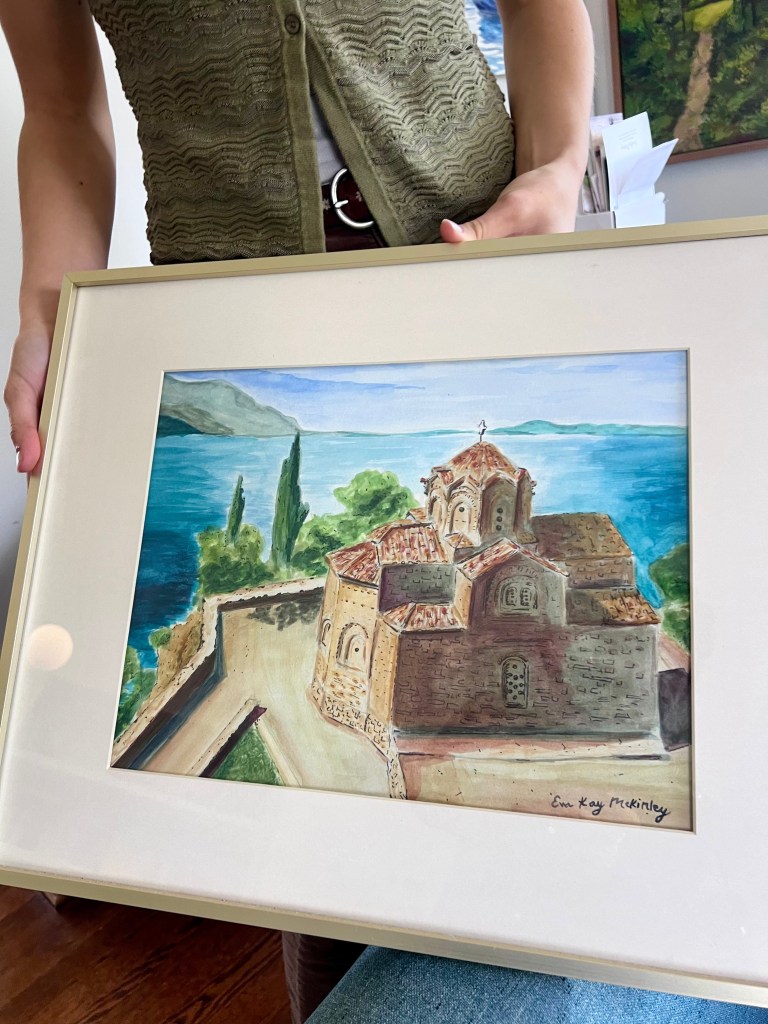






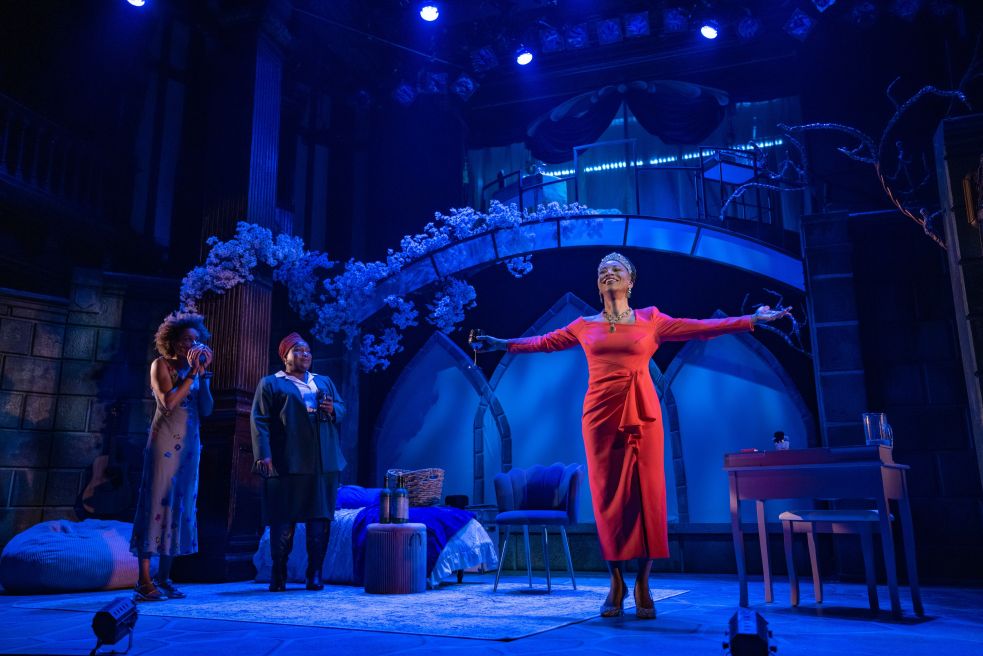

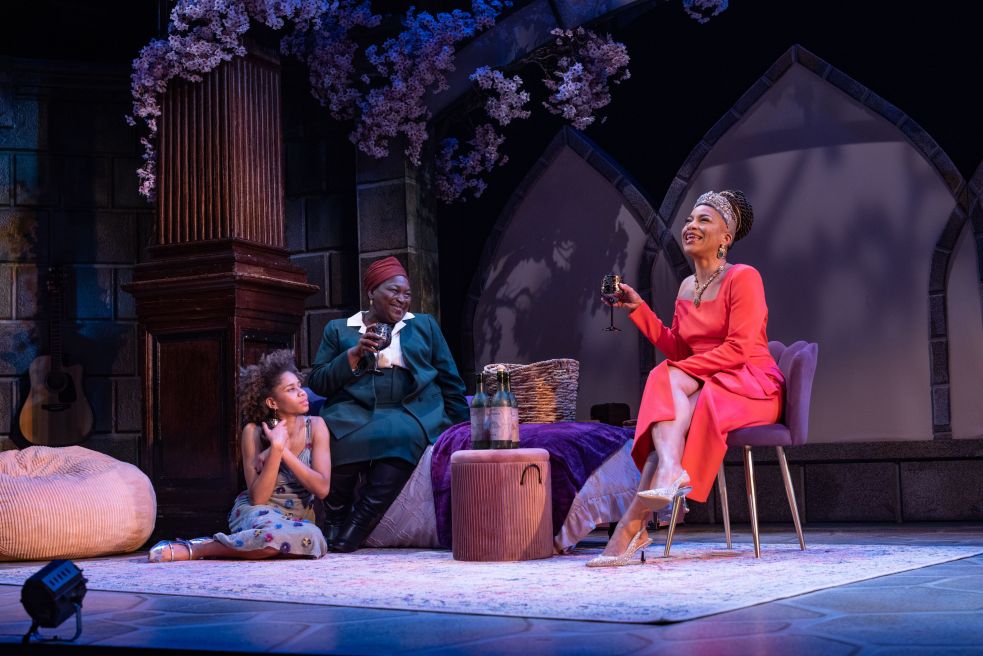















 Good News. Reviews. Events.