Celebrating Brian Ganz's Chopin Passion

Extreme Chopin: The Finale

A Passion Accomplished
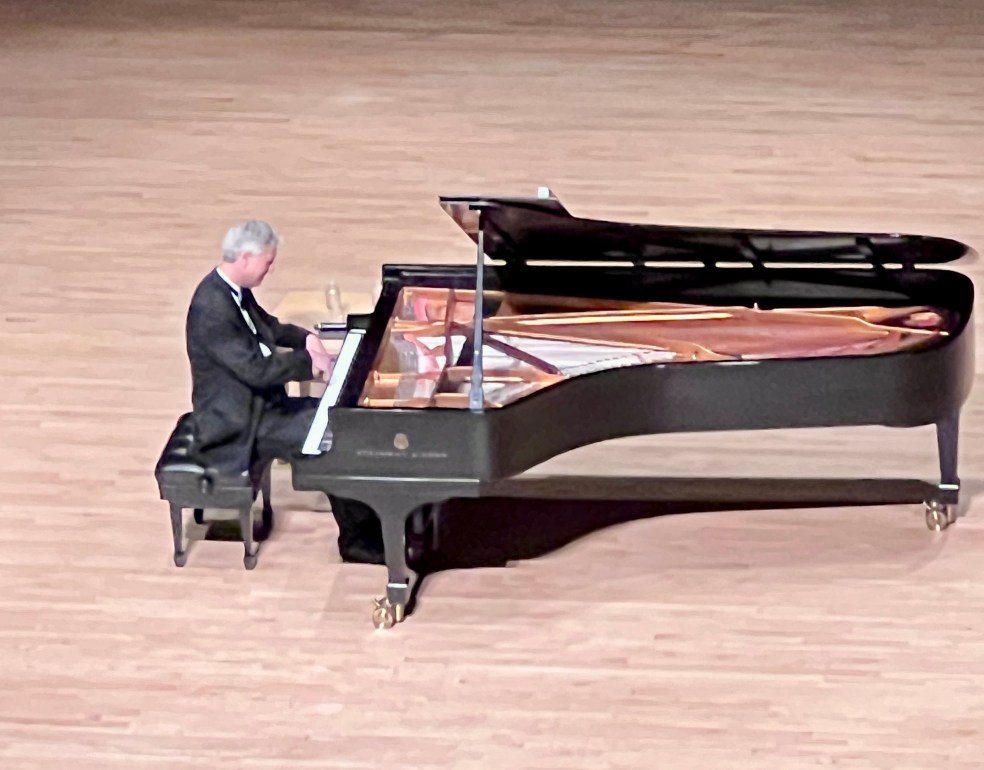
On April 11, the Music Center at Strathmore, North Bethesda, Maryland, was filled to capacity for the final recital of Brian Ganz’s 16-year performance project of the complete works of Frédéric Chopin.

What makes Chopin’s work enduring and remarkable?

That question framed the evening as pianist Brian Ganz completed his sixteen-year undertaking: the performance of Chopin’s complete works. The 1960-seat hall was at capacity. The atmosphere carried the sense of occasion. This was not simply a recital. It was the conclusion of a sustained pursuit.

From the first notes, the character of the performance was clear. The sound in the hall allowed for unusual precision. Phrases resolved fully. Even the most delicate endings remained present. The music did not wash over the room. It arrived with clarity and intent. Listening required attention. The audience met that demand with stillness.

The piano offers immense range in tone, tempo, phrasing, expression. Yet it does not yield that range easily. Much of it remains inaccessible to even accomplished pianists. Over the course of the evening, those capacities were realized through control, balance, and profound expertise with the instrument’s full language.
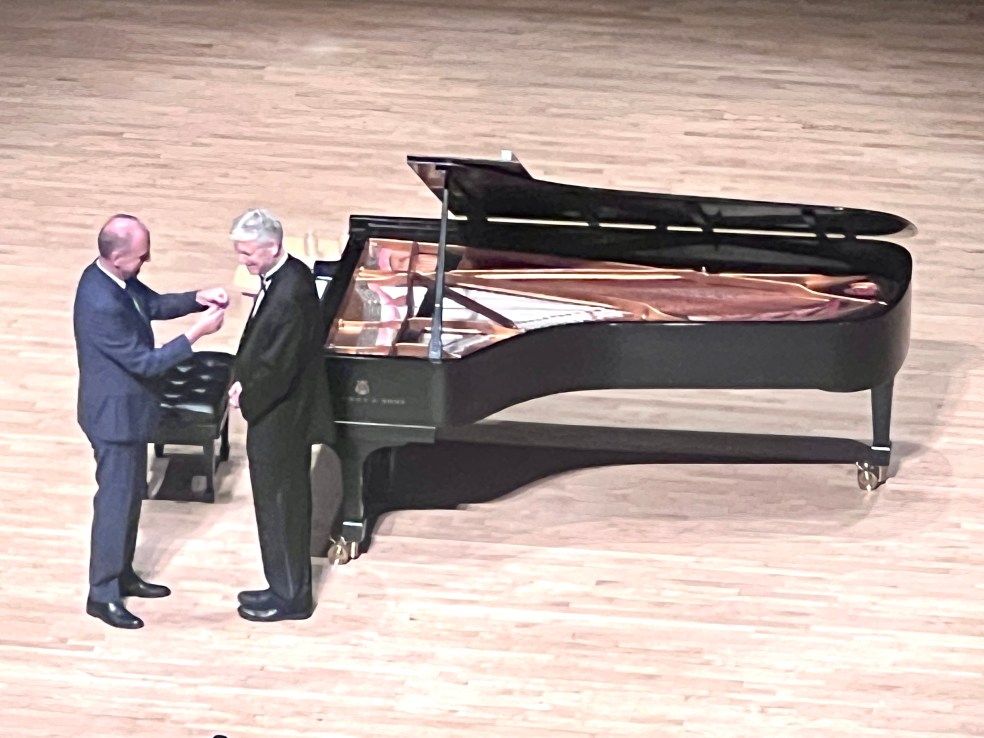
Brian Ganz received the Polish Bronze Medal for Merit to Culture – Gloria Artis (Medal Zasłużony Kulturze – Gloria Artis). The award was presented by a representative of the Polish Embassy at the start of the performance.

Between selections, Brian offered brief remarks on the pieces, their origins, and their place within Chopin’s body of work. At the piano, the orientation shifted. The performance did not project in a conventional sense. It remained focused, inward, and exacting. The audience was not led; we listened in.

With the encores, the energy changed. There, the connection to the room became direct. This was the acknowledgment that the work itself had been completed.

The program reinforced the range of Chopin’s writing—mazurkas, nocturnes, scherzo, barcarolle, berceuse. These forms do not argue or develop in the manner of Mozart or Beethoven—where they often construct musical conversation, Chopin presents observation and emotion. The music unfolds without dialogue. It reflects rather than debates. It reveals rather than persuades. That distinction became apparent.

For extended stretches, the playing maintained complete precision. There was no excess, no deviation, no interruption of line. While that level of control is not the objective, it was the condition that allowed clarity without force and expression without exaggeration.
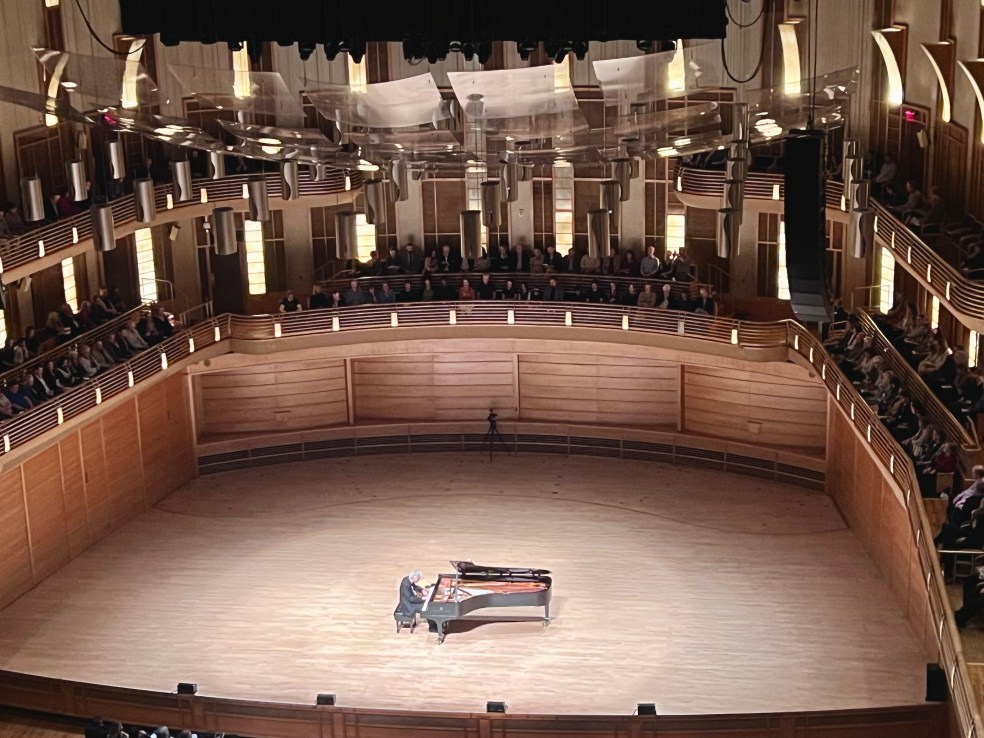
Awe-inspiring scale, undertaking, and exceptionality.

As the concert neared conclusion, Brian referenced the enduring question of Chopin’s “secret magic”—a question posed and explored, yet unresolved. After sixteen years immersed in the work, Brian offered a simple conclusion: he was no closer to an answer. He spoke of Chopin as an “oasis”—a place where he has lived, and one into which he welcomed us.

Writing notes furiously, at the conclusion of the performance, my pen ran out of ink. The faint outline of a word remained — “Unanswerable,” that Brian said.
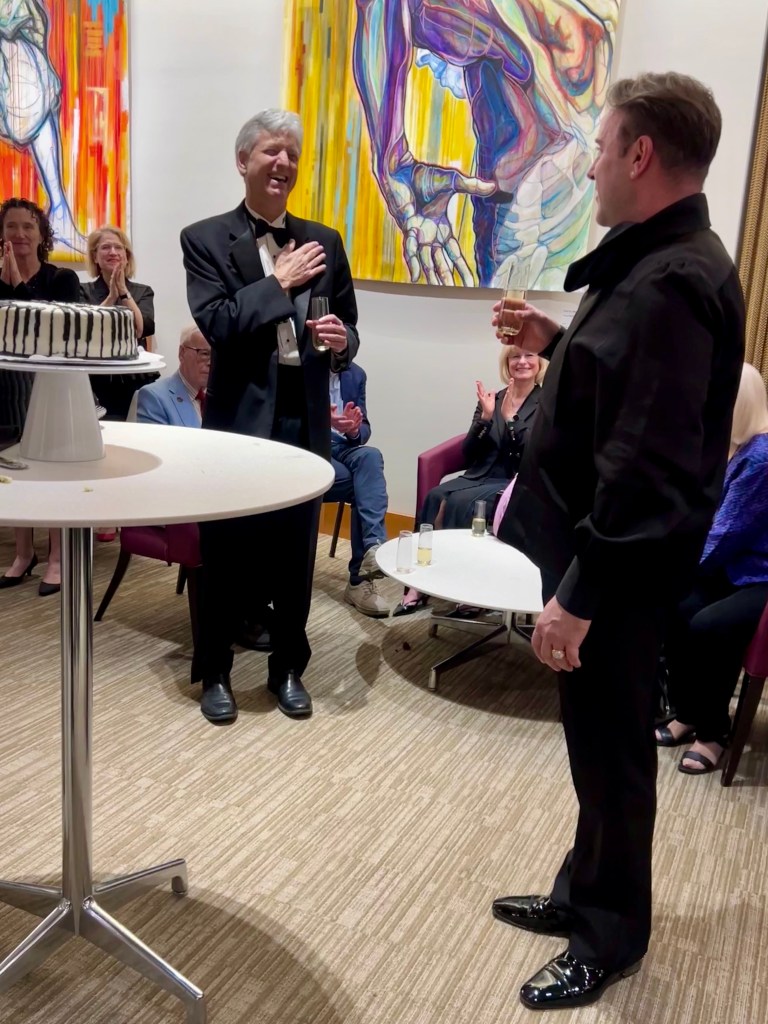
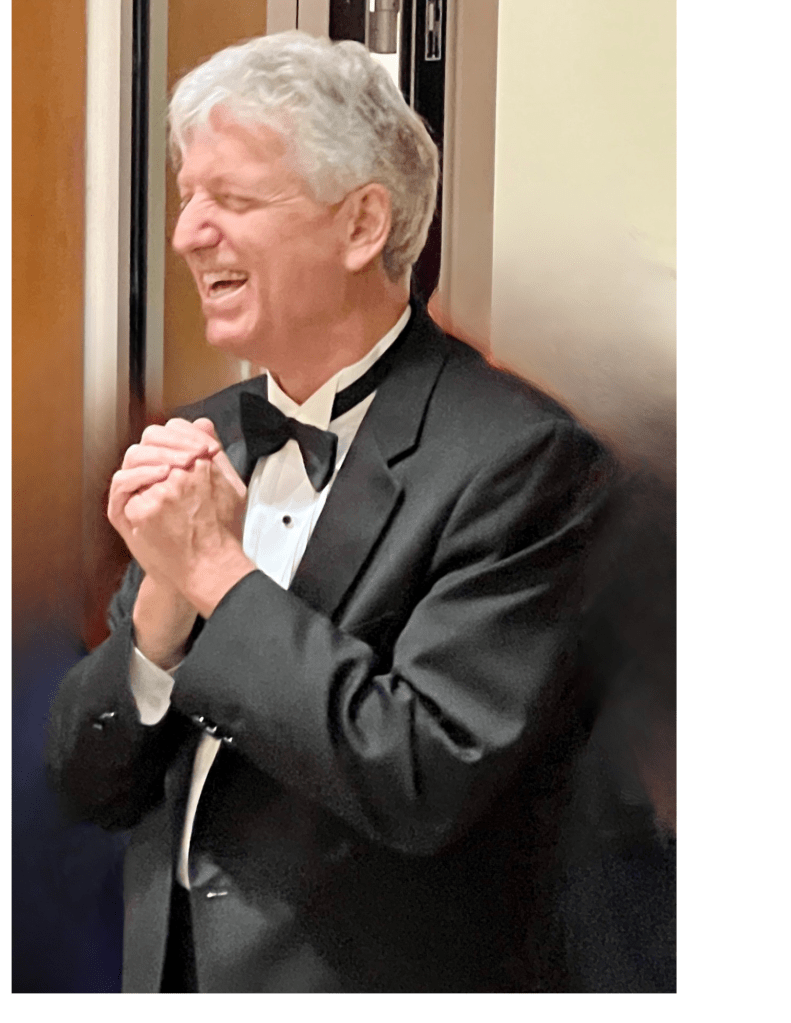
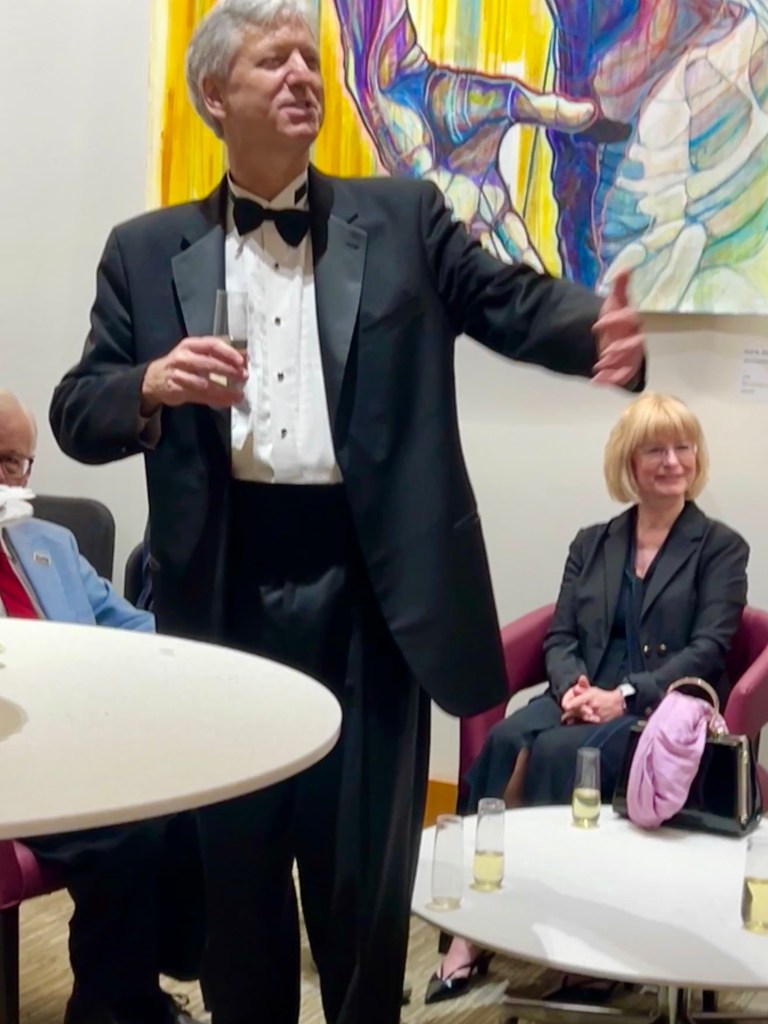
Post concert reception toast by Jim Kelly, President/CEO of National Philharmonic

The Brian Ganz Chopin Project has been presented at Strathmore by the National Philharmonic for the past 16 years. An enormous debt of gratitude to them for their support, encouragement, and presentation of excellence.
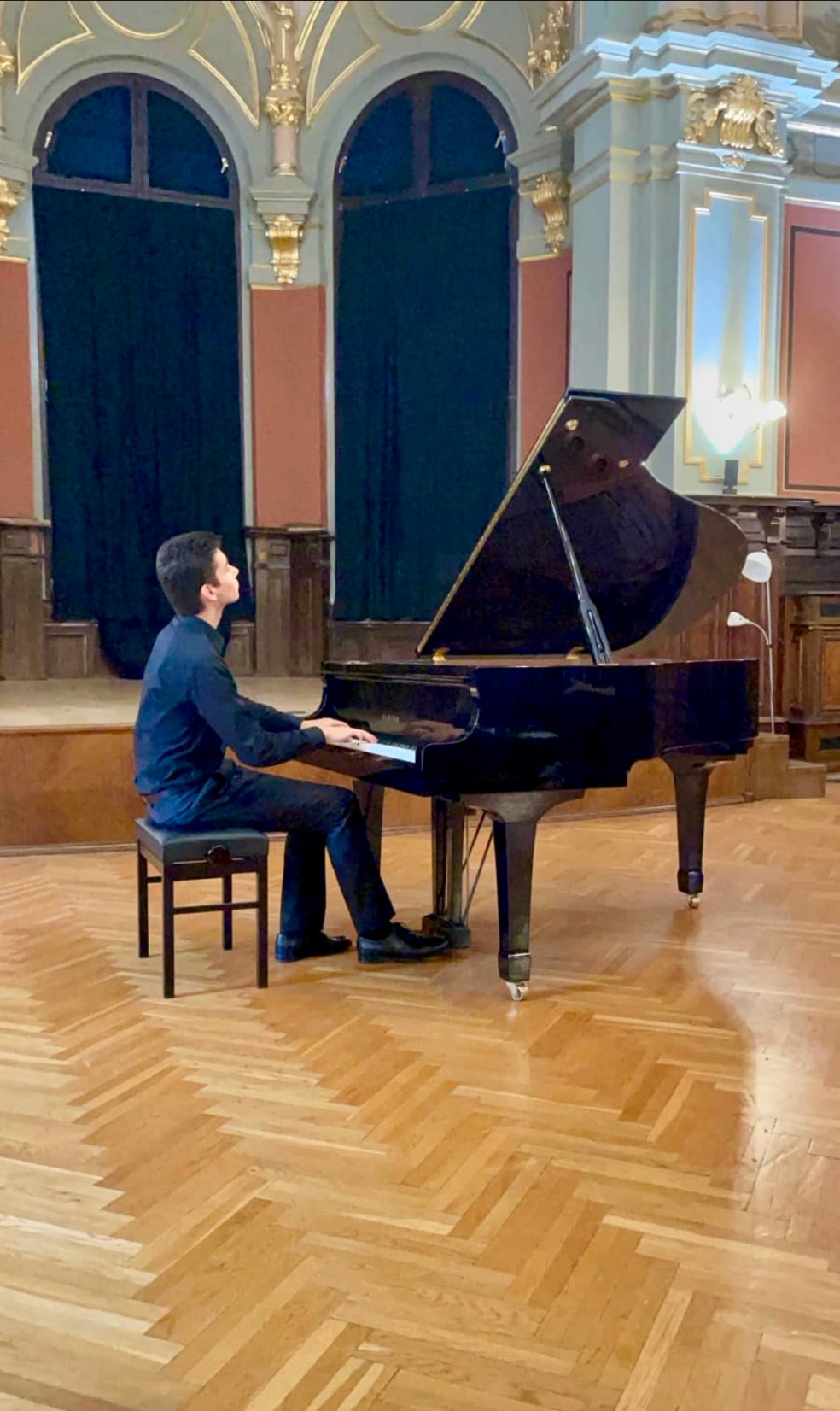
The Rising Star of Classical Piano: Philip Iliev

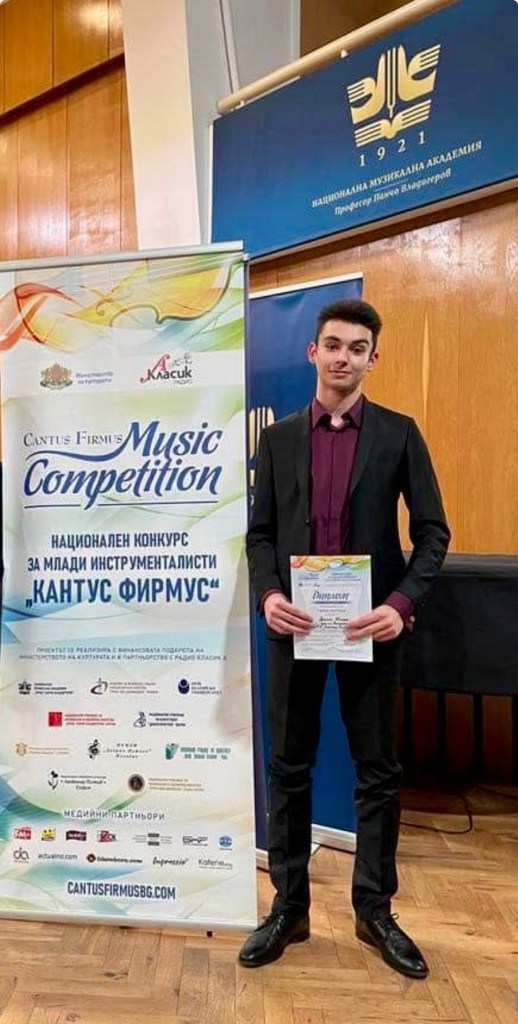
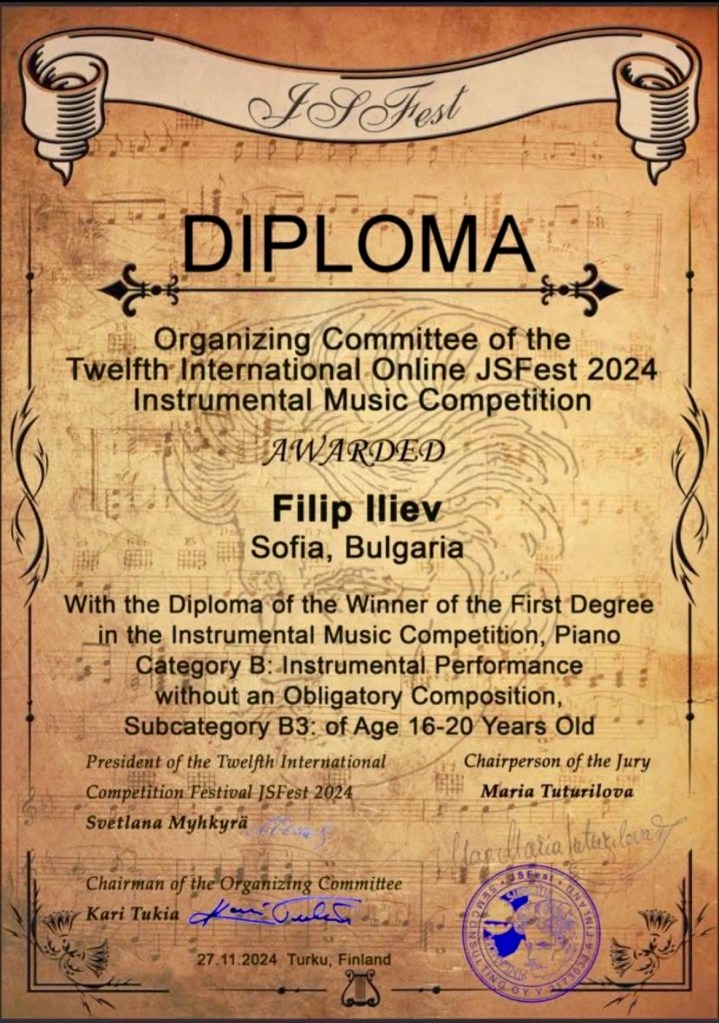
In the heart of Sofia, Bulgaria, a remarkable musical talent is blooming. At just 17 years old, Philip Iliev stands out as a classical pianist whose journey began with a simple moment of childhood curiosity – catching a glimpse of a piano on children’s television at age five. He has won over 30 national and international prizes for his virtuosity.

A Natural Calling

Unlike many prodigies pushed into music from infancy, Philip’s path to piano excellence was organic. His mother, Elena Kostova, waited to see genuine motivation before arranging his first lesson. That patience led to a serendipitous encounter with a top piano pedagogue, Angela Tosheva, in an unexpected setting – a garage studio workshop. By 2016, what started as childhood curiosity had crystallized into an unwavering calling.

Aviation Meets Artistry

Perhaps the most intriguing aspect of Philip’s background is his unique family heritage. Born to parents working in air traffic control, he inherited their exceptional attention to detail and capacity for total focus – crucial attributes for a classical pianist. While his father’s passion lies in aviation and the air, Philip found his calling in the grounded precision of piano keys. Though neither parent is a professional musician, their home resonated with the sounds of Italian opera and Mozart, creating a rich musical environment that nurtured his developing talent.

Technical Mastery

One cannot discuss Philip’s abilities without mentioning his remarkable physical gift – hands that can span 12 tones, reminiscent of Rachmaninov himself. While he’s quick to acknowledge that smaller hands can achieve excellence, these natural attributes give him additional versatility at the keyboard. His approach to practice is uncompromising and holistic – when tackling Chopin’s etudes, he aims to master all 24 (the entirety of the original 2 Opuses), elevating each composition to its highest potential. Of the Chopin etudes, his favorites are opus 25 no. 10 in B minor and opus 25 no. 12 in C minor. Philip stresses that “Music is a tapestry of tones, emotions, intentions, and mathematics. To create a pleasing, technically correct, and moving performance, every aspect of a composition must be assessed, studied, then played slowly at first, gaining momentum as confidence and understanding grow.”

Musical Philosophy

What sets Philip apart is not just his technical prowess but his mature approach to interpretation. He raises the spirit and soul of the music. He holds a particular fascination with Rachmaninov, noting how the composer’s relatively recent place in musical history allows for a more immediate connection to his intentions. “We can hear him,” Philip explains, suggesting a direct line of artistic interpretation that bridges the temporal gap. He also mentions that his hands have been compared to the composer.

His repertoire choices reflect a sophisticated understanding of classical music’s breadth. Rather than claiming a favorite composer, he allows his mood to guide him through the works of Brahms, Chopin, Liszt, and Bach. This emotional intelligence in his musical choices speaks to a maturity beyond his years.

He Studies at a High Level

Philip is a student at an immersive musical arts school in Sofia where academics blend with his art. “Truth be told, I prefer the music,” he shared. His school, National Music School, Lyubomir Pipkov  , believes that “Music Comes First.” He currently stuies with Professor Alexander Vassilenko.  In addition to academics and his school Philip takes masterclasses at almost every opportunity. In addition to his school, his motivation and curiosity has taken him on three occasions to Salzburg, Austria, where  he attended the Mozarteum University, ClavoCologne Master Class, then returned to follow up classes with a particular professor that he found most  inspiring.

The Competition Circuit

Since his first professional competition at age ten, Philip has been making waves in the classical music world. His competition preparations are methodical and thorough.He  often performs in venues including the concert halls of the National School of Music and National Academy of Music in Sofia, and the Plovdiv School of Music’s concert hall. His recent recognition for interpreting the works of Lyubomir Pipkov, a leading Bulgarian composer, demonstrates his ability to master both traditional repertoire and more contemporary pieces. Listen to his latest competition performance of Liszt-Paganini Etude No 6

Looking Forward

As Philip continues to develop his artistry, his goals remain ambitious yet focused. He has immersed himself in the complete works of the great composers, having listened to thousands of hours of Chopin, alone. His systematic approach to mastering entire collections – from ballads and scherzos to sonatas and concertos – suggests a promising future in the international classical music scene. His goal for the 2025 season is to prepare for the Bulgarian competition circuit in the fall with future goals for international opportunities.

In an era where classical music sometimes struggles to find its place among younger generations, Philip Iliev represents a bright hope for the future. His combination of technical excellence, emotional maturity, and unwavering dedication marks him as a rising star in the classical piano world, one whose journey has only just begun.