A Passion Accomplished
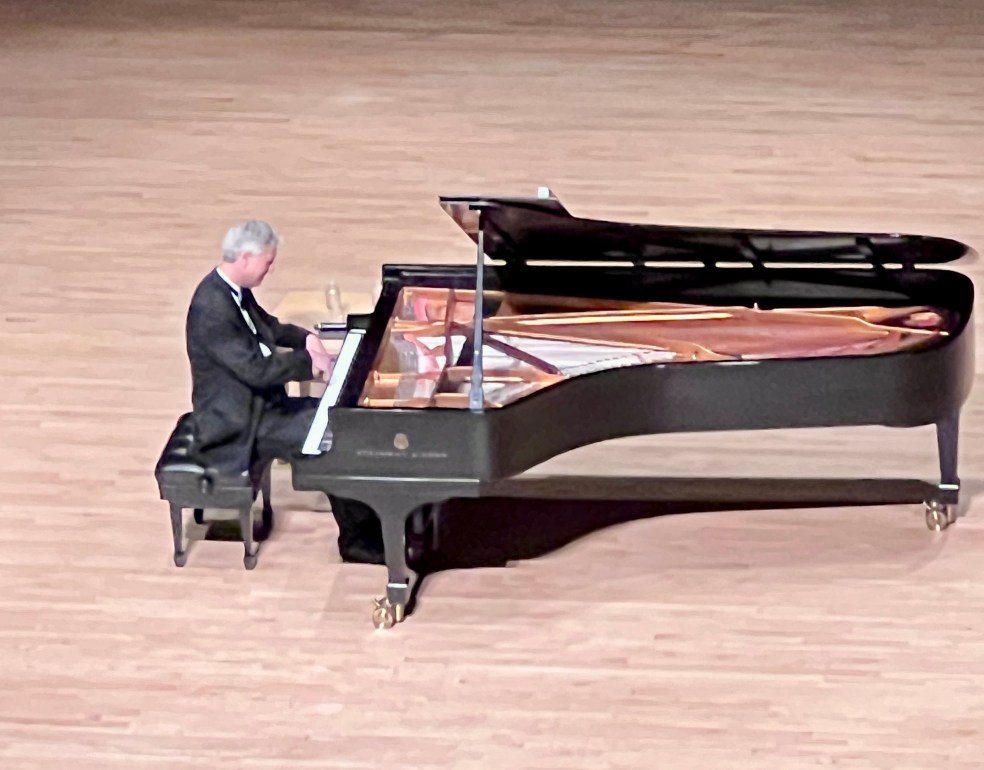
On April 11, the Music Center at Strathmore, North Bethesda, Maryland, was filled to capacity for the final recital of Brian Ganz’s 16-year performance project of the complete works of Frédéric Chopin.
What makes Chopin’s work enduring and remarkable?
That question framed the evening as pianist Brian Ganz completed his sixteen-year undertaking: the performance of Chopin’s complete works. The 1960-seat hall was at capacity. The atmosphere carried the sense of occasion. This was not simply a recital. It was the conclusion of a sustained pursuit.
From the first notes, the character of the performance was clear. The sound in the hall allowed for unusual precision. Phrases resolved fully. Even the most delicate endings remained present. The music did not wash over the room. It arrived with clarity and intent. Listening required attention. The audience met that demand with stillness.
The piano offers immense range in tone, tempo, phrasing, expression. Yet it does not yield that range easily. Much of it remains inaccessible to even accomplished pianists. Over the course of the evening, those capacities were realized through control, balance, and profound expertise with the instrument’s full language.
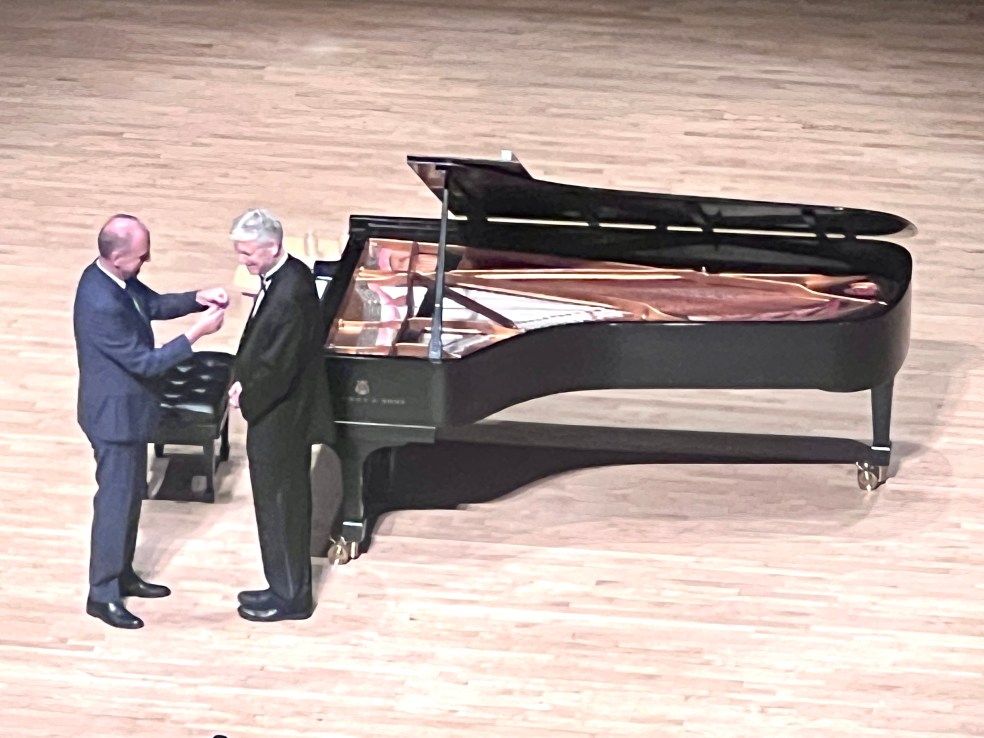
Brian Ganz received the Polish Bronze Medal for Merit to Culture – Gloria Artis (Medal Zasłużony Kulturze – Gloria Artis). The award was presented by a representative of the Polish Embassy at the start of the performance.
Between selections, Brian offered brief remarks on the pieces, their origins, and their place within Chopin’s body of work. At the piano, the orientation shifted. The performance did not project in a conventional sense. It remained focused, inward, and exacting. The audience was not led; we listened in.
With the encores, the energy changed. There, the connection to the room became direct. This was the acknowledgment that the work itself had been completed.
The program reinforced the range of Chopin’s writing—mazurkas, nocturnes, scherzo, barcarolle, berceuse. These forms do not argue or develop in the manner of Mozart or Beethoven—where they often construct musical conversation, Chopin presents observation and emotion. The music unfolds without dialogue. It reflects rather than debates. It reveals rather than persuades. That distinction became apparent.
For extended stretches, the playing maintained complete precision. There was no excess, no deviation, no interruption of line. While that level of control is not the objective, it was the condition that allowed clarity without force and expression without exaggeration.
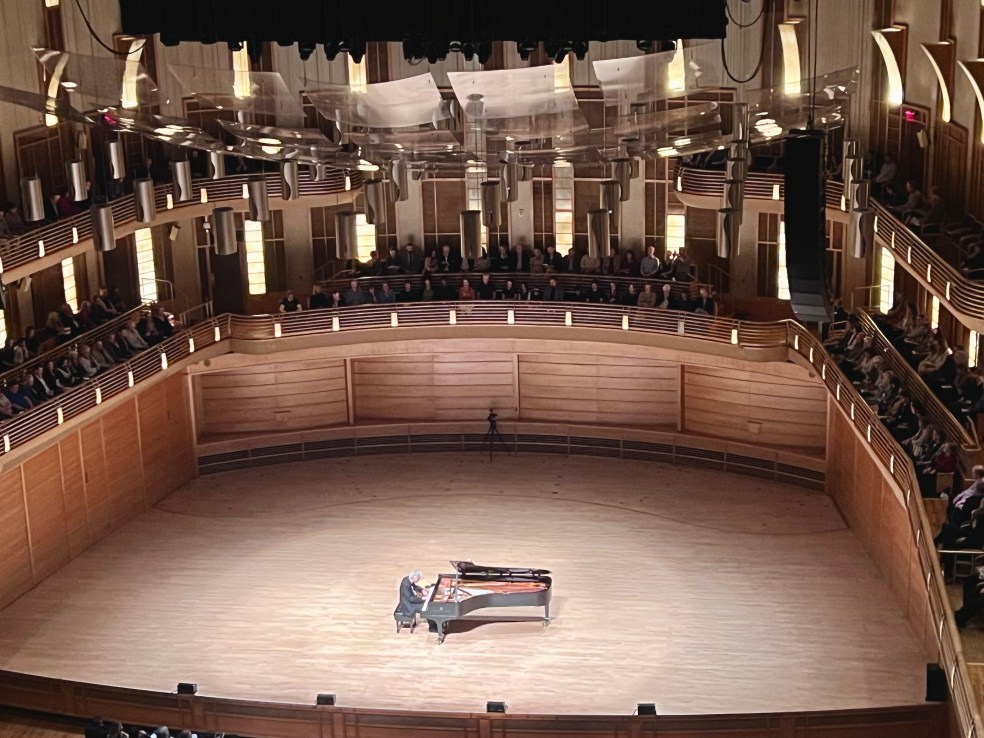
Awe-inspiring scale, undertaking, and exceptionality.
As the concert neared conclusion, Brian referenced the enduring question of Chopin’s “secret magic”—a question posed and explored, yet unresolved. After sixteen years immersed in the work, Brian offered a simple conclusion: he was no closer to an answer. He spoke of Chopin as an “oasis”—a place where he has lived, and one into which he welcomed us.
Writing notes furiously, at the conclusion of the performance, my pen ran out of ink. The faint outline of a word remained — “Unanswerable,” that Brian said.
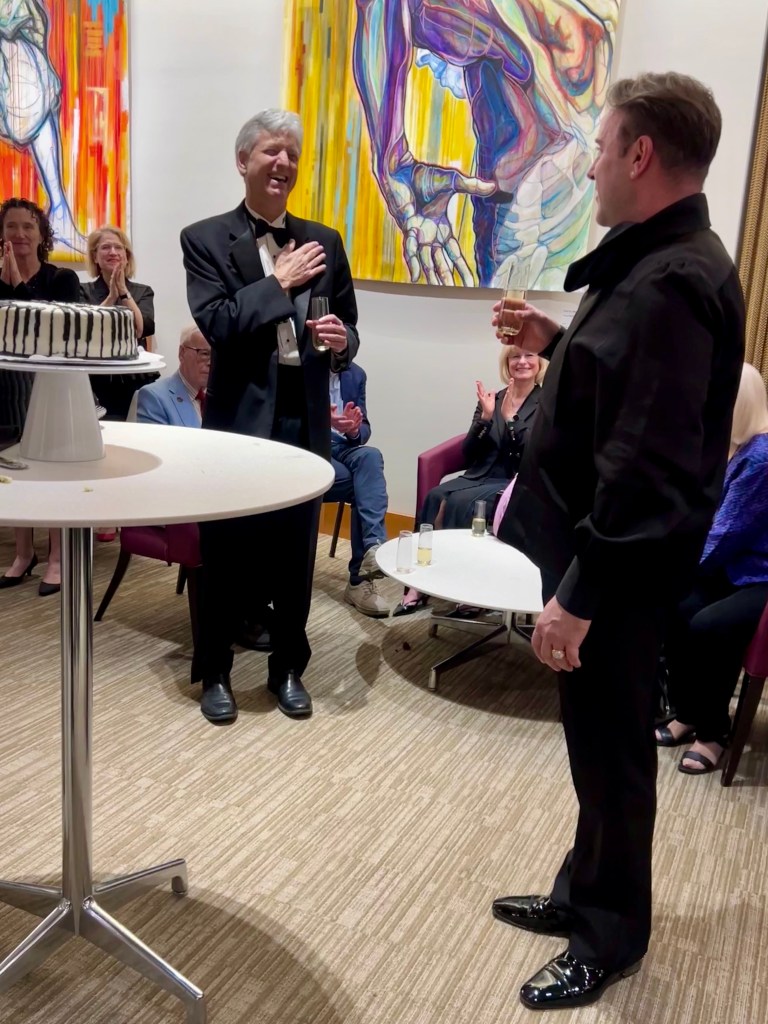
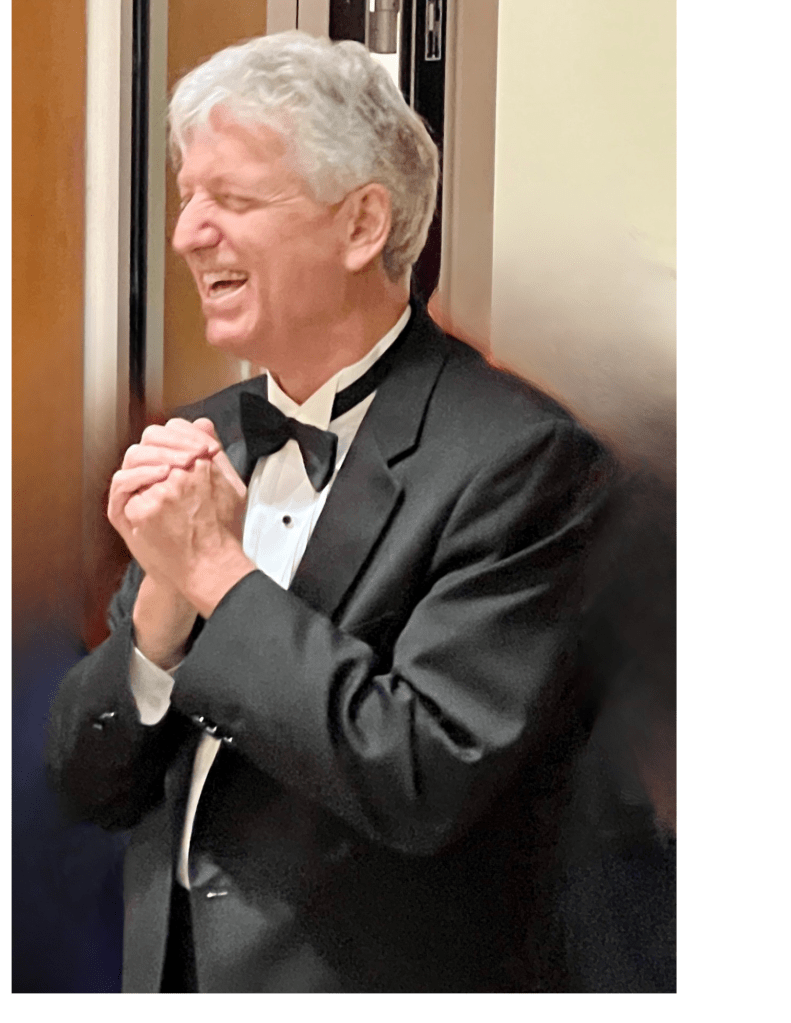
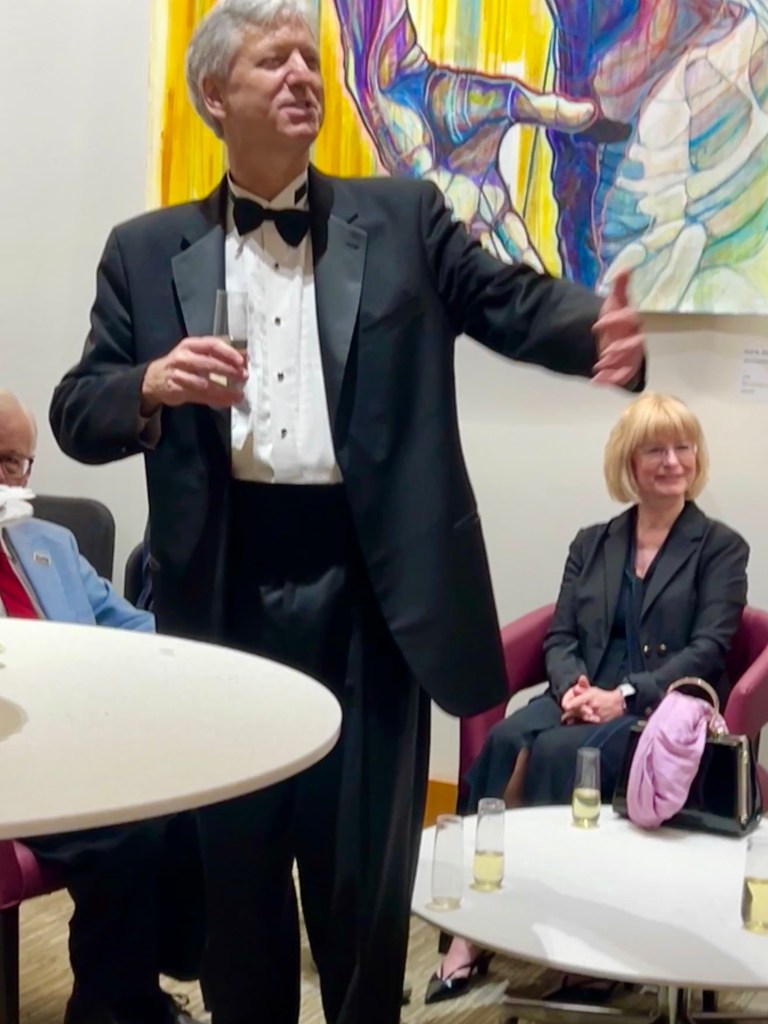
Post concert reception toast by Jim Kelly, President/CEO of National Philharmonic
The Brian Ganz Chopin Project has been presented at Strathmore by the National Philharmonic for the past 16 years. An enormous debt of gratitude to them for their support, encouragement, and presentation of excellence.