She looked worn, thin, and sad yet resolute as she addressed a video camera. That video captured her address to the world. The world: some of whom had manufactured malicious rumors, some who had wished her well, and some who were benignly disinterested.
Since her publicly recognized association with the future king on the U.K. she has been pursued, hounded, written about, photographed, and generally had her entire life and family invaded. Love is blind. She happened to fall in love with the gentleman who also loved her. She has reaped benefits that nobility and wealth can only bestow. The price that she has paid is exceedingly high.
Beyond the beautiful gowns, jewels, horse drawn carriages, gala events, associations with the world’s leaders, and power, there is a young woman who loves her children and who needs some time to herself.
She has had to conform to the royal protocol and went all in to learn, assimilate, and be the best possible representative of the “family”Firm.” Not a hair is out of place, not a wrinkle shows on her dresses, and not a scuff appears on her shoes. She held countless bouquets with a smile, even when she did not feel like smiling. She wore four-inch heels when nine moths pregnant. She walked miles in stilettos to represent the best to the world. She was pictured smiling at galas, meetings, and patronages while she was experiencing the terrible effects of hyperemesis gravidarum .
She has been betrayed by “members” of the royal family with bad manners and misrepresentations. She endured a most uncomfortable funeral for the Queen, whom she loved. Her jaw was clenched for hours under the delicate black veil of her fashionable hat. She could not express emotion and refused to communicate with her husband’s brother and his wife, whose mission was to destroy her family.
Last year she was criticized for being too fashionable and taking attention from the King and his heir. She accommodated by changing her image. She “dressed down” by letting her hair grow longer and looked more working-motherisih. The style and fashion repression she endures is unthinkable.
Whatever was asked, she has made Herculean efforts to accommodate. At what price? Her health. Anxiety can often impact one’s gastrointestinal system – think nausea and vomiting when stressed – imagine living that was daily. Her hyperemesis gravidarum could very possibly been produced by her unceasing public review. Her sister, Pippa, did not experience this condition.
Behind the perfect smile and under the gorgeous garments is a heart beating with the stress of the required perfection. Despite incredible efforts for a perfect image, the body’s chemistry copes by secreting hormones. Could the recently detected malignancy be a result of nearly two decades of unrelenting microscopic inspection of every hair follicle and hand gesture with no privacy?
Why is the royal family of the UK fodder for invasive journalism? Who stripped them of their privacy? Other royal families have relative privacy. Yes, the royals must be seen. Must they be “seen” incessantly? How do these humans recharge their energy? They are pursued with long lenses like safari animals. Their intimate moments are invaded. Yet, her pursuers have private moments and times. The public need not know how often they sneeze, “relax,” play with their children; argue. They are human. Perfection is impossible.
The voracious journalists must become creative in their reporting and find other fodder. They hounded the Princes’ mother to her death. This time, given her husband’s extraordinary efforts to protect her, it might be slower. The Princess is not obligated to disclose every biological situation that affects her. For those who questioned it, she appears to be very much present. Leave her alone to deal with her situation privately so that she can regain her health. Her road is very difficult. She must be afforded the respect and curtesy of privacy. She must have time to set aside the tiaras and gowns and focus on her recovery – spiritually, emotionally, and physically, as she so poignantly asked.
The relentless pursuit of images and stories is destroying this lovely woman from the inside. “Back off” must be the message to the press.
Sadly, her lonely image on the wooden bench resembled a dog that had been hit by a car and left. She deserves better than this. This woman is not a Disney princess who is always accessible. She is a flesh and blood woman who bleeds if she is pricked, who gasps if being suffocated, who will die if poisoned, and who will hide in the light of relentless pursuit.
The resounding silence from her pursuers is deafening. May it remain this way.
We wish the Princess a full and permanent recovery
Brodie Donougher PC: Poetry Film Productions The DancerPhoto by Lumosia Photography London One of the many faces of Brodie Donougher
“Watch me, watch me, watch me make this flip,” five-year-old Brodie Donougher implored his parents as he flipped off the living room sofa. That was the beginning of Brodie’s performing career. He was a happy, enthusiastic, and energetic child, who loved to share his talents with anyone who wanted to see them. His motivation was to bring enjoyment to others. At 21, he performs professionally for audiences’ enjoyment as an actor, singer, and dancer.
From flips off the sofa at the age of five to today, Brodie has had three major roles: on London’s West End as Billy Elliot for three years; as Rookie with the Grand Rapids Ballet in the United States; and, beginning this month, in Vienna, Austria, in The Phantom of the Opera. What drives Brodie Donougher to immerse himself into a production and embody a character? His infectious enthusiasm to pursue his craft and indulge his drive for excellence, because he says, “You can never be too good.”
Skyline of Opera Garnier, Paris – home of the Phantom
In January 2024, Brodie arrived in Vienna, Austria, to begin rehearsals for Camron Mackintosh’s production of Das Phantom der Oper –The Phantom of the Opera by Andrew Lloyd Webber. He will be performing his roles entirely in German, (the Austrian Hoch Deutsch dialect). Brodie is multilingual speaking Italian, now German, and of course, English. He has already learned ‘The Phantom text’ in Hoch Deutsch. “We have an incredible team of top performers, and I feel honored to be among them,” said Brodie who plays two characters – Hannibal’s Guard, as well as an ensemble member. He explains, “As the ensemble member, my character is an attractive young dancer who performs at the Opera Garnier in Paris. He is quite flirtatious, and loves the attention of the two principals, Carlotta and Piangi. Hannibal’s Guard makes a prominent entrance and poise at the beginning and keeps strong entrances throughout the whole first act. In addition to playing two characters in the performance, I am also a ‘stage hand’ and come and go throughout the different scenes and help keep the narrative going.” The production opens to the public on March 15. Tickets are sold out through June 20. The show will play in Vienna through June 2025.
An insatiable learner, Brodie says, “It’s my belief that every moment that you’re sitting idle, there is opportunity wasted. If I am sitting at home or in a cafe relaxing, there is wasted opportunity when I could go out and learn something new. Don’t get me wrong I relax; everybody needs that, but I have this constant need to be learning or enhancing – to do more. If I can go to a ballet class, I will go, and as soon as I’ve finished it and I learn about a workshop happening, and, if time allows, I will attend that as well. I love using my time to improve and develop my skills.”
Photo Curtesy of Brodie Donougher Flipping and Flying
How has one so young accomplished so much? “I love to give one hundred percent,” explains Brodie. “Sure, I can get by with 70 percent. But then, I think about how the audience might have enjoyed the production if I had given 100 percent. Every actor on a stage reaches the audience. I love to touch each member of the audience and bring them into the production.”
An accomplished and highly recognized ballet dancer, Brodie wanted to use his voice and get back to his “roots” of musical theater. He described his original roots , “I am from Blackpool in the Northwest of England. It is not a very prosperous area, but that is home.” The area’s prosperity or lack thereof did not hold him back. He was scouted as a young child by the Royal Ballet School Primary Steps Program where his hard work and dedication gave him opportunities beyond imagination. They selected him to join the school. He embraced, breathed, and lived every aspect of his dream-come-true. “Whenever I get into a less than optimal situation, I think of my roots. Where I came from and what I have accomplished. I always feel tremendous gratitude and want to give more,” he explained.
One day, while waiting for Brodie at his ballet class, him mother overheard other mothers discussing upcoming auditionsin Manchester, England for Billy Elliot the Musical. She decided to give Brodie the audition experience. He, along with several other students from his ballet school, auditioned. Brodie, at nine years old, sustained the grueling eight-hour initial audition where at every hour contenders for the lead were dismissed. After seven hours, Brodie was still dancing. Over a lengthy audition process, Brodie was offered the part of Billy Elliot. At that time, he also received offers to study with the Royal Ballet School and with the Elmhurst Ballet School, both premier ballet schools in the UK. At his young age, he knew that his decision could affect his future. He accepted the lead in Billy Elliot the Musical.
Photo curtesy of Brodie Donougher PC: Brian Cantwell A real life Billy Elliot
Billy Elliot was a highly acclaimed production on the West End. Brodie was Billy #39 and performed 144 times over three years. He says, “That is when I discovered that I love to perform, when I looked out in the audience and saw thousands of people being entertained.” Brodie performed at the Olivier Awards, representing Billy Elliot for Best West End Musical, in 2015. He performed “Billy” on various television shows, including “This Morning,” a British daytime magazine program, and on the Late Late Show in Ireland. Charisma is among his many talents.
Brodie immersed himself in his ballet education following Billy Elliot. For the four years after the play ended, he studied ballet with the Elmhurst Ballet School and honed his craft.
Photo by Elmhurst Ballet School 15-year-old student, Brodie, at Elmhurst Ballet School
At 18, Brodie brought his talents to the United States, where he was selected by the San Francisco Ballet School for a full scholarship to become a senior student there. According to Data Pointes, the San Francisco Ballet School is ranked among the top ten best ballet schools in the world.
Photo curtesy of Brodie Donougher – PC: Ray Nard Image Maker All That Jazz – Grand Rapids Ballet
Following his two-year study at San Francisco, Brodie joined Grand Rapids Ballet as a professional dancer. His precision, technique, and ability to fully inhabit characters helped elevate the company’s performances. Brodie’s most “cherished” Grand Rapids Ballet role was when he was cast as “Rookie” in the Andy Blankenbuehler (a three-time Tony award winner for Bandstand, In the Heights, and Hamilton), production, Remember Our Song. Brodie explained, “When given the opportunity to portray a role in a show or musical, the biggest part of preparation for your role is research. The most important thing, before you even step into the studio or rehearsal, is to learn who the character is. His thoughts, fears, hopes, loves. I spent two weeks researching. This story was about sailors in WWII who were in a submarine. I tried to imagine myself as that young sailor living below the surface of the sea; not seeing daylight; leaving my mom behind. I slept on a metal cot with the smallest and thinnest cloth for a cover. I read books about submarines and accounts of sailors’ experiences in the depths of the ocean. I WAS Rookie. The Company’s board president came to me after one of my performances and told me, ‘I couldn’t even think it was you dancing…I felt as though I could feel every emotion. You made the performance storytelling.’”
While ballet is as natural as breathing for Brodie, he has much more to offer – acting, speaking, and singing. “I was told not to hide my light under a bushel,” recounts Brodie. “When I share my voice, the audience can experience the full impact of the character that I embody.” Voice, language and music make musical theater touching and memorable. Brodie has been preparing himself for every moment to entertain the audience whether solo or in ensemble. “I love working with my artistic team to produce the best possible theater for our audience. When we all give 100 percent, my heart is full.”
Photo curtesy of Brodie Donougher Snowy ‘Fred Astaire’Photo curtesy of Brody Donougher ‘Fred Astaire’ curtain call
Upon his return to the UK after Grand Rapids, Brodie performed in the West End Christmas production of The Snowman at the Saddlers Wells Peacock Theater. Although initially as a “swing” cast member, on many occasions he performed the role of Fred Astaire with finesse and elegance. His jumps were clean and crisp, his miming and acting were clear and relatable and “he helped bring an extra dimension to the performance,” per a theatergoer who enjoyed the production.
Photo by Brian Cantwell At the Stage Door
Asked what his dream role(s) might be, Brodie replied, “I’ve made a list on my laptop and on my phone of my dream roles and the shows for these roles are, just to name a few, the character of Mush in Newsies, and I would also love to play in Les Misérables. These are truly my dream roles and musicals. Ideally, my number one most desired role would be Enjolras, a ‘thinker and a man of action,’ according to Victor Hugo. He is the handsome young man who swings the red flag. I would also love to play Marius. It would be a dream come true if I could perform in a US touring company.”
At an age where many would still be considered “up-and-coming,” Brodie Donougher has already established himself as a consummate professional and world-class talent. His unrelenting work ethic and deep respect for his craft and production members suggest this is merely the first act in what will undoubtedly be a distinguished career.
Post ballet class exhilarationPhoto curtesy of Brodie Donougher Take a bow, Fred Astaire
Note: I met Brodie at a ballet performance several years ago. I was impressed by his tremendous presence yet humble nature. His fresh, fit, good looks and charisma were palpable. I was sorry to see him return to London because I had hoped to be able to watch him perform in the U.S. Since our first meeting, we have met for coffee and dinner in London. One morning while in London, I received an early morning message that he was performing in The Snowman that day. I managed to acquire tickets in under one hour and arrived at the theater with 10 minutes to spare. His performance was exceptional. This blog is to share this impressive actor with my sphere of readers and friends. He is someone to follow and make an effort to see. He is worth it.
His beard and whiskers were snowy white. His red velvet suit showed wear, especially on his lap where thousands of children sat each year. His sleigh was lacquered red and quite comfortable for standing or sitting. He reminded each guest that the real meaning of Christmas was not “what” he will bring, but “who” came to earth on Christmas.
With supreme diplomacy, Santa suggested and never lectured about the true meaning of Christmas.
For years, we queued in long lines that took hours. Our first visit was when our daughter was one. She was tiny and was fascinated by the low windows where miniature toys depicted scenes of Christmas and the Christmas Story. The years rolled by and then she was five, ten, twelve, fifteen, and on. We always went, waited in those interminable lines, and he was always there.
There was a letter-writing station with pencils and papers in case someone had left their letter behind or that their dog ate it. Children as well as parents and grandparents wrote letters and Santa read most letters out loud.
Letter Reading
A visit to The Real Santa was always an adventure. He arrived at his “Santa’s House” the day after Thanksgiving and returned to the North Pole several days before Christmas. During his stay, he would meet, greet, hear, and consider every child. He would nod approval or express surprise and say, “Mom/ Dad . . . how would you feel if I delivered such a gift? Maybe I’ll bring you a blue scooter, instead.” I remember how he looked up at me when my daughter asked for the Dirty Dancing movie. I smiled and nodded.
Families lined up at Santa’s door hours before his arrival. There would be popcorn and hot chocolate to satisfy hungry youngsters. Santa’s house was a work in progress. Every year, something new would be added to the many display windows. There were albums with letters and photos with/to Santa from the parents (when they were children) of the children standing in line. At the entrance there was an empty space in which gently used and much loved toys could be left to be delivered to those in need.
Santa carefully unfolded every letter and listened to every whispered secret. His promises and instructions had to be followed exactly. “On Christmas Eve, I want you to place a small white plate on the kitchen table. On that plate place eight pieces of carrot for my reindeer and one cookie for me. In the morning, you will find a present wrapped in green tissue paper and tied with string. There will be a surprise for you from me,” Santa told one spellbound child while one parent was taking notes and the other photographed the visit. Before stepping away from the sleigh, Santa would smooth his beard, reach to his right, and produce a lollypop from his lollypop tree along with a beautiful small card depicting the Nativity . “Always remember the real reason for Christmas,” he would tell the child while handing them the card and candy.
Santa Transcended time and age and felt what was in the heart
Santa did not rush. He gave every child their due time. As his house became more crowded and the lines grew longer, Santa would take a break, go up to his rooftop, and address his guests. He might lead them in a Christmas song or read them a story or a poem. Sometimes he would speak to the adults and read them a poem. One very memorable poem by an anonymous author, goes like this:
Santa attended to his visitors with love and understanding. “He knew if you were bad or good” and would call actions out, much to the chagrin of the child. Several incidences that happened to our daughter still have us wondering – how did he know?
When my daughter was four years old, she loved to leap into our bed at the crack of dawn. It was great fun for her. When we visited Santa that year, just as she was about to step out of his sleigh, Santa called her back. Holding her tiny hand, he looked her in the eye and said, “Now, you must stop jumping in your parents’ bed and stay in your own bed. Promise me that you will try. I will bring you a special present wrapped in white ribbon and will put it in front of your bedroom door.” As of that moment, our early morning visits ended. Sure enough, there was a special present wrapped in white ribbon on the floor in front of her bedroom door. How did he know?
The year that my father passed away, my mother accompanied us on our visit. She stood near the sleigh to hear Santa’s instructions and reactions. He stopped, turned toward her and beckoned her into his sleigh. “Grandma, what you really want is peace. I wish I can bring you peace,” he told her. He gave her a lollypop and a card. How did he know??
Because time with Santa transcends age, we visited him even when our daughter grew up. She loved to introduce younger children to the Santa adventure. She loved when her younger cousin would visit. One year, her cousin was perplexed because she did not know if Santa would be able to find her at our house. As the girls were leaving the sleigh, Santa cleared his throat, looked into the little girl’s eyes and softly told her, “Don’t you worry about my finding you. I will always know where you are.” How did he know?
In a later year, again, with a younger friend, Santa listened and nodded to the younger child and to our daughter. Our daughter was a freshman in high school. As she was helping the young child out of the sleigh, Santa cleared his throat and tapped her on the shoulder saying, “You know, the things that hang on the rod of your closet are not mobiles. They are clothes hangers. You should use them. Hand up your clothes on those hangers and cleanup your room.” My husband and I were speechless as was she. How did he know?
The Real Santa In Action
In 2018, Santa took a break from the hustle and bustle of growing crowds and focus on his workshop. With internet access and mobile phones, he adapted to the age of technology. In his house there was a mailbox for real letters that children could write and mail to him. My Goddaughter drew him a beautiful picture as a gift to him and did not ask for a single present. We experienced the magic of Santa for 33 years and introduced many children and their families to him. The memories are priceless. Our Christmas traditions always included a visit to his house and marveled at his creativity as he added more displays. He never wavered from the true meaning of Christmas.
Santa gave everyone who stepped in his sleigh a card every time
I wish you and yours the merriest of Christmases and that the meaning of the season will be in your hearts throughout the New Year.
The sound was big! This was not the symphonic music that I have listened to on my earPods or Sonos for the past 18 months – this was REAL! The sound of the brass section of the Loudoun Symphony Orchestra (LSO) filled the packed auditorium. It caught my attention and put a smile on my face behind my bedazzled mask. How wonderful, to finally hear real music performed by real people!
Wearing Santa hats, twinkling vests, and bows, the musicians captured the holiday spirit down to their light-wrapped music stands.
Maestra, Nancia DAlimonte, LSO Music Director and Conductor, lead the Symphony in a holiday program that was dramatic, funny, wistful, and energetic. From Grinchy to lyrical, the performance was polished to perfection and full with joy.
Nancia brought wisdom, cheer, and humor to every part of the program. She introduced the pieces with stories, wit, and context. Her impeccable timing and connection with the musicians was, of course, exceptional. Her head dresses changed from a festive holiday plaid Santa hat to crystalline antlers, to a shark head. She not only lead the orchestra, but she lead the audience to create the sound of the cracking whip in the closing piece, Sleigh Ride.
LSO brought Christmas music by train, with music from the Polar Express; by nightmare from Tim Burton’s Nightmare Before Christmas, Making Christmas; en pointe with excerpts from The Nutcracker; by sleigh; by reindeer; by wooden soldiers; from the movies with Miracle on 34th Street, Somewhere in My Memory from Home Alone, Where are You Christmas? From the Grinch.
Expressive Headdresses Enhanced the Joyful Spirit of the Concert
The one hour concert heralded the Christmas season and inspirited the audience to start making their lists and tying bows. Best of all – there was magnificent live music once again. Our souls have awakened. The concert was held in the sun-filled ST. David’s Episcopal Church in Ashburn, Virginia on Saturday, December 4.
To learn more about LSO and to see their 2022 performance schedule, please visit their website – https://www.loudounsymphony.org/
When my daughter was young, we spent hours reading books together. A favorite was A Children’s Book of Verse. We came upon a poem about daffodils that delighted her and resonated with me. After I tucked her in for the night, I quietly took the book to reread the poem. I read it over and over. The dancing blooms touched my heart. “I will think of this when I am feeling blue,” I thought to myself.
After a grueling day, three decades later, I decided to reward myself with a day of rest and discovery. YouTube has become my favorite streaming channel. From Harvard lectures on Shakespeare’s plays to the incredible ancient English queens, I am always discovering fascinating history. Today’s discovery was “Britain’s Treasures From The Air.” While “floating” above the idyllic English countryside I learned about the National Trust, the second largest land owner in Britain. The founder of the National Trust, Octavia Hill, once described the beautiful open public spaces as, “Open air sitting rooms.”,
It was the description and views of Britain’s Lake District, specifically, Ullswater, the second largest of the lakes, that caused me to replay the segment. The narrator said that the ribbon-like lake is renowned for its tranquility and ever-changing scenic beauty; that it inspired the poem “Daffodils,” by Worsdworth, What a perfect day to “rest” in the beauty of the daffodils. Decades after first reading the poem to my tiny toddler, the words erased the stresses of the day.
After months of uninspired thoughts about my next blog, I want to share this lovely poem with you. Perhaps the image of gently swaying daffodils in a spring breeze will quench a bit of July’s heat.
Born to a Jewish family in Germany, Mendelsohn was a child prodigy, much like Mozart had been 53 years earlier. Felix Mendelssohn was a composer, pianist, organist and conductor of the early Romantic period. His family converted from Judaism to Protestantism before his birth. The Mendelsohn family was in banking and left Hamburg in disguise in fear of French reprisal for the Mendelssohn bank‘s role in breaking Napoleon‘s Continental System blockade. While they moved to Berlin and lived there as Christians, antisemitic sentiment clouded his virtuosity. It was not until almost the mid-20th century that his music was reevaluated and finally appreciated.
When Felix was 12, he met the then over 70-year-old Johann Wolfgang von Goethe. Not one to be easily impressed, he declared “… but what your pupil already accomplishes, bears the same relation to the Mozart of that time that the cultivated talk of a grown-up person bears to the prattle of a child.”(Todd, R. Larry (2003). Mendelssohn – A Life in Music. Oxford; New York: Oxford University Press). Mendelssohn set a number of Goethe’s poems to music.
Felix Mendelssohn (PC: In the Public Domain)
I remember vividly my first time hearing Mendelssohn’s Italian Symphony. I was spellbound and wanted to hear and rehear every note.My conscious awakened. Thereafter, I sought out his music at every opportunity. I discovered his music to A Midsummer Night’s Dream which took my breath away (until the over-played “Wedding March”). What a shame that the “Wedding March” has become cliché. Is it the desire for the “magic” or a couple’s lack of creativity in selecting wedding music? Aside from his awe-inspiring compositions, he was a prolific artist.
The musicologist Greg Vitercik considers that, while “Mendelssohn’s music only rarely aspires to provoke”, the stylistic innovations evident from his earliest works solve some of the contradictions between classical forms and the sentiments of Romanticism.
Watercolors by Mendelssohn (PC: Public Domain)
Perhaps it is Mendelssohn’s non-provocative conciliatory style that gives the listener space to hear and appreciate.
Like so many musical geniuses, Mendelssohn did not live to be 40. He died of several strokes at 38. In his short life, he created some of the most beautiful and poignant music that touches the core of one’s heart.
In January 2020, a friend posted a Facebook link to a Shakespeare project, “Shakespeare 2020,” reading all of the plays, Sonnets, and poems by William Shakespeare in 12 months. I did not think twice, I joined the group. What had I just signed up for??? I own a busy real estate brokerage firm, run a horse farm, I have a husband, 2 dogs, and 5 cats, and my 96-year-young mother had come to live with us just before Christmas 2019. And . . Shakespeare too?
Why NOT? I would give it a try. No cost, no commitment except to myself, and I wanted to see if I was smart enough to work through literature for which I had more than a mild curiosity. One compelling reason was to improve and strengthen my writing.
My good fortune is that I attended an unusual and experimental public high school. There, my luck expanded to be placed in an English class with an incredible teacher, WilliamTeunis. He piqued my interest in literature (especially, Shakespeare) through his enthusiasm and exceptional teaching. In his class, we read plays – acting out roles; we wrote short stories, essays, parodies, and plays. Shakespeare was attainable and most enjoyable. The more we did, the more I reached. My English experience abruptly ended with his drowning at the end of my sophomore year. Since then, I doubt that I have written a sentence without asking myself, “What will Mr. Teunis say about this?”
“One day when I have time, I will read the plays.” My thought when I purchased this book in 1994
Over the years, my Shakespeare interest was occasionally rekindled whenever I found a book related to the plays. Once, when I was shopping in Costco, I came across the Complete Works of Shakespeare. “This would be a good resource if I ever have the time to sit and read,” I thought, being the eternal optimist. I purchased the book. Other times, also in Costco, I bought, Shakespeare’s Kings, in hopes of one day learning something about the histories (because I glazed over in my British History course in college); another time, I discovered and bought the 3-CD set of the Sonnets which I played in my car for months. So…when the Project appeared, I was armed and dangerous.
So began the adventure of 162 days
My journey began on January 9, 2020 with Twelfth Night. Yikes! The print in my book was microscopic! I focused my eyes and found that the words readable. Somewhere in Act 2, I remembered my English teacher’s remarks that Shakespeare wrote plays which were performed to audiences. He wrote for theater and not for fireside reading. How was I going to do ALL that reading when the plays must be experienced? I discovered Librivox!
On Librivox, talented and generous people joined forces from around the world to read almost all of the plays. YES! I was thrilled by my discovery. Aside from my relentlessly working and riding horses, I am passionate about walking my dogs for miles (we walk a 15 minute mile most days for 2-5 miles). I took Librivox on our walks.
I listened to Hamlet at the magical arboretum where trees took on the personae of the ghost, Gertrude, Hamlet, Laertes, Polonius, Claudius, and a stick in the pond resembled Ophelia. When I was annoyed that Great Falls Park had been closed, we hailed elsewhere where Macbeth was the perfect answer for my dark mood. The early spring blossoms in our sweet town’s yards were a nice backdrop for Measure For Measure. We heard acts of plays in my car or truck en route to our destinations. I have a favorite gas station where I buy inexpensive diesel for my truck. I love that my broadcasts are not interrupted when I turned off the ignition to fuel. I recall something about a “pie” from Titus Andronicus while the diesel flowed into the tank of my bright blue Silverado.
The Shakespeare 2020 project was brilliantly developed to be completed in 12 months. Well, being very curious, and having determined that I would complete the entire canon before Mr. Teunis’ 50th anniversary of his drowning (so that I could write a tribute article about him) I accelerated my reading/listening and behold, I finished the canon. There were times in King Lear and the Rape of Lucrece that the thought of closing the book and deleting the Librivox link were very compelling. HOW can a decent person know about such stuff and write about it, and worse, WHO would want to be entertained by THAT???? I decided not to judge by my values and carried on.
Opportunities to discuss Shakespeare arise in unexpected places
The Project was not just a syllabus, it was a treasure trove of intelligent, knowledgeable, and creative people who already knew a great deal. They shared their insights and enthusiasm with the 4,900 members of the group the Facebook page . The depth of resources, intellect, and understanding was staggering. My Shakespeare “library” grew along with my curiosity and understanding.
During my haydays in Mr. Teunis’ class, I heard him tell us that theater, during the Elizabethan era, competed for audiences from among other public interests including bear baiting and public hangings. “Uh-hu, OK, whatever,” I thought, at the time. Now it came to back to me why certain plays were so grotesque. The poor playwright had to capture audiences’ attention and be competitive. Therefore, Titus Andronicus, Lear, Rape of Lucrece, among others.
My friends with whom I shared my Shakespeare adventure looked at me sideways most of the time. One friend, much older than I, said to me, “He should have died earlier. There would be fewer plays with which to torture students.” It seems that he is not alone in that opinion and that most people’s literary experiences were not as positive as mine. My friends were surprised that I cared about Shakespeare, let alone that I would embark on this journey.
My book collection grew
Until this Project, I had danced around the periphery of the Bard. I had done my share of academic study with Mr. Teunis, then, watched fabulous ballets including A Midsummer Night’s Dream with New York City Ballet and the Paris Opera Ballet; The Winter’s Tale and Romeo and Juliet with the Royal Ballet and attended Folger Theater performances throughout the years. After completing the canon, I purposed to watch as many plays as possible. I have managed to see about 20 plays, listened to Patrick Stewart reading the Sonnets, and I discovered brilliant lecturers from Harvard, Yale, and the University of Virginia.
The Shakespeare 2020 Project opened a new world of discovery and connections as I never expected. I met (virtually) fascinating people (some of whom I could not find a single point of agreement) who stimulated me to think in different ways. I became acquainted with the creator of the Project, Ian Doescher, a young, creative author who has written many wonderful books in the “Shakespeare style” (do look at his link, you will be amazed by his creativity) on themes including Star Wars, Clueless, Luke Skywalker, and myriad more. My new connections and friendships are treasures. Another bonus is that I connected with high school friends who also valued Mr. Teunis (I should mention that our strange, experimental, free-for-all high school turned out amazing humans who touch the far reaches of the world because of Teunis [and others like him]).
A Plutarch Quote: “ The mind is not a vessel to be filled but a fire to be kindled
As the Project draws to a conclusion, the experience, the discoveries, the friendships, the challenges, and the curiosity have helped me learn much about myself, given me discipline to persevere, and hopefully helped me write a little better (all the while hearing Mr. Teunis’ remarks, lectures, and gentle admonitions to do “better”).
By writing this article, I experienced the vastness that is Shakespeare. Questions continually arise. My opinions have no bounds. Stay tuned for future supplements to my “Shakespeare Adventure.” The learning is just beginning.
Autumn Tree in the Entry Hall – But first, you must pass under the kissing ball!
Hillwood Estate, Museum, and Gardens, set amid 25 acres at Rock Creek Park in Washington, D.C. is the crowning event of my holiday experience. I often visited early to breathe in the holiday spirit and capture a photograph or two with which to produce my own Christmas card. There is always something magical and attainable in their trees.
This year, Hillwood executive director, Kate Markert, published A Garden For All Seasons. In celebration of this beautiful book, the 2020 Christmas trees were themed on the four seasons of the Hillwood gardens as presented in the book. Each of the four Christmas trees in the residence depict a different season and feature the plants and fruits of that season that would have been available among the estate’s gardens. A little known secret about these trees is that the staff and volunteers had only two days to install and fully decorate all of the trees.
Visitor Center Tree – Based on the Natural Beauties: Exquisite Works in Minerals and Gems
In addition to the beautiful exhibits in the mansion, there are rotating exhibits at the accessory buildings. This time, the exhibition, Natural Beauties: Exquisite Works In Minerals and Gems, inspired the theme of enormous Christmas tree in the Visitor’s Center where “minerals” of lapis, amethyst, quarts, and malachite were hung amid the beautiful glass ornaments. The secret of these particular minerals is that they are actually soap that is available for sale in the gift shop! Being careful never to touch, the look and style certainly fooled me.
Hillwood was the Washington, D.C. residence of Marjorie Merriweather Post. She was the heiress to the Postum Cereal Company (later General Foods) fortune and assumed the CEO position at the age of 29 upon the death of her father. She was a capable businesswoman, a brilliant art collector, a philanthropist, a patriot, and above all, an optimist. Her optimism is quickly recognized in her gardens. Multitasking was second nature to her. While she hired exceptional staff to help, she knew what was going on and where all the time.
Autumn’s bounty dazzles – look closely and see what hidden treasures you can find . . .
The first tree to greet visitors is “Autumn.” Pumpkins decorate its chocolate colored skirt and small gourds are scattered throughout the tree’s branches. The predominant colors of oranges, yellow, and amber bring a warm glow to the tree. Because Hillwood is home to one of Washington, D.C.’s oldest gingko trees, the top of this tree sports cascading golden gingko leaves. A close look at this tree reveals mums, seed pods, oak, and maple leaves. The beauty of this tree is that it is visible from both the Entry Hall and in the Library because it stands in the doorway between the two rooms.
The Winter Tree in the Pavilion
Cabbages and orchids; sweatered ornaments all wrapped in a knitted shawl
The majestic gingko tree is in the cutting garden and is one of the oldest trees on the property. Winter cabbages and pansies brighten winter’s landscape.
In the Pavilion, where the walls are upholstered in light lavender, next to the grand piano and beneath purple velvet swag draperies is the “Winter” tree. In winter, orchids flower profusely in the estate’s greenhouse and create the dramatic topper for this tree. Cabbages and kales grow throughout the winter and are well represented among the tree’s decorations. For a bit of whimsey, some of the ornaments are covered with knitted “sweaters” and to add a cozy warm feeling, the tree skirt is a hand knitted scarf. The velvet walls and draperies warm the tall space muffling loud sounds and creating the perfect space for this year’s Winter tree.
Spring in the French Drawing Room echoes the room’s colors and theme
Marjorie collected French tapestries, furnishings, porcelains, and paintings and can be enjoyed in the French Drawing Room. The room’s colors say, “Spring.” The tree in this room is decorated with the flowers of spring – cherry blossoms, peonies, roses, azaleas, and ranunculus. The color palette ranges from bright pinks to soft creamy peaches. The promise of rejuvenation is echoed by boughs of cherry blossoms at the top of the tree. The sparkle effect is magnified by the clear glass and fuchsia ornaments reflecting the tiny white lights.
The Summer Tree in the Dining Room captures summer’s delightful flowers and greenery.
The tree in the richly paneled Dining Room represents “Summer.” The profusion of roses, dahlias, carnations, hydrangea, and snap dragons, and tassels inspired my curiosity to explore further. The design brilliantly encompassed the opulence of the dining table with its warm summer colors in its place settings as well as the sumptuous floral arrangements. The sheer height and density of ornaments made me want to linger further. As a frequent visitor, I scrolled through my thousands of photos and found just the flowers so aptly represented.
Hillwood is my happy place where I can indulge my love of the arts, antiques, architecture, and gardens all in one place. While they will be closing for the seasonal cleaning and refreshing, every new year brings new exhibits and themes which make returning both an adventure and a treat.
While enjoying the beautifully styled trees reminiscent of the gardens’ bounties, below are some photos from my collection that I have taken while in awe of their character and beauty.
The flowers that inspired the book that inspired the trees and that bring me back year after year.
A Glorious Morning for the 126th Opening Meet of The Loudoun Hunt
A Classic Hunt Scene (painting in the public domain)
Trucks pulling horse trailers kept arriving. Some fortunate riders who live close to the meet, hacked over. It is THAT Time of the Year – Opening Meet! There is a cheer and anticipation unlike other meets. What is special about today? Tradition, the hard work leading up to this day, and the anticipation of the combination of formality with fellowship.
Arriving by trailer or Hannah Rogers Tucker Hackingover
Perfection! The term, “perfection,” used in the same sentence with the word, horse, can get tricky, but everyone aims for perfection or as close as possible, even if for just a moment, especially for t his day.
The well turned out riders in their formal attire, the horses with their braided manes and fancy clips, are finally clean and sparkly. For the moment. The pageantry of Opening Meet starts days before the appointed date. Horses are bathed, their hair clipped, their manes pulled, their hooves polished, their tack cleaned, trucks have been washed and trailers have been rearranged, jackets have been picked up from the cleaners, boots gleam, and breeches are spotless.
(L to R: In their Canary Vests (worn under the hunt coats) – Rita Kaseman, Lawrence T. Dale III, MFH, and Kate Dendinger; Milton, the amazing 33-year-old gelding;Joint-Master, Ms. Mary Sell; Join Master, Larry Dale with his horse, Clancy.
On the morning of the meet, most riders begin before dawn preparing their horses and organizing their tack and clothes. Time flies. Arriving on time is a must. All want to present an elegant classic image.
Loudoun Hunt Board President, Paul Ritzema, prepares the stirrup cup table, complete with his design and creation of the “Fox Hunting Communion Trays” from which to securely serve the “cup.” Paul said, “This will be used for Hunt High Holy Days.”
The horses, on the other hand, have spent the night rolling in the grass or in their stall, scratching their necks to release any pre-braided portions of their manes, and if they can find a nice fresh pile of manure, especially if they are a grey horse, roll extra hard to leave contrasting spots and stains. They eat their breakfasts knowing that this is a special day. They can smell and feel the upcoming event.
With stains defeated, horses tacked up and loaded, riders dressed, trailers packed, and lists checked; the truck engines start and the trailers slowly pull out. On to the Meet!
The “Fixture” for the 2020 Opening Meet was Harris’ Diggs Valley; Roads are shared with bicycle enthusiasts,; Milton and Jasper stand at the ready
Arriving early assures the plumb parking spots. The larger rigs covet those spots for ease of unloading, loading, and leaving. At the meet, tables are set with festive tablecloths, shot glasses, bottles of port, and cookies for the stirrup cup. In the meantime, each trailer is a small hub of energy – horses eagerly stamping their feet and giving an occasional whinny; riders tying stock tires, putting on their vests and coat, pulling on their gloves, and reaching for their whip; they finally lead their horses from their trailers, adjusting tack before mounting. This is an important process and no steps can be omitted without a consequence. Finally, girths are cinched and riders mount.
There is congeniality, greetings, and a toast to the day’s hunt. The masters and huntsman confer on strategy and direction. Finally, the hounds are released from their trailer. With tails (“masts” in fox hunting terms”) wagging, sniffing, and hound camaraderie, they settle down and await their orders from the huntsman. Announcements, compliments and gratitude to landowners for the privilege to hunt their land, the masters lead off in search for the elusive fox.
From L to R: Dr. Kathy Stern helps hold horses; Stirrup Cup cheers; Dr. Kathy Stern ready for the chase; Nadine Galvin toasts to the day; Paul Ritsema on Steinway; Huntsman, Ron Johnsey; Lizzie Hummel on Milton; Kristen Cook; The hunds; Joint Master, Carroll Galvin, Ron Johnsey, and Joint Master, Mary Sell
The art of the hunt is steeped in tradition that is hundreds of years old. Upholding tradition is paramount. However, today, on a nearly 80 degree day, the traditional Melton hunt coats were waived. Visitors re always welcome to see the hunt off. Loudoun Fairfax Hunt Joint Master, Donna Rogers and Middletown Valley Beagles Huntsman, Alasldair (Ally) Storer, were among the day’s guests.
Fox hunting today is not hunting with intent to kill, It is “hunting” in the hope of viewing the fox, watching the hounds work, riding across beautiful open country, while riding one’s favorite horse, and enjoying good fellowship.
Hounds start work
The Loudoun Hunt was established in 1894 making 2020 its 126th season. Joint Masters, Lawrence T. Dale III, Mary Sell, and Carroll Galvin took the field with huntsman, Ron Johnsey, and their pack of American fox hounds. Tally-Ho! (That is the call when the fox is viewed).
They are off!
Those spotlessly clean horses with their polished hooves and the riders with their clean shiny boots will return with leaves in their pockets, mud splatters, and sometimes a few cuts and scrapes on noses and cheeks from low-lying branches and brambles. The conversation will revolve around which way the fox went, and how the hounds worked, while sipping appropriate refreshments and enjoying bites of tasty delights that had been lovingly prepared the day before. And the fox(es)? They snicker on a log that all those humans on their horses and their dogs were no match for their cunning and agility.
Her cousin and I were high school classmates and ski buddies in college. I met Dava Guerin at a fund raiser. I found her to be fascinating and incredibly generous. Almost a decade later, Dava continues to amaze me with her philanthropy, undaunted spirit, and overwhelming heart for people; particularly, veterans.
Dava Guerin is driven. She is resilient. She is passionate. She is fashionable. She loves her family, her friends, and those she has yet to meet. In 2019, Dava managed immense personal tragedy in the loss of her husband, Terry Bivens, by suicide. She gives back in spite of her broken heart.
Whether caring for her elderly mother, pampering her adorable doodles, or considering how to bring light to a dark subject, she is an inspiration not only as an author but through her life.
Authors, Terry Bivens and Dava Guerin. Photo Courtesy of Dava Guerin
Dava Guerin
With an extensive literary and people background, Dava holds an M. Ed. in organizational behavior from Temple University. She studied journalism as an undergraduate at Goddard College, and attended summer programs at Rutgers University and the University of London for history and literature programs. She has held editor positions; has been a freelance rewriter, an advocate and a public speaker; and is President of Guerin Public Relations, Inc.
A polished author, her sixth book, The Eagle on My Arm, will be released on October 13. Dava and Terry are co-authors. “This was our second book together,” said Dava. She told me that writing together was effective because, “Terry loved writing about the wilderness and Vietnam. I am a history fan. We read and edited each other’s work.”
Cover -the best is behind the cover! Photo courtesy of the University Press of Kentucky
In The Eagle on My Arm, wounded Vietnam Veteran, Patrick Bradley, spent three years in the Canadian wilderness with just a backpack and a month’s supply of food. His psychiatrist, a falconer, had told Patrick, “ I discovered a research grant for someone to spend three years alone in the Canadian wilderness, studying the migration and numbers of bald eagles in the wild.” Desperate to heal his PTSD, Patrick accepted the challenge. His journey beyond Canada is extraordinary.
William Tecumseh Sherman said, “War is hell.” Survivors are changed and many are damaged for life. It is what one man did with his damaged life that today, brings hope and healing to many. The Eagle on My Arm tells the compelling story that healing comes through giving. The reader is deeply engaged in the compassion, the trust building, and the incredible generosity of spirit that evolves as Patrick’s story is so eloquently told.
The rehabilitation of majestic birds (all manner of raptors, not only eagles) combined with the restoration of the human spirit makes for a heartwarming reading experience. The beauty of this book is that it gently transports the reader to places they might never have considered and returns them with greater understanding and empathy for both people and beasts. To tell more would deny the reader the privilege of discovery. I have read and reread the book. Every time new layers are revealed. Very worth the read. To get your own book, visit University Press of Kentucky .
***NOTE: All photos curtesy of University Press of Kentucky, unless noted otherwise.
Conducting Tchaikovsky’s Fourth Symphony. The power is palpable. Photo Credit: Toby Marquez
From the moment Conductor, Nancia D’Alimonte, walks toward the podium, there is a spark that ignites the atmosphere. There is energy and joyfulness. Her sincerity to the audience and empathy for the musicians is unquestionable. A master storyteller, she involves the audience by revealing some hidden secrets and giving intriguing history about each piece.
What separates Nancia from many other conductors? Unity. There is a rare connection between conductor and orchestra. She brings the best out of the orchestra at the precise moment of every note of every score. They create each other- it is a sense where each makes the other. It seems as if she “sends” the music to the musicians and they return it to the audience. “When I step on the podium, something unique happens,” she said. The music comes through her.
A unique connection with the musicians – Photo Credit: Toby Marquez
Nancia D’Ailmonte is conductor of the Loudoun Symphony Orchestra (LSO). She is also founder (2006) and conductor of the NIH Philharmonia. At Christmastime, Nancia conducts the beloved Kennedy Center Messiah Sing-Along. She is a busy person of great depth, with exceptional talents, a delightful sense of humor, and a variety of interests.
Nancia Leadsthe Messiah Sing-Along at Kennedy Center – photo courtesy of Nancia D’Alimonte
Conductor positions are tightly held and highly coveted. With approximately 1250 symphony orchestras in the United States, with anywhere from 60 – 115 musicians; there are approximately 90,000 musicians. There are only about 1300 conductors. A 2014 survey discovered that of the top 150 orchestras, there were only five conductors who are women.
Meticulous details – Photo Credit: Toby Marquez
In the November 10, 2019, conversation about the arts and law at the Kennedy Center, the late Supreme Court Justice, Ruth Bader Ginsburg, shared, “In my growing up years, I never saw a woman in a symphony orchestra.” She recounted the advent of the “dropped curtain” after a New York Times critic was certain that he could tell the difference between a male and female pianist only to get “it all mixed up” after he was blindfolded.
French conductor and composer, Nadia Boulanger (1987 – 1979), was asked in 1947, about being a woman and a conductor. She said, “I’ve been a woman for a little over 50 years and have gotten over my initial astonishment. As for conducting an orchestra, that’s a job where I don’t think sex plays much part.”
Conductors have their own styles. Some are flamboyant making the performance all about themselves; some are timekeepers, and some are dreamers. Then, there is the rare conductor who brings music to life. Nancia is that conductor. Having been principal horn for 12 years, she says of conductors’ styles, “I know, I was a player.” Hence, her empathy and consideration for the musicians.
Knowing the scarcity and competitiveness of conducting positions, Nancia chose to follow this path. She tells her incredible story, “When I had been principal horn for 12 years with the Oshawa Symphony Orchestra (outside of Toronto, Canada), our beloved conductor was stepping down. I was on the search committee. We viewed endless video tapes of less than stellar conducting examples – all by men. After every video, I would think to myself, “I could do much better than that!” Then came the final guest conducting experiences… one conductor led more with his non-baton hand (left), being quite flamboyant, and kept shouting to the orchestra, ‘play with me, you’re behind, you’re behind!’ ‘
‘During that time, I was teaching high school music and art. A friend told me about a conducting workshop with John Paynter, guest clinician. I hadn’t a clue who he was, but I went anyway. During his talk, I was captivated by his demeanor, his gentleness, his every word, and his examples of conducting! I elbowed my friend and kept saying, ‘I do that… I do that… I do that too!’ At the break, I could barely contain myself… I had to introduce myself to Mr. Paynter. He was just as genuine in person. He gave me his full attention; I was honored.’
‘I began taking private conducting lessons with John Paynter. I would fly to Chicago about every six weeks for private lessons with him. John was Director of Bands at Northwestern University; only the second director in 100 years.’
‘A friend once posed a hypothetical scenario to me… ‘Supposed the Boston Symphony calls you and says their principal horn player is out sick, and they need you as a sub. The repertoire is an all-John Williams concert. You have 24 hours to let them know. Then, another person of the Boston Symphony organization calls you, and says their conductor is out sick, and they need you as a guest conductor. The repertoire is an all-John Williams concert. You have 24 hours to let them know. Which do you choose?” This hypothetical scenario made me look at my musical career. I was at the top of my game with horn playing but continuing that for the next 30+ years wasn’t too enticing. After watching the uninspiring conducting videos and then meeting John Paynter who saw something in me to give me a few precious moments of his time, I made the decision to conduct.’
‘One final thing about this story – once I entered the Eastman School of Music to work on my Doctorate in Orchestral Conducting, I had the absolute pleasure to meet John Williams when he guest conducted the Eastman Philharmonia in an all-John Williams concert. I was able to share my story of how I decided to go into conducting with him… talk about full circle!”
With Mendi Rodan, Nancia’s Teacher at Eastman School of Music – Image Courtesy of Nancia D’AlimonteAn Alumnus of ESM – Nancia D’Alimonte, D.M.A. – Image courtesy of Nancia D’Alimonte
About her goals for LSO, Nancia explained, “I want to grow the orchestra and I want to make them irresistible.” She loves the Orchestra because she says, “The beauty of the Loudoun Symphony Orchestra is that they have good bones, they are super players, and have a positive attitude.” What about classical music not being terribly popular? “If you build it good . . . they will come,” is Nancia’s solution. She is on a mission to make a great orchestra exceptional.
Nancia described her relationship with members of the orchestra as, “Always one of mutual respect. I do not follow the tradition of the dictator on the podium. Because I come from within the orchestra, the musicians know that I know their position, thus there is an appreciation from them.”
Among the roles of the conductor is designing the program. Nancia’s thoughtfulness and depth of musical knowledge give her the scope with which to make wise choices. Her goal is to please the audience and encourage and grow the musicians. Her musical selections and programming take into consideration the players’ strengths and the total number of players. She explained, “Some compositions work for 60-65 members while others like Mahler need over 100.” She explained that undertaking a composition designed for a very large orchestra and imposing it on a smaller one will not produce success of the composition or the musicians. She selects music to showcase the strengths of the performers which will ultimately please the audience and encourage the individual players.
Impeccable Style – Images courtesy of Nancia D’Alimmonte
Nancia has mastered her conducting image. She explained, “My conducting ‘costume’ is my own creation. After some experimenting, I decided on the tea-length skirt with satin stripes on the sides and a feminine slit, tails, and a beautiful brocade vest and matching bow tie. I want to be impeccable. Appearance is very important in this male-dominated environment.”
“The connection to my “instrument” (the orchestra) are my batons,” says Nancia. She has six custom-made batons by Tate Newland. Nancia says, “He is the best, in my opinion. I have been working with him for almost 30 years – I have known him for longer than I know my husband.” Nancia explained that the white shaft is made of maple wood. The handle must be large enough to fit in her hand and hers are of interesting and exotic woods including cocobolo, 100-year-old cherry, curly maple, rosewood, and even a champagne cork (for fun). The baton must be perfectly balanced at the joint where the shaft meets the handle. She always brings two batons with her.
Attention For Every Musician – Image courtesy of Nancia D’Alimonte
Asked whether she prefers to conduct with a score or from memory,” Nancia explained, “Conducting without a score… this phenomenon came about from Arturo Toscanini, famed Italian conductor (early-mid 20th C.) who conducted at La Scala in Milan, the NY Philharmonic, and later led the NBC radio orchestra. He had an impeccable ear and began as a cellist. One thing lacking for him was good eyesight… he was farsighted. In order for Toscanini to see a score, he had to be bent over, with his face about 6 inches from the score… that is no way to run a rehearsal! He could memorize really well, out of necessity, he studied and memorized all his scores. It’s an impressive feat, to be sure, and made for intimidating rehearsals (he knew every part and would stare down musicians when asking them to play a passage – nerve-racking). While some conductors memorize today, it’s not because they have bad vision, it’s a parlor trick… it is not a requirement.’
‘I use a score as I’m not sure I would have enough time to properly memorize my scores. I like to be able to immediately help a musician in the event they miss something.’
‘The next time you see a conductor not using a score, watch his/her face and see where their eyes are directed. Usually, there is no connection to the orchestra… and being disconnected is not a good thing… the musicians will actually lead the conductor through the performance.”
Aside from conducting, Nancia’s friends know her for her sublime “refreshments.” “My martinis are legendary. My Negroni is renowned, you should try one sometime” she said.
Taste, Presentation, and Artistry: Lemon Drop Martini; a proper Manhattan; just a simple spread; Making Limoncello – Images courtesy of Nancia D’Alimonte
A self-professed “foodie,” Nancia likes to keep her knives sharp even cooking at home. She once made butter from scratch for a special dinner. As in her orchestral conducting, she is precise. Her planning and presentation are meticulous.
Mouthwatering Creations by Nancia – Images courtesy of Nancia D’Alimonte
A woman of great passions, Nancia’s world is extensive. From her legendary Negroni martini, to her superb shrimp (and her knives are precisely sharp), to her underwater scuba adventures (where she says is her second favorite place on earth), to her world travels, and of course, to her music, Nancia is infinitely curious and devoted to impeccable excellence. She shares her life and passions with her husband, Giancarlo.
Travel Experiences and Adventures – Images courtesy of Nancia D’Alimonte
Nancia’s “second favorite place on earth” – Images courtesy of Nancia D’Alimonte
Nancia with her husband, Giancarlo D’Alimonte – images courtesy of Nancia D’Alimonte
What kind of music does a conductor listen to when not working? “I love a wide variety of music. I love jazz, New Age, World Music, and of course the classics.” She enjoys Brahms, Bartok, and Mozart. The Rite of Spring by Igor Stravinsky and Mahler’s Symphony No. 1 are among her favorites.
Nancia – Authentic; Unstoppable.
“Humbled to be at the foot of Igor Stravinsky’s grave – Venice – Image courtesy of Nancia D’Alimonte
A horse loving girl, Diane Crump. Image courtesy of Mark Shrager and Diane Crump
“’Hey, Bert, there’s a woman jockey riding in the Kentucky Derby this year, first time that’s ever happened. Can you believe it? And her name is Crump. Coincidence, huh?’” Said a squad member to Bert Crump, persuading him to join the others in listening to the Armed Forces Radio broadcast of the Kentucky Derby. Bert was tired from a tough day in the field in Vietnam. “There was only one possible explanation for a woman named Crump riding in the Kentucky Derby and coincidence had nothing to do with it,” says Bert in his recollection of that day. He asked if her first name was Diane. “Yea, that’s her name – Diane Crump, do you know her?” said the man. “It’s my sister!” replied Bert. That was on May 2, 1970. Jockey, Diane Crump made racing history that day. “It was a surreal feeling being in Vietnam . . .while my sister rode in the Kentucky Derby with my buddies cheering her on,” recounts Bert in Mark Shrager’s book, Diane Crump A Horse-Racing Pioneer’s Life in the Saddle.
Cover – Diane Kissing Fathom, her Derby Horse – Image courtesy of Publisher, Lyons Press
An image of the book cover caught my eye while I perused Facebook posts. I quickly returned to the image and learned of the newly published book. Being an insatiable horse girl myself, I had to know more. I remembered the furor of a female jockey in the Kentucky Derby. “What’s the big deal?” I had thought, “As long as they are good to the horse, stay on, and stay out of the way of the other horses, what difference is it if a man or a woman is riding?.”
I had to feature the new book about this remarkable athlete who happened to share my passions for horses, riding, and speed. After some introductory emails, making “friends” with Mark Shrager and Diane Crump on Facebook, and a unique relationship formed. I read the book, underlining important aspects and dog-earing corners of pages. I wrote a first draft.
Dogeared pages
Notes and more notes
I reread the book. This time, I put little sticky arrows on the pages I wanted to cite. “Passion.” “Love of the horse.” “Had to ride.” “Exhilaration of speed.” “She wanted to inhale the atmosphere, to ride, to care for horses, to learn everything about them,” “… yearned for …having dramatic horseback adventures… being with close friends, in a school-free environment, and riding, riding, riding, ”writes Mark. He talks about “Diane’s unstoppable work ethic.”
It is important to understand that certain people are born with an “extra gene” – the gene that makes horses irresistible – their fragrance (some might call it an odor; a stench), their sweat, their breath, their silken hair, their eyelashes, their snorts (and yes, their gas and gut sounds are thrilling), their personalities, and their many “buttons.” This book is about such a woman.
What makes the story in the book special is that Diane’s mother encouraged her to “Follow your dreams.” Jean Crump was her daughter’s biggest advocate. She became Diane’s horse-riding friends’ favorite mother. Many of her friends wished for a mother just like her. What they did not know in their childhood was that Jean was special not only for her nurturing and encouraging her daughter’s horse passion, but for her unwavering trust in her faith and her remarkable dreams that she wrote down and often illustrated in paintings.
On my third reading of the book, it became clear that while this is a story about horse-racing, riding, and a tenacious woman, it is also about a mother’s journey with God, who, trusting through her faith, opened her hand and let her little bird fly. It took tremendous faith to agree to let the 16-year-old Diane travel with a racehorse trainer and live in unfamiliar housing with people she had never met so that she could to continue her horse training and riding journey. Her faith quelled her concerns.
Mark Shrager Image courtesy of Mark Shrager
“How did you happen to select Diane’s story for your book,” I asked Mark. He replied that he had finished his prior book, The Great Sweepstakes of 1877, and was looking to write the next book. He had made many friends on Facebook through his first book .Diane was one of those friends. He told me, “When I realized there had been no books written about her I called and asked whether I might write her biography. I was excited to tell the story of an amazing person who was so much more than just a jockey.”
Diane was ready to tell her story. Diane settled in Virginia. While no longer racing, she is a horse broker. She said, “I wanted to find someone to stick to the principal of what I wanted told. Mark did exactly that.”
Author, Mark Shrager, lives in California. He has been handicapping horse races since his high school days. He is not a rider. His father was adamantly opposed to gambling and horse racing. “I got into handicapping mostly to annoy my father, but I won enough money with which to buy my first car, ” he said. Two people, living on opposite coasts; with different parental experiences; a Christian woman and a Jewish man; happened to share the exact birthdate – 3000 miles apart – Mark in Los Angeles and Diane in Connecticut as their birth state. A writer / handicapper and a jockey, came together to tell a remarkable story.
In speaking with both Mark and Diane, I asked whether the book result was what they had expected. Mark told me, “The happiest part of this process was Diane reading it and telling me, ‘This is exactly what I wanted! Thank you!’” Diane added, “It leaves nothing out without saying too much!”
Diane (second from right) on Bridle ‘n Bit PC: Jim Raftety – Keenland Library Collection Courtesy of Mark Shrager
When you read the book, you will discover that it is packed with thrills, adventures, and against-all-odds finishes. You will learn about a tousle in a match race with an encroaching jockey holding her saddle cloth to slow her horse, and about the incomparable feeling of crossing the finish line first. Mark’s elegant storytelling made my heart beat faster as I imagined the wind in my ears and the sound of thundering hooves upon the track.
It is not often that horse racing and Christian faith turn up in the same sentence, much less in the same book. Like an onion with many layers, the book wraps a child’s heart for a pony; with a will to ride and a love for speed; with a faithful mother (and supportive father and family); with grit, focus, and determination; covered by love and grace.
The little girl who loved horses shattered the bias and presumption that “Racing is too tough for women.” In this book, you will read about how Diane’s love of horses and riding and her focus in spite of protests and objections, sustained her throughout her career. She rode a thousand morning workouts, on a thousand difficult, opinionated thoroughbreds that no one else would ride. “I rode every bad tempered horse …, if they reared up, ran off, if they were stupid, that’s what I got. I had to prove myself over and over again.” She raced in an “Under the microscope atmosphere that no other jockey in history had ever experienced,” writes Mark. She lived her dream and rode in the Kentucky Derby. Diane’s message is about the faith and grace that took her to the heights of her profession and that continue sustain her.
Diane surrounded by guards, nears the Hialeah saddling enclosure before her first race – amid protests of being a female in a man’s sport, “an uppity wannabe.” PC: Jim Raftery – Kennland Library Collection courtesy of Mark ShargerDiane discussing pre-race strategy with trainer Tom Calumet – PC: Jim Raftery – Keenland Library Collection courtesy of Mark Shrager
Mark dedicates the book to “Every female athlete everywhere.” He told me, “What awakened my interest in women athletes was Diane. Learning all she’d gone through to be a jockey led me to recognize that women athletes in many sports were probably encountering the same sorts of prejudice and negativity Diane confronted. Dedicating the book to female athletes was my way of encouraging them to live their dreams and overcome the naysayers, like Diane did.”
Ever the animal lover, Diane hugs her assistants Image courtesy of Diane Crump
Diane’s dachshunds, Potter and Pippi, help reach people in need image courtesy of Diane Crump
This book is about horse racing. It is about women’s equity. It about a young girl’s determination to learn about horse and to ride them. It is about faith. The message is universal. The book is available in hardback and on Kindle . It is a must read for every parent with a passionate child, every horse-crazed person, for people of faith and for those in search of theirs, and for everyone who loves to root for the underdog.
Celebrating 75 years of the Washington School of Ballet
Rising Star – Katherine Barkman PC: Screenshot of web production
Ballet lovers from around the world were invited to tune in for the first-ever LIVE online celebration of The Washington Ballet! Performances by The Washington Ballet artists and stories from students and faculty highlighted the event.
Ballet in Washington, D.C., under Artistic Director, Julie Kent, was beginning to soar and rival many American and international ballet companies. Their 2020 season promised to deliver breathtaking performances of classical ballets and repertoire. The season started with their exceptional production of Balanchine + Ashton in February to be followed by the full-length Swan Lake – music by Tchaikovsky. The classic ballet, Coppélia, to the music of Léo Delibes, was scheduled to premiere in May. Casting, choreography, costuming, and rehearsals were in progress. I planned to attend Coppélia and write a blog article about the performance.
PC: Screenshot
Producing a full length classical ballet is an very expensive and laborious process. The costuming alone, is extremely expensive with a single tutu potentially costing over $3000. The cost of costumes added to the salaries, overhead, and theater rental runs into the hundreds of thousands of dollars. Sold out productions, sponsors, grants, and patrons help cover these expenses. What happens when the curtain does not rise? The last Washington Ballet rehearsal was held on March 13 where snippets of a dress rehearsal of Act 3 were filmed.
The company staff and dancers are incredibly supportive, gracious, and optimistic for something wonderful to emerge from the current circumstances. Having been president of a pre-professional ballet company, I am aware of the magnificent cost involved in the production of every ballet.
Ballet Dancer Corey Landolt was honorary Mixologistfor the Gala PC: Screenshot
Tonight’s public virtual Gala was a wonderful way to bring the Washington Ballet to the City and to the world. The Gala were beautifully produced. There was a mix of executive, sponsor, and philanthropic recognitions along with a generous portion of stunning ballet performances. The 75th anniversary of the Washington School of Ballet begun by Mary Day and her mentor, Lisa Gardiner, was celebrated with joy and dignity.
Artistic Director, Julie Kent PC: Screenshot
The growth of The Washington Ballet under Julie Kent in just under four full years, has been remarkable. Like many Company patrons, I was eagarly anticipating the brilliance and excitement of the upcoming season. The Gala was elegant, classic, and was generously shared with the City and the world free of charge. The hope, being that donations would offset expenses and generate funds. During the event, donations came in ranging from just a few dollars to some with a several zeros at the end.
Monica Stephenson, Head of School, Southeast Campus. PC: Screenshot
In recognition of the 75th anniversary of the Washington School of Ballet, The Washington Ballet expressed their focus and goal of reaching city dancers and providing teaching and training opportunities regardless of dancers’ economic circumstances. Monica Stephenson, Head of School, Southeast Campus, The Washington Ballet, shared, “For our community of 1200 students, we kindle love, passion, interest and commitment. We encourage talent, creativity and integrity on all levels of the art stressing excellence in the classroom and on the stage. “ The interactive on-line ballet classes are helping students stay involved, active, and healthy. Ms. Stephenson emphasized the goal of, “Engaging in relevant dialogues in an unwavering commitment to our aspiration for the extraordinary. We work toward equitable excellence in artistic education and expanded diversity in classical ballet. It feels wonderful to be a part of dancers’ growth.”
“You can inspire the world with you dancing.” DC ballet student. PC: ScreenshotStudents ofThe WashingtonSchool of Ballet PC: Screenshot
Ms. Kent, in her mild, soft-spoken manner, introduced “An incredible evening of inspired performances.” Five performances, all very different and extremely engaging culminated with the final rehearsal of Act 3 of Swan Lake. At the end of each, I wished for “just a little more,” the mark of an exceptional artistic director.
Pas De Deux – Tamás Krizsa and Maki Onuki Performing “Together Apart” with “Backdrop of the Glorious National Cathedra,” JK PC: Screenshot Rench Soriano from the Philippines is a Washington Ballet Studio Company dancer performing 5 Variations on a theme by David Fernandez PC: Screenshot Women of the Company performing “Summer’s Heat” reliving the “Center Stage” movie experience. PC: Screenshot
Gil Delelio, Corey Landolt, Gian Carlo Perez, and Andile Ndlovu performing final scene from Somberisimo by Annabelle Lopez Ochoa TWB men representing Belgium, America, South Africa, and Cuba. PC: Screenshot
Katherine Barkman and Masanori Takiguchi in rehearsal of Act 3 Swan Lake PC:Screenshot
Ms. Kent closed the evening by saying, “At this time of tremendous loss and vulnerability, dance art is a celebration of humanity. We, at The Washington Ballet are ensuring artistic hopes and careers will live on and thrive. Thank you for your love and support.”
What can we do to support The Washington Ballet? Consider donating The art of dance transforms lives every contribution will help.
I dreamt that I told you about the love, Of Shakespeare and literature that you inspired. Oh, for another sleep, that I might thank you, For the minds you influenced and For the lives you changed.
Might we be different had you stayed? Your literary passion fueled our curiosity. To see through other’s eyes, To feel through other’s hearts, I would have stayed longer, for one more class with you.
With book in hand, you strode before us, A mischievous twinkle in your eye, Discussing symbolism from Freud’s or Socrates’ perspectives, You evoked the vivid colors of the verbal art, Challenging us to search for meaning.
From Alger to Albee, From Shakespeare to Beckett, From Eliot to Hemmingway and Poe, We read, we explored, and we wrote and wrote. Our assignments were remarkable.
We wrote plays and essays, Short stories and book reports, Verses, sonnets, ballads, limericks, and quatrains, Little nothings, and parodies. Your reactions were inspiring.
You challenged us to ask, “Why not?” Your questions gave space for discovery, Our discussions left us wanting more. You insisted on simplicity. Our rewrites became more elegant.
Your sense of humor was sublime, You were dignified and frank, Your generosity surprised and encouraged the sixteen-year-old me. You are yet my standard-bearer, For I question while I write, “What would Mr. Teunis think?”
There was so much more to glean. Our fledgling skills were just emerging. Your orders to “Condense and simplify,” Resonate a half century later. Alas, you left too soon.
In my dream, you would see that we turned out alright, That the seeds you planted are well tended, That your gifts of literary curiosity and challenging the status quo are well worn. Had you stayed, I see you an esteemed professor, writer, or producer, Subtly stretching and pushing limits.
WILLIAM TEUNIS
The Teunis Experience
Changed Lives
PC: John F. Kennedy Yearbook 1970
Subtle, eloquent, shy. He was a master of words. Words are all that remain with which to honor the all to short life of William Teunis, a man who quietly changed the lives of hundreds of his students. On this, the fiftieth anniversary of his drowning, I remember my remarkable teacher (really, a professor), with fondness, gratitude, and still with a bit of surprise. This endeavor is perhaps, the hardest of all of my writing assignments – one for which I volunteered. I believe that it would be the height of ingratitude not to share his contribution to our lives’ successes. It was his influence that gave me the love and confidence to write, hence this blog.
William Teunis was the chair of the English Department of John F. Kennedy High School in Montgomery County, Maryland. He was Harvard educated (BA and MA and MFA from the University of Iowa). He was a Shakespeare scholar. He was creative and demanding. How did we get so lucky? Why did he give a wit about kids when he could have been producing and staging Shakespeare plays?
Our education at John F. Kennedy High School (Kennedy) was extraordinary. The school opened in 1964 as an “experimental “school. There were no bells, no dress codes, no hall passes, and no honor roll. Students chose their classes each trimester and then decided whether to be graded, to pass/fail, or to audit the courses. Class attendance was optional; independent study was encouraged. The campus was “open.” We went out for breakfast or lunch. There were several smoking lounges. As in many Shakespeare plays, going into the woods to discover, contemplate, or play was standard procedure.
As You Like It October 1969 Production PC: John F. Kennedy Yearbook 1970
Many outsiders considered Kennedy a free-for-all. Yet, much learning took place and we turned out remarkably well. There, a young (not that we thought teachers could be young) English teacher, William Teunis, believed in pressing the limits and did not shy from controversy. He staged a Shakespeare play every autumn. The play of my sophomore year was As You Like It. It was his fourth such production, following, Hamlet, Richard III, and King Lear. I was astonished by its professionalism. While he officially taught 11th and 12th grade English and creative writing, I found myself in his class.
My schooling had been rigorous and traditional. I attended Kennedy under protest. My parents moved. Kennedy became my new school. My boyfriend, friends, horses, and everything I loved were left behind.
Although bright, I had limited motivation. My goal was to get out and get back to my friends. I completed assignments with minimal care and in minimum time. THEN, Mr. Teunis happened. Being somewhat “preppy,” I feared being censured by the liberal leanings of the Kennedy establishment. I was wrong. In Teunis’ class it was minimalism that was unacceptable. His passion for the English language and literature was contagious. He ignited our curiosity changing our lives forever.
On our first day of class studying Shakespeare’s As you Like It, we read roles around the class. Somewhere in the midst of an Act, he stopped. He clued us in to the fact that Shakespeare wrote plays. He wrote plays that would be performed within two to four hours. His audience was torn between attending public hangings, bear baiting, cockfighting, or watching a play. To survive, Shakespeare had to be competitive. He further pointed out that many in the audience were illiterate; while they knew oral histories and mythology, few delved deeply into the plays. There were no Shakespearean scholars then. Teunis tore the curtain from the mystery of Shakespeare and made us see that the plays were created (not written in books to be read) as entertainment, subject to political correctness and scrutiny of the time. There we were, in awe and relieved. Suddenly, Shakespeare became attainable. He shared that it was not rocket science and that one of the most enjoyable aspects of the Bard was the rhythm and energy of the language. He explained that every play contained multiple layers and levels and that at every reading or performance, there would be more revelations and more meanings.
During the 13 weeks that followed, we read plays, poems, and stories. We wrote complex assignments in iambic pentameter, we wrote sonnets, and we wrote plays. Overnight we would write an act of a play. We developed characters, wrote dialogue, and wrote summaries. Many of my topics dealt with loss and personal protest.
Protest. Kennedy students were proficient protesters. They protested the Vietnam War and the demise of the earth. The first Earth Day was observed that year. I had my own protest and wanted to simply finish my assignments and get on with my life. Mr. Teunis diplomatically returned my graded papers with instructions to “rewrite” a better product.
William Teunis respected his students. His low but bold voice urged us to question and reach for more. He gave examples of quality work. One student’s writing stood out. He often read her papers aloud as examples of a “well written paper.” Finally, I heard him, “Oh . . . that’s what he wants!” I thought. My competitiveness emerged, “I can do that.” Minimalism vanished; curiosity and determination took its place. My papers came back with A’s on first draft.
Reflecting upon the experience, I regret wasting his time with my marginal drivel. His kindness and patience remain constant reminders to be better. I am immensely grateful for every minute that I spent in his presence and for the world that he opened to our class and to me. Mr. Teunis changed my life. Fifty years later, I still ask myself while I write, “What will Mr. Teunis think?” then, I take more time and care.
At the age of 34, he was the English Department Chair. He built an English program unrivaled by any educational system that I have experienced either as a student or a parent. He challenged us to read, interpret, comprehend, and emulate literature uncommon for high schools. He challenged us with among others, T.S. Eliot, Hemingway, Poe, Beckett, Albee, and much Shakespeare. By my second trimester, I eagerly anticipated his class and wrote assignments from the heart; taking extra care. Our compelling discussions delved into the phycological, the Freudian, the personal, and the historical or contemporary. One classmate said, “He encouraged us to go beyond the story.”
PC: John F. Kennedy Yearbook 1970
One day, we found that our classroom was dark. There was lit candle on a small table beside his chair. Suddenly, Mr. Teunis appeared, wearing a dark cape and began reading Edgar Allan Poe’s “The Pit and the Pendulum.” So began our spring trimester. Our topics ranged from the journalistic approach of Hemingway, to the disillusionment of T.S. Eliot’s “The Wasteland,” to the tales of Poe, to the absurdity of Albee’s Who’s Afraid of Virginia Woolf? And Beckett’s Waiting for Gadot. I was spellbound. I remember writing and loving every moment. Every assignment was life-changing. Today, I cannot walk past the Café de Flore or Les Deux Magot on the left bank of the Seine without remembering Mr. Teunis’ stories of the heated conversations between Hemingway, Ezra Pound, Gertrude Stein, and other ex-pats of the time, over demitasse coffee.
The “Teunis Experience” has never left many of us. Regardless of the years, Teunis’ students remain grateful and devoted to his impact on their lives. While not all of us went on to study English, literature, or theater, the pull has remained strong to write everything carefully and clearly. Many, following successful careers elsewhere, are returning to their first love of writing, acting, and teaching. One student summarized it elegantly, “The Teunis-echoes became unbearably loud. Playwriting beckoned me.” Another, returned to community theater after fifty years.
PC:PHI DELTA KAPPA January 2008
The far-reaching experience has literally circumnavigated the globe. Former student, Richard Isenberg, took Shakespeare to Mongolia and taught 11-year-olds to perform Romeo and Juliet. In his article published in the January 2008 PHI DELTA KAPPAN Richard wrote, “My school experience was saved pretty much at the last minute, in large part because of a little bit of attention and encouragement that came my way from Mr. Teunis. Had it not been for that, I doubt that I would have mustered the confidence to continue my academic life. A few years later, when I entered upon my own teaching career, I was heavily in his debt.’
‘Mr. Teunis could never have imagined that one of the seeds he planted would bring his beloved Shakespeare to a stage in Inner Mongolia. We all have much to give and much to pay back. And we are all the richer for such a world of wonderfully improbable possibilities.’”
Attorney, Jeff Gorsky, who acted in the Teunis production, Richard III and in A Midsummer Night’s Dream later,in college, writes, “My favorite teacher. I took every class I could with him. Teunis was one of the best teachers of my life, maybe the most influential. Aside from the works he introduced me to—Shakespeare, T.S. Elliot, the essays of Orwell—he passed to me two ideas that shaped my intellectual development. The first was the idea of the canon, a core body of works that every educated person should know. He passed around a multipage mimeographed bibliography of the core works of American literature, and while I haven’t read everything on this list I used it heavily to shape my self-education in American literature. The other idea was the highbrow/middlebrow/lowbrow division, something he probably picked up from the writer Dwight MacDonald. The idea is that middlebrow—much of what used to be in the “Book of the Month Club” tends to be blandly conventional, while lowbrow pulp fiction has an imaginative power that can have important literary qualities as the highbrow. Like Feste, Teunis could sing both high and low. One of the books he assigned was Montana Rides, by Evans Evans, a pen name of Frederick Faust, who was best known as Max Brand. He was open to sci-fi and horror, and as a sci-fi/fantasy geek in high school who also was reading the classics, I found that idea very attractive. I’ve kept to that. While I’ve written high – my peer reviewed academic history Exiles in Sepharad: TheJewish Millennium in Spain (Univ. of Neb. Press/Jewish Publication Society), as well as the legal analysis I write for Law360 such as “An Alternative Legal Argument Against Trump’s Travel Ban,” I have self-published on Kindle a thriller, a Y.A. fantasy, and I am on my third draft of a Sci-fi novel called The Dark Forever, about dark matter and the Kabballah.”
Teunis student, Gail Robinson, said, “He was an amazing teacher. As a writer and occasional teacher of writing, I think of him often.”
John Diamond, Professor of Psychiatry at East Carolina University, remarked, “That man changed my life in many ways. His loss was such a tragedy.”
Julie Tyrrell wrote, “He was a remarkable teacher”
One classmate explained, “Our experience with Mr. Teunis gave us exposure to writers from the Western canon that I did not encounter again in the educational process, despite a liberal-arts education at a respectable college. That is important because a familiarity with those writers, and their style of writing, is helpful in appreciating the richness of the English language and in understanding literary references in later works. In a real sense, Mr. Teunis’ class was the first college course I took, and what he taught me was essentially English as a Second Language for someone who thought it was his first language.”
Images Courtesy of Sue-Ann Staake-Wayne
Sue-Ann Staake-Wayne, Class of 1968, was one of the Teunis Shakespeare performers. She shared, “The creative aspect never left me. He was a big influence for my love of theater.” She played Reagan in King Lear and Queen Elizabeth in Richard III. “Play preparations and rehearsals stared in the summer and performed the following October. Tickets were $1.00,” she recalled.
“That summer I will never forget. Who thought that a 15-year-old could memorize Shakespeare? It was intense. He [Teunis] was everybody’s understudy – he knew the entire play without a script! He would leave us performance notes in our cast mailboxes. In one note, he stressed the importance to make my scene emotionally and physically intense – ‘You are to be making out with Cornwall, not just touching hands. The handholding must be extremely sensual.’”
Image Courtesy of Sue-Ann Staake-Wayne
“He was a shy man. We worked to please him. It was hard to tell, but we learned that if he didn’t say anything, it was OK.”
Images Courtesy of Sue-Ann Staake-Wayne
“The following summer after classes ended, he took our cast to his Shenandoah retreat We swam and relaxed. It was the same place that he died two years later.”
Image Courtesy of Sue-Ann Staake-Wayne
Additional tributes claim, “Mr. Teunis significantly influenced the form of my life. I still look back in awe at all that he taught us. What a gifted teacher he was – he made us think and grow to do more than we ever thought we could.”
“Mr. Teunis’ intellectual challenges, his modesty, humor, and cartoons. still inspired me. He was a true hero and for me, a lifetime role model.”
“What genius, patience, generosity. What a man!”
Before coming to teach at Kennedy, Mr. Teunis taught at another Montgomery County high school. One of their alumni recalled his statement at the beginning of a school year, “I’ve reviewed the English syllabus and reading list prescribed by the Montgomery County Board of Education. And, after careful consideration, have decided to dispense with it.” Several weeks before the end of that school year, he told the class, “It has been brought to my attention that we’ve ignored the whole required course of study. I can’t understand how this happened. To remedy the oversight, I am posting a list of the books we should have covered over the past year. Please hand in a three-page report on any one of them by next week.” Classic Teunis.
He was with us just a short time before perishing at 34, in the Shenandoah River on June 20, 1970. His influence continues. Perhaps, that is the meaning of immortality.
Respectful yet irreverent, conservative yet liberal, generous yet demanding, quiet yet assertive, he disregarded convention, pushing limits out of bounds. William Teunis taught us so much more than reading and writing. He taught us to think, to question, to look beyond the story, and to never settle, but to be extraordinary. We are who we are because he was who he was when our lives met at just the right time. It was an honor to be his student. It is terrifying to write this tribute. We write in hopes of not disappointing him.
The Chamber Dance Project of Washington, D.C. Carries on Their Mission
When circumstances derail plans, creativity sets artists free to experiment with and present exceptional virtual opportunities to even more people than would have originally enjoyed performances. Such is the case for the Chamber Dance Project (CDP) in Washington, D.C.
Artistic Director and choreographer, Diane Coburn Bruning, founded the CDP because she believed that dance should be a collaborative process between dancers, musicians and the audience. That process, she says, “Deepens the audience’s experience.” They have grown to be Washington’s premier contemporary ballet company.
Their ballet season takes place in the summer when other companies and dancers are off. Because of this, CPD attracts and features exceptional dancers. Two such dancers are Austin Powers and his wife, Grace-Anne Powers. They are slated to dance in this summer’s CDP performances.
With theaters being dark now, this is an opportunity to expand creativity and communication with audience and patrons. CPD has moved their Open Rehearsals and Evenings with the Artist to on-line adventures via Zoom.
A recent Evening with the Artist featured Emmy Award – Winning ballerina, Grace-Anne Powers. She is a ballerina with Ohio’s BalletMet in the regular season. Grace-Anne met us from her living room in Ohio where she and her husband built a sprung wood floor upon which to rehearse. Typically, a dance floor is covered with a sheet of plastic called Marley which is both smooth and anti-slip for safe dancing. Resourcefully, the couple covered their floor with a fish pond liner instead. This decision was made based on economics and size of the floor.
The Shoe Must Fit – Grace-Anne Powers via Zoom
Pointe shoes are the quintessential piece of equipment for a ballerina. Pointe shoes are generally pink satin with pink ribbons that crisscross over the ankles. What else is there? Grace-Anne calls them, “The most beautiful and torturous item.” She spoke about the manufacturers, the construction, the fragility, and the importance of perfect fit of the beloved pointe shoe in a recent CDP Evening With An Artist.
Grace-Anne’s favorite pointe shoes are made by Freed of London. Every shoe is handmade by highly skilled craftsmen. The craftsmen each have their own mark that they place on the leather sole of the shoe. The “Butterfly” is the shoe that she finds most comfortable. The shoes are handmade just for her. “When I get a new pair of pointe shoes, I have to prepare them for dancing. The toe box is round. The first thing I do is flatten it so that it sits flat on top of my foot,” she demonstrated the process of putting the perfectly new shoe on the floor and unceremoniously stomps on it with her foot. The process continues with the insoles – tearing and cutting away until the arch is in the perfect place. Elastics and ribbons are sewed on and more maneuvering of the shoe continue until it fits like a glove. “It takes about two hours to prepare a pair of pointe shoes,” she told us.
A pair of shoes costs up to $125. Grace-Anne gets 40 pairs of pointe shoes form her home ballet company. “I have bendy feet that are stronger, so I tend to go through my shoes faster,” she explained. She tries to extend their lives with some unorthodox techniques involving jet glue.
pc: Austin Powers
Customizing The Custom Pointe Shoes Austin and Grace-Anne Powers
There is a fine line between being perfectly comfortable and “dead.” Dead shoes are not fit for dancing and can be harmful to the dancer. Did you know that the life of a pointe shoe is very short? Sometimes it is just a week and sometimes two weeks. Let’s see, they are satin, there is a leather outer sole, the sides are canvas with a satin outer shell. The “box” is made of fabric and cardboard and biodegradable materials like water soluble glue. Perspiration tends to dissolve the hardening materials of the box. For that reason, Grace-Anne has devised to coat inside of her well-fitting shoes with jet glue.
“There can be no movement in my shoe, so I double the elastics to keep them tight against my foot. Also, my ribbons are not just ribbons, I like my ribbons to give a little so they have some stretch and give. After the shoes have been flattened, potions cut out, and glued, Grace-Anne darns the pointe part of the shoe and creates a “box.” That also extends the life of the shoe and provides a flat space to “stand.” She uses a doubled macramé cord to create the rim then sews it onto the satin of the shoe. This further helps save the shoe in the contemporary repertoire when the angles become more exaggerated. “I wear a shoe that is a little larger than my foot to help me pad so that I keep corns and bunions from forming.”
The Life of the Pointe Shoe – from flat to “over-the-top”
Ill fitted shoes can cause blisters, bruised toe nails, bunions, even stress reactions. Properly fitted shoes are key to successful classes and performances. Grace-Anne experimented with different shoes, “Some had plastic in the toe. They lasted longer, but did not give me the correct fit and I could not fully articulate my foot. The Freed of London shoes give me the fit and articulation for artistry that I need. It is hard finding the right shoe. When you find the right shoe, it is no longer a foot inside a shoe, but it becomes a part of you.“
pc: Jennifer Zmuda
pc: Belimnda Carhartt
pc: Belimnda Carhartt
pc: Quinn B. Wharton
The Many Shapes of Grace-Anne Powers From Classical to Contemporary en pointe. Images courtesy of Grace-Anne Powers
A world-class ballerina, Grace-Anne, is comfortable with both the classical ballet repertoire and the contemporary realm. She is a perfect fit for CDP with her classical background and ability to extend into the extraordinary. “Contemporary ballet pushes you beyond the vertical and many times off-center. That is when pointe shoes deteriorate even faster since the contact with the floor changes dramatically and parts touch and wear faster,” she explained.
What does Grace-Anne find rewarding in dancing with CDP? “Working in smaller groups is very satisfying. Getting to know the people and the creativity is exciting,” she shared. She likes having the musicians on stage, “They help make dance spontaneous and interactive.” This season she and her husband, Austin, will have the opportunity to dance together. It will be a new experience for them to dance in a partnering capacity.
Grace-Anne Powers pc: Jennifer Zmuda Image courtesy of Grace-Anne Powers
Concluding the evening’s program, Grace-Anne and Austin demonstrated some partnering techniques and the resilience of their new floor. “With a partner, there is greater scope of movement, extension, and reach,” explained Grace-Anne and Austin. They are both able to stay in shape by working together, doing their own barre workouts, Austin works with weights, and there is lots of gardening for the both of them at their new home.
About the 2020 Season, Diane Coburn Bruning said, “I have utmost optimism for our season. For now, we will remain virtual. We are Nimble and creatively flexible.”
Powers’ presentation and Q&A is the first of four planned for May with dancer Julia Erickson discussed transitioning from classical to contemporary ballet roles on May 12. Luz San Miguel and Davit Hovhannisyan will demonstrate classical ballet partnering on May 19 and contemporary ballet partnering on May 26. For further scheduling, please visit the CDP website.
A “Pearl of Wisdom” From Barbara Bush’s Latest Book,
Pearls of Wisdom
A journalist with USA Today, Jean Becker, ultimately became the chief of staff for former President George Herbert Walker Bush, deputy press secretary for former First Lady, Barbara Bush, and oversaw the opening of the George Bush Presidential Library Center.
That is a long way from the newsroom. What happened? Jean was assigned to the 1988 election team. She wrote feature articles about the candidates. She wrote a column about the ‘Candidates at Home.’ “ I met everyone,” said, Jean. “The wives of the presidential candidates, Barbara Bush and Kitty Dukakis, wrote weekly columns and I was assigned to edit them. I wound up loving it,” shared Jean. “I gained much respect for both women. I tried to catch up with them every week. I mostly worked with Kitty’s press secretary, but Barbara wrote her own. We discussed her column every Sunday night,” recalled Jean. After George H.W. Bush won the presidential election, USA Today assigned Jean to be imbedded in the inauguration activities. “ I got to hang out with the Bush family,” she told me,
Mrs. Bush confers with Jean Becker as she prepares to participate in television interviews with various media outlets at the RNC Convention in Houston, Texas. 18 August 1992 Photo Credit: George Bush Presidential Library and Museum
Fast forward to 2020 – Jean never left the Bush family. “Among the many wonderful and unexpected benefits of my time with the Bush family, was to witness the great love story between President Bush and Mrs. Bush,” she shared.
Of her position with former President Bush, she recalls, “President Bush called me to his office one day in 1994, and told me, ‘Barbara thinks you would be a good place holder until we figure things out,’ about the recently vacated chief of staff position. I agreed to help for a short period of time. Well, that conversation never surfaced again. I dove in with both feet. I never left.”
Jean went from living in Washington, D.C. to spending summers in Kennebunkport, Maine and the rest of the year in Houston, Texas. She was chief of staff, editor, and family friend.
Barbara Bush with Jean Becker at the Presidential Trust reception in St. Louis, Missouri, 16 Sep 1992, Photo Credit: George Bush Presidential Library and Museum
Jean helped with and edited Mrs. Bush’s memoirs and subsequent books. After Mrs. Bush passed away in 2018, with a trove of her writings, speeches, and so many family members and friends reminiscing about her wisdom and love, the book, Pearls of Wisdom -Little Pieces of Advice (That Go a Long Way), came to life. Jean explained, “Barbara Bush is the author because these were her thoughts, words, and wisdom. She wrote most of her own speeches [she was a good writer] – I helped edit them. For the book, I compiled, organized, and added context.” Jean writes in the ‘Author’s Note,’ “It is indeed written in her voice and in her spirit.”
Pearls of Wisdom is written in three voices, Mrs. Bush’s, her family’s and friends’, with Jean Becker’s, as narrator. “ Barbara’s advice is impossible to miss. It is printed in bold.
Barbara Bush was the mother of 6 children. She was the First Lady of the United States. She was the wife of the Vice President of the United States, of a US congressman, of the US Ambassador to the United Nations, of the Director of the CIA, the mother of the 43rd President of the United States and 46th Governor of Texas, and the mother of the 43rd Governor of Florida. Barbara was an accomplished author with four published books before Pearls of Wisdom. She was all that in a single lifetime. She was the love of former President George H. W. Bush’s life. He called her “The Sliver Fox.” No job was too tough or inconvenient for Barbara as long as she and the love of her life were together. She focused on “the good.” What was the secret to her sanity and success?
She was America’s Mom. She gave advice to her family, friends, politicians, heads of state, Supreme Court Justices, students, and graduates. “After all, in 80 years of living, I have survived 6 children, 17 grandchildren, 6 wars, a book by Kitty Kelly, two presidents, two governors, big Election Day wins and big Election Day losses, and 61 years of marriage to a husband who keeps jumping out of perfectly good airplanes. So, it is just possible that along the way I’ve learned a thing or two,” said Barbara Bush, owning up to her advice-giving.
Jean Becker with Mrs, Bush Image Courtesy of Jean Becker
Former President, George W. Bush, writes in the book’s Forward, “There are those who might say Mother was bossy. . . opinionated . . . a bit of a blurter. She had a wonderful sense of humor . . . Her honesty came from a heart for others.” He concludes, “We are better people for having listened to her.”
Family came first for Barbara. Neil Bush credits his mother, “Mom has taught me to be a better parent, a better person, and a better citizen.” According to Neil, Barbara doled out advice about “How to eat, how to dress, how to behave, how to make their bed, whom to date.” She made her positions quite clear.
Opinions aside, Barbara shared a great love with her family and friends. She gave advice out of love. She encouraged people to “Look for the good in others, to value your friends, enjoy life, and not to buy what you cannot afford.” Barbara embraced change and was ready and willing to go on to the next adventure. While she took her duties seriously, she did not take herself seriously. “She said, Birds fly high because they take themselves lightly,” writes Neil Bush.
Former Governor of Florida, Jeb Bush, says of his mother, “She had …plain-spoken wisdom. … a successful life is defined first and foremost by loving your children with all of your heart and soul.” Jeb calls his mother’s form of discipline that of a “benevolent dictatorship.” According to Jeb, Barbara tried “… to leave this a better world” by the manner of her life and her faith.
Flying to another adventure Image Courtesy of Jean Becker
Son, Marvin Bush, recalls valuable lessons, “Be on time, be yourself. Love one another. Have a sense of humor.” He writes, “…we had a front-row seat at one of the greatest love stories that ever existed.”
Daughter, Doro Bush Koch, credits her mother for teaching her to “lead with love.”
In the many commencement speeches that Barbara gave, she stressed the importance of tolerance, “…Tolerance …is a constant stream of little acts in our daily lives, big and small choices we face every day in the way we think about, and talk about and deal with other human beings.”
Mrs. Bush was an fervent advocate of literacy. She is quoted in the book, “I truly feel that if more people could read, write, and comprehend, so many of our social problems could be solved.” She believed that literacy begins at home.
Jean Becker
“Don’t Feed Millie!”
A few more “Pearls?” “Always be grateful. Do your summer reading. Listen, learn, lead. Stay current. Be patient. Words matter. Treat everyone equally. You can’t hide a piece of broccoli in a glass of milk. Never pay top dollar for department store lipstick when you can get the same thing at the drug store for a fraction of the cost! Don’t feed Millie”
Pearls of Wisdom, so aptly titled, offers wisdom sprinkled with humor and much love. There is something for everyone. After the many years of working with the Barbara Bush, what is Jean’s take away? “Choose to be happy.”
All author royalties from PEARLS OF WISDOM will be donated to support the Barbara Bush Foundation for Family Literacy.
To get your copy of PEARLS OF WISDOMLittle Pieces of Advice (That Go a Long Way) by Barbara Bush
Imagine being greeted by a sophisticated musical composition by your children! That is exactly what happened when 13-year-old Sofia and 10-year-old Saul played their newly composed music for violin and cello.
World Premier Composition for S 8 Video Courtesy of Alan Saucedo
Of their first composition together, Sofia said, “We wanted to surprise our parents. I composed the melody and Saul helped arrange it for cello.” This is what the Saucedo children do in their spare time between school work, music lessons in violin, cello, and piano, and working toward their Second Degree Taekwondo Black Belts.
Their musical family thrives on love, beautiful music, tasty meals and delicious cakes. The Saucedos, father, Alan, is a PhD cellist, mother, Miho Sato, is a pianist and singer who works in music therapy and teaches voice and piano, the children, Saul and Sofia, study under their parents’ and aunt, Cynthia’s tutelage. Alan loves to prepare meals and bake amazing cakes.
What did their parents think about their composition? “I liked it very much! It was very touching and beautiful – look what they did for us,” said Miho. Dad, Alan said, “ I loved it! I encouraged the children to write it all down before it disappeared. I videoed it several times until they were happy with the video.”
I asked Saul to tell me about his arranging process. He told me, “I listened to Sophia’s melody. Then, I experimented with notes and phrases until we liked the sound.” And that is how the composition came to life!
1/4th Cello and full size cello – Sweet Music! Video Courtesy of Alan Saucedo
“Is it difficult learning from your parents?” I asked Saul and Sofia. “It’s fun! We understand each other and we like to learn,” Said Sofia. Dad, chimed in, “There have been some tears, but at this stage, they have the tools with which to problem solve and teaching is more guidance and skill honing. The lessons address specific things to make the music beautiful and expressive.”
Sofia and Saul both take piano in addition to their individual string instruments, they volunteered that while they love the piano as well as their strings, that strings are their favorites. Mom teaches them piano. Alan teaches cello. Their aunt, Alan’s sister, Cynthia, a concert violinist, teaches violin.
Saul plays a ¼ cello while Sofia plays a full sized violin. Saul started with a 1/10th cello at 4 years old and Sofia began with a 1/8th sized violin at four and a half years old.
The Entire Family – Pachelbel’s Cannon in D MIho on Piano, Cynthia on Violin, Sofia on Violin, Saul on Cello, Alan on Cello Video Courtesy of Alan Saucedo
The entire family creates beautiful music together. Alan, is always researching interesting music from around the world, and likes to introduce Mexican and Spanish classical works. Miho majored in voice from an oratorio perspective as well as piano. One of her favorite songs is Schumann’s “Lotus Flower.”
What are the children’s hobbies besides music and martial arts? Art – drawing and collages. They are precise in everything that they do. It goes without saying that they excel in their academics as much as they do in their other endeavors. They attend public school where Saul is in fourth grade and Sofia is in seventh grade. Their favorite subjects are science, math, history, and social studies.
Beautiful Birthday Cards Created by Saul (left) and Sofia (R) for Miho’s Birthday
The day that we spoke, was Miho’s birthday. Alan had a fun meal planned with barbecue ribs and a chocolate flan cake, “a Mexican chocolate cake.” Saul and Sofia like ice cream. Saul likes mango ice cream and chocolate mint chip. Sofia likes cookies and cream, vanilla, or strawberry. With so many wonderful flavors, it is hard to choose just one!
Saul, S and Alanin concertMiho in concertSofia Image Courtesy of Alan Saucedo
One parting question for Sofia and Saul – how much practicing do they do? They replied that they practice and study as much as is necessary to meet individual goals. Sometimes 20 minutes, other times, an one hour. They are goals centered and know what they want to accomplish.
Sofia and Saul call themselves, “S 8”
I hope that you love and enjoy their wonderful music!
Artist, Kristiana Pärn, Puts Contrasts in Perspective
Joyfulness, freedom, laughter, and thoughtfulness are intrinsic to the art of Kristiana Pärn. Her “edgy naïve” style is anything but simple.
Making the Moon Man – original on Wood Panel Image Courtesy of Kristiana Pärn.
The beginning of magic Image Courtesy of Kristiana Pärn
“Composition with colors – things I find in the studio”
The Wood Gallery
Wood Scraps
“Inspiration is everywhere – Doorways are mysterious“
“Just playing aroudn in the studio”
Images Courtesy of Kristiana Pärn
What makes Kristiana Pärn’s art exceptional? It is the blend of boundless boldness with an introspective calm that brings endless opportunities for the imagination. She combines the organic elements of wood panels with acrylic paint and graphite. She explained that she discovered wood panels in 2004, “It is always interesting to draw on wood. The pigment gets absorbed in the grain of the wood and what we see is the reflection of the color. The paint accentuates or obscures different marks in the wood to create surprising effects. The wood grain resembles air, wind, water, and patterns in the sky. There is so much more than it seems. The wood creates an atmosphere that is only partly my doing.”
Top Left: Let it Come and Let it Go; Right: Look Closely Bottom:The Daydreamers – Original Paintings on Wood Blocks. Image Courtesy of Kristiana Pärn.
“I have a handful of characters that I keep going back to,” says Kristiana. She told me, “The recent events have evoked a sort of melancholy and the blue-clad elephant sketch was intended to be a series. He is to bring pleasure. He is a clumsy creature but so calm, foxes are playful, sly, and adventurous. Bunnies are comfortable, warm, and soft. They are really brave little creatures. Bears are entertaining. The characters come from my intuition – my emotional intelligence. Often, a character springs out when I am trying to figure something out.”
Art Prints: Top L-R – Unhurried Journey, Solitude, Rowan Tree Image Courtesy of Kristiana Pärn.
Her subjects are charming creatures (often woodland animals of the northern European forests of her youth) engaging in the unexpected. Bunnies swinging in the atmosphere, foxes in a row boat, polar bears floating on hot air balloons, raccoons as the bases of toadstools, an elephant taking a bubble bath, a bunny hugging the neck of a giraffe, bunnies napping atop marshmallow tree branches – of course! Why not? It all seem perfectly natural and harmonious. Is it the colors? Is it the calmness in their nature? Is it the environmental forces depicted? The image that captivated me most recently was a sketch of an elephant in blue shorts dipping blue paint from a paint can.
Elephant Sketches Images courtesy of Kristiana Pärn
While viewing many of Kristian’s pieces, it became clear to me that Kristiana uses a very sophisticated “voice” of contrasts. She says, “I try to find harmony between two to three colors. The colors are sharp muted tones that I use to create a feeling.” Like her characters who are bold but unexpected, the colors echo the unexpected as well, “Sharp, yet muted.” It is the contrasts presented with whimsey that create the atmosphere for the experience.
Originals on Wood Block: Top L-R:Nothing is Ordinary, The Sweetest Slumber, The Bunny and Dracula Bottom: Rendevous Images Courtesy of Kristiana Pärn
“Do you have names for your characters?” I asked. “No names. They are not stories. They make the invitation to tell your story. I want to create the space for your creativity to tell the story,” Kristiana explained. While the characters are unnamed, the names of some of her paintings include, Nothing is Ordinary, Fearless, Dreamers Move Mountains, Any Dream Will Do, Unhurried journey, Not to Worry, Such a Daydream.
Kristiana’s life is rich in adventure, imagination, and romance. Pictured with husband, Sebastian and their bunny, Whisky. Images Courtesy of Kristiana Pärn
She is matter of fact yet whimsical. She is intuitive and inquisitive and like her bunnies, is willing to go out on a limb. Last autumn, she and her husband, Sebastian, traveled to his native Argentina for a visit, “With just a suitcase,” says Kristiana, “ and we are still here and plan to remain for the rest of the year.”
Kristiana has exhibited in galleries, won awards, and displayed on pop-up tables on the streets of New York. “I love to see the people and their reactions. I get feedback from the people rushing by – they suddenly stop, they can look quietly, or they might speak to me, they don’t have to say anything. It was a nice way to connect with people. I loved to talk to the them.”
Originals on Wood Block Images Courtesy of Kristiana Pärn
Who are Kristian’s favorite artists? “I love New York’s street art. I want to know what they are doing and get to know them. I want to support them. There is a feeling of family,” she said. Matisse is her favorite famous artist, “His force and personality are incredible. The shape and look of his Cutouts inspire me. I love his collages,” she elaborated.
Kristiana said of their future plans, “Since we moved to Argentina we left behind ‘baggage,’ we are ‘surfing the waves’ a little. We are taking some space to react to our new opportunities. I am using social media and pop-up shop to communicate. I am working with my on-line store,” she shared. Glad to know that we can still acquire her lovely pieces.
Art Prints Available in Very Limited Quantities Images Courtesy of Kristiana Pärn
There is an authenticity about Kristiana. Soft-spoken with very clear and deliberate expression, she is a student of her environment; linguistically, spatially, and esthetically. Her choice of words is like her choice of colors. She has a keen sense of humor, a twinkle in her eye, and a great respect for her listener. Like the creatures of her paintings, she wants to experience life, people, and the atmosphere.
Ballerina. She is as powerful as a panther and as graceful as a gazelle. She speaks not a word but can bring you to tears. She is beautiful, she is intuitive, she is a storyteller, and she is refined yet disciplined. She dances to delight the audience.
George Balanchine, choreographer and founder of the New York City Ballet said, “I don’t want people who dance. I want people who have to dance.” Ballerina, Dahlia Denicore has to dance.
Dahlia Photo by Chas Sumser Image Courtesy of Dahlia Denicore
“I want to bring my very best to the audience who has taken the time and spent their money to come see the performance. I love them and have been preparing all my life for this day,” says Dahlia, senior ballerina with the Loudoun Ballet Performing Arts Company. There are many virtuoso ballerinas, yet very few can connect on a level where they are dancing just for you. An exceptional ballerina transports the audience to the magical place and events of the story.
From Sleeping Beauty Photo by Chas Sumser Image Courtesy of Dahlia Denicore
Not yet 18, Dahlia, is a ballerina in every sense of the word. She says, “I love performing; telling the story and connecting with the audience on a personal level.” She bring a character to life through movement, expression, musicality, line, to the smallest tilt of her chin, glance of her eye, or reach of her finger.
Cinderella photo credit: Chas Sumser Image Courtesy of Dahlia Denicore
Cinderella Photo by Chas Sumser Image Courtesy of Dahlia Denicore
Dahlia’s roles with the preprofessional ballet company have included most, if not all leading roles including Clara, the Sugar Plum Fairy, Cinderella, Alice, Snow Queen, Arabian Princess, and Odette. She has danced supporting and corps roles with the same enthusiasm and passion. She invests herself entirely.
Photo by Chas Sumser Image Courtesy of Dahlia Denicore
“What does it feel like on the day of a performance?” I asked Dahlia. She told me, “On show day, everything I do is for the show. I know that I am prepared. Yet, the excitement and the nerves are very real. I have a set pre-performance routine,” she told me. Interestingly, her warm-up and run through of choreography is not to the performance music, but to a completely different genre of music. “I love all music. I love jazz, pop, 80’s music. It inspires me,” she told me. “Before the performance, I go through barre and floor exercises. I work on my feet by rolling up and down and flexing and relaxing every joint and muscle. Then I put on my pointe shoes and again work my feet stretching, and rising and rolling, to get blood flowing. I keep practicing until the show.”
Staying focused is paramount for a successful and safe performance. In ballet, timing is everything. Pre-show, Dahlia relies on her ear buds to deliver music and keep her focused. Maintaining focus is a learned skill of ballet training. Dahlia explained that she listened to a phycology podcast about nerves, “I learned that people are nervous because they are afraid of being afraid. When I know that I am nervous, I accept it. I know that I will do what I love. Then, I feel my feet sink back into the ground. I visualize the performance and get lost in the story and the emotion of the moment.”
Before the curtain rises, “Roll-down sequences tell me it’s time to go. It wakes up my body,” she explained. Finally, positions and places and the music begins. “On stage, I am living it up! My nerves give way to my love and passion for the dance and pleasing the audience,” says Dahlia.
Asked about her character development, Dahlia explained, “I become that character. When I danced the Arabian Princess in Nutcracker, ‘I AM the Arabian Princess.’ I love to stay in the zone.”
Arabian Princess – The Nutcracker Photo Credit: Chas Sumser Image Courtesy of Dahlia Denicore
Staying focused is paramount for a successful and safe performance. In ballet, timing is everything. Pre-show, Dahlia relies on her ear buds to deliver music and keep her focused. Maintaining focus is a learned skill of ballet training. Dahlia explained that she listened to a phycology podcast about nerves, “I learned that people are nervous because they are afraid of being afraid. When I know that I am nervous, I accept it. I know that I will do what I love. Then, I feel my feet sink back into the ground. I visualize the performance and get lost in the story and the emotion of the moment.”
Snow Queen – Dahlia at age 15 Photo Credit: Chas Sumser
How do I know Dahlia? I am a crazy ballet girl who once danced with a burning passion and refused to settle for ‘good.’ Several years ago, my husband and I happened to be invited to fill stage space in a ballet production as ball guests. There was 14-year-old Dahlia, with the brightest genuine smile, the captivating eye contact, and the beautiful dancing. She caught my attention as someone going places. Because I happen to be friends with the company’s artistic director, I was pulled into way too much participation, but the result was developing a relationship with what the French would call, the “etoile,” Dahlia.
Dahlia repeatedly surprised me with her characters’ development, her emotional involvement, and her connection with the other dancers and the audience. There is a point where choreography ends and personal involvement takes over to reach to the back of the auditorium. How does one so young, accomplish something so difficult that many mature prima ballerinas lack? “I love acting. I have done some community theater. I love to tell the story,” she shared.
New York! Image Courtesy of Dahlia Denicore
In addition to performing with the preprofessional company, Dahlia has competed in the Youth America Grand Prix in Pittsburgh. She won the junior ballet division and competed in New York. This year she placed second in contemporary and in the top 12 in ballet. “I see myself more of a performer than a competitor,” said Dahlia. “In a performance, I tell the story. In a competition, there is very little time to develop the character. I have to bring the character with me and to bring it to life in the few minutes on stage.” She elaborated that competition is very helpful in developing her stage and dance skills . She loves the classes during the event.
In any given week, Dahlia will dance up to 40 hours. She takes class, has private coaching, and rehearsals every week. She is completing her first college year where she is earning top grades and excels in the sciences. While her time precludes her from acting in community theater, she stays involved by providing choreography for their shows.
In the Wings Photo Credit: Chas Sumser Image Courtesy of Dahlia Denicore
“How do you feel when a performance ends?” I asked her. Dahlia told me, “The most special part of a performance is the curtsey and audience appreciation. That day is high adrenaline and joyful. The following day feels like something is missing and somewhat sad. Yet, I try to stay hopeful and happy for the next performance.”
A Break From a Masterclass at Kennedy Center Image Courtesy of Dahlia Denicore
Dahlia has been studying ballet since she was two years old. In addition to her regular ballet and contemporary classes, she takes masterclasses with most of the major ballet companies that come to the Kennedy Center. She stands on the threshold of her professional career. She has received a number of offers from amazing ballet companies. In the summer she will be attending the San Francisco Ballet’s Summer Intensive program. She is evaluating opportunities for the coming year.
The “Dancing Denicores“ Images Courtesy of Dahlia Denicore
Dahlia is the oldest of three exceptional dancing children. She and her family live in the historic village of Waterford, Virginia where they have a fluffy dog, named Toby, a cat, a rabbit, and several chickens. Her younger sister, Daisy, is a beautiful ballerina, her brother, Tucker is an incredible singer and dancer who loves baseball and theater, although he has been “Fritz” in the Nutcracker for many years. Their mother, Amy, helps support the ballet company by sewing costumes, writing for grants, and getting the family fed. Their father, Mark, an attorney, is co-founder of Changing Latitudes, a non-profit organization focusing on education in Haiti where Dahlia has also worked during summer and spring break vacations.
Applause! “The most special part of a performance is the curtsey and audience appreciation. with Norbert Nirewicz Photo Credit: Chas Sumser Image Courtesy of Dahlia Denicore
Gumdo, is a long Samurai-like sword. J (just J) Douglas earned his first black belt in that martial art. For 17 years J owned and operated an Olympic World Taekwondo martial arts school. How does a martial arts master change careers? By picking up a paint brush.
J Image Courtesy of J Douglas
J delivers power with his paint brush. His “disruptive representationalism” blends powerful energy with classical realism. Yet, as a high school student in Texas, his representational realistic style was deemed mere “photography” by his abstract-loving art teacher. “So, I got into drama instead,” said J. “I went through phases of art forms from dance to drama to commercial art until 2008. Then, I was inspired to pursue my passion of oil painting.”
“In 2008, I watched Henry Asencio paint in person. I was inspired to return to my fine art roots. I bought my paints and supplies and haven’t looked back,” said J.
The emotions are palpable Paintings by J Images courtesy of J Douglas
“I feel that I am a lifetime student of the arts. Study and grow or get stagnant and die. I love where I am now with my art,” he says. His journey from disheartened, but seeking student; to dance and ballet; to the martial arts; and back to painting has taken interesting turns throughout his life. The constant has been his passion for painting.
On Pointe by J Image courtesy of J Douglas
I met J at the Salamander Resort’s Gold Cup Wine Bar a number of years ago. He was my server. Immediately, I sensed something intriguing about him. I had to ask questions. I learned that his name was simply, J. He joked, “When you’re as famous as me, just your first letter will do.” From our brief conversation, I learned that he was an artist. I also learned that his prints were for sale in the resort gift shop. That day, I bought my first J print, On Pointe. Today, we like to say that he is “an artist costumed as a server.”
Companions
Commission
Commission
Bottoms Up
Into the Sunset
Original Oil Paintings by J Images courtesy of
Salamander Resort (Middleburg, Virginia) owner, Sheila Johnson, has a keen eye for art. Beautiful paintings of pastoral scenes and powerful horses grace the walls of “Middleburg’s living room” and hallways leading to the spa and ballrooms of the Salamander Resort. Among those stunning oil paintings is a 5’ X 7’ painting titled, Destiny, by J. The Salamander Resort is his gallery. “Sheila Johnson made me an international artist. Thanks to her, I have been able to get commissions and patrons.”
Destiny by J is prominently displayed at Salamander Resort Image courtesy of J Douglas
Destiny is not only very large, but very powerful as well. Looking at the painting, I can hear the horse breathing, the sand spraying on the jump standards upon takeoff, and I can tell where the next jump is from the focused look in the eye of the rider. It is a work of balance, understanding, appreciation, and respect for animal, sport, and rider. It fits beautifully into the quiet atmosphere of excellence of Ms. Johnson’s vision for the resort.
Self Portrait by Rembrandt Image from Public Domain
Rembrandt is J’s favorite artist. J explained, “He was a master of the face and color. There are hundreds of colors in the faces of his subjects, although we see flesh tones.” Surely, a closer look at Rembrandt’s Self Portrait reveals multiple pallets of colors masterfully applied to beguile the eye. “The bodies of humans and horses, are captivating,” says J. “Their eyes, their strength, agility, textures, colors, and moods keep me asking and delving deeper,” he explained.
When asked about his materials, he said thatoil paint is his favorite medium and that he stretches his own canvas. “Oil paints are the most forgiving medium,” he explained. He shared that there are hundreds of colors and qualities of paints. He uses only about eight colors that he mixes to achieve the exact color. His works mostly with a brush but a pallet knife has occasionally come in handy.
The Wet Wall
Portraits – J captures “the souls of his subjects through their eyes” the painting top left and bottom left is a work in progress. The reflections in the sunglasses tells a story.
He works on commissions first. For his personal projects, he has a “wet wall” that he turns to when time permits. The flexibility of oil paints allows him the privilege to let some pieces “rest.” On social media, J features many time lapse videos of his work. Take a look at one for Destiny:
Watch Tine Lapse Video of the creation of this painting Courtesy of J Douglas
J gives much back to his community. He has supported the local ballet company with his On Pointe print, created a Salamander Fox for the Middleburg Garden Club’s biennial “Foxes on the Fence fundraiser,” and consults for the greater good of the area.
The Salamander Fox for Middleburg Garden Club’s BiennialFoxes on the Fence Fundraiser Image courtesy of J Douglas
Always growing and trying different approaches, his artistic includes graphic an commercial art. A popular and still available image is the “Parrotheads” (of Jimmy Buffet fame) “License to Chill” license plate that he created for the Virginia Department of Motor Vehicles.
“License to Chill” by J Image courtesy of J Douglas
As an avid horse enthusiast and a fan of J’s equestrian paintings, I had to ask, “Do you ride horses?” “I am learning and loving it. My wife wants me to stay safe so I take riding lessons,” he replied. Being from Texas does not automatically bestow equestrian prowess. He is a horse-studier and horse lover. He naturally understands the power, spirit, movement, and essence of the horse. His paintings seem to get it just right.
Best Friendsby J Image courtesy of J Douglas
J wants people to love the art they acquire and commission. He understands that it can be an economic extravagance. To help more people be able to enjoy his art, “We are now teaming up with Patreon. Patreon is a site that allows people to support the arts. Almost like an internet tip jar. But, we don’t want to just ask for support. We created a system to spread your payments out over 12 easy payments. You decide the level of support, choose the subject of your painting and then in one year you have your original piece of art.”
J, the man, exemplifies the “polymath,” the Renaissance man. The power of his brushes tell mesmerizing stories.
Pansies, Henri Fantin-Latour, 1874, National Gallery of Art, Washington DC
“The world will surprise you with its grace,” is a line from a movie that I have watched many times. In today’s environment, this line has been brought to fruition in the most generous ways. We are all affected in how we move about, how we work, how we interact with friends and family, and how we entertain ourselves.
Detail of Frederick Edwin Church El Rio de Luz National Gallery of Art, Washington, D.C.
As in Sleeping Beauty, theater, music, art, dance, intellectually stimulating courses, and much of our in-person physical activities have ceased for the moment. However, the outpouring of generosity on the part of performers, museums, theaters, educators, and trainers have amazed me over and over. Sometimes I have blinked to be sure that what I was reading is true. And, so it is. We need grace and must exercise generosity now. We need the arts now more than ever. What better way to experience grace and generosity now?
Washington, DC
Westminster, London
Palais Garnier Paris
Louvre Paris
Royal Opera House London
Royal Opera House London
From Paris to Seoul, from London to Washington, DC , Florence to New York City, and from Harvard to Yale, and Princeton, along with many others, the best and greatest are sharing with us their best and greatest. We can nourish our souls (this is not a theological article) profoundly by a click on our computers . We can regroup. Perhaps this is our opportunity to explore, learn, reinforce, and discover the beauty of the arts. Our souls will be better for it.
Tea . . . Fortnum and Mason
Fortnum and Mason
Through my love for the arts, I feel like a kid in a candy store – where to go first – what to watch first?? Actually, I am feeling like I did on my first visit to Fortnum and Mason, “Must focus. Time is fleeting.”
Oliver Lee Jackson exhibition 2019 at NGA East Wing
The Lacemaker Johannes Vermeer
Allies Day, May 1917 Childe Hassah
A Young Girl Reading by Jean-Honoré Fragonard
To help make the most of our situation, I have compiled links to complimentary (some are pay what you can) videos from some of the world’s greatest resources. To these generous and gracious people and organizations, I give heartfelt thanks. Please remember them when times change and support them by become patrons, buying tickets, attending exhibitions, and buying future streaming services. They have gone above and beyond our expectations to feed our souls with beauty, creativity, adventure, and grace.
12 Museums offer virtual tours – from the Guggenheim and the Washington National Gallery of Art to the Uffizi, to the British Museum, London, and so many repositories of treasured art throughout the world
HBO provides movies, programs, and documentaries free to stream
Amazon Prime SXSW 2020 Film Festival – ““Prime Video presents the SXSW 2020 Film Festival Collection” offers filmmakers in the 2020 SXSW Film Festival lineup an invitation to opt in to take part in this online film festival, which will play exclusively on Prime Video in the U.S. for 10-days. The one-time event will be available in front of the Prime Video paywall and free to all audiences around the country, with or without an Amazon Prime membership, all that is needed is a free Amazon account.”
Blue skies, spring flowers, and song birds greeted me in Middleburg, Virginia this week. Parking was plentiful and streets were uncrowded. In the wake of the global pandemic the small town charm was a beautiful respite from the nonstop media coverage of bad news.
The greening of spring was everywhere – fields transformed from dormant brown to fresh green, trees were in bud, and bunches of flowers. sprang up in the middle of fields. The miles of stone walls and black board fences created magical outlines.
Navigating the narrow, curvy road, I remembered the remarks made by Punkin Lee, President of the Middleburg Business and Professional Association at last year’s Christmas Tree Lighting, “We love our countryside, our open space, all of our critters, and our people’s way of life.”
Spring has arrived. The flowers and birds don’t know about current events and bloomed and sang. Everything felt “normal” until I spied the new fox statue that was unveiled last Christmas – a bit of tongue-in-cheek humor?
Please enjoy the photos. I hope that your hearts lift and you giggle.
Impressive and Relevant – Southern Maryland Horse Summit
For the Love of Horses Image courtesy of SMADC
They had me at the word, horse. As you know, this blog addresses horse matters and events as it does pointe shoes, violins, galas, and oil paints. With an early spring, the timing for this event was ideal. The Annapolis, Maryland venue was fantastic. What could be better than discussing and updating on all things horse at the Chesapeake Bay?
Brilliant book filled with information and applications
The prefect buckets! Thank you!
The March 8, 2019 Summit was packed with useful and relevant information from experienced horse professionals who shared their best practices and information. The attendees were well versed horse-people who asked important and stimulating questions. Every attendee received a useful bucket in their choice of color to collect and carry promotional items during the day. These buckets are a horse person’s favorite carry-all around the barn.
Steuart Pittman, Anne Arundel County Executive, former race horse trainer, and Founder of the Retired Racehorse Project photo: Courtesy of SOMD Horse Summit
Steuart Pittman, Anne Arundel County Executive, former race horse trainer, and Founder of the Retired Racehorse Project gave the opening remarks. His talk about advocacy of the horse industry and its huge growth potential was well times and well received. He stressed the importance of horses on our environment, farm stewardship, and that, “Horses make people better people.” A major takeaway from his speech was that, “Well managed horses pastures are second only to forests with respect to water absorption and filtration of nutrients. Horse pastures stores carbon.”
Hope Birsh of Maryland Saddlery An in-depth seminar on the importance, benefits, and dangers of bits
Kerry Foster Saddle Fitting
Saddle Fitting Demonstration
Attorney, Kathleen Tabor
Dr. Amy Burk addressing equine weight management
In all, twelve topics were discussed in three ball rooms. The topics ranged from how to choose the tight bit for the horse; to legal matters concerning the equestrian industry and individual horse owner; to weight management of the horse; disease control; barn management; finding the right horse; saddle shopping; horse show preparation, and the importance of self-talk with respect to one’s relationship with their horse and its performance. The topics were addressed in significant depth and important resources were shared for further reference. The participants and speakers engaged in important exchanges following the presentation. After spending most of my life loving and riding horses, I walked away with a new bit for my pony because I learned that a broken snaffle bit is not at all in the horse’s best interest. Thanks to Hope Bish’s talk and demonstration of the actual action of a bit in the horse’s mouth, we selected a more suitable bit. Finding a non-snaffle bit for a pony can be a trick. Hope solved my dilemma. From the moment that I placed it in his mouth, there was relief and relaxation.
The Southern Maryland Horse Summit Team ! L-R: Susan McQuilkin, SMADC Marketing Executive; Karyn Owens, SMADC Program Specialist; Anne Litz, Maryland Horse Industry Board Field Marketing Specialist
The event organization was impressively professional from the registration process to the delightful breakfast and lunch buffets, the timeliness of the events and speakers, and the overall value of the information and connections made. As a Virginia resident, I took many ideas back to my area to share with our horse councils and elected officials.
Horses Contribute Significant Economic and Emotional Benefits Images courtesy of Anne LItz n- MDA Maryland Department of Agriculture
In Maryland, according to the American Horse Council Foundation Institute for Governmental Services an Research University of Maryland (2017 and based on the Maryland Equine Census USDA 2010), “The horse industry economic impact is $2.1 Billion with 101,457 horses on 705,000 acres. Horse farms make up 10 percent of Maryland land. The scientific findings are that “pastures are among the best filtering devices to protect the Chesapeake Bay from harmful runoff.”
Keynote Speaker, International Even Rider, Lynn Symansky
While just the individual seminars were priceless, the day’s keynote address was given by international top three-day eventing rider, Lynn Symansky. I have had the good fortune to watch Lynn develop into the incredible horsewoman and competitive rider from her childhood. Now that she is a top professional, it is an honor for my business to be among her financial sponsors. Lynn’s humble manner comes from her primary focus on the welfare of her horses and their correct and patient development.
Lynn has ridden in most, if not all, CCI 5 ***** event venues throughout the world as a Team USA member and individually. She holds a number of Team USA gold medals and has placed in top-ten many of the world’s most difficult competitions. In addition to developing her own horses, she teaches and coaches. Her relentless focus and grit were explained in her presentation, “My Snow Day Philosophy: How Horses Have Taught Me to Expect the Worst but Hope for the Best.” A Virginia rider, Lynn rose through the rank of the US Pony Club from an aspiring child to an A level equestrian. Her determination to “do it right,” is well rewarded by her immense success. Her presentation compared students who did or did not do their homework in anticipation of a snow day. Those who were underprepared awoke to clean roads only to go to school with their homework incomplete. Those who expected to have to hand in their homework would awaken to snow-covered roads and a day at home to get ahead for the next school day’s assignments. Her presentation certainly touched all participants’ plans. Lynn lives her plans unwaveringly.
It is in the preparation that competitions are won – Lynn Symansky has that down to a science. Images from the July 2018 Great Meadow International – Lynn and Donnor. PC: Krasi Henkel
It is with great gratitude that I am able to share this event with my readers. The organizers, in their first such event, presented a professional, beneficial and memorable event.
Iconic Riviera Architecture with Beautiful Plantings
No need to board a plane for a Riviera Holiday! The Philadelphia Flower Show brought the best and most brilliant ideas to us!
From white capped waves and calm pools, to cool gazebos amid magnificent vegetation, to alfresco dining, to an entire town block complete with Juliet balcony and sumptuous table-scapes. The best way to share this event is through videos so that you can see it for yourself. Enjoy!
Flowers Everywhere!
More Fun Than We Should Be Allowed to Have!
Greece Has the Longest Mediterranean Coastline
The Water! Even the Waves! Imagination and Creativity Overload!!
Enhance Your Dining Experience
A Get Away From the Hot Mid-day Sun
You can almost hear the waves lap the shore while relaxing on the cool shade of the arbor
From beach day to afternoon wine sipping to grand evening meal . . .
After a hot day – a cool evening by the pool
From rows upon rows of spring flowers, to clever displays, and architectural marvels, the surprises were endless.
****Due to the current health saving conditions, performance dates have been postponed. New dates will be posted soon. *****
An Exciting New Musical Opening in Northern Virginia and Rockville, Maryland!
Image courtesy of Angela Knight, QOTPH
“I started writing on the back of my ticket envelope!” says Angel Knight, of her conception of the new play, Queen of the People’s Hearts. Her inspiration came on suddenly and forcefully, “I was sitting in my seat at Kennedy Center to watch Hamilton. It was like a lightning bolt came through the right side of my brain,” she said, “I was filled with incredible confidence, faith, and determination that I will write a musical. I am going to write a musical about Princess Diana. During the Hamilton intermission, I ran outside to the fountains on the terrace and called my creative partner, Randal Dewey. I asked him about my idea. He agreed!”
The play opens on April 4 at the Hylton Performing Arts Center in Manassas, Virginia. The next day, it will be performed in Maryland at the F. Scott Fitzgerald Theater in the Rockville Civic Center.
Angela Knight in collaborative process
Randal Dewey
Photos courtesy of Angela Knight, QOTPH
Angela and Randal set out to tell Princess Diana’s story. Angela worked from her memories and impressions of reading and seeing articles and shows about Diana. Randal, conducted the research. They provided creative musical opportunities for interns, students at the Berkley School of Music in Boston, and artistic opportunities for graphic arts students of George Mason University.
The costuming came together when Angela met her costumer while picking grapes at a local winery. ”She is really good with fashion. Their ‘80’s fashion was more elegant than ours. It was classic and not gaudy. The costumes will be period for them,” said Angela.
Hylton Performing Arts Center Photos courtesy of Angela Knight, QOTPH
“The music will be modern. It has modern sensibilities,” says Angela, “This is not ‘Cabaret,’ it is crisp, brisk, and current. It is tracked and performed by the Berkley interns. We created music and lyrics then sent it to the interns to ‘zjoosh’ it up. They were incredible to work with.”
Asked about competing with the Broadway play, Diana, Angela said, “It is like ice cream flavors. Some want vanilla and some want chocolate ice cream. We want to entertain audiences who want something different from the ‘Cabaret’ experience.”
All photos courtesy of Angela Knight, QOTPH
Selecting the leading cast was exciting. From a wonderful pool of incredible performers, Angela hired exceptional artists from the Washington National Opera and elsewhere to build the cast. While the artists have opera voice capabilities, the musical is not operatic but a contemporary musical.
Keeping in line with modern sensibilities, set design uses today’s technology. The George Mason interns designed the digital backdrops. The technological capabilities will make the show visually exciting and very modern.
Diana, the real Queen of the People’s Hearts Photo courtesy of Angela Knight, QOTPH
The show promises to bring new life to the story of Princess Diana. Both Angela and Randal believe she would approve. Tickets are selling well. Order your tickets soon. There will be two performances at Hylton Theater on Saturday, April 4, at 2 and 7 PM. There will be one performance in Rockville on April 5th at 3 PM. Tickets can be purchased through the Play’s website. Following the Washington Metro debut, the play will move on the Cleveland, Ohio in May.


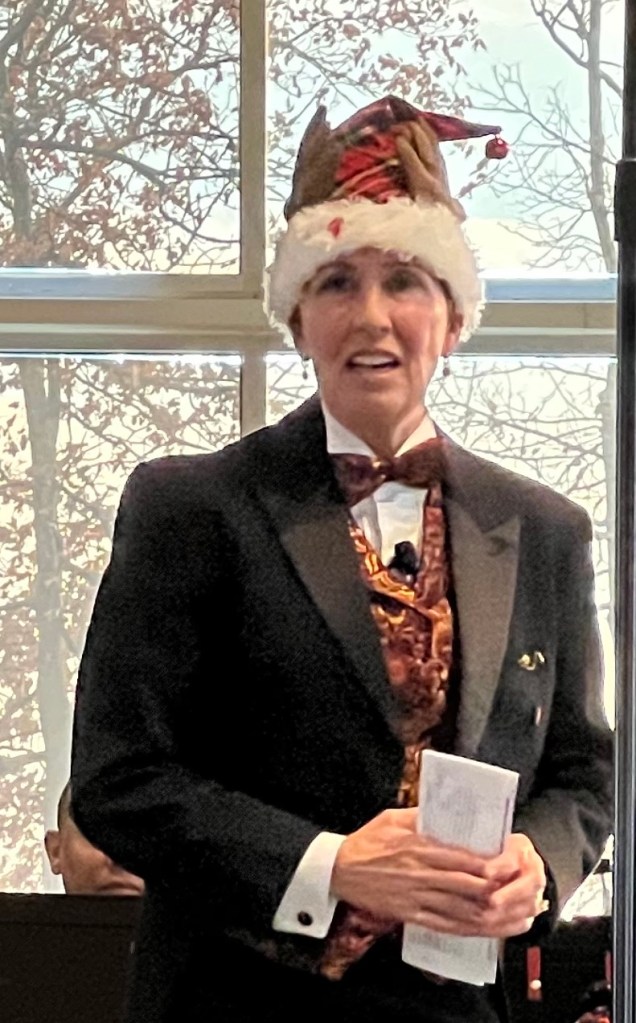
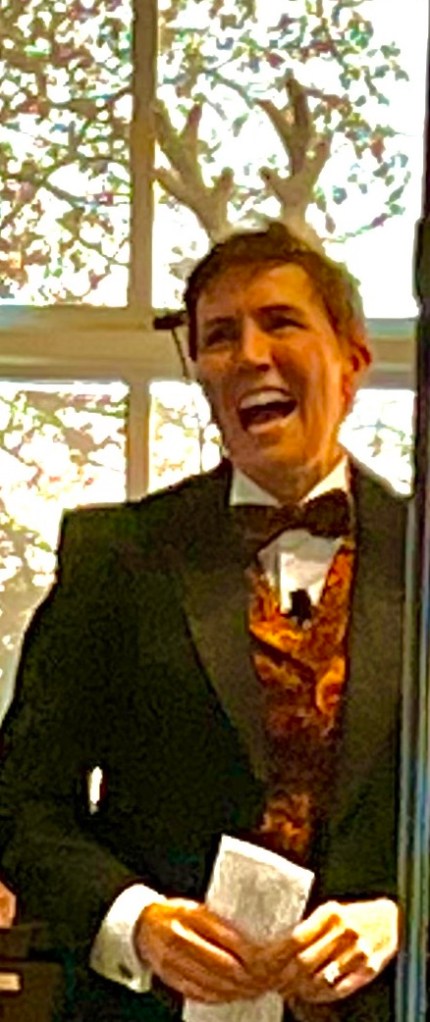



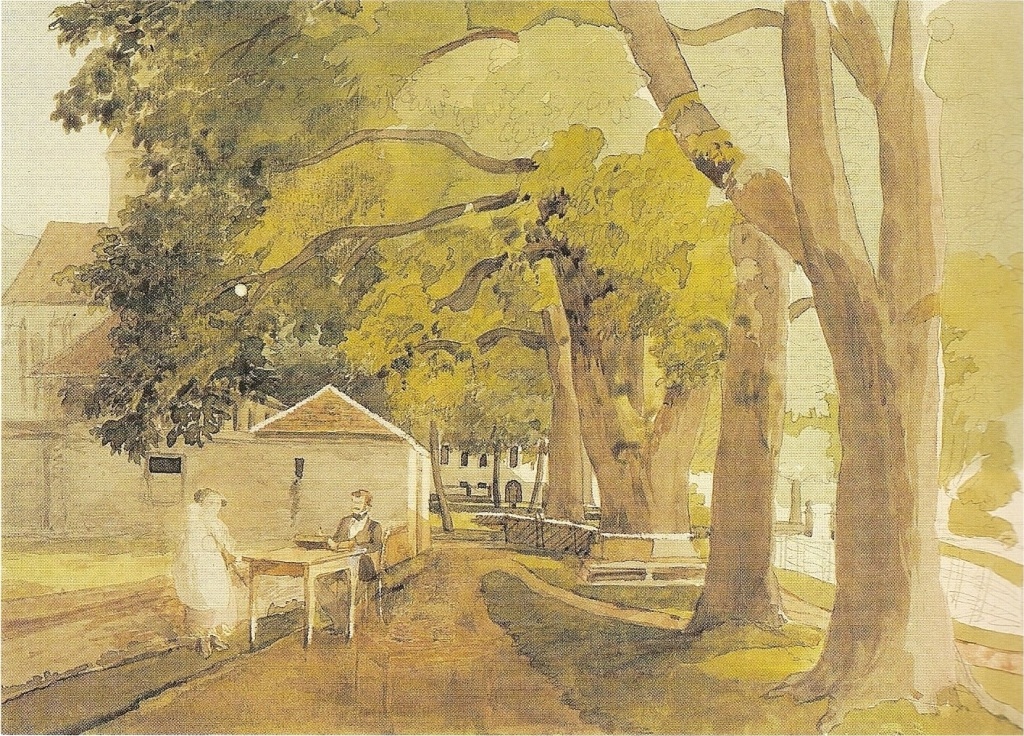
















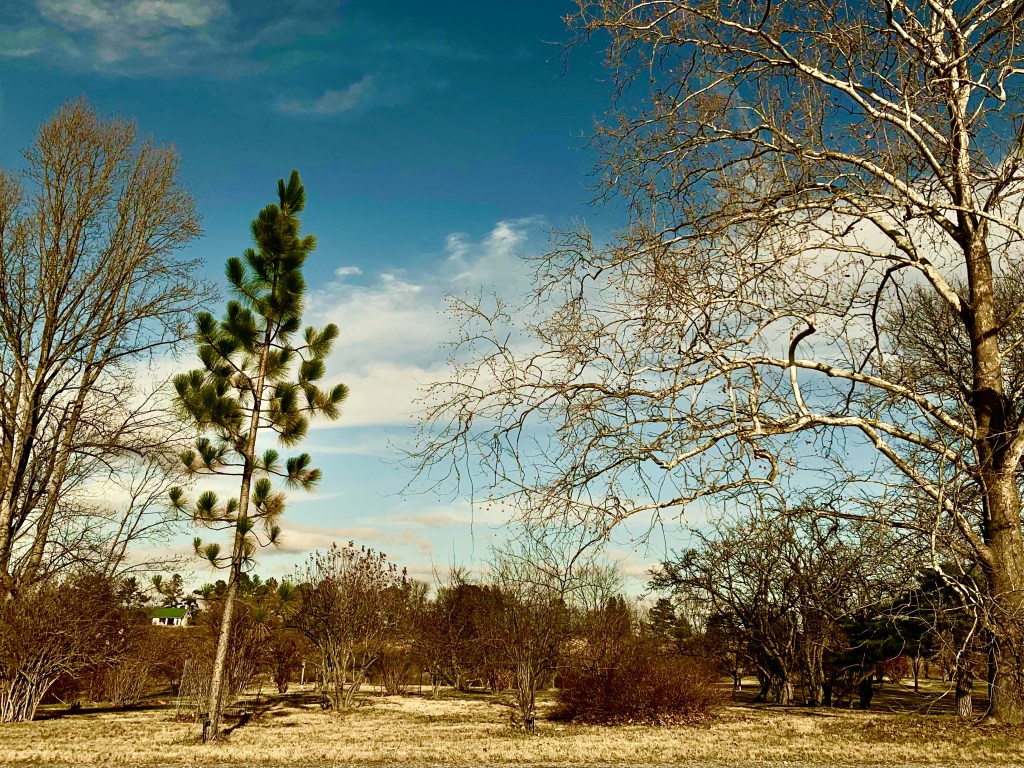

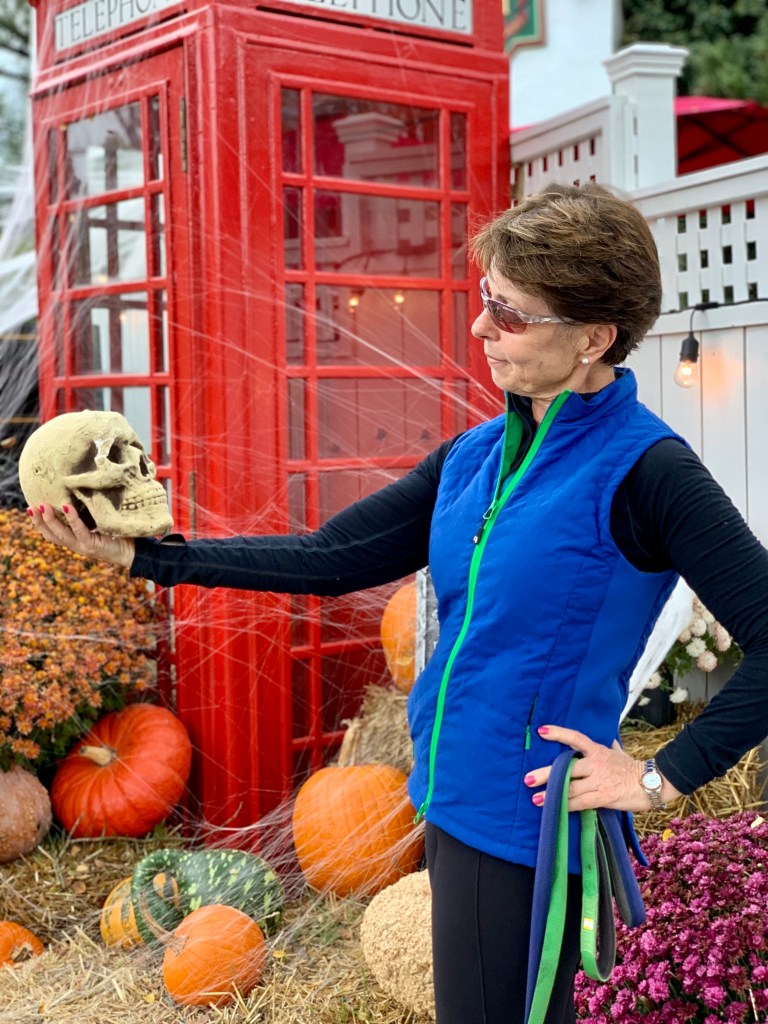
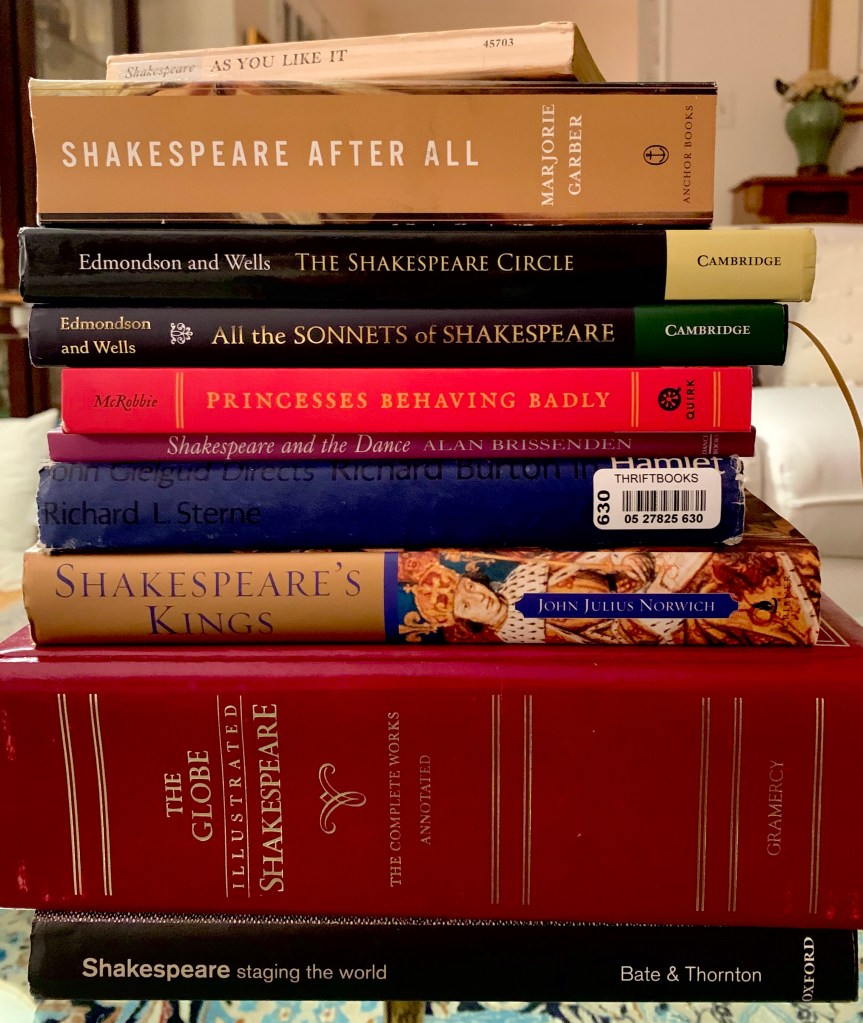
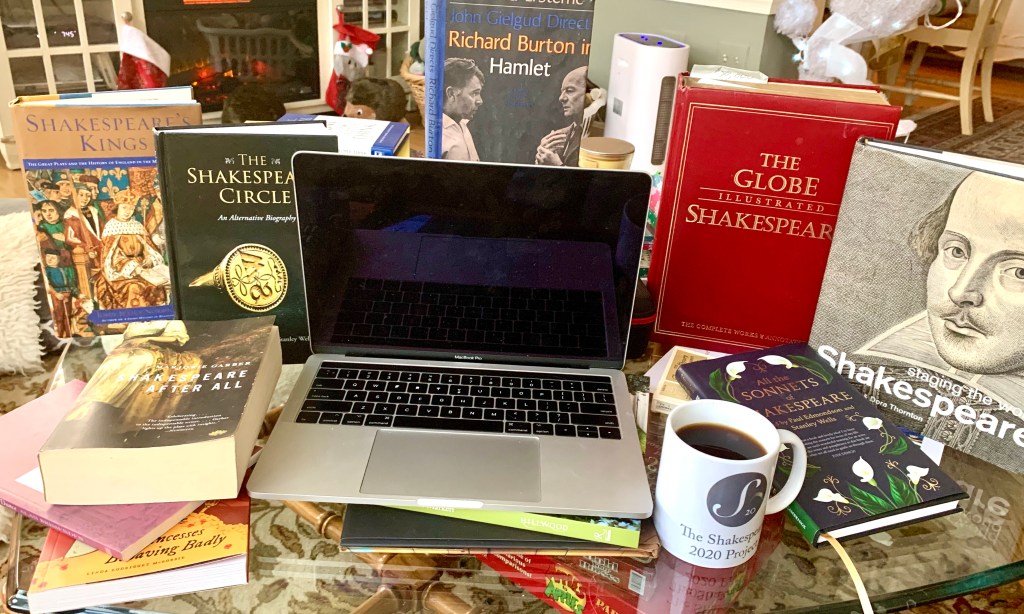





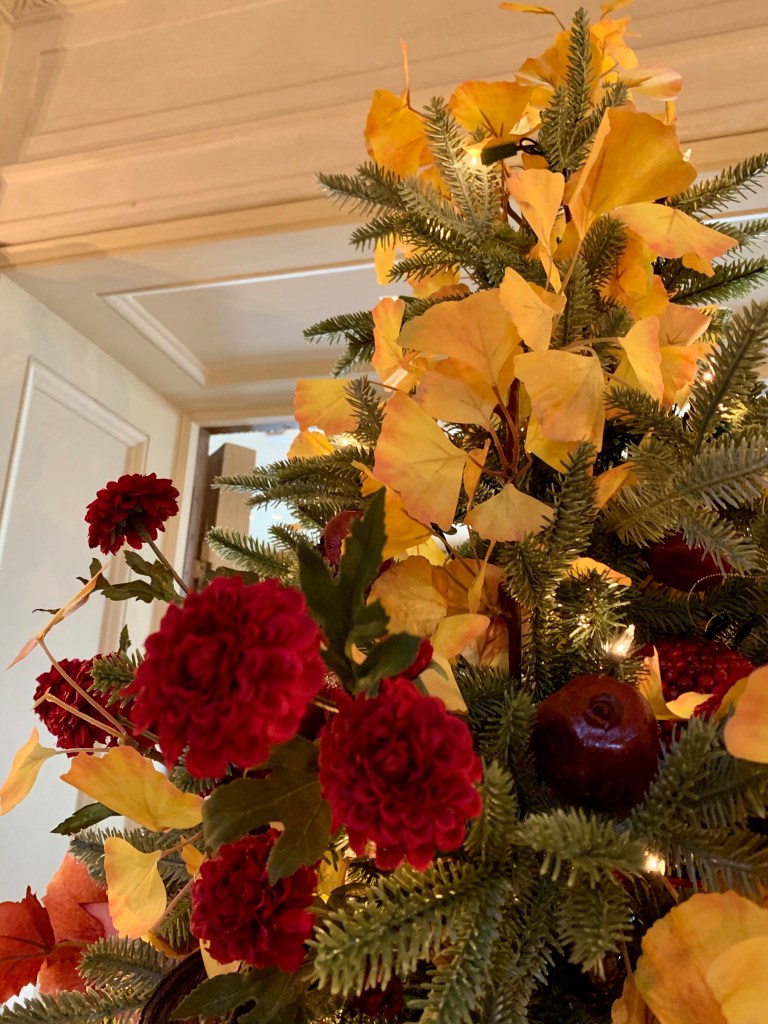


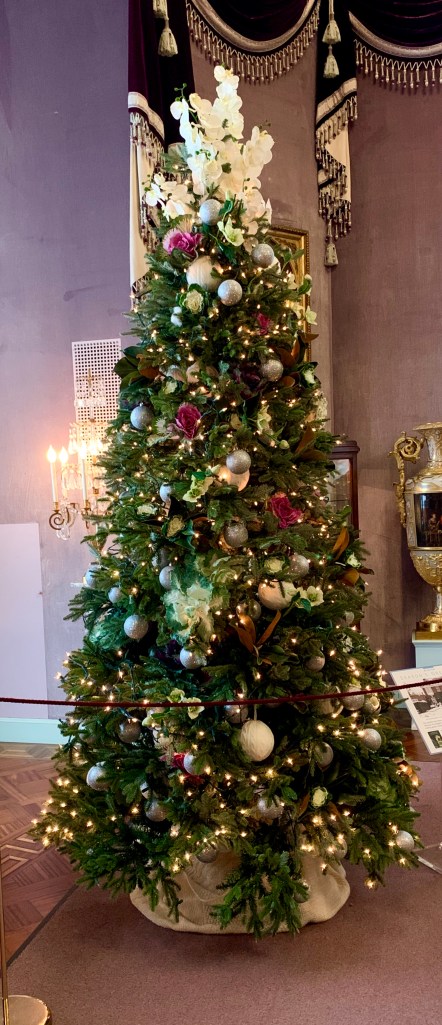





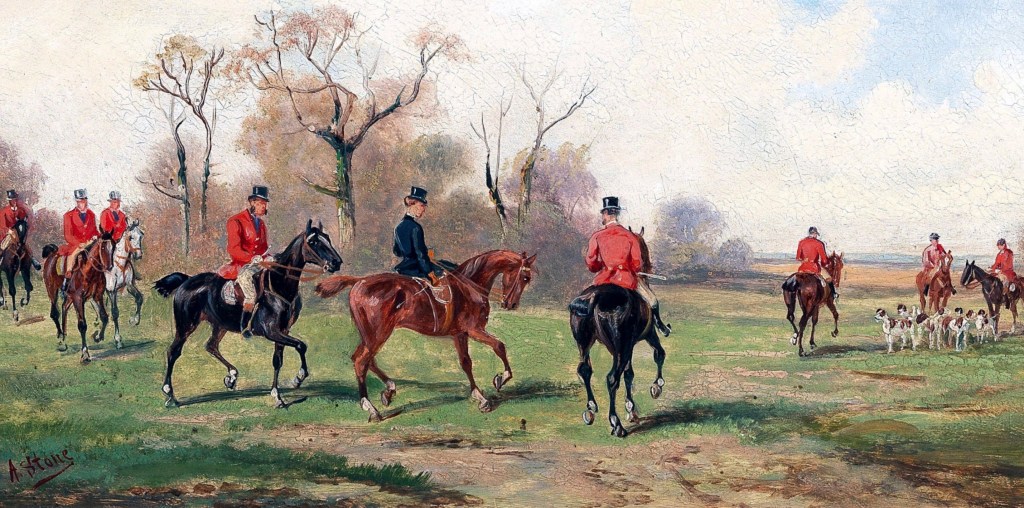

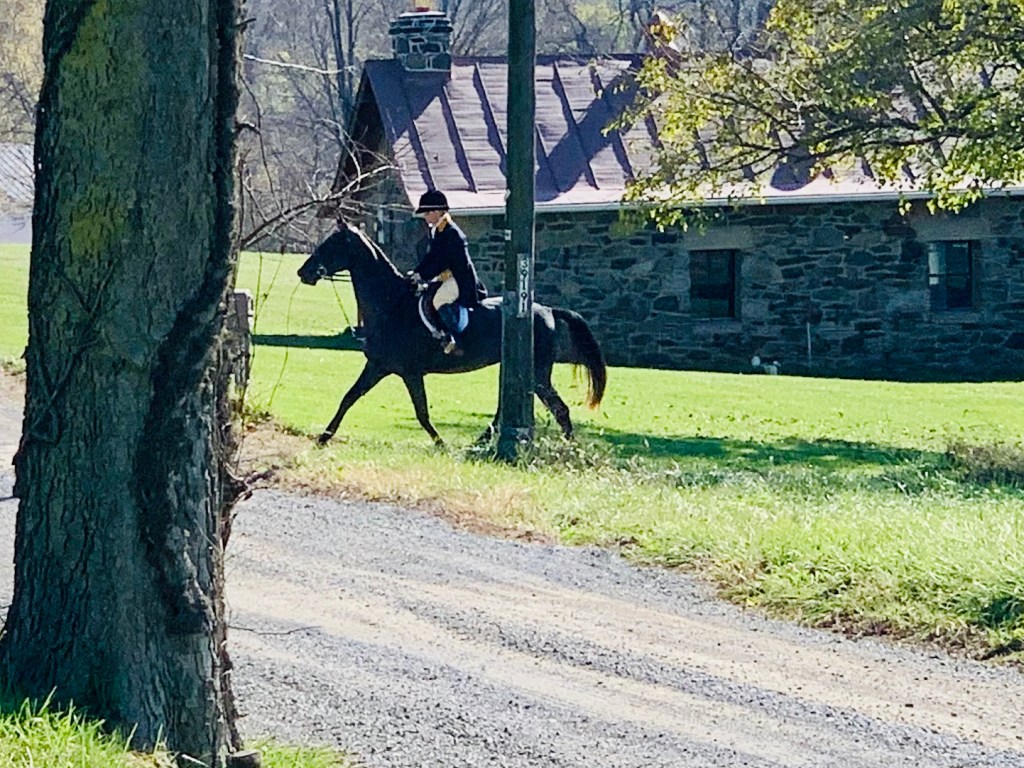
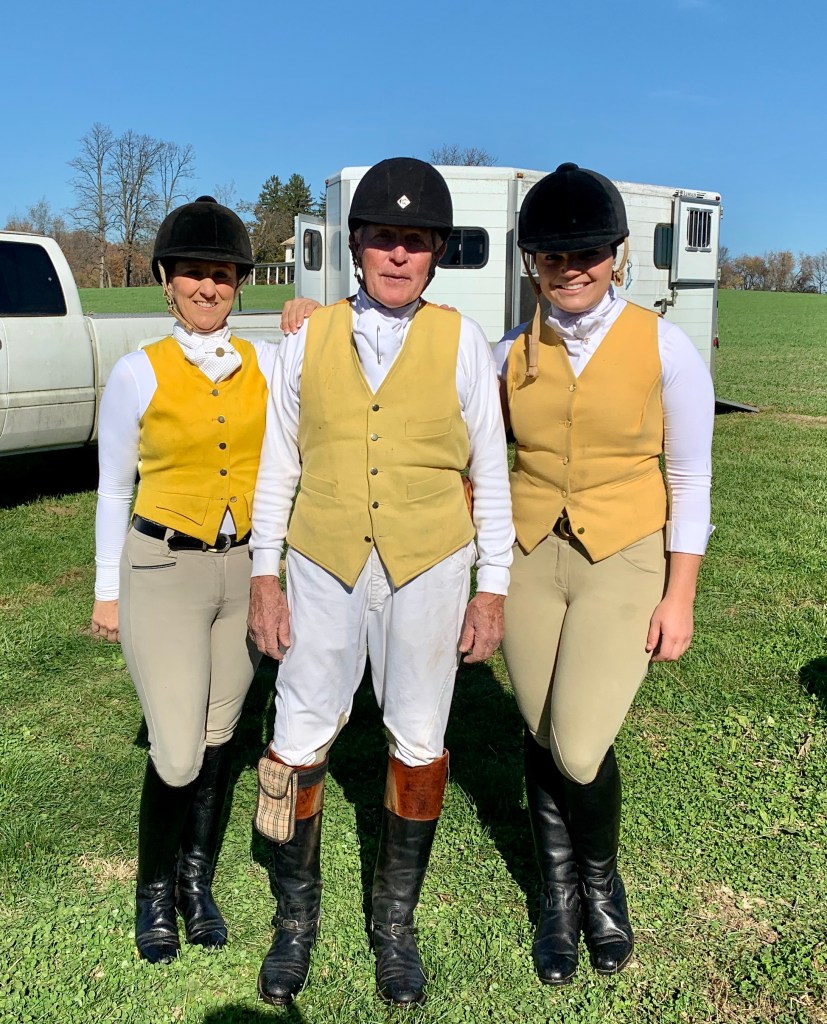

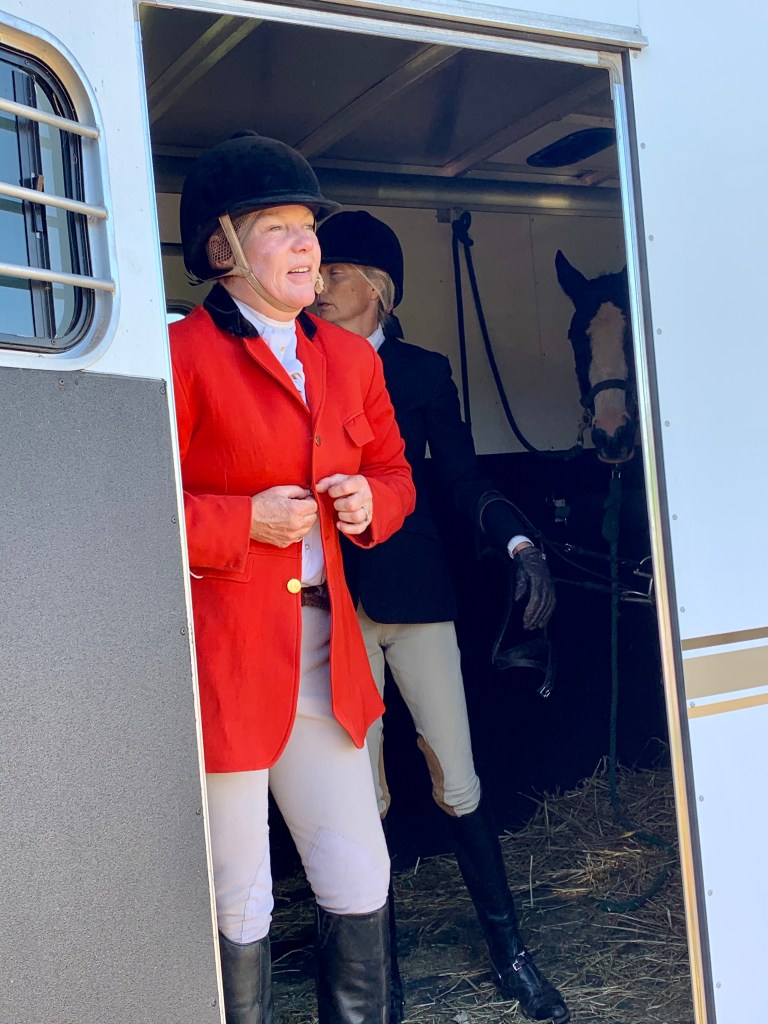


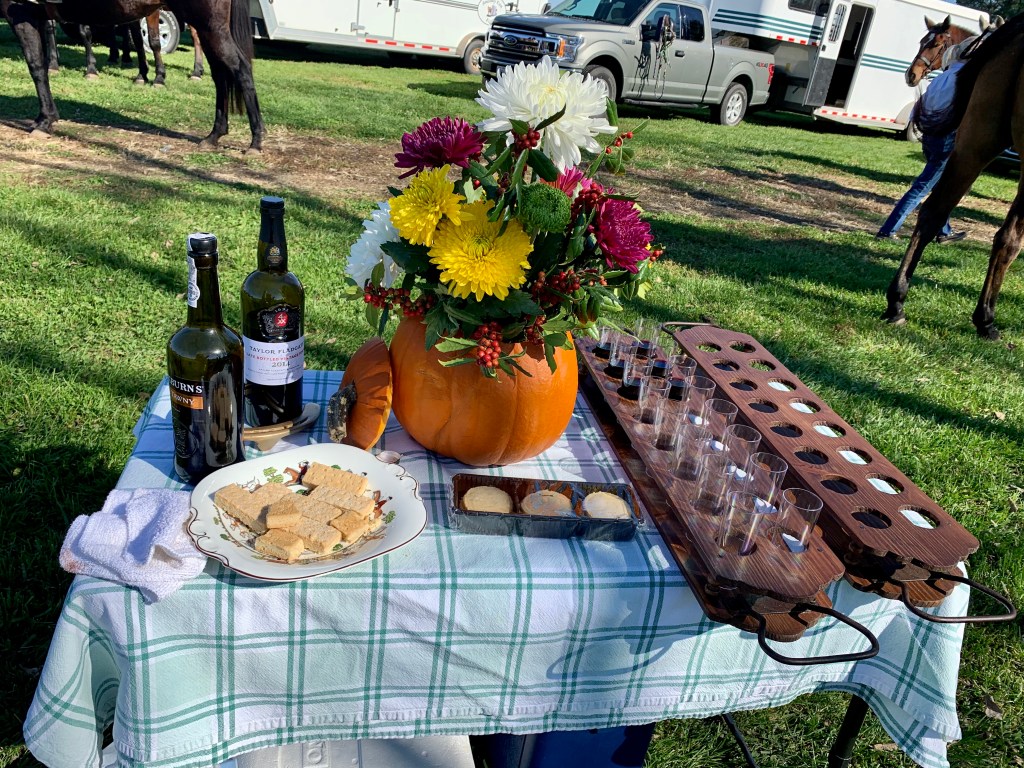

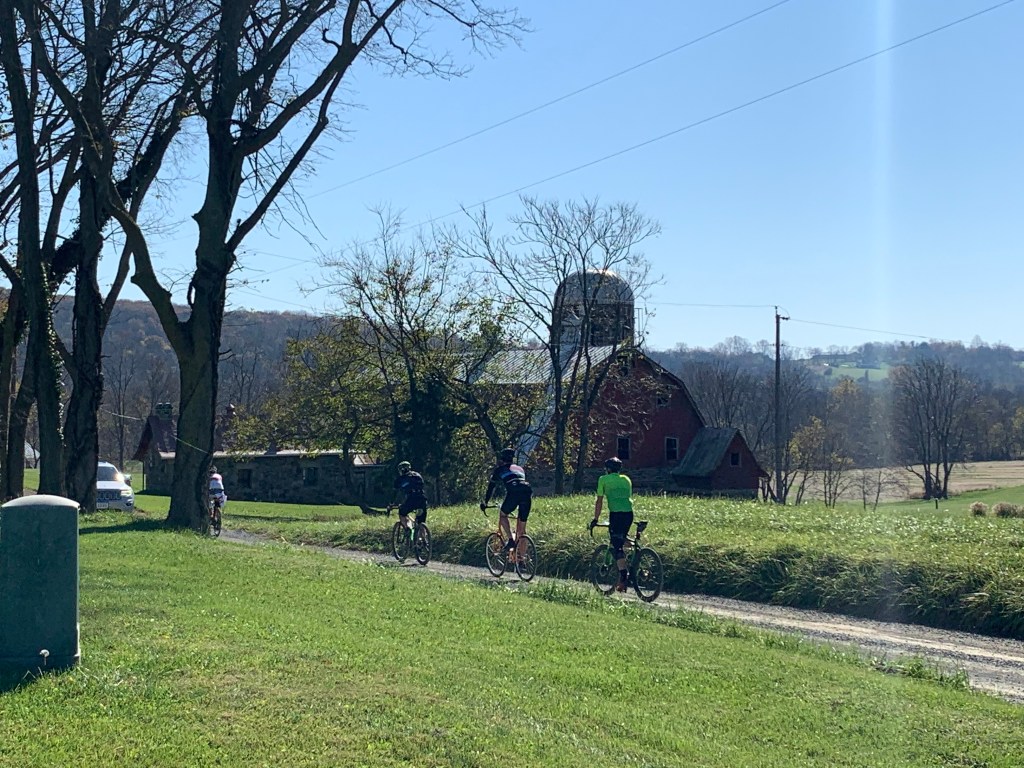
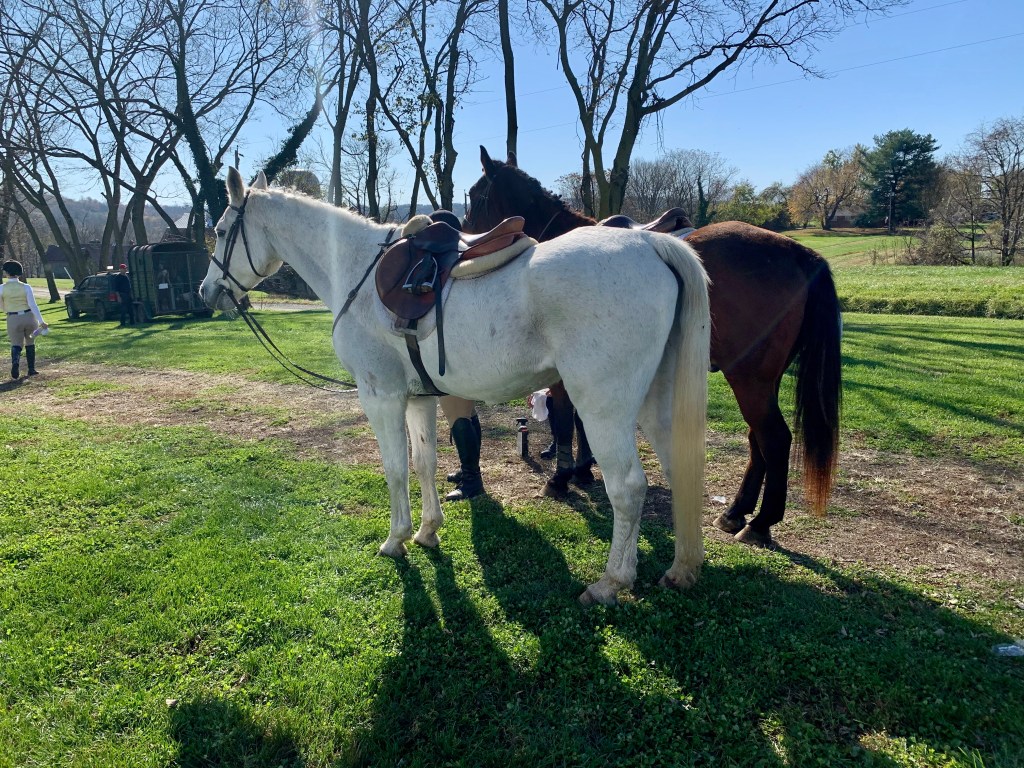

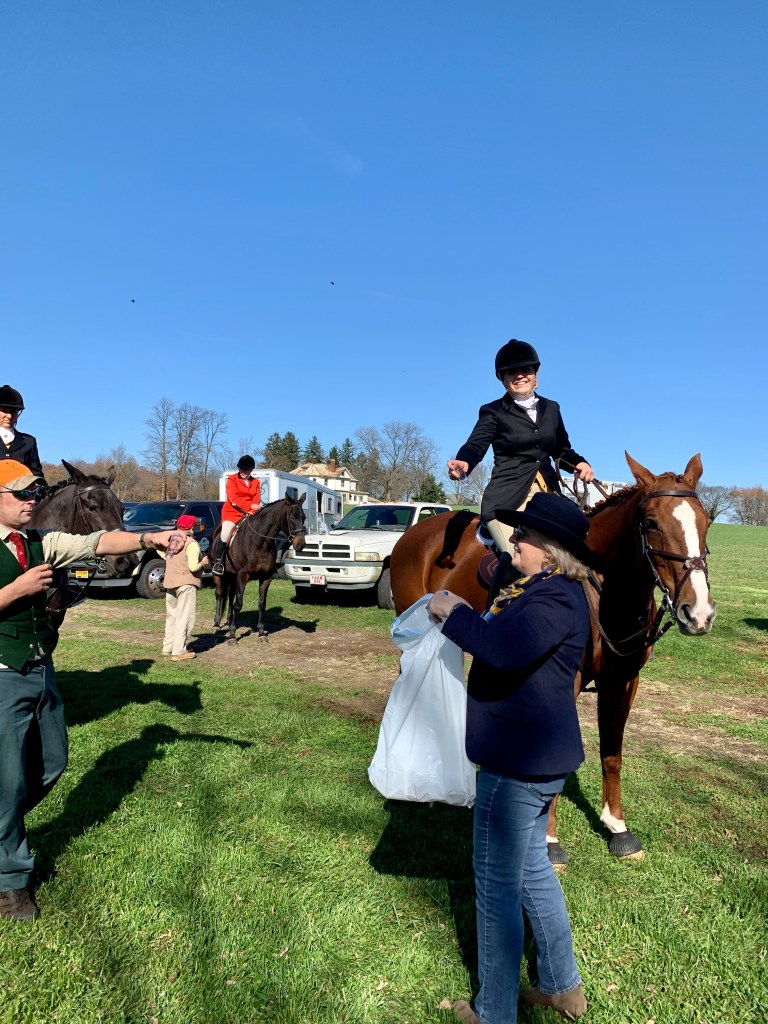
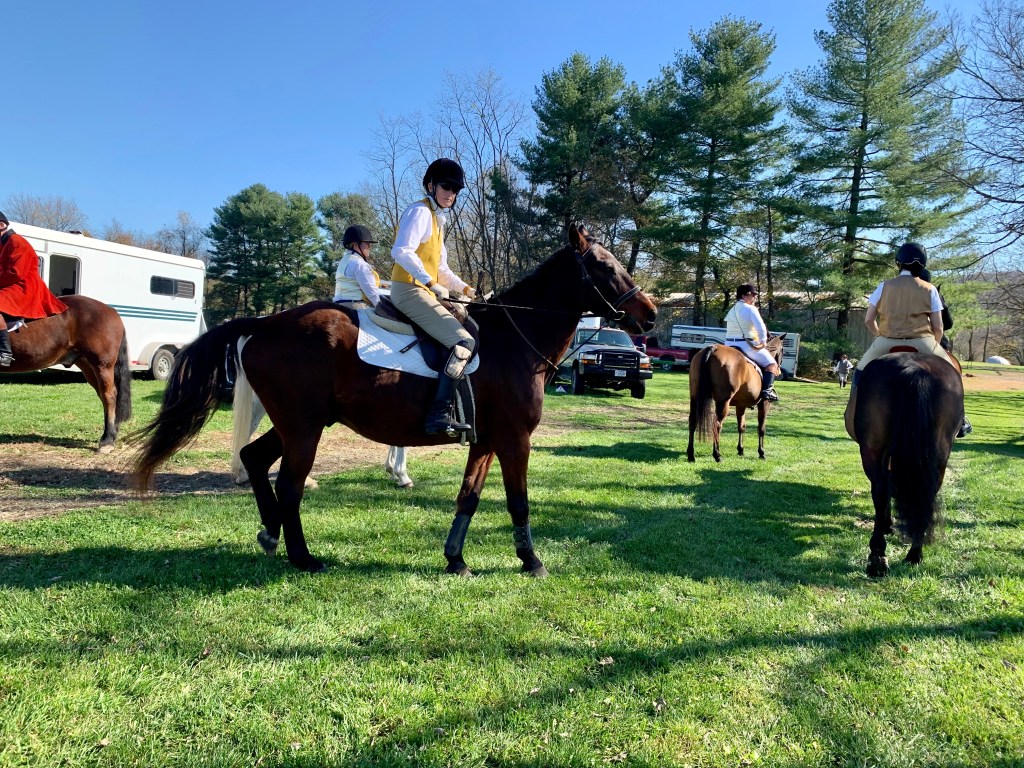


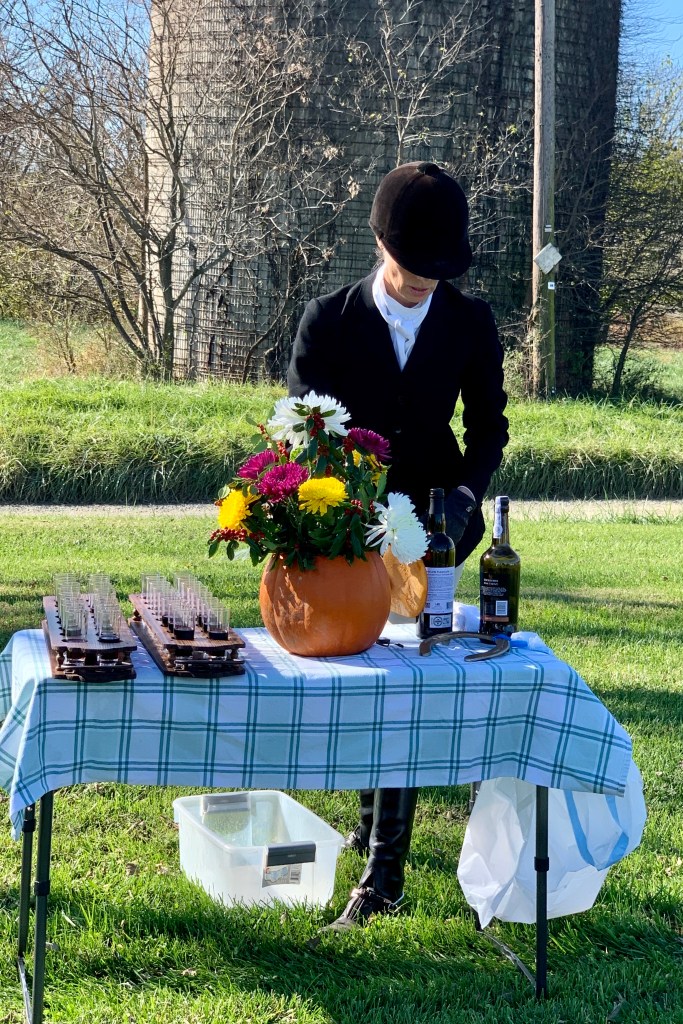



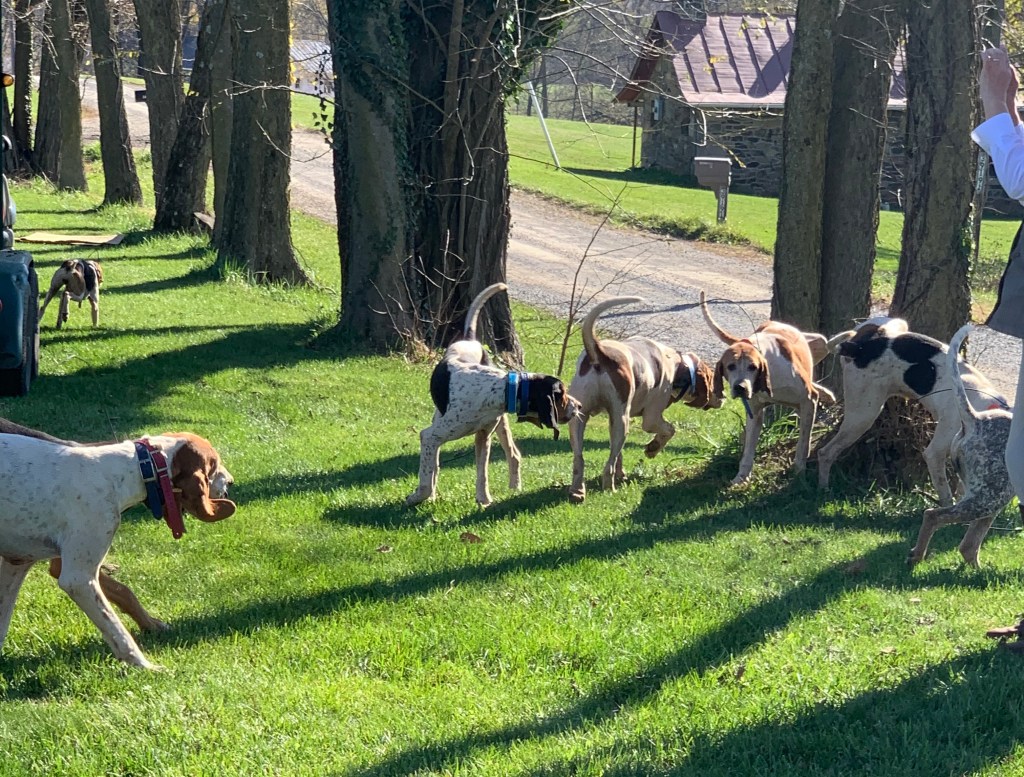


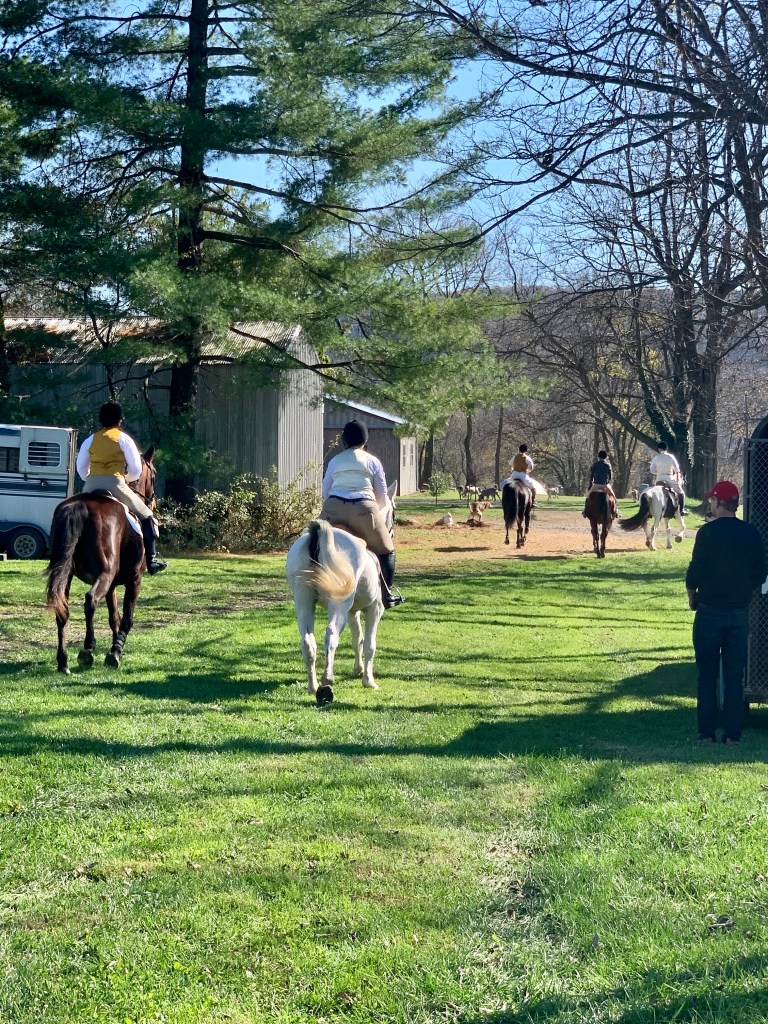





















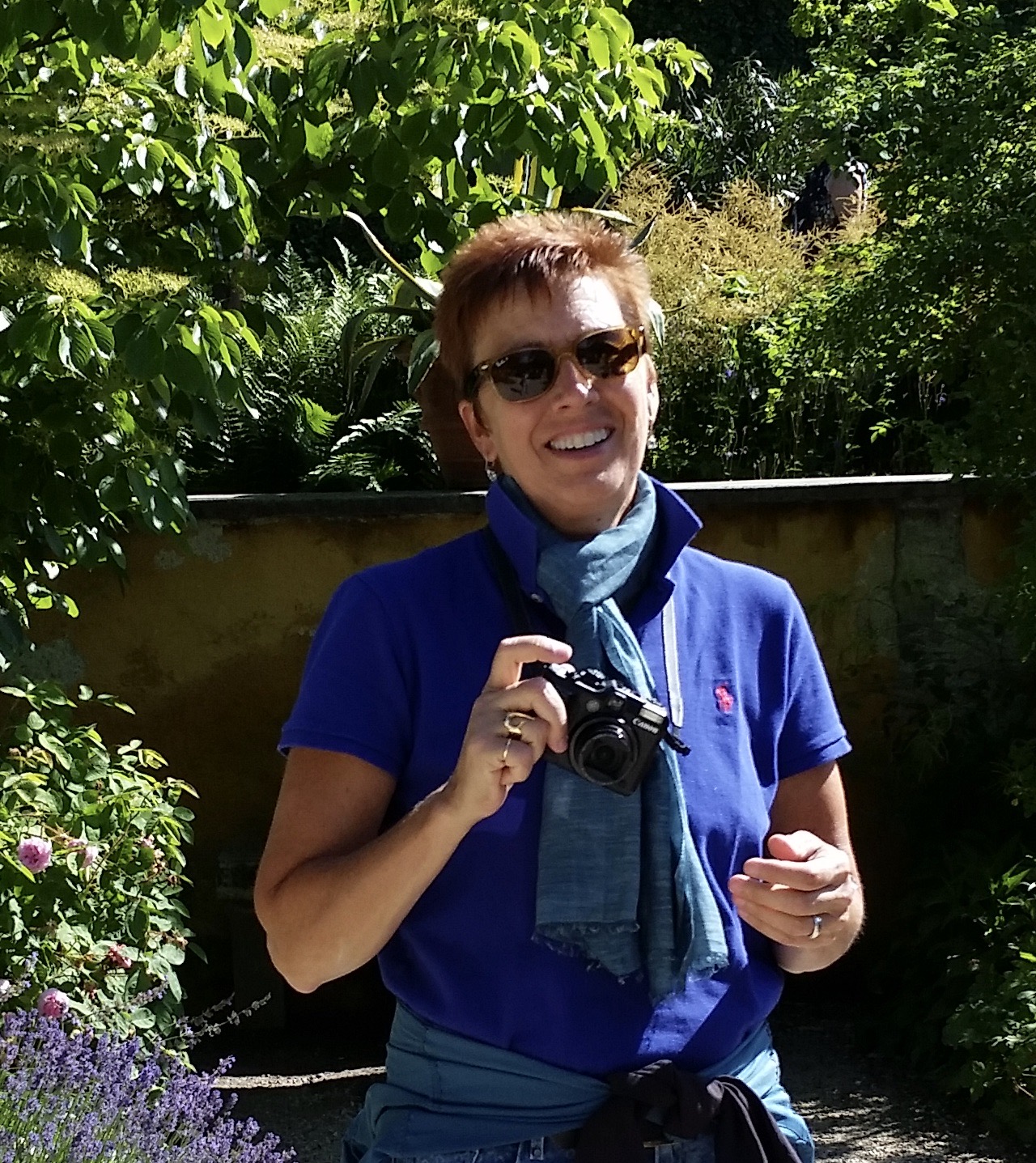




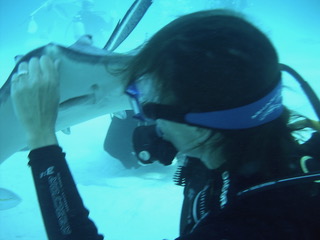


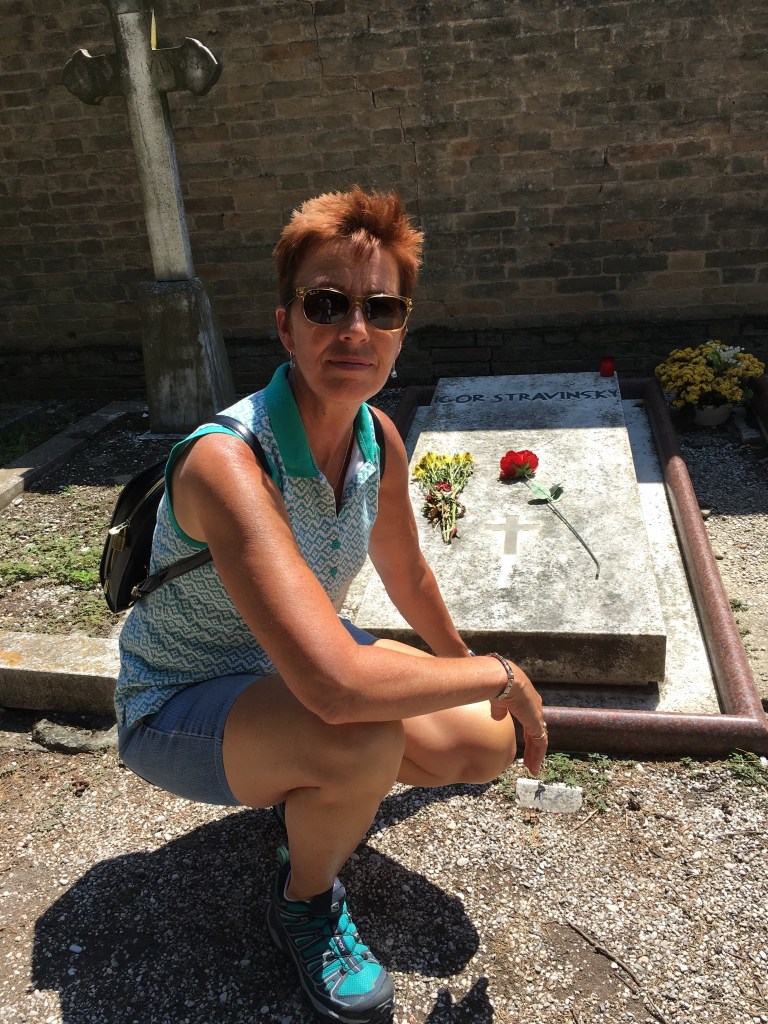
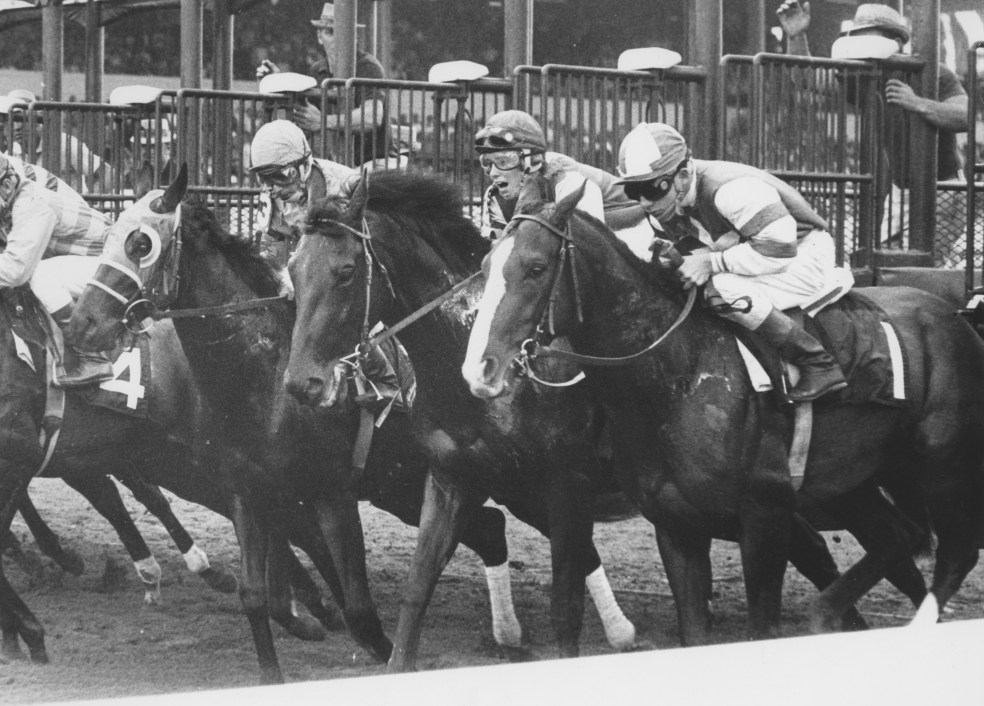
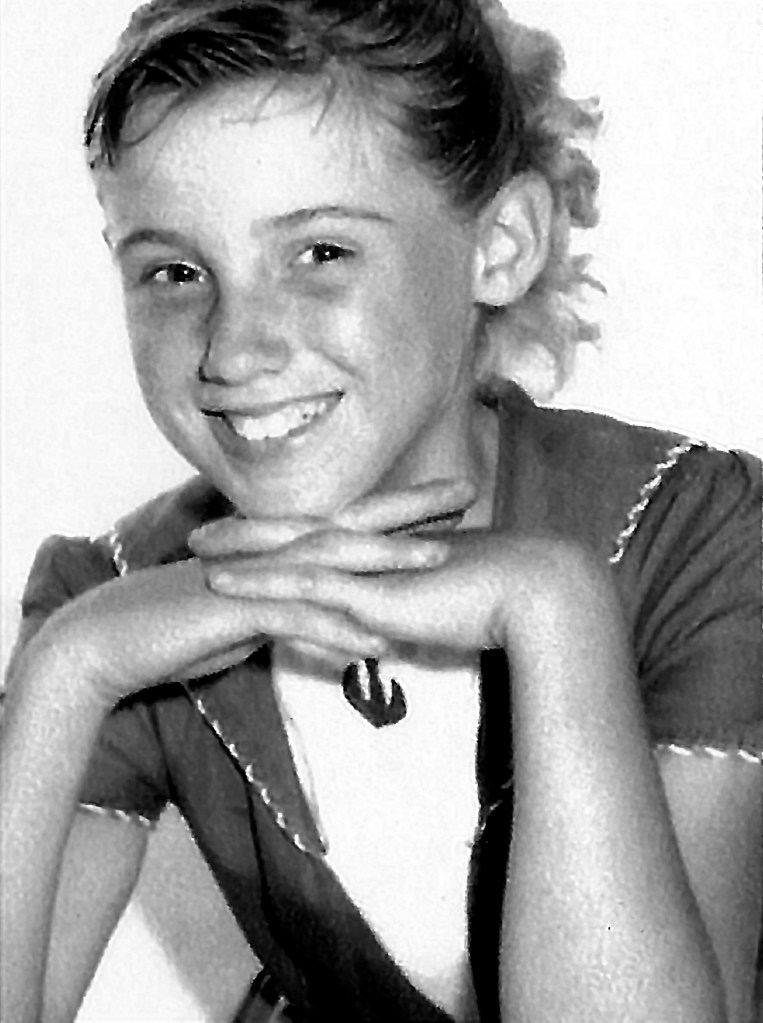


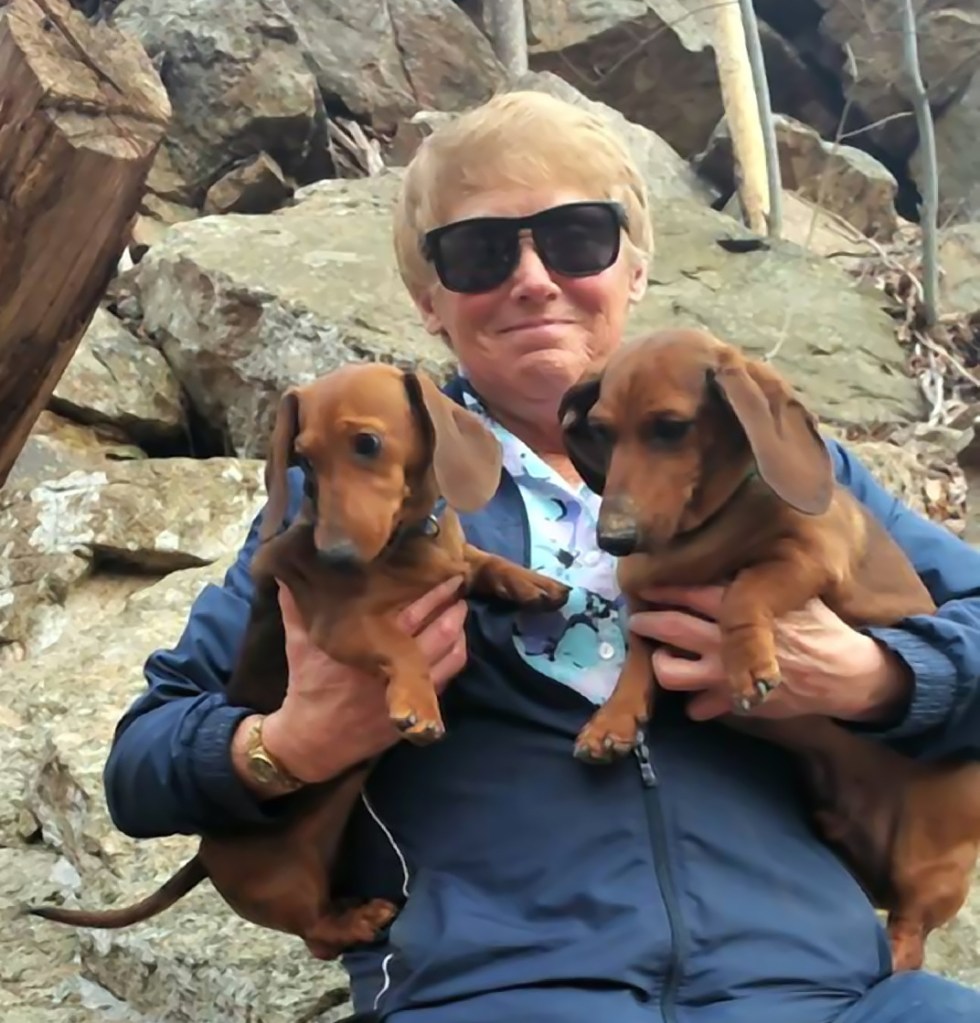



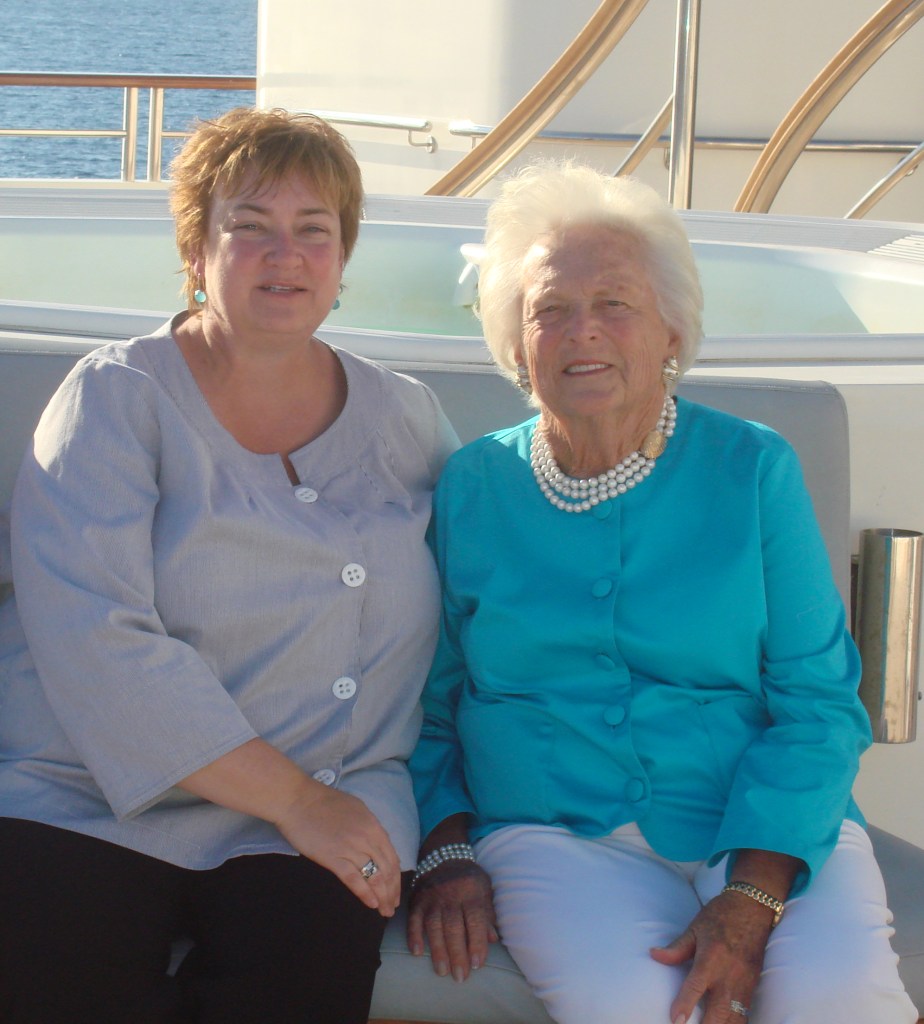

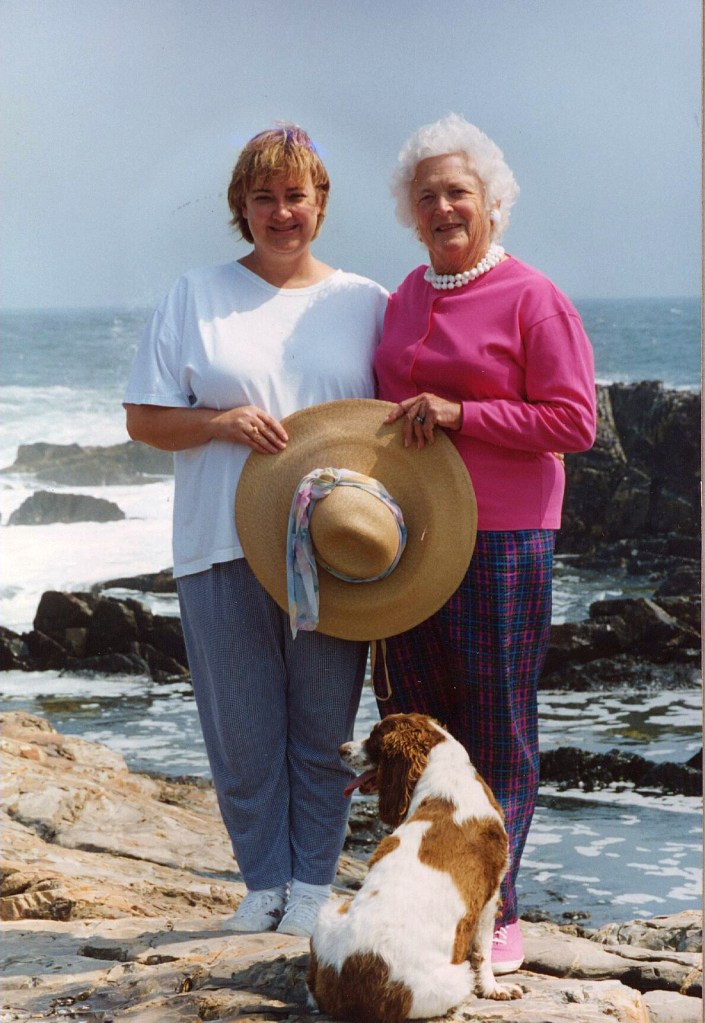


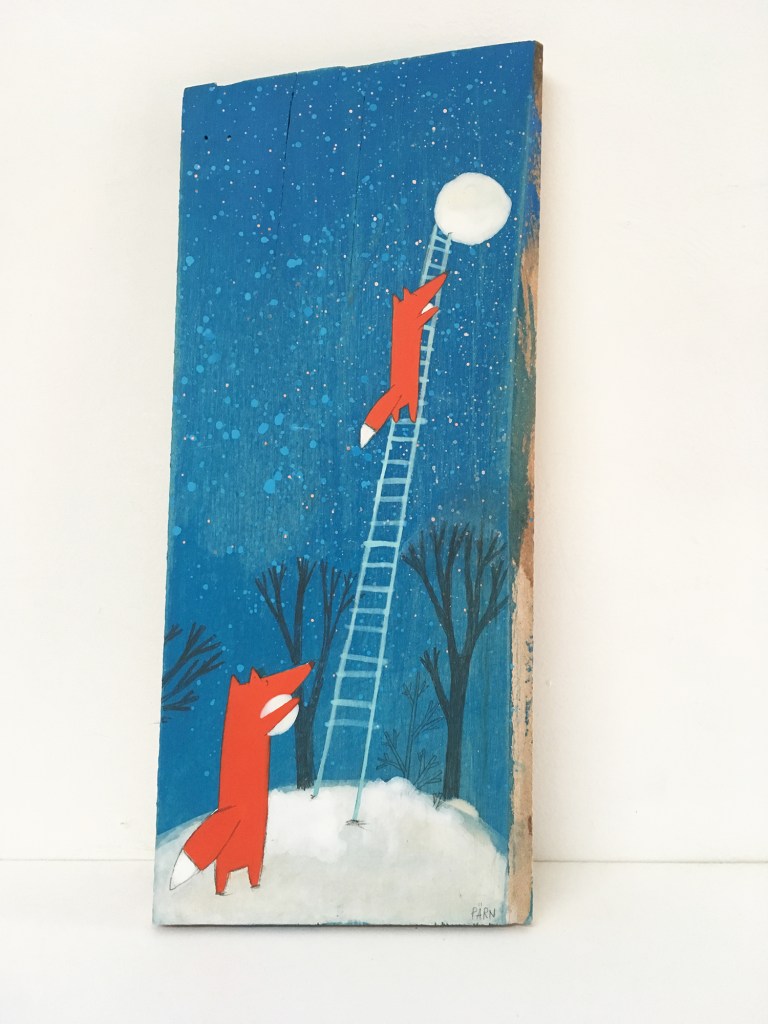
















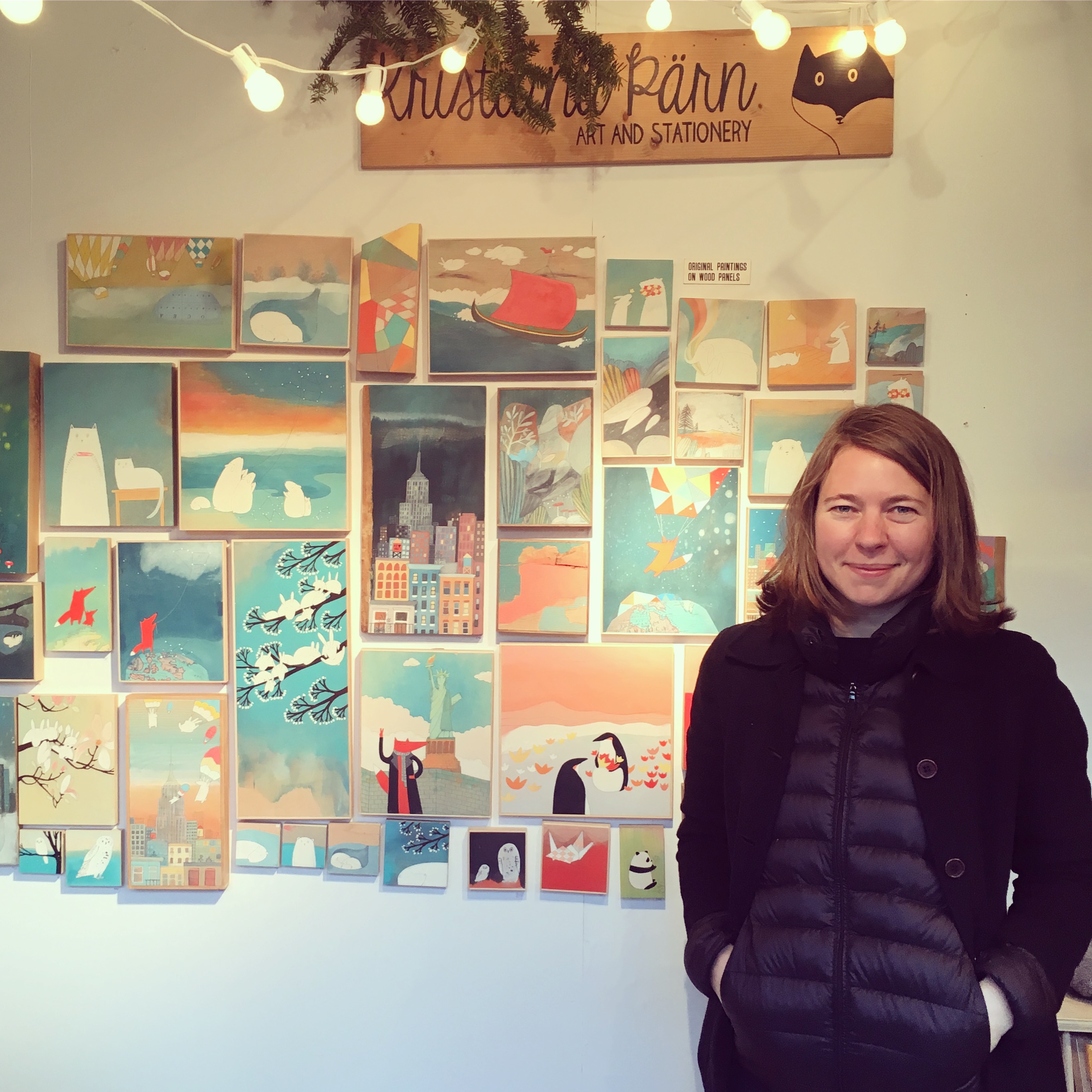



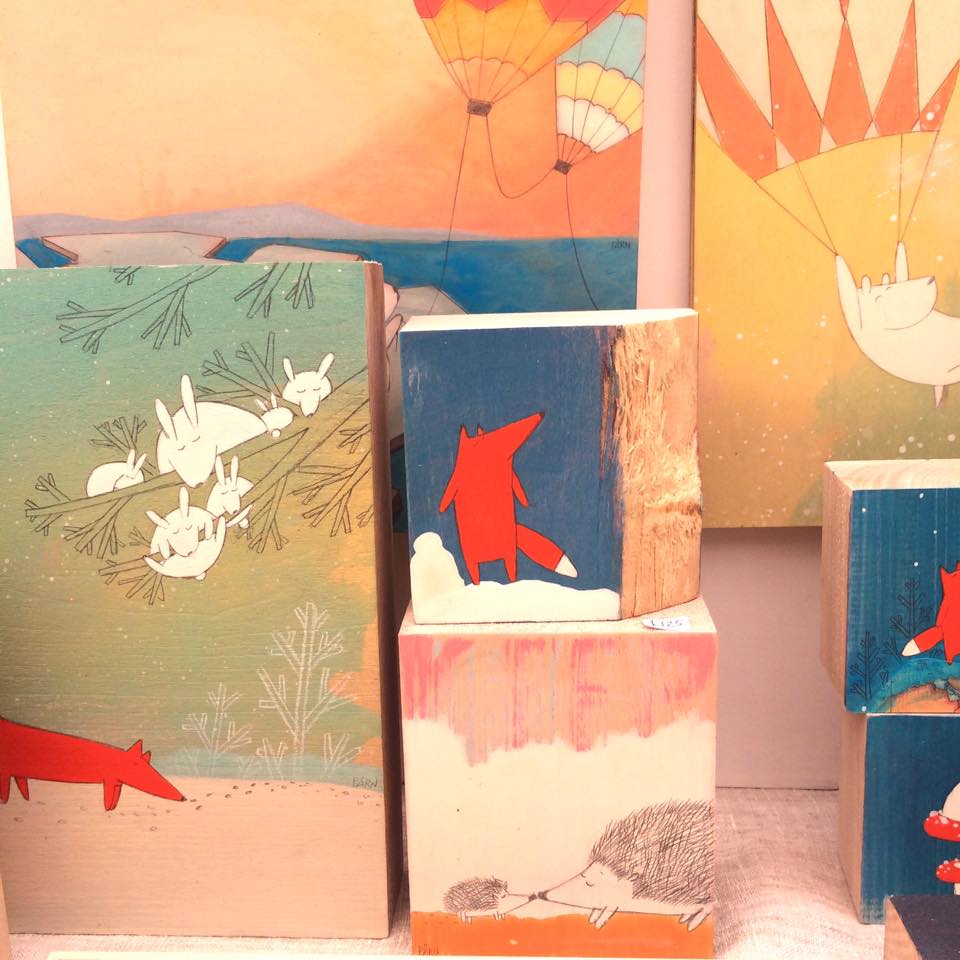




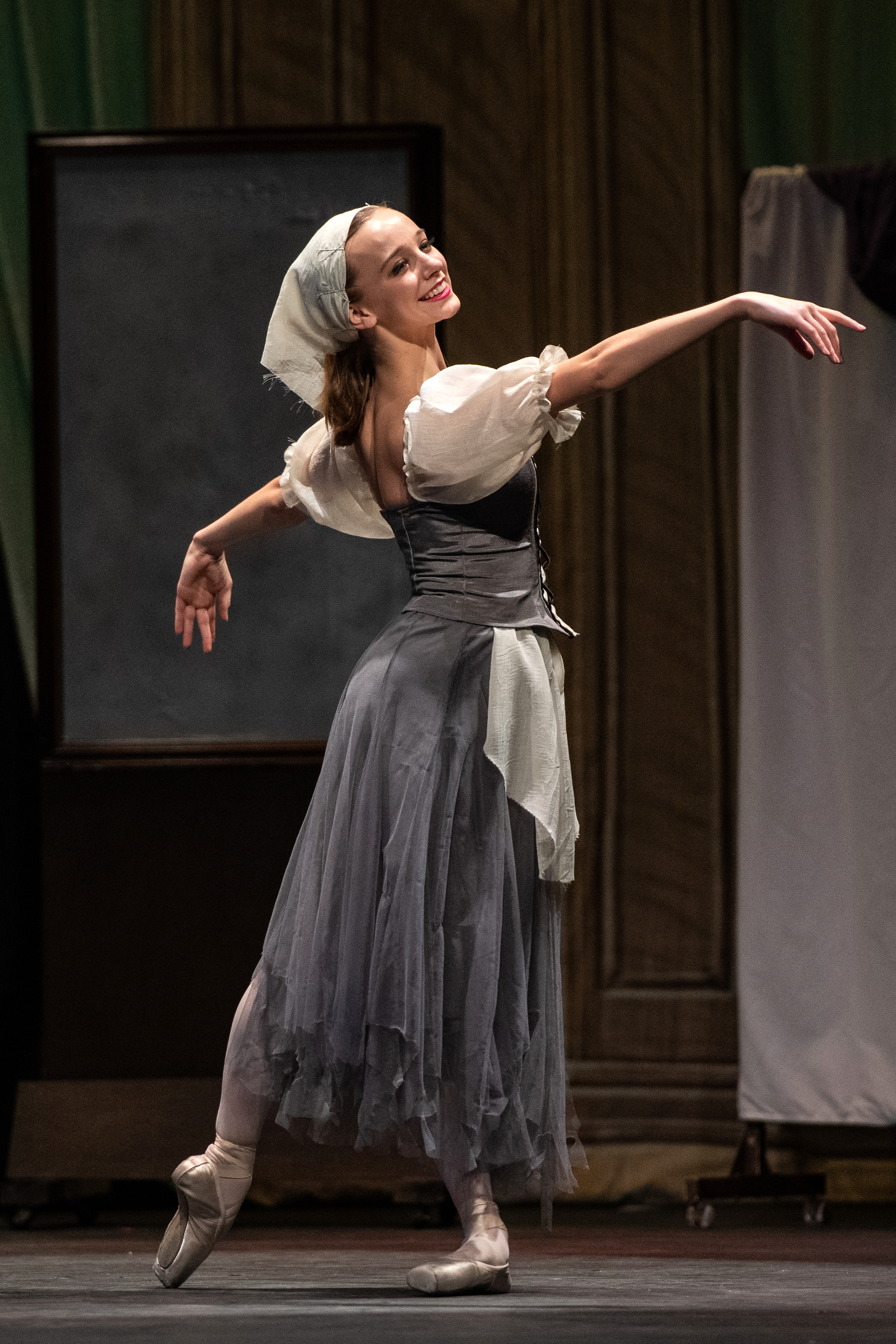


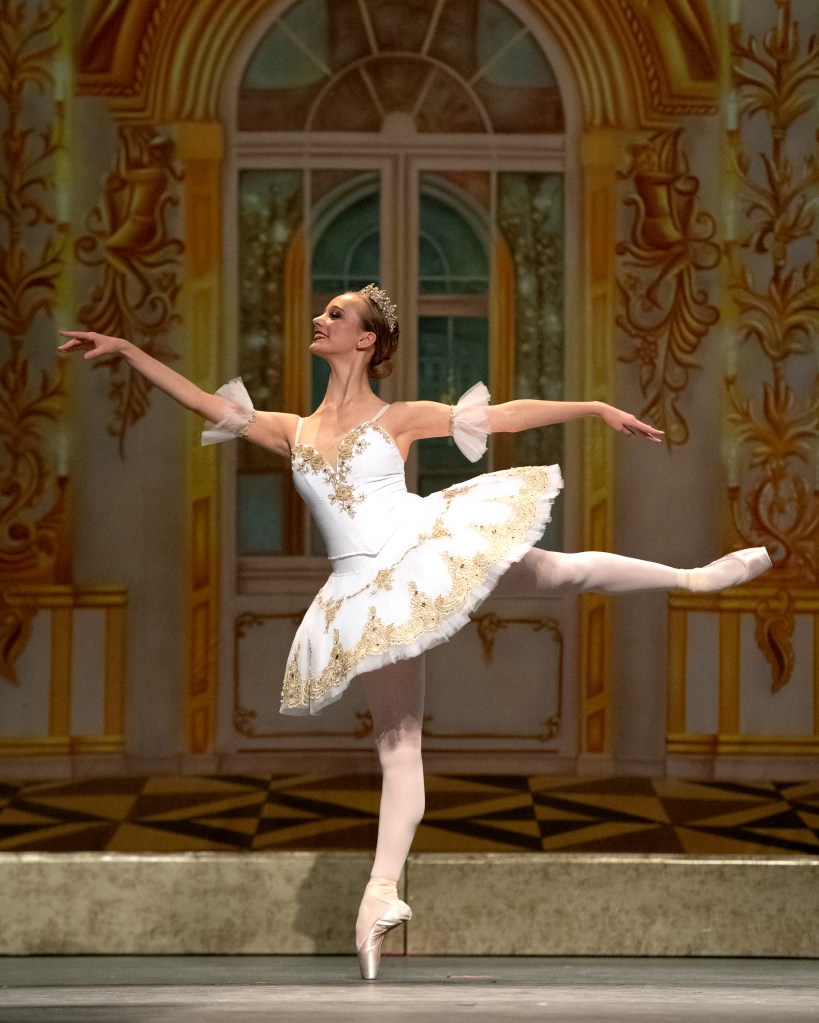




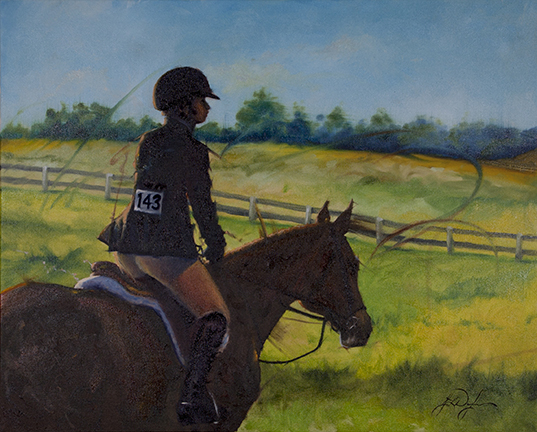


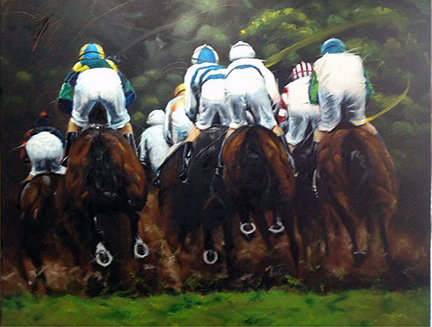


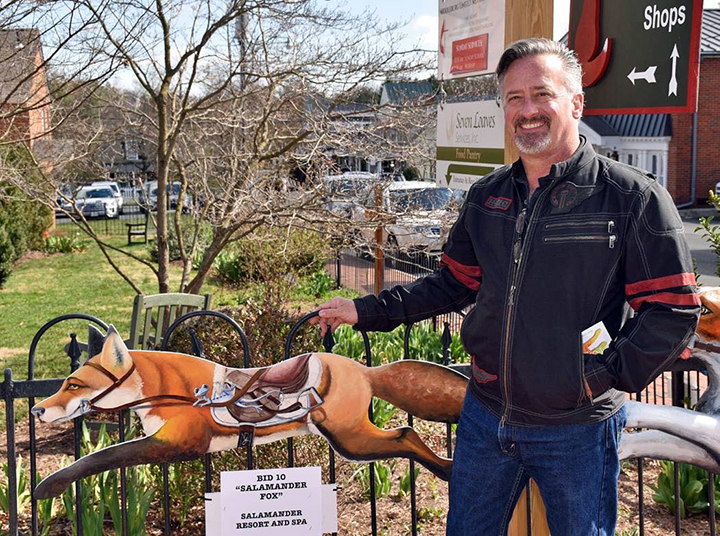













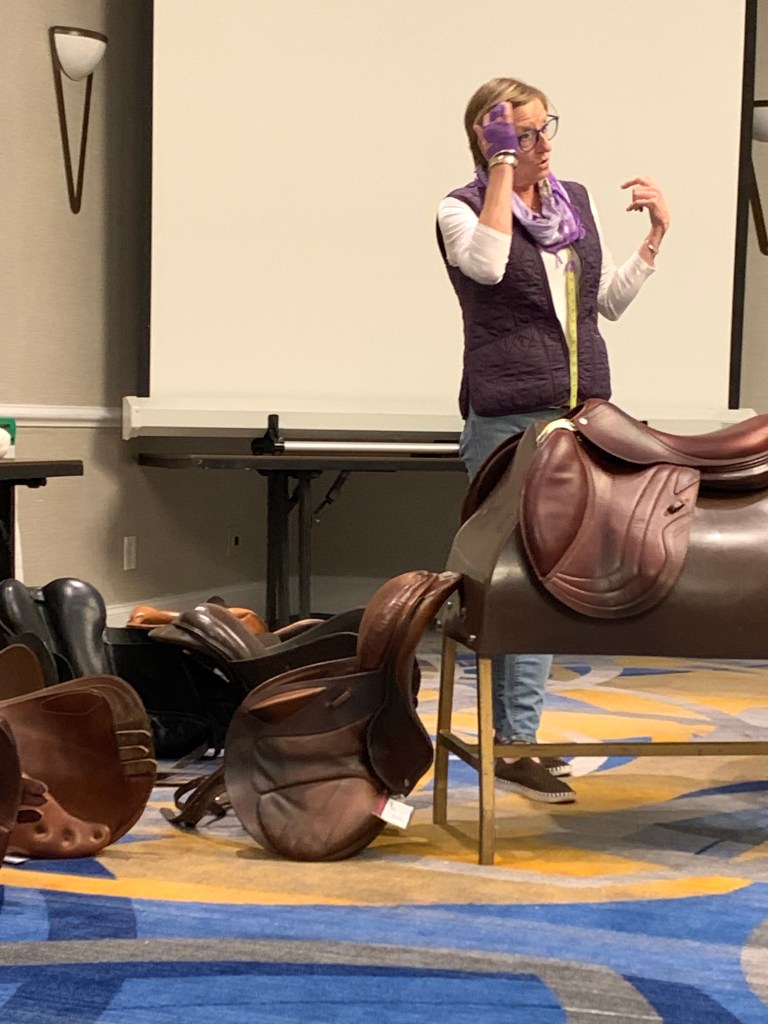
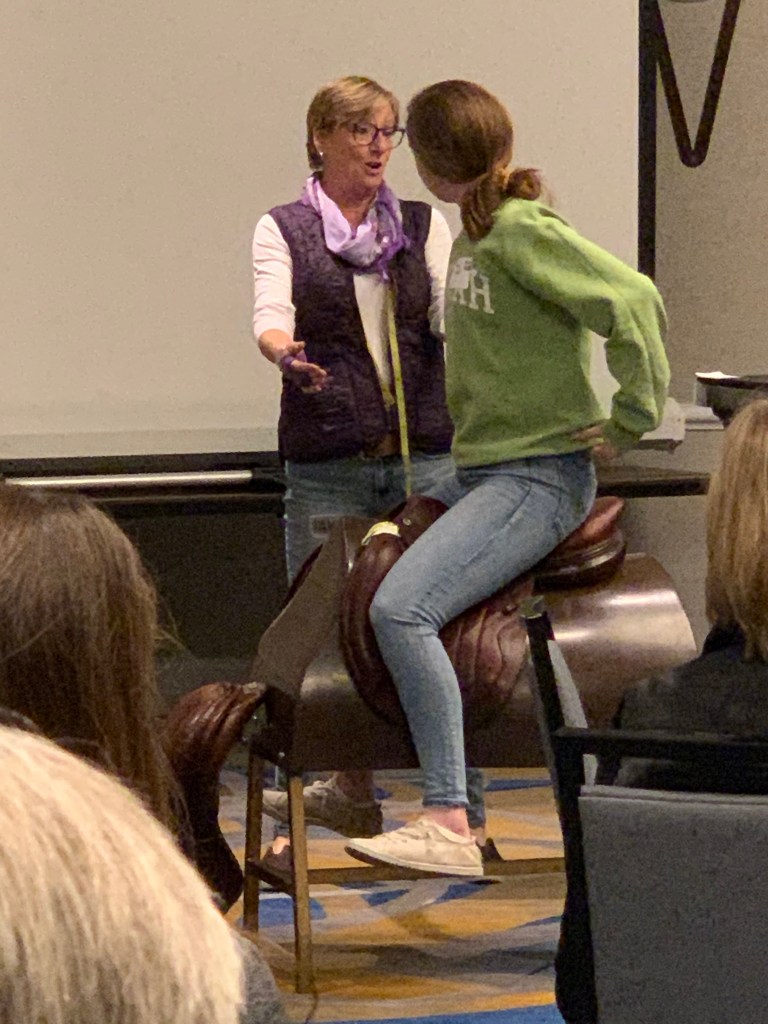
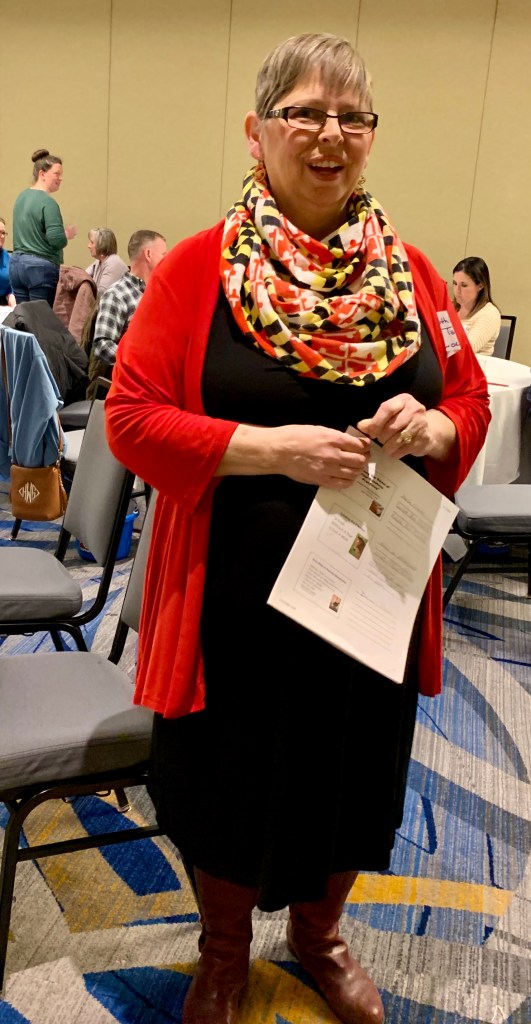


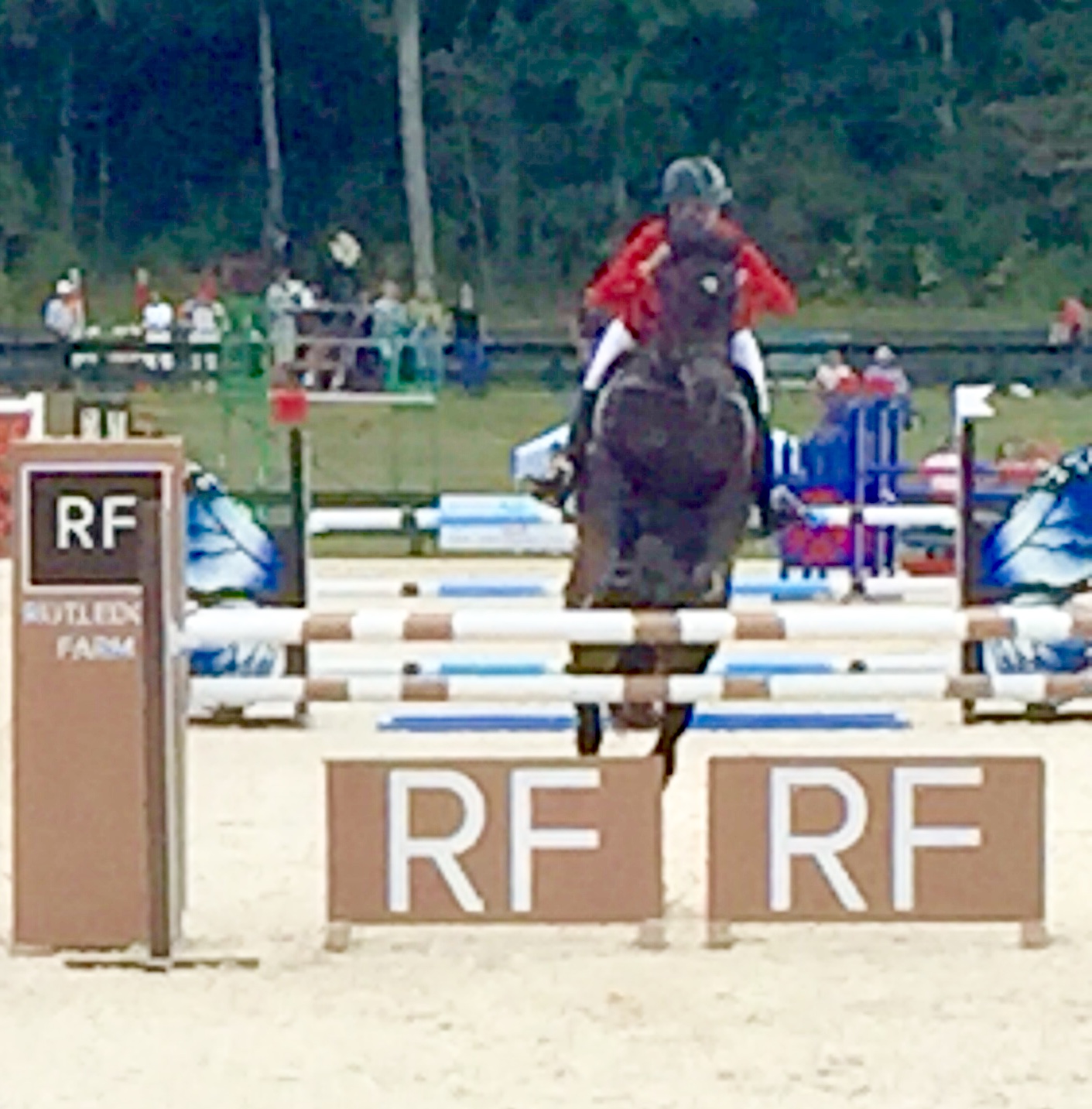






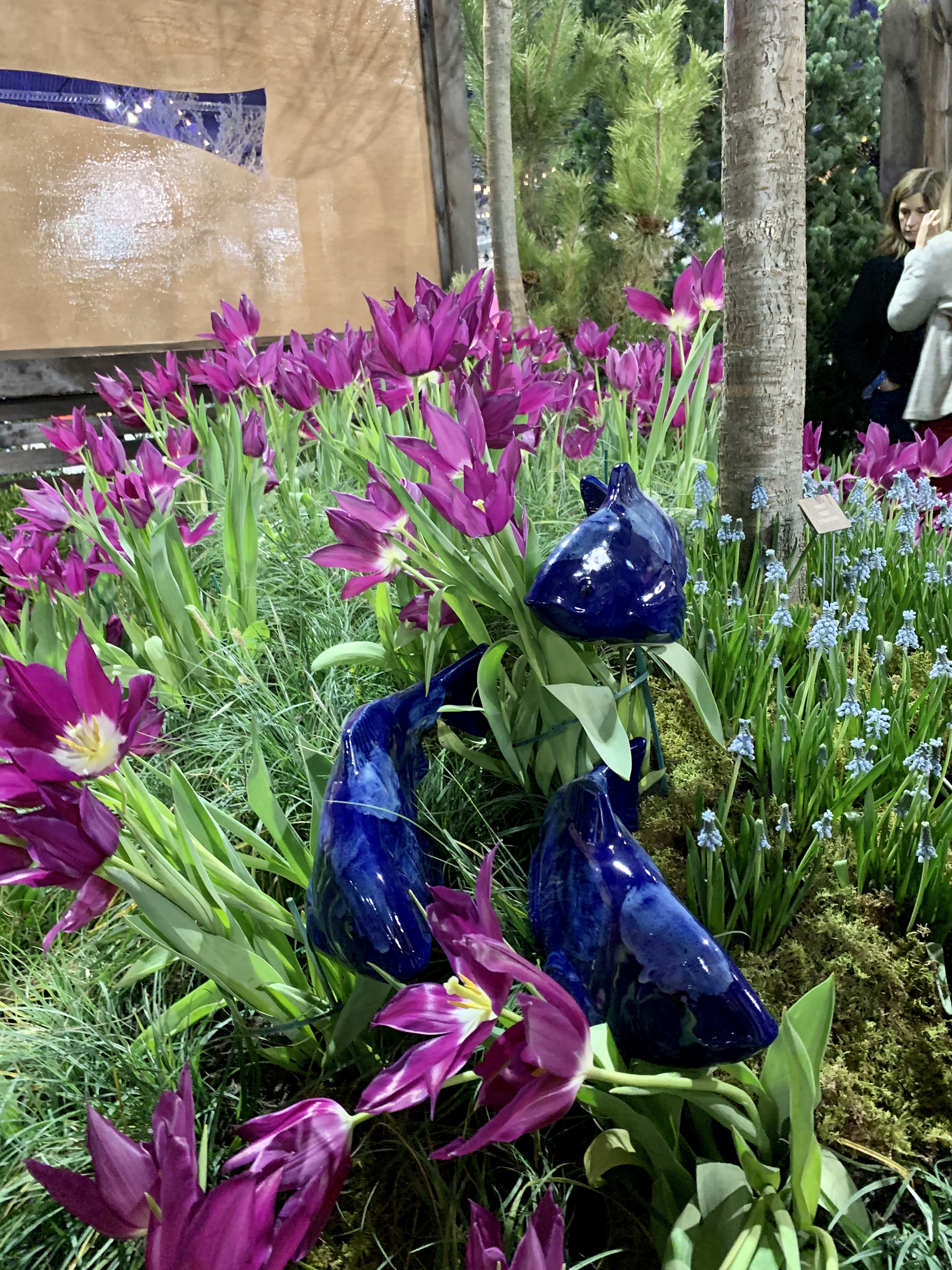






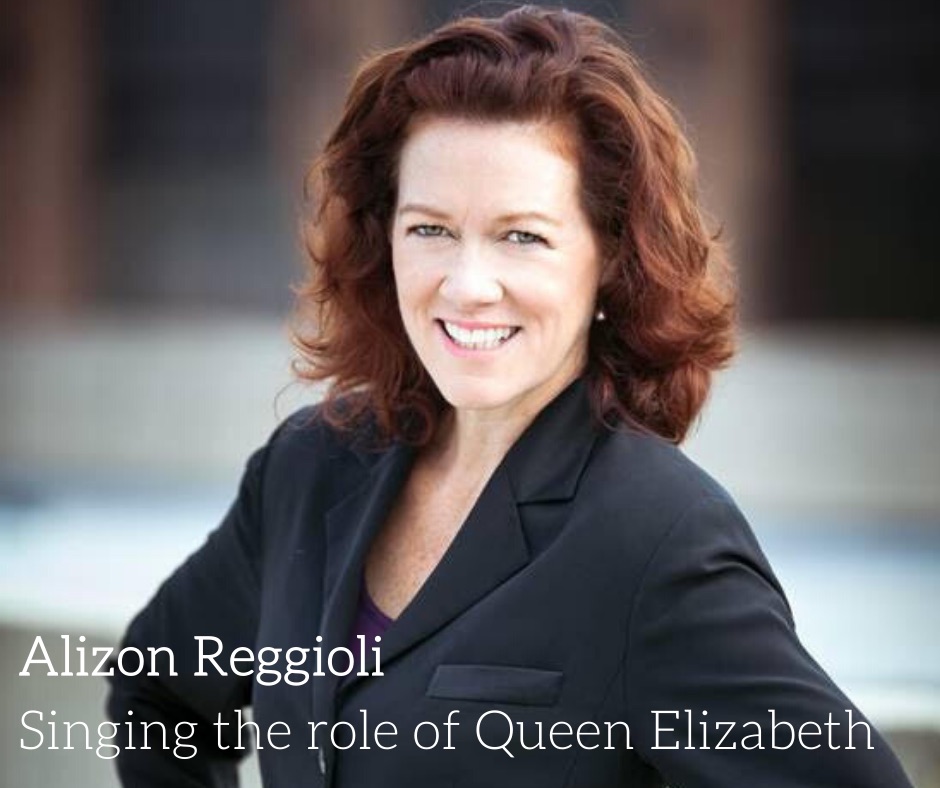




 Good News. Reviews. Events.